
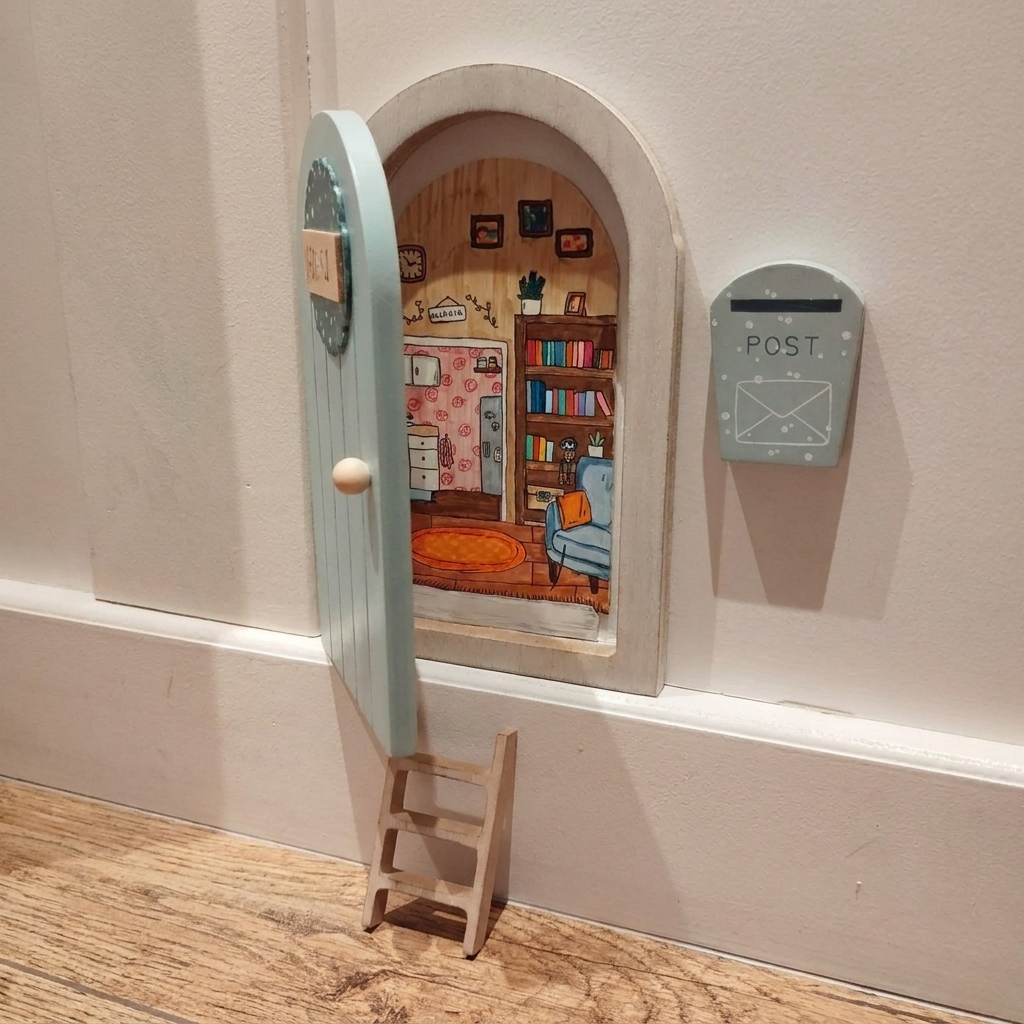
Traveling with children is full of excitement, discovery, and unforgettable moments—but it also comes with challenges. Long hotel stays, rainy travel days, or evenings in unfamiliar rooms can quickly lead to boredom if there is no structured activity. This is where creativity becomes the most powerful travel tool.
One of the most imaginative and engaging solutions is to create a secret house for in-room adventurers. This idea transforms any ordinary hotel room, vacation rental, or temporary space into a magical adventure base where children can explore, play, and imagine new worlds.
Instead of relying on screens or passive entertainment, kids become active creators of their own “secret base,” full of missions, storytelling, and exploration. In this essay, we will explore five creative travel ideas that bring this concept to life and turn any room into an unforgettable adventure zone.
Quick Summary Table
| Idea No. | Travel Idea | Main Purpose | Key Benefit |
| 1 | Blanket fort secret base | Imaginative play | Creativity boost |
| 2 | Adventure mission room | Storytelling | Engagement |
| 3 | Treasure map hideout | Problem-solving | Critical thinking |
| 4 | Roleplay explorer house | Social play | Communication |
| 5 | Nighttime adventure cave | Relaxation play | Emotional comfort |
Why create a secret adventure house in travel spaces?
The idea to create a secret house for in-room adventurers is powerful because it turns a temporary space into a personal world. Children often feel unsettled in new environments like hotels or unfamiliar homes. Creating a “secret base” gives them:
- A sense of control
- Emotional comfort
- A space for imagination
- A structured play environment
It also encourages creativity without requiring expensive toys or equipment.
Most importantly, it transforms downtime into meaningful playtime.
Idea 1: The blanket fort secret base
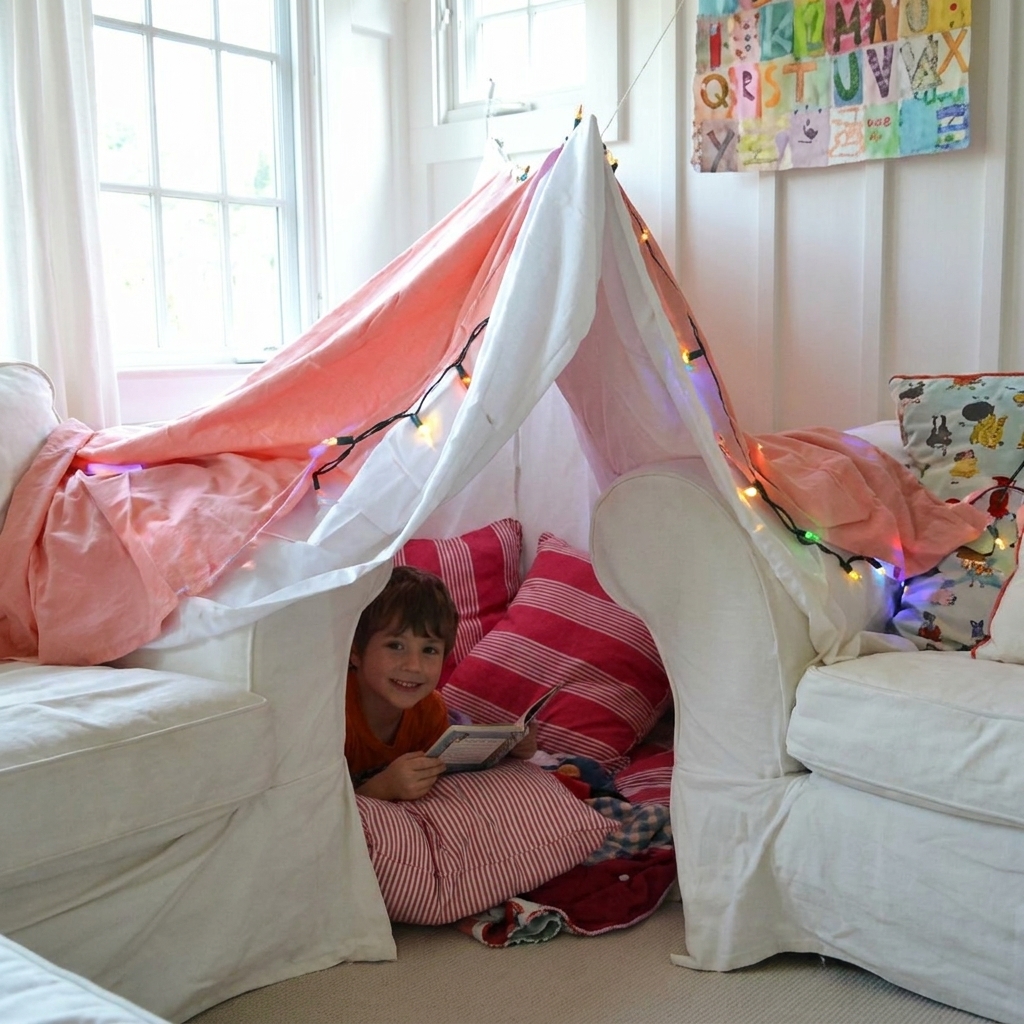
The simplest and most classic version of this idea is the blanket fort.
How it works:
- Use blankets, chairs, and pillows
- Build a small enclosed space
- Add flashlights or soft lighting
Adventure elements:
- Secret entrance rules
- “No adults allowed” storytelling zones
- Hidden mission cards inside the fort
Travel benefit:
Even in a hotel room, this instantly allows you to create a secret house for in-room adventurers that feels personal and exciting.
Children love having their own “hidden world” during trips, especially after long travel days.
Idea 2: Adventure mission room
This idea transforms the entire room into a mission-based game environment.
Setup:
- Create mission cards (simple written tasks)
- Assign roles (explorer, detective, builder)
- Hide clues around the room
Example missions:
- Find three hidden objects
- Solve a simple riddle
- Create a short travel story
Travel benefit:
This turns idle time into structured adventure play and helps children stay mentally active.
It is one of the best ways to create a secret house for in-room adventurers while also building problem-solving skills.
Idea 3: Treasure map hideout
This idea introduces exploration and discovery.
How it works:
- Draw a simple map of the room
- Mark hidden “treasures”
- Let children follow clues step by step
Treasure ideas:
- Stickers
- Small toys
- Notes with messages
Educational value:
- Spatial awareness
- Logical thinking
- Reading simple maps
This makes the room feel like a mini exploration zone where children actively search and discover.
Idea 4: Roleplay explorer house
This idea focuses on storytelling and imagination.
Setup:
Children create characters such as:
- Explorers
- Scientists
- Space travelers
- Jungle adventurers
Activities:
- Acting out missions
- Creating dialogue between characters
- Solving imaginary problems
Travel benefit:
This builds communication skills and emotional expression.
It is an excellent way to create a secret house for in-room adventurers that supports social and creative development.
Idea 5: Nighttime adventure cave
Evenings during travel can sometimes be the hardest time for children, especially when routines change.
Setup:
- Dim lighting or soft lamps
- Cozy blankets and cushions
- Calm storytelling activities
Activities:
- Quiet storytelling
- Memory games
- “Dream adventure” creation
Travel benefit:
This helps children relax before sleep while still engaging their imagination.
It also provides emotional comfort in unfamiliar environments.
Educational benefits of secret room adventures
The concept of create a secret house for in-room adventurers supports many developmental skills:
Cognitive skills:
- Problem-solving
- Memory development
- Logical thinking
Emotional skills:
- Comfort in new environments
- Confidence building
- Emotional regulation
Social skills:
- Communication
- Role-playing interaction
- Cooperation
This makes it more than just a game—it becomes a developmental tool.
Why children love secret adventure houses
Children are naturally drawn to:
- Hidden spaces
- Imaginative worlds
- Role-play scenarios
- Ownership of their environment
A secret room transforms a normal hotel stay into an exciting personal experience. It gives them independence and creative freedom.
Tips for parents
To make the experience smoother:
- Keep setups simple and flexible
- Use items already available in the room
- Let children lead the design
- Encourage storytelling instead of perfection
- Balance excitement with calm activities
These tips ensure that the idea remains fun and stress-free.
Common mistakes to avoid
While creating a secret adventure space, avoid:
- Overcomplicating the setup
- Using too many materials
- Making strict rules
- Forcing structured play for too long
The goal is creativity, not control.
Expanding the idea
Once children enjoy the concept, it can be expanded:
- Themed rooms (pirate cave, jungle base, space station)
- Multi-day story adventures
- Daily missions during trips
- Family participation roles
This keeps create a secret house for in-room adventurers fresh and engaging over multiple travel days.
Connection between travel and imagination
Travel naturally exposes children to new environments. Combining this with imaginative play helps them:
- Process new experiences
- Stay emotionally balanced
- Develop curiosity about the world
A secret room becomes a bridge between real travel and imaginative exploration.
Conclusion
To create a secret house for in-room adventurers is to turn any temporary space into a world of imagination, creativity, and learning. Whether it is a hotel room, vacation rental, or temporary stay, children can transform it into a personal adventure base filled with stories, missions, and discovery.
The five travel ideas—blanket forts, mission rooms, treasure maps, roleplay worlds, and nighttime caves offer flexible ways to keep children engaged and happy during travel.
Ultimately, this concept shows that the best travel memories are not only about destinations, but also about the imaginative worlds children build along the way.
