
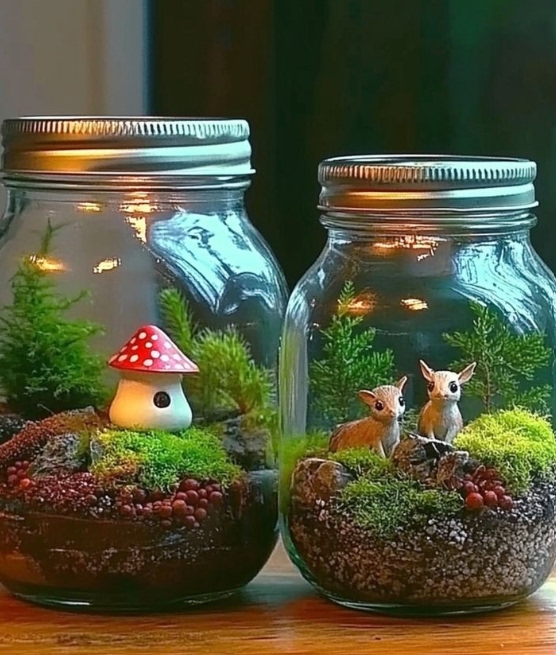
Travel is one of the best ways to discover nature, creativity, and new perspectives. Whether exploring lush forests, mountain trails, botanical gardens, or national parks, travelers often return home inspired by the beauty of the natural world. One creative way to preserve that inspiration is by learning How to make a small forest inside a jar.
A miniature forest in a jar, often called a terrarium, allows you to create a tiny ecosystem using plants, soil, moss, and decorative elements. It combines nature, art, and science into a single project that can remind families of their favorite travel experiences.
For children and adults alike, terrarium crafting offers an engaging activity that encourages creativity, environmental awareness, and appreciation for nature. In this guide, you’ll discover how to make a small forest inside a jar and explore seven travel-inspired crafts that transform ordinary materials into memorable keepsakes.
Quick Overview Table
| Craft Idea | Travel Inspiration | Difficulty |
| Classic Forest Jar | Nature Trails | Easy |
| Mountain Terrarium | Hiking Trips | Medium |
| Beach Forest Jar | Coastal Vacations | Easy |
| Tropical Travel Jar | Island Adventures | Medium |
| Desert Mini Ecosystem | Desert Tours | Medium |
| Botanical Garden Jar | Garden Visits | Easy |
| Memory Travel Forest | Family Vacations | Easy |
What Is a Forest in a Jar?
A forest in a jar is a miniature ecosystem created inside a transparent container. It usually includes:
- Small plants
- Moss
- Soil
- Pebbles
- Decorative natural elements
The enclosed environment allows moisture to circulate, creating conditions that help plants thrive with minimal maintenance.
Learning How to make a small forest inside a jar is a fun and educational activity that connects people with nature while encouraging creativity.
Why Travel Inspires Nature Crafts
Travel exposes us to different landscapes and ecosystems. From dense forests to tropical jungles, every destination offers unique natural beauty.
Nature-inspired crafts help travelers:
- Preserve memories
- Learn about ecosystems
- Encourage environmental awareness
- Create meaningful souvenirs
Instead of purchasing expensive keepsakes, families can create handmade projects that reflect places they have visited.
Materials Needed
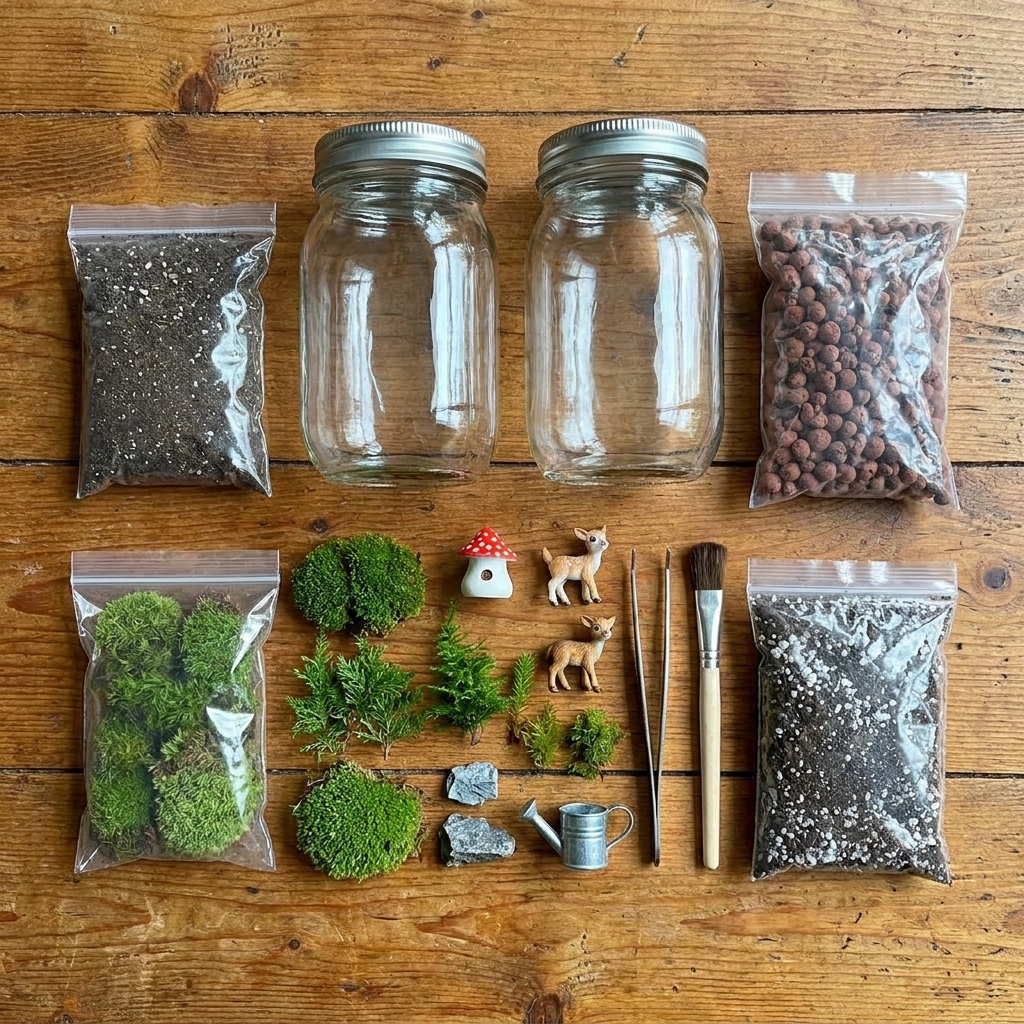
Before starting your miniature forest, gather the following materials:
Essential Supplies
- Glass jar with lid
- Small stones or gravel
- Activated charcoal
- Potting soil
- Moss
- Tiny plants
- Decorative twigs or stones
Optional Decorations
- Mini animal figures
- Small travel-themed decorations
- Colored pebbles
- Driftwood pieces
Most materials are affordable and easy to find.
Step-by-Step Guide: How to Make a Small Forest Inside a Jar
Step 1: Clean the Jar
Wash and dry the jar thoroughly.
A clean container reduces the risk of mold and helps maintain a healthy environment.
Step 2: Add a Drainage Layer
Place small stones at the bottom.
This layer prevents excess water from collecting around plant roots.
Step 3: Add Activated Charcoal
A thin charcoal layer helps keep the ecosystem fresh.
It reduces odors and improves overall plant health.
Step 4: Add Soil
Spread potting soil over the charcoal.
The depth depends on the size of your plants.
Step 5: Plant the Mini Forest
Arrange plants carefully.
Popular choices include:
- Moss
- Ferns
- Small tropical plants
Step 6: Decorate
Add decorative elements inspired by your travels.
Step 7: Water Lightly
Avoid overwatering.
A little moisture is usually enough.
Step 8: Close and Display
Place the jar in indirect sunlight.
Your tiny forest is now complete.
Craft Idea 1: Classic Forest Jar
This project recreates the feeling of a woodland walk.
Inspiration
- National parks
- Forest trails
- Nature reserves
Decorations
- Moss
- Twigs
- Small stones
Children enjoy creating tiny woodland scenes.
Craft Idea 2: Mountain Terrarium
Mountain adventures inspire breathtaking landscapes.
Materials
- Gray pebbles
- Moss
- Miniature rocks
Creative Touch
Build tiny mountain peaks inside the jar.
This project reminds travelers of hiking experiences.
Craft Idea 3: Beach Forest Jar
Coastal vacations offer unique natural beauty.
Additions
- Sand
- Shell fragments
- Driftwood
Travel Connection
Combines beach memories with plant life.
Children often enjoy collecting materials during vacations.
Craft Idea 4: Tropical Travel Jar
Inspired by rainforests and island destinations.
Plants
- Tropical moss
- Small humidity-loving plants
Benefits
Creates a vibrant and colorful display.
Perfect for remembering tropical adventures.
Craft Idea 5: Desert Mini Ecosystem
Not all travel memories involve forests.
Features
- Sand layers
- Small succulents
- Decorative stones
Educational Value
Children learn about dry ecosystems and plant adaptation.
Craft Idea 6: Botanical Garden Jar
Botanical gardens inspire creativity and appreciation for plants.
Design Tips
- Focus on symmetry
- Use colorful moss
- Include decorative pathways
This craft captures the beauty of garden visits.
Craft Idea 7: Memory Travel Forest
One of the most meaningful projects.
How It Works
Add small reminders from favorite trips:
- Tiny stones
- Natural materials
- Mini travel symbols
Each element represents a special destination.
Educational Benefits for Children
Learning How to make a small forest inside a jar offers many educational advantages.
Science Skills
Children learn about:
- Ecosystems
- Plant growth
- Water cycles
Creativity
They develop:
- Design skills
- Problem-solving abilities
- Artistic expression
Observation
Terrariums encourage daily observation and patience.
Environmental Awareness
Nature crafts help children understand the importance of protecting ecosystems.
Lessons Learned
- Plants need care
- Water is valuable
- Ecosystems are interconnected
These lessons can inspire lifelong environmental responsibility.
Travel and Nature: A Perfect Combination
Travel often creates lasting memories because it exposes people to new environments.
By creating miniature ecosystems inspired by travel experiences, families can:
- Extend vacation memories
- Continue learning after trips
- Encourage creativity at home
This connection between travel and crafting makes the experience more meaningful.
Tips for Maintaining Your Forest Jar
Provide Indirect Light
Avoid direct sunlight, which can overheat the jar.
Water Sparingly
Most terrariums need very little water.
Remove Dead Leaves
This helps maintain a healthy environment.
Monitor Moisture
Too much condensation may indicate excess water.
Proper care helps the ecosystem thrive for months or even years.
Budget-Friendly Family Activity
One of the best things about this project is affordability.
Low-Cost Materials
- Recycled jars
- Natural materials
- Inexpensive plants
Families can create beautiful terrariums without spending much money.
Encouraging Creativity Through Travel Crafts
Every terrarium is unique.
Children can personalize their forests by:
- Creating themes
- Adding decorations
- Recreating travel destinations
There are endless possibilities for customization.
Why Families Love This Project
Families appreciate crafts that are:
- Educational
- Affordable
- Creative
- Travel-inspired
Learning How to make a small forest inside a jar meets all these goals while providing quality family time.
Conclusion
Creating a miniature forest is more than a simple craft. It is a way to preserve travel memories, explore nature, and learn about ecosystems in a hands-on way.
By following the steps in How to make a small forest inside a jar, families can build beautiful miniature worlds inspired by forests, beaches, mountains, deserts, and botanical gardens. The seven travel-inspired craft ideas featured in this guide offer endless opportunities for creativity and exploration.
Whether you’re looking for a fun weekend activity, an educational project for children, or a meaningful travel keepsake, a forest in a jar is a wonderful choice. It combines art, science, and adventure in a single glass container—bringing a little piece of the world into your home.
