
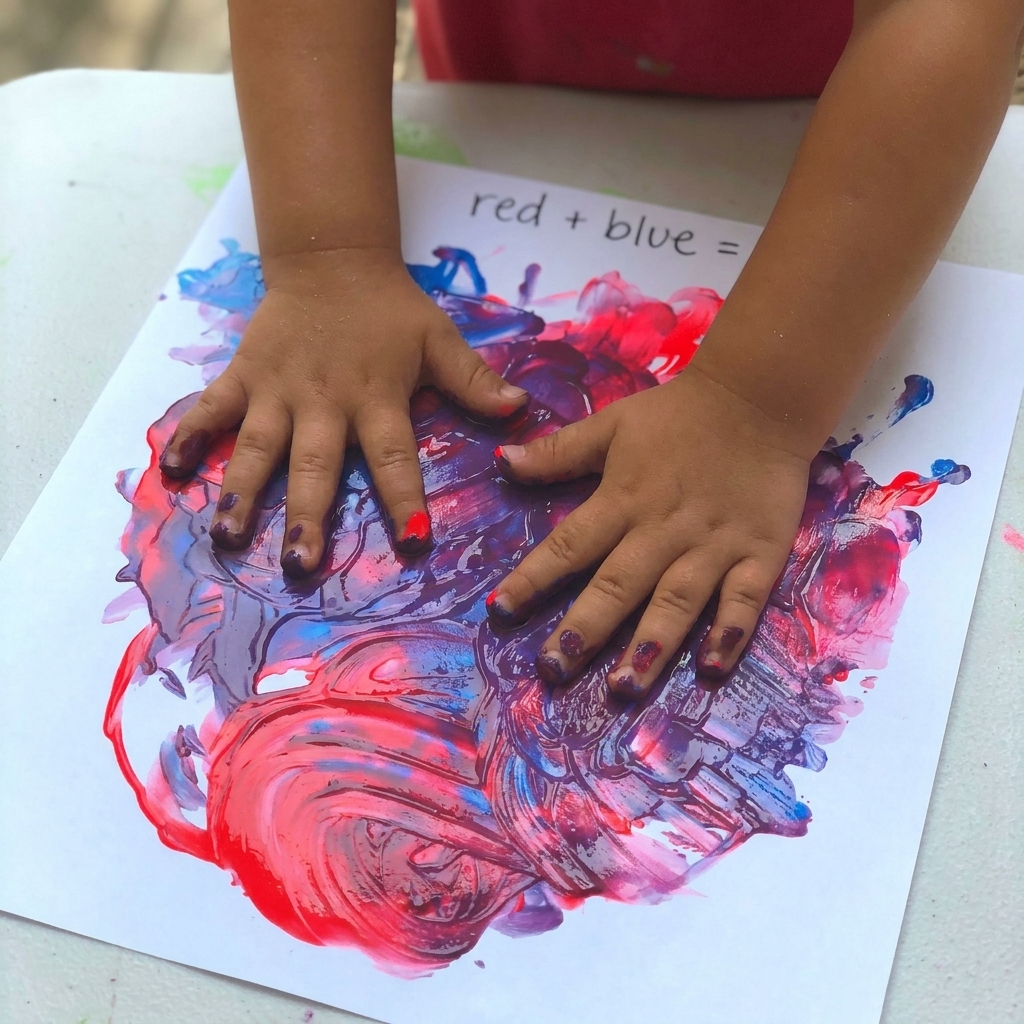
Science doesn’t need fancy labs or expensive kits to be exciting. In fact, some of the most memorable learning moments for children come from the simplest materials found right in the kitchen or around the house. That’s exactly why Science Experiments for Kids Using Simple Ingredients are such a powerful way to spark curiosity, creativity, and hands-on learning.
When kids mix, pour, observe, and test ideas themselves, they don’t just learn facts—they experience science in action. Simple ingredients like baking soda, vinegar, milk, food coloring, and dish soap can turn an ordinary afternoon into a mini science lab adventure. These experiments help children understand basic scientific concepts such as chemical reactions, density, surface tension, and pressure, all while having fun.
Another great benefit is accessibility. Parents don’t need to spend a lot of money or plan complicated setups. Everything required is usually already in the kitchen. This makes learning spontaneous and stress-free. Whether it’s a rainy day activity, weekend project, or classroom supplement, these experiments are perfect for children of different ages.
In this guide, we’ll explore the 3 best Science Experiments for Kids Using Simple Ingredients. Each experiment is safe, engaging, and designed to encourage curiosity while explaining real scientific principles in a fun and easy way.
1. Volcano Eruption Experiment (Baking Soda and Vinegar)
One of the most popular and exciting science activities for children is the classic homemade volcano. It’s dramatic, colorful, and teaches a fundamental chemical reaction that kids can easily observe.
What You Need:
- Baking soda
- White vinegar
- Dish soap (optional for extra foam)
- Food coloring (red or orange for lava effect)
- A small cup or bottle
- A tray or plate to contain the mess
How It Works:
Start by placing the cup in the center of a tray. Add a few spoonfuls of baking soda into the cup. If you want a more realistic lava effect, mix in a drop of dish soap and some food coloring.
Next, pour vinegar into the cup and quickly step back. The mixture will begin to bubble, fizz, and overflow like a volcanic eruption.
The Science Behind It:
This experiment demonstrates an acid-base reaction. Baking soda is a base (sodium bicarbonate), and vinegar is an acid (acetic acid). When they combine, they create carbon dioxide gas. The gas forms bubbles, which cause the foamy “eruption” effect.
Why Kids Love It:
The reaction happens instantly, which keeps kids engaged. The visual “lava explosion” makes science feel like magic. It’s also a great opportunity to introduce basic chemistry vocabulary in a fun way.
Learning Extensions:
- Try changing the amount of baking soda or vinegar and observe the difference.
- Build a clay or sand volcano structure around the cup.
- Ask kids to predict what will happen before each experiment.
2. Rainbow Milk Experiment (Surface Tension Magic)
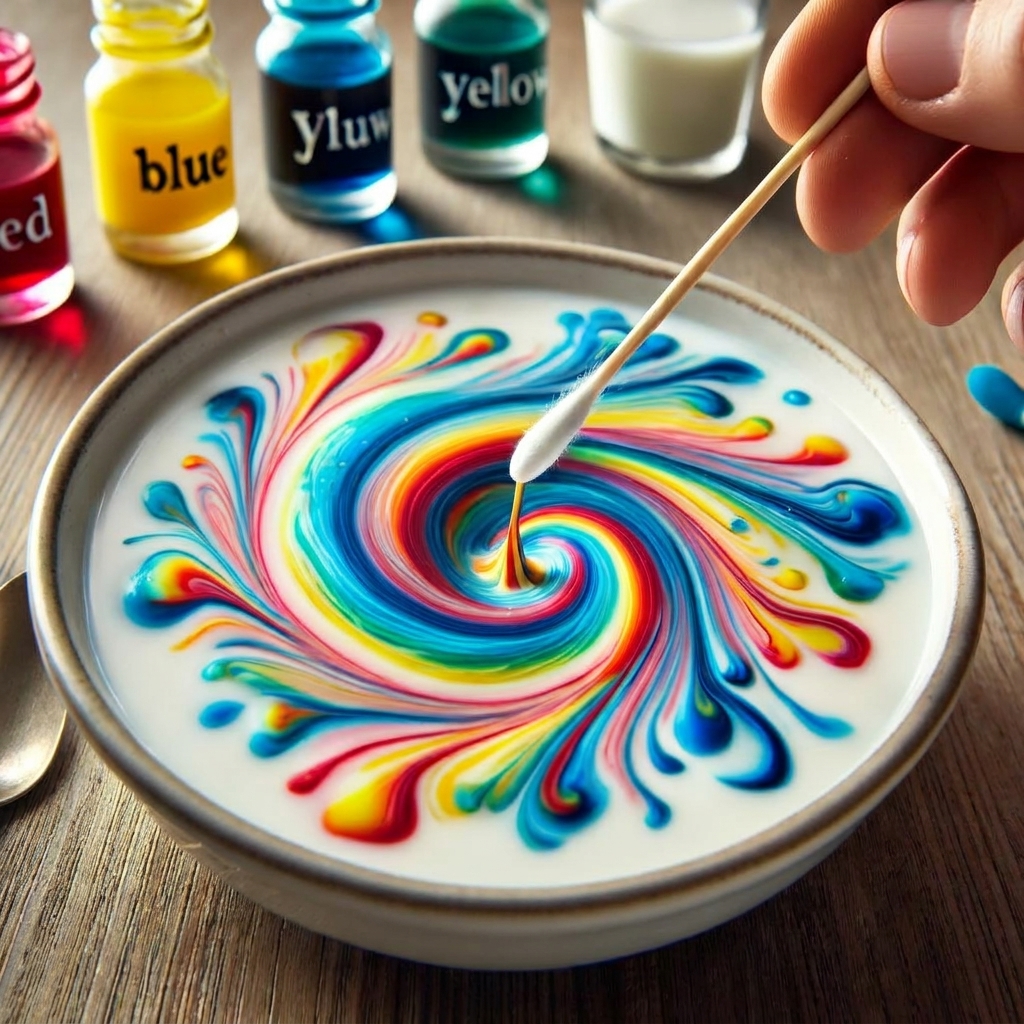
The rainbow milk experiment is colorful, mesmerizing, and surprisingly simple. It helps children understand surface tension and chemical interactions in liquids.
What You Need:
- Whole milk (important for best results)
- Food coloring (multiple colors)
- Dish soap
- Cotton swab or toothpick
- A shallow plate
How It Works:
Pour milk into the plate until the bottom is covered. Add drops of different food coloring around the surface. Try not to mix them.
Next, dip a cotton swab into dish soap and gently touch the center of the milk. Watch as colors explode and swirl into beautiful patterns.
The Science Behind It:
Milk contains fat and proteins. When dish soap is added, it breaks the surface tension of the milk and interacts with the fat molecules. This causes movement in the liquid, pushing the food coloring around and creating a swirling rainbow effect.
Why Kids Love It:
The colors move like magic. Each attempt produces a slightly different pattern, which makes kids curious to repeat the experiment again and again.
Learning Extensions:
- Try different types of milk (skim vs. whole) and compare results.
- Ask kids to draw what they see during the reaction.
- Discuss how soap works in cleaning grease and oil.
3. Floating Egg Experiment (Density and Buoyancy)
This simple experiment is perfect for teaching kids about density in a visual and easy-to-understand way. It shows why some objects float in water while others sink.
What You Need:
- 2 clear glasses of water
- Salt
- A raw egg
- Spoon for stirring
How It Works:
Fill both glasses with water. In one glass, place a raw egg—it will sink to the bottom.
In the second glass, add several spoonfuls of salt and stir until fully dissolved. Then gently place another egg (or remove and retry the same one). The egg will float in the salty water.
The Science Behind It:
Salt increases the density of water. When water becomes denser than the egg, it pushes the egg upward, allowing it to float. In plain water, the egg is denser than the liquid, so it sinks.
Why Kids Love It:
It feels like a trick, but it’s real science. Kids enjoy predicting outcomes and testing different amounts of salt to see how it changes results.
Learning Extensions:
- Add more salt gradually and observe when the egg starts floating.
- Compare other objects like small plastic toys or grapes.
- Explain how oceans are salty and why floating is easier in seawater.
Tips for Successful Science Experiments at Home
Doing Science Experiments for Kids Using Simple Ingredients is not just about the activity itself—it’s also about how you guide the experience. Here are some helpful tips to make it even better:
1. Encourage Predictions
Before starting any experiment, ask kids what they think will happen. This builds critical thinking and curiosity.
2. Let Kids Take the Lead
Allow children to pour, mix, and observe on their own (with supervision). Hands-on participation improves learning retention.
3. Keep It Safe
Always supervise experiments. Avoid anything that involves heat, sharp objects, or harmful chemicals. Stick to kitchen-safe ingredients.
4. Ask Questions
Instead of explaining everything immediately, ask questions like:
- What do you see happening?
- Why do you think this is happening?
- What would happen if we changed this?
5. Embrace the Mess
Science can get messy, especially with baking soda or milk experiments. Use trays, newspapers, or outdoor spaces when possible.
Why Simple Ingredient Science Matters
Using everyday items makes science less intimidating and more approachable. Children begin to understand that science is not just something in textbooks—it’s everywhere around them.
Science Experiments for Kids Using Simple Ingredients also build important life skills:
- Observation
- Problem-solving
- Creativity
- Curiosity
- Patience
These skills go far beyond science class. They help children think more deeply and confidently in everyday situations.
Bonus Experiment Ideas (Quick Fun Add-ons)
If kids are still excited after the main experiments, try these quick extras:
Dancing Raisins
Drop raisins into sparkling water and watch them “dance” as bubbles attach and lift them.
Balloon Static Electricity
Rub a balloon on hair and stick it to walls or move small paper pieces.
Invisible Ink
Use lemon juice to write secret messages and reveal them with gentle heat.
Conclusion
Science doesn’t have to be complicated to be powerful. With just a few household ingredients, children can explore fascinating concepts and build a lifelong love for learning.
These 3 best Science Experiments for Kids Using Simple Ingredients—volcano eruption, rainbow milk, and floating egg—are perfect examples of how fun and education can work together. They are simple, safe, and incredibly engaging for kids of all ages.
Most importantly, they transform ordinary moments into unforgettable discoveries. Whether at home, in a classroom, or during a weekend activity, these experiments help children see the world through a curious and scientific lens.
So grab a few simple ingredients, clear a small space, and start experimenting. The world of science is waiting—right in your kitchen.
