5 Simple Science Experiments for Kids at Home Best Ideas

5 Simple Science Experiments for Kids at Home

What if the most exciting science lab in the world was already inside your home? With 5 Simple Science Experiments for Kids at Home, you can turn everyday moments into unforgettable learning adventures. Instead of more screen time, kids can explore, question, and discover using simple materials right from your kitchen.

Hands-on science isn’t just fun it’s powerful. It helps children build critical thinking skills, improve fine motor coordination, and strengthen creativity. Even better, it creates meaningful family bonding time. When kids mix, pour, and observe, they’re not just playing they’re learning how the world works.

Educators increasingly emphasize “edutainment,” where learning meets fun. Studies show children retain more knowledge through hands-on activities compared to passive learning. That’s why these 5 Simple Science Experiments for Kids at Home are perfect—they combine curiosity, creativity, and education in one simple package.

Ready to spark curiosity and create mini scientists at home? Let’s get started.

Safety and Preparation: A Little Scientist’s Guide

Before diving into the fun, it’s important to set up a safe and organized environment for your experiments.

Basic Safety Rules

  • Always supervise children during experiments
  • Never taste experiment ingredients
  • Wear old clothes or aprons
  • Use trays or perform experiments in the sink to reduce mess

Essential “Lab” Supplies

You don’t need fancy equipment. Most 5 Simple Science Experiments for Kids at Home use everyday items like:

  • Baking soda
  • Vinegar
  • Dish soap
  • Food coloring
  • Balloons
  • Plastic cups
  • Straws
  • Water
  • Eggs

Having these ready will make your experiments smooth and enjoyable.

Chemistry: Reactions that Fizz, Foam, and Surprise

1. Developing a Volcano in 2026

This classic experiment becomes even more exciting with a modern twist.

What you need:

  • Baking soda
  • Vinegar
  • Dish soap
  • Food coloring

How it works:
Add baking soda to a container, mix in dish soap and coloring, then pour vinegar. The reaction creates a foamy eruption.

Fun upgrade:
Build a small “city” around the volcano using toys or blocks and watch the lava flow through it.

2. Elephant-Safe Toothpaste

A foamy explosion that kids love!

What you need:

  • 3% hydrogen peroxide
  • Yeast
  • Warm water
  • Dish soap

How it works:
Yeast acts as a catalyst, breaking down hydrogen peroxide and releasing oxygen bubbles.

Tip:
Make sure the water is warm—not hot—or the yeast won’t activate.

3. The Mysterious Oobleck

Is it a liquid or a solid? It’s both!

What you need:

  • Cornstarch
  • Water

How it works:
This non-Newtonian fluid becomes solid under pressure and liquid when relaxed.

Kids love squeezing it and watching it change instantly.

4. Natural pH Indicator Lab

Turn your kitchen into a mini chemistry lab.

What you need:

  • Red cabbage
  • Water
  • Various liquids (lemon juice, baking soda solution)

How it works:
Cabbage juice changes color depending on acidity or alkalinity.

Physics: Density, Pressure, and Motion

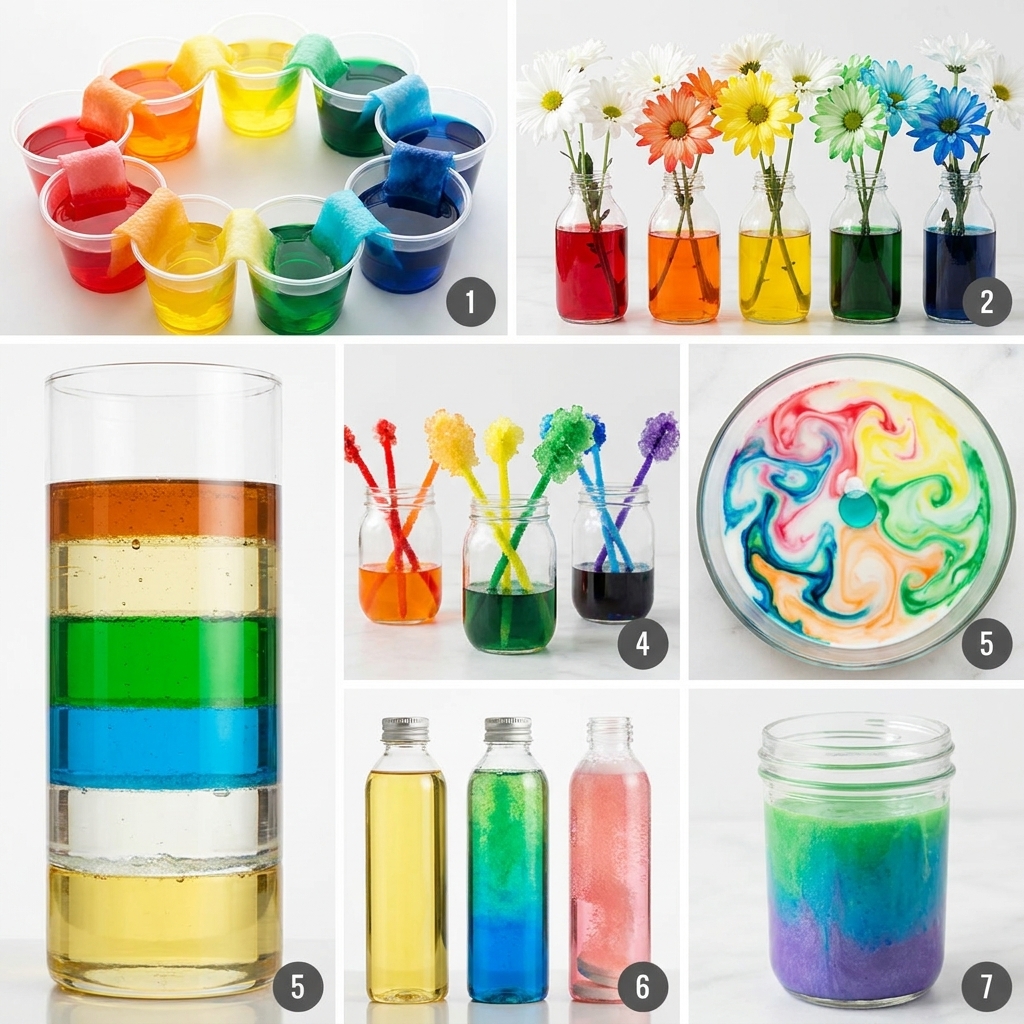
5. Rainbow Density Tower

A beautiful and educational experiment.

What you need:

  • Honey
  • Dish soap
  • Water
  • Oil

How it works:
Each liquid has a different density, so they stack in layers.

Kids visually learn about mass and density.

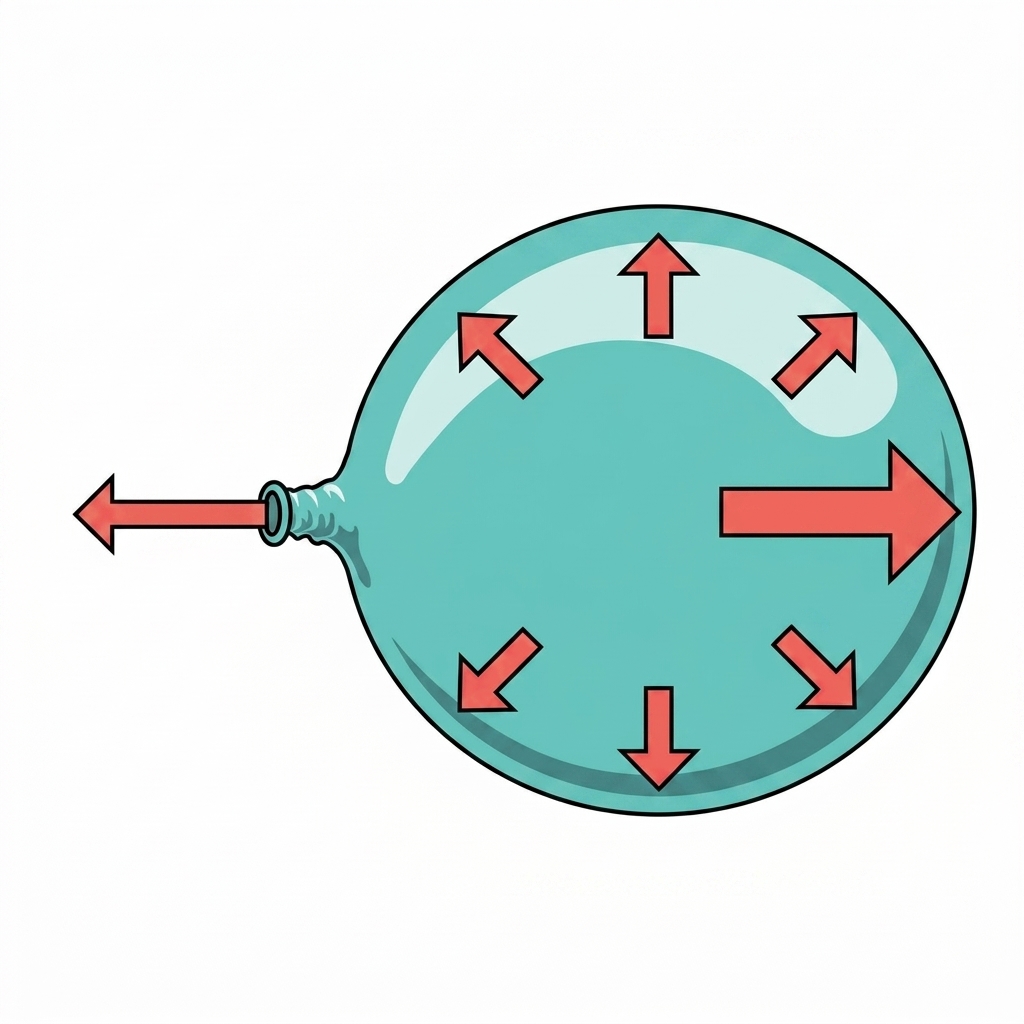
Balloon Rocket

A fun way to demonstrate motion.

What you need:

  • Balloon
  • String
  • Straw

How it works:
Air rushing out of the balloon pushes it forward, showing action and reaction.

Magic Milk Color Explosion

Colorful and mesmerizing!

What you need:

  • Milk
  • Food coloring
  • Dish soap

How it works:
Dish soap breaks surface tension, causing colors to swirl.

Static Electricity: Bending Water

A simple yet magical experiment.

What you need:

  • Balloon
  • Running water

How it works:
Rub the balloon on your hair and bring it near water—the stream bends!

Biology and Earth Sciences: The Living World

The Naked Egg (Osmosis)

A fascinating transformation.

What you need:

  • Egg
  • Vinegar

How it works:
The shell dissolves, leaving a soft, bouncy egg.

The Water Cycle in a Bag

Teach weather science easily.

What you need:

  • Ziplock bag
  • Water
  • Sunlight

How it works:
Water evaporates, condenses, and forms droplets—just like rain.

The Seed Germination Station

Watch life grow step by step.

What you need:

  • Seeds
  • Soil
  • Water

How it works:
Compare how seeds grow under different conditions.

Age-Appropriate Learning Pathways

Preschool (3–5 years)

Focus on sensory experiences:

  • Sinking or floating
  • Simple color mixing
  • Basic germination

Elementary (6–9 years)

Introduce simple concepts:

  • Capillary action
  • Moving water
  • Invisible ink

Middle School (10+ years)

Go deeper:

  • DIY electronics
  • Solar-powered projects
  • Simple biology experiments

These 5 Simple Science Experiments for Kids at Home can be adapted to fit any age group.

Frequently Asked Questions: Troubleshooting Your Experiments

Why didn’t the yeast react?

Check the water temperature. It should be warm, not hot.

How do we clean up easily?

Use trays, do messy experiments outside, and keep paper towels nearby.

How often should we do science?

Even 15 minutes a week can build strong STEM skills.

Conclusion: Building Tomorrow’s Innovators

Science isn’t just something found in textbooks it’s a way of thinking. With 5 Simple Science Experiments for Kids at Home, children learn to ask questions, test ideas, and explore the world around them.

These small activities can spark big dreams. Today’s simple experiment could inspire tomorrow’s scientist, engineer, or inventor.

Start small. Stay curious. And most importantly have fun learning together.

Ready to take it further? Create your own weekly science routine and keep the discoveries going.

Leave a Reply

Your email address will not be published. Required fields are marked *