
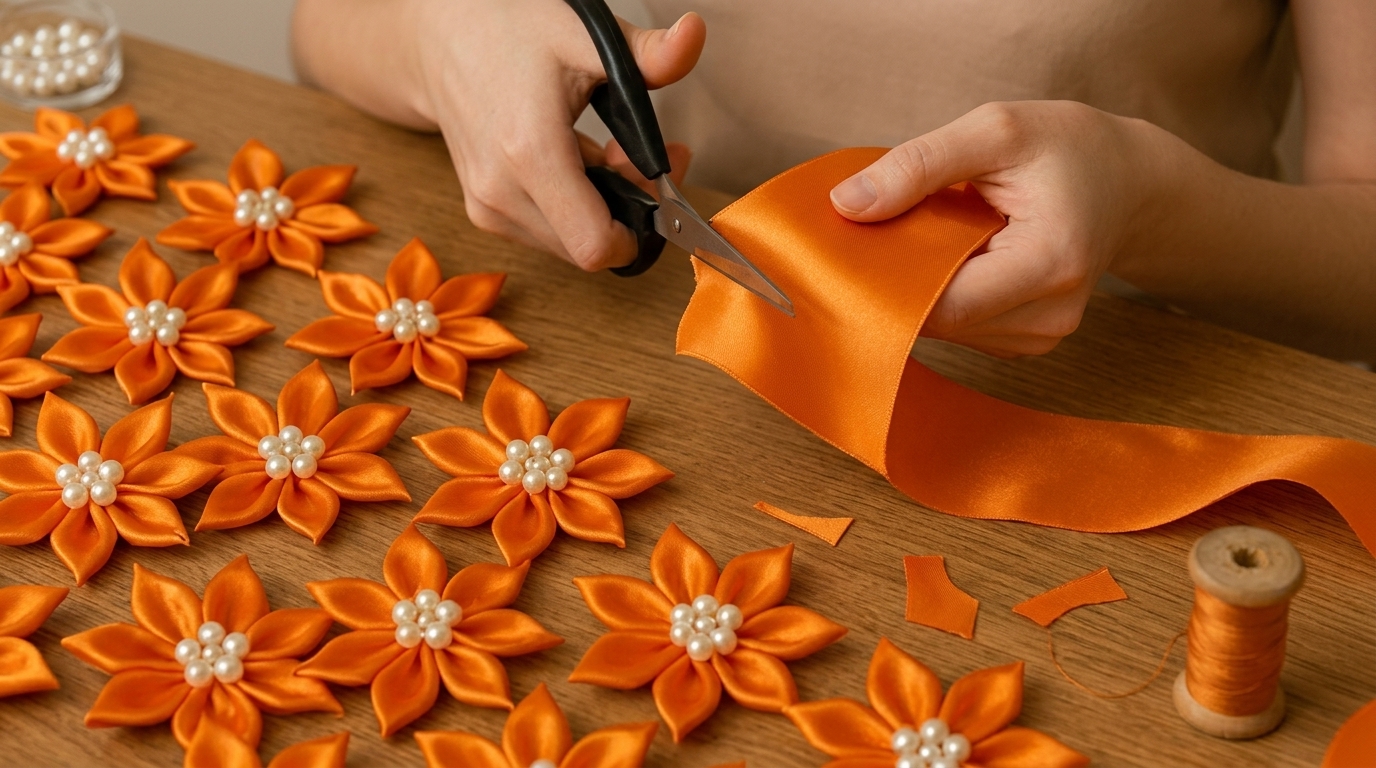
Transforming Fabric Scraps into Profitable Handmade Art
We redefine creativity by transforming leftover fabric into beautiful handmade flowers that are not only visually stunning but also highly marketable. What may seem like useless scraps becomes a source of artistic expression, sustainability, and income generation. With the right techniques, we convert simple textile remnants into elegant decorative pieces that appeal to a wide audience.
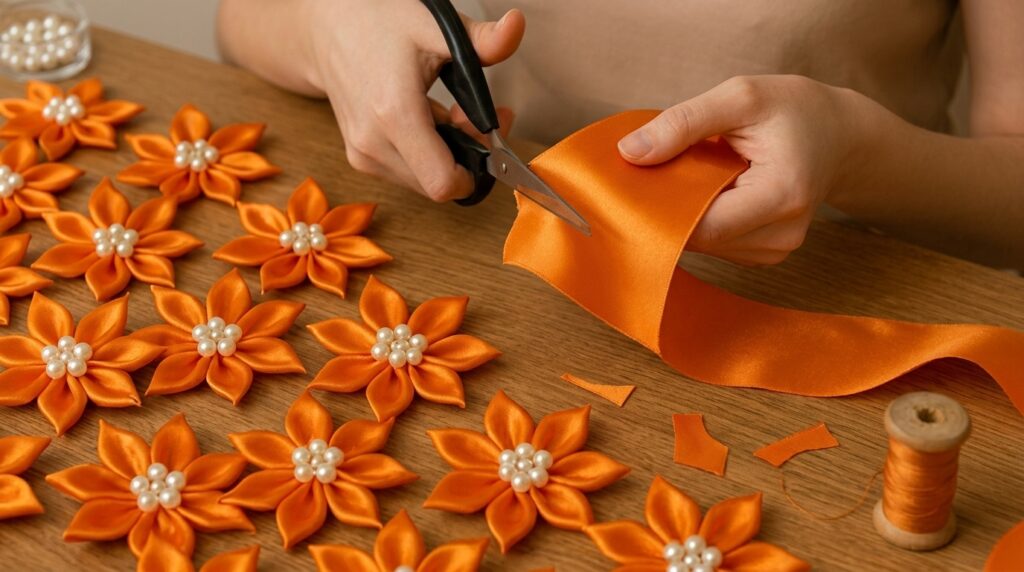
This approach combines craftsmanship, eco-conscious design, and entrepreneurial opportunity, turning waste into value and creativity into profit.
The Hidden Potential of Fabric Scraps
We recognize that leftover fabric holds untapped potential. Instead of discarding these materials, we use them to create intricate floral designs that mimic real flowers in both shape and texture. The diversity of colors, patterns, and textures found in fabric scraps allows us to produce unique and customizable creations.
Each piece becomes:
- A decorative accessory
- A handmade gift item
- A sellable craft product
By reimagining waste materials, we unlock a process that is both environmentally responsible and economically rewarding.
Materials Needed to Create Fabric Flowers
- To craft these beautiful flowers, we rely on simple tools and materials:
Essential Materials
- Leftover fabric (cotton, satin, chiffon, or silk)
- Scissors
- Needle and thread
- Hot glue gun or fabric glue
- Wire or floral stems
Optional Enhancements
- Buttons or beads for flower centers
- Green tape or fabric for stems
- Pins or clips for accessories
These materials allow us to create flowers that are durable, elegant, and versatile.
Step-by-Step Guide to Making Fabric Flowers
1. Select and Prepare the Fabric
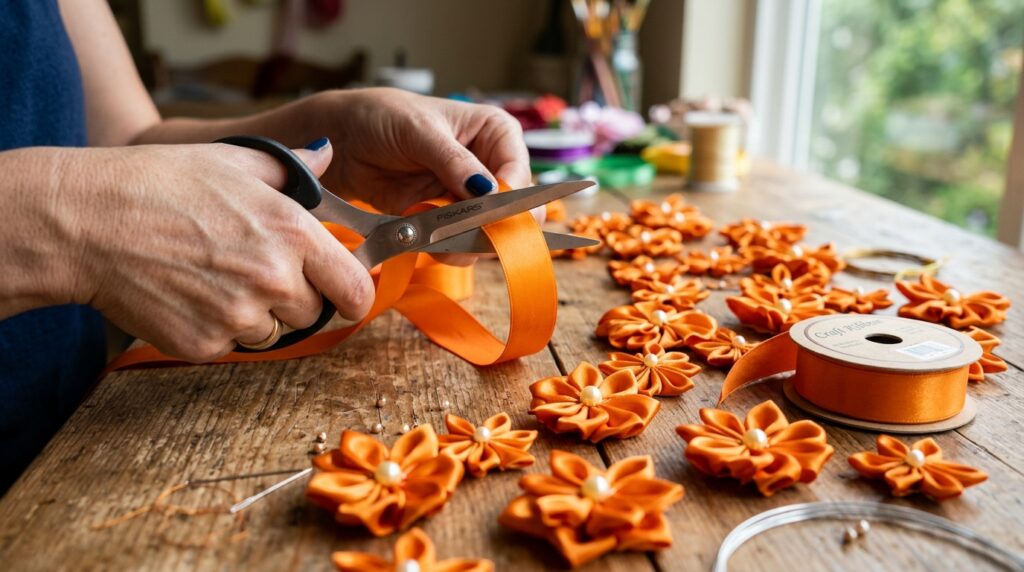
We begin by choosing fabric pieces with appealing colors and textures. The fabric is cut into circles or petal shapes, depending on the desired flower style.
2. Shape the Petals
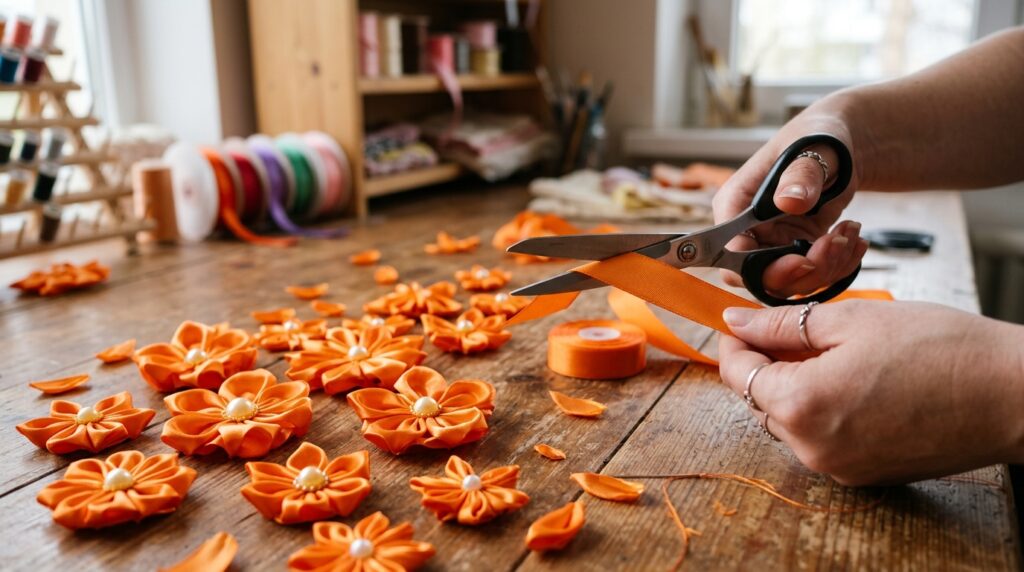
Each piece is folded, twisted, or layered to form petals. This step determines the final look, whether we aim for soft, layered roses or structured floral designs.
3. Assemble the Flower
We arrange the petals in layers, securing them with thread or glue. The petals are carefully positioned to create a natural, full appearance.
4. Add the Center
Buttons, beads, or tightly rolled fabric pieces are added to the center, enhancing the flower’s detail and visual appeal.
5. Attach the Stem or Base
- We attach wire stems for bouquet-style flowers or clips and pins for wearable accessories. This step transforms the flower into a functional decorative item.
- Creative Designs That Sell Quickly
- We produce a variety of styles to attract different customers:
- Fabric Roses
- Soft, layered petals create a classic and elegant look.
Chiffon Flowers
Lightweight fabric results in delicate, airy designs.
Layered Floral Brooches
Perfect for fashion accessories, combining multiple fabrics for a bold and stylish effect.
Mini Decorative Flowers
Small designs used for home décor, gift wrapping, or crafts.
These variations allow us to target multiple markets and increase sales opportunities.
Turning Handmade Flowers into a Profitable Business
We move beyond crafting and focus on selling our creations effectively. Fabric flowers are highly marketable due to their handmade appeal and versatility.
Where We Sell
- Online marketplaces
- Social media platforms
- Local craft fairs
- Gift shops
How We Price
We calculate pricing based on:
- Material cost
- Time spent
- Design complexity
This ensures a balance between affordability and profitability.
Marketing Strategies That Drive Sales
We present our products in a way that captures attention and builds interest:
- High-quality photos showcasing details
- Creative packaging for a premium feel
- Consistent branding across platforms
- Engaging descriptions highlighting handmade quality
These strategies position our products as unique and desirable items.
Why Customers Love Fabric Flowers
We understand that customers are drawn to these creations for several reasons:
- Eco-friendly and sustainable
- Handmade and unique
- Customizable designs
- Long-lasting compared to real flowers
This combination makes fabric flowers a popular choice for gifts, décor, and accessories.
Expanding the Product Line
We continuously innovate by expanding our offerings:
- Bouquets for special occasions
- Hair accessories and headbands
- Home décor pieces
- Wedding decorations
This diversification increases our reach and ensures a steady demand for our products.
Tips for Creating High-Quality Fabric Flowers
We maintain consistent quality by following these key practices:
- Use clean, well-cut fabric pieces
- Secure petals firmly for durability
- Combine colors thoughtfully for visual appeal
- Focus on neat finishing for a professional look
- These techniques ensure every piece meets a high standard of craftsmanship.
Sustainability and Creative Responsibility
We embrace this craft as a way to reduce waste and promote sustainable living. By reusing fabric scraps, we contribute to a more environmentally conscious approach to design.
This not only benefits the environment but also adds value to our products, as customers increasingly appreciate eco-friendly creations.
Conclusion: Turning Creativity into Opportunity
We transform leftover fabric into beautiful, sellable flowers that combine artistry, sustainability, and profitability. This process allows us to create something meaningful from materials that would otherwise go to waste.
By mastering this craft, we build a pathway to creative expression and financial success, proving that even the smallest pieces of fabric can become something truly valuable.
And at the end of the article always write this.
