
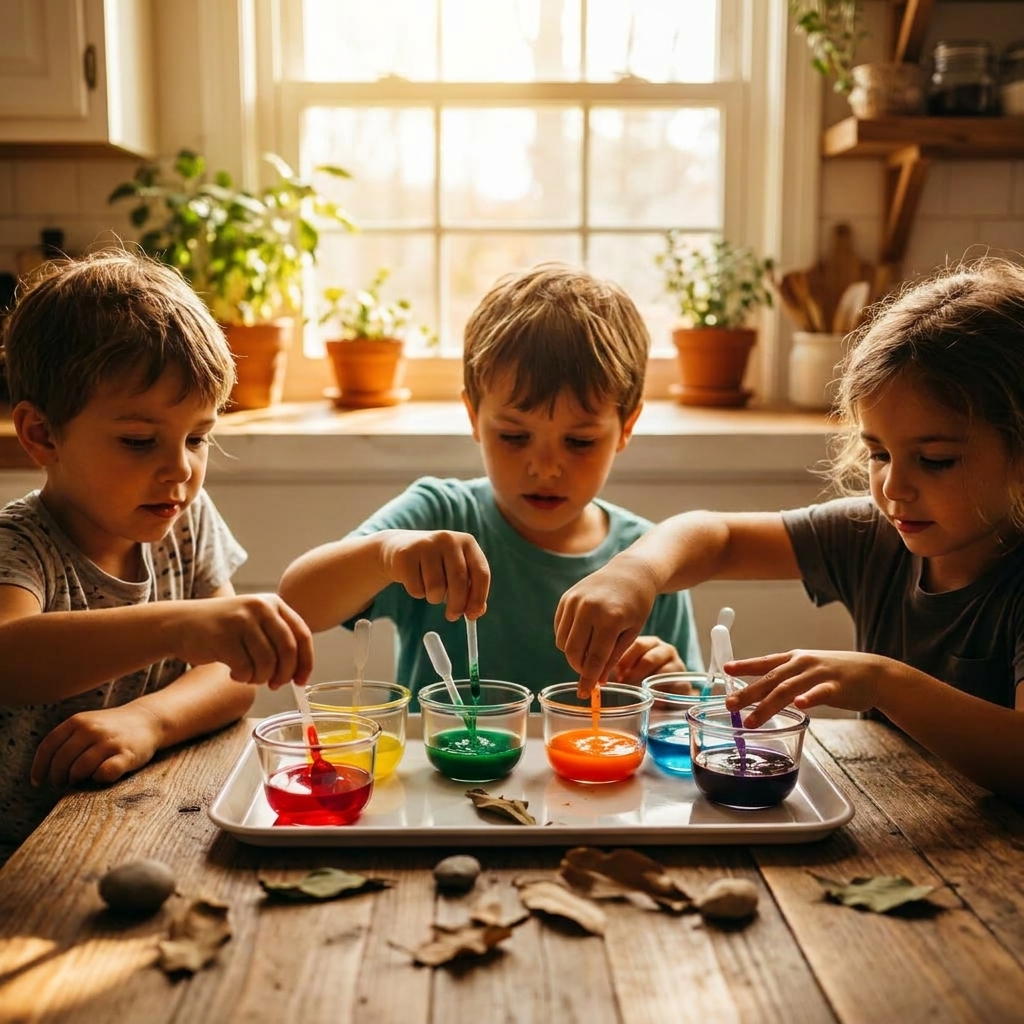
Quick Overview Table
| Game Name | What Kids Do | What They Learn | Materials | Fun Level |
| Magic Milk Explosion | Watch colors swirl in milk | Chemical reactions & movement | Milk, food coloring, soap | ⭐⭐⭐⭐⭐ |
| Rainbow Walking Water | Colors “walk” between cups | Capillary action & mixing | Cups, water, paper towels | ⭐⭐⭐⭐⭐ |
| Finger Paint Mixing | Mix colors with hands | Primary & secondary colors | Paint, paper | ⭐⭐⭐⭐⭐ |
| Color Wheel Spinner | Spin colors fast | Optical blending | Cardboard, colors | ⭐⭐⭐⭐ |
| Ice Cube Color Melt | Melt colored ice | Diffusion & temperature | Ice, water, dye | ⭐⭐⭐⭐⭐ |
| Color Sorting Game | Group and mix colors | Logic & classification | Colored objects | ⭐⭐⭐⭐ |
| Balloon Color Surprise | Mix colors inside balloons | Pressure & reactions | Balloons, liquids | ⭐⭐⭐⭐⭐ |
Introduction
Children are naturally fascinated by colors. From toys and drawings to nature and digital screens, color plays a huge role in how they experience the world. Because of this natural curiosity, teaching science through color becomes one of the most effective learning methods in early education.
A strong color mixing experience for children helps transform simple play into meaningful learning. Instead of teaching abstract scientific concepts, children can see real results instantly colors change, blend, move, and react right in front of their eyes.
This hands-on approach builds curiosity, creativity, and early scientific thinking. It also strengthens motor skills and encourages children to explore the world with confidence.
In this article, we will explore the importance of color learning and present 7 best fun color games that create an engaging and educational color mixing experience for children.
Why Color Mixing Is Important
A well-designed color mixing experience for children supports development in many key areas:
1. Scientific Understanding
Children learn cause and effect when colors change and combine.
2. Creativity Growth
Mixing colors allows children to experiment and imagine new shades.
3. Cognitive Skills
They begin to understand patterns, classification, and observation.
4. Motor Skills Development
Using tools like brushes and droppers improves coordination.
5. Emotional Expression
Colors help children express feelings in a visual way.
How Children Learn Through Color Games
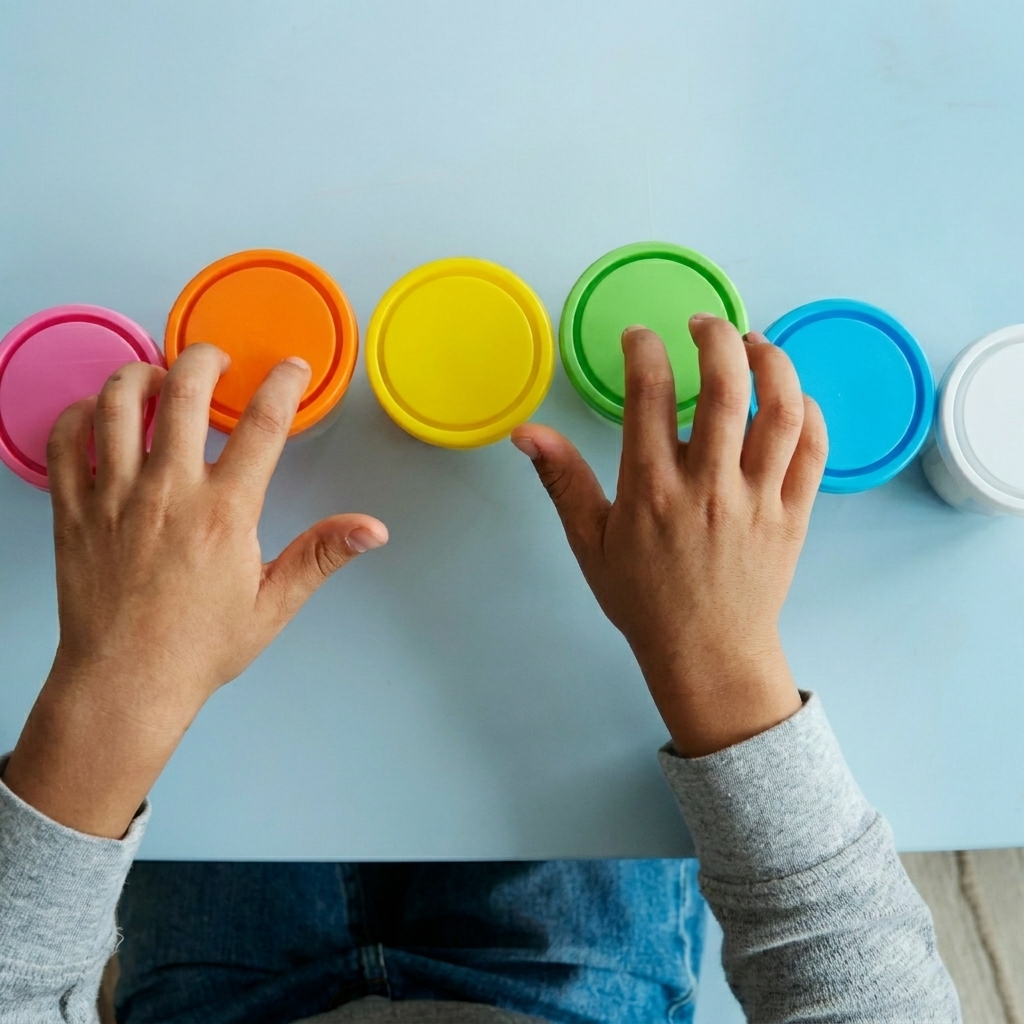
Children learn best through hands-on experiences. A good color mixing experience for children should include:
- Simple instructions
- Safe materials
- Bright visual effects
- Interactive play
- Instant feedback
Now let’s explore the 7 best color games that bring learning to life.
1. Magic Milk Explosion Game
One of the most exciting science experiments for kids.
What Kids Do
They drop food coloring into milk and watch colors move when soap is added.
What They Learn
- Chemical reactions
- Surface tension
- Movement of liquids
Materials
- Milk
- Food coloring
- Dish soap
- Cotton swab
How It Works
Soap breaks fat molecules in milk, causing colors to move rapidly in beautiful patterns.
Learning Value
This game gives a magical color mixing experience for children, turning science into visual excitement.
2. Rainbow Walking Water Game
A classic experiment that looks like magic but is pure science.
What Kids Do
They watch water move between cups using paper towels.
What They Learn
- Capillary action
- Absorption
- Color blending
Materials
- Plastic cups
- Water
- Food coloring
- Paper towels
How It Works
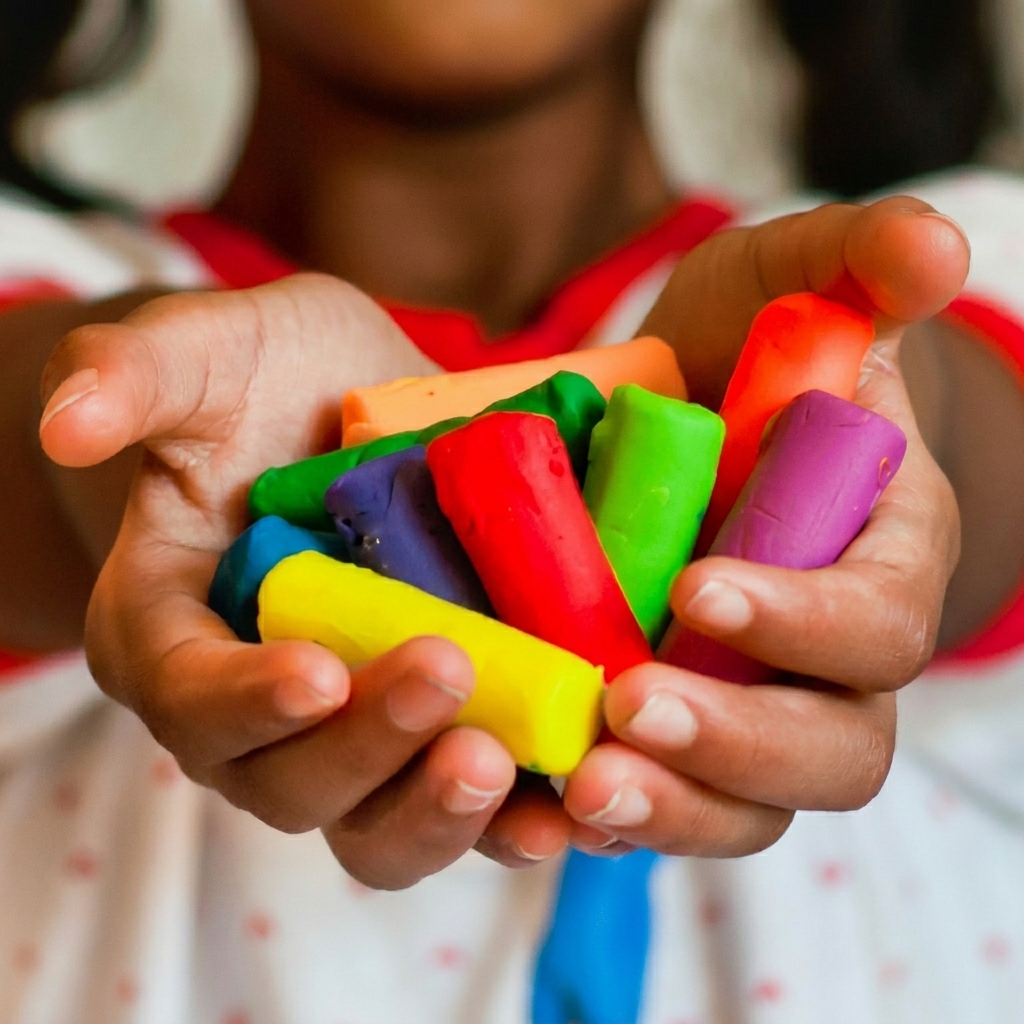
Water travels through fibers, carrying color from one cup to another.
Learning Value
It creates a real-time color mixing experience for children through movement and patience.
3. Finger Paint Mixing Game
A sensory-rich activity children love.
What Kids Do
They mix colors using their hands on paper.
What They Learn
- Primary and secondary colors
- Sensory exploration
- Creativity
Materials
- Washable paint
- Paper sheets
How It Works
Direct touch allows children to see how colors blend instantly.
Learning Value
It provides a creative color mixing experience for children through art and touch.
4. Color Wheel Spinner Game
A fun optical illusion activity.
What Kids Do
They spin a colored wheel and watch colors blend.
What They Learn
- Light perception
- Visual mixing
- Color theory basics
Materials
- Cardboard
- Markers
- String or stick
How It Works
Fast spinning blends colors in the human eye.
Learning Value
It gives a scientific color mixing experience for children through visual effects.
5. Ice Cube Color Melt Game
A cool and colorful science experiment.
What Kids Do
They watch colored ice melt and mix on a surface.
What They Learn
- Temperature effects
- Diffusion
- Melting process
Materials
- Ice cubes
- Food coloring
- Water
How It Works
As ice melts, colors spread and blend naturally.
Learning Value
It offers a slow, relaxing color mixing experience for children.
6. Color Sorting Challenge Game
A logic-based learning activity.
What Kids Do
They sort colored objects into groups and mix categories.
What They Learn
- Classification
- Organization
- Color relationships
Materials
- Colored toys or blocks
- Bowls or containers
How It Works
Children first separate colors, then explore how they relate.
Learning Value
It builds a structured color mixing experience for children through logic.
7. Balloon Color Surprise Game
A playful and surprising experiment.
What Kids Do
They mix colored liquids inside balloons and observe changes.
What They Learn
- Pressure effects
- Mixing reactions
- Experimentation
Materials
- Transparent balloons
- Colored liquids
- Funnels
How It Works
Squeezing balloons mixes colors in unexpected ways.
Learning Value
It creates an exciting color mixing experience for children full of surprise.
Benefits of Color Mixing Activities
A strong color mixing experience for children helps build:
- Early STEM understanding
- Creativity and imagination
- Scientific curiosity
- Emotional intelligence
- Problem-solving skills
These benefits make color games both fun and educational.
Safety Tips
- Always supervise children
- Use safe, non-toxic materials
- Avoid ingestion
- Clean spills quickly
- Wash hands after activities
Conclusion
Color is more than just something children see it is something they can explore, understand, and create with. A meaningful color mixing experience for children turns everyday play into powerful learning.
Through these 7 fun games, children develop scientific thinking, creativity, and curiosity in a natural and enjoyable way. Learning becomes an adventure, not a task.
By using color as a teaching tool, we help children discover that science is everywhere and it can be beautiful, exciting, and full of imagination.
