
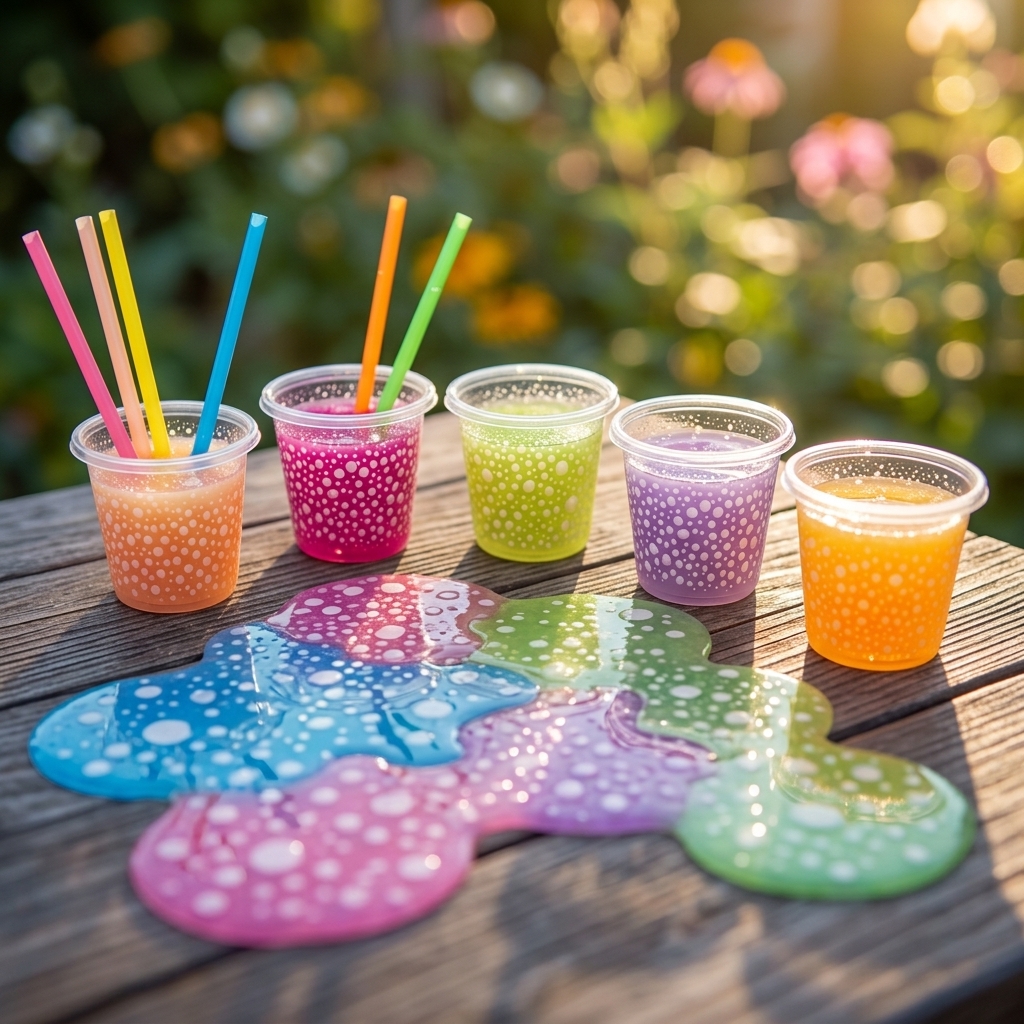
Quick Overview Table
| Topic | Details |
| Focus Keyword | Paint with Bubbles |
| Category | Kids Crafts & Art Activities |
| Difficulty Level | Easy |
| Age Group | 3–12 Years |
| Activity Type | Sensory Art |
| Number of Projects | 5 Colorful Masterpieces |
| Time Required | 20–45 Minutes |
| Materials Needed | Paint, Dish Soap, Water, Straws, Paper |
| Skills Developed | Creativity, Fine Motor Skills, Color Recognition |
| Best Location | Indoor or Outdoor Craft Area |
Introduction
If you’re looking for a fun, colorful, and budget-friendly art activity for children, it’s hard to beat the excitement of Paint with Bubbles. This creative technique combines science, art, and sensory play into one unforgettable experience. Children love watching colorful bubbles grow, float, and burst, leaving behind beautiful patterns that transform simple paper into unique works of art.
Unlike traditional painting, bubble painting introduces an element of surprise. Every bubble creates a different design, making each masterpiece completely unique. This unpredictability encourages children to experiment, explore color combinations, and embrace creativity without worrying about perfection.
Parents, teachers, and camp leaders appreciate bubble painting because it requires inexpensive materials and offers educational benefits. Kids learn about color mixing, observation, cause and effect, and artistic expression while having fun.
Whether you’re planning a rainy-day activity, classroom project, birthday party craft, or summer camp art station, Paint with Bubbles is a fantastic choice. In this guide, you’ll learn how to prepare bubble paint, discover five exciting masterpiece ideas, and explore the educational benefits that make this activity so popular.
Let’s dive into the colorful world of bubble art!
What Is Bubble Painting?
Bubble painting is an art technique that uses colorful soap bubbles instead of paintbrushes.
Children blow bubbles made from paint and soap mixtures. The bubbles are then transferred onto paper, creating beautiful circular patterns and abstract designs.
The process combines:
- Art
- Science
- Creativity
- Sensory exploration
Each print looks different, which makes the activity especially exciting.
Why Kids Love to Paint with Bubbles
There are many reasons why Paint with Bubbles has become a favorite activity.
It’s Fun
Children naturally enjoy bubbles.
It’s Colorful
Bright paint colors create eye-catching artwork.
It’s Interactive
Kids actively participate in creating the bubbles.
It’s Surprising
Every bubble burst creates a new pattern.
It’s Easy
Even young children can succeed.
Because there are no strict rules, children feel free to experiment and create.
Materials You’ll Need
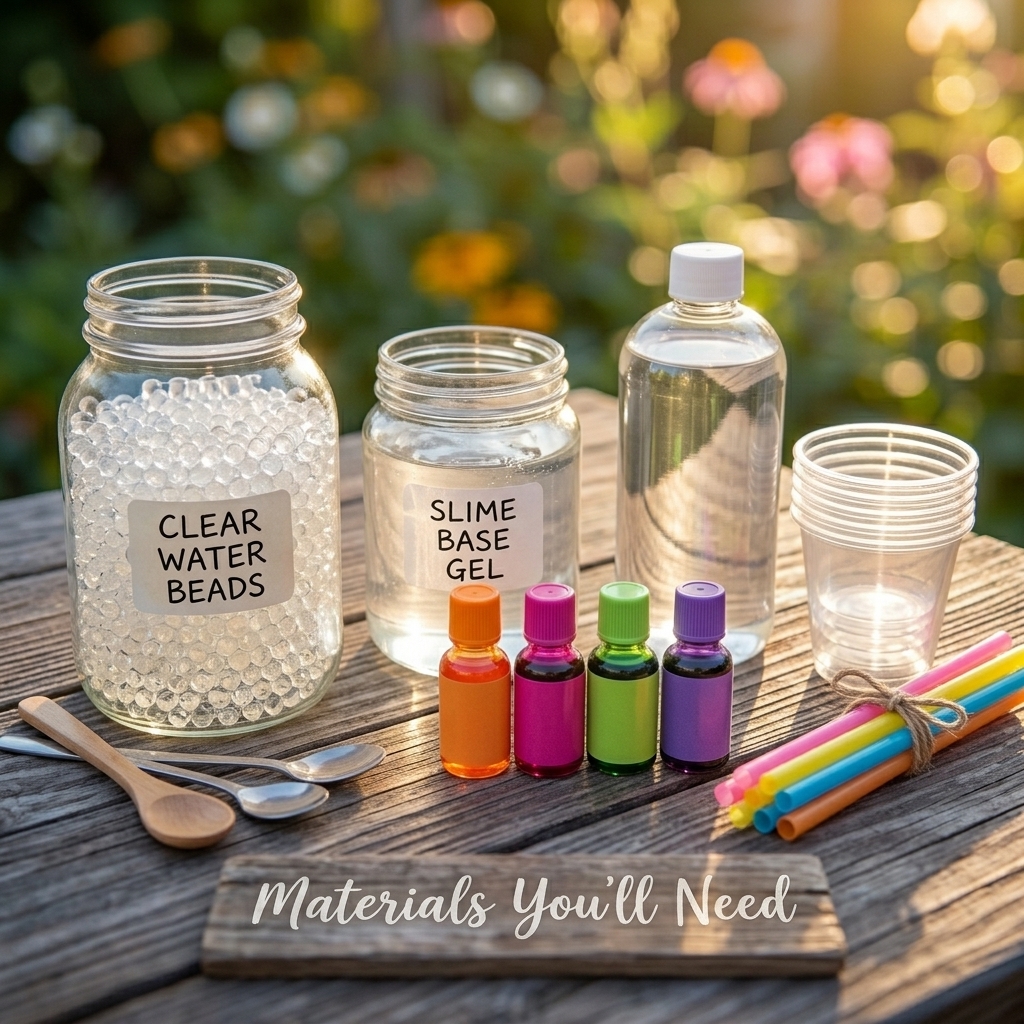
One of the best things about Paint with Bubbles is its simplicity.
Basic Supplies
- Washable paint
- Dish soap
- Water
- Plastic cups
- Drinking straws
- Thick white paper
- Protective table cover
Optional Supplies
- Cardstock
- Watercolor paper
- Glitter
- Stickers
- Googly eyes
- Markers
Most of these materials are inexpensive and easy to find.
How to Make Bubble Paint
Before creating masterpieces, you’ll need to prepare your bubble mixture.
Step 1: Prepare Cups
Fill several cups with a small amount of water.
Step 2: Add Paint
Add washable paint to each cup.
Step 3: Add Dish Soap
Mix in a small amount of dish soap.
Step 4: Stir Carefully
Combine ingredients gently.
Step 5: Insert Straws
Place a straw in each cup.
Your bubble paint is now ready.
Important Safety Tip
Always remind children:
Blow OUT through the straw.
Never suck IN.
Adult supervision is recommended, especially for younger children.
The Science Behind Bubble Painting
Paint with Bubbles is more than just art.
It also teaches science concepts.
Surface Tension
Soap changes the surface tension of water.
Air Pressure
Blowing air creates expanding bubbles.
Color Mixing
Different paint colors combine to create new shades.
Observation Skills
Children notice patterns and effects.
This makes bubble painting an excellent STEM activity.
Masterpiece 1: Rainbow Bubble Art
One of the most popular Paint with Bubbles projects is rainbow art.
Materials
- Red bubble paint
- Orange bubble paint
- Yellow bubble paint
- Green bubble paint
- Blue bubble paint
- Purple bubble paint
Instructions
- Blow bubbles in each color.
- Place paper over the bubbles.
- Repeat using different colors.
- Layer prints to create a rainbow effect.
Benefits
- Teaches color recognition
- Introduces rainbow order
- Creates vibrant artwork
The final result is bright and cheerful.
Masterpiece 2: Underwater Ocean Scene
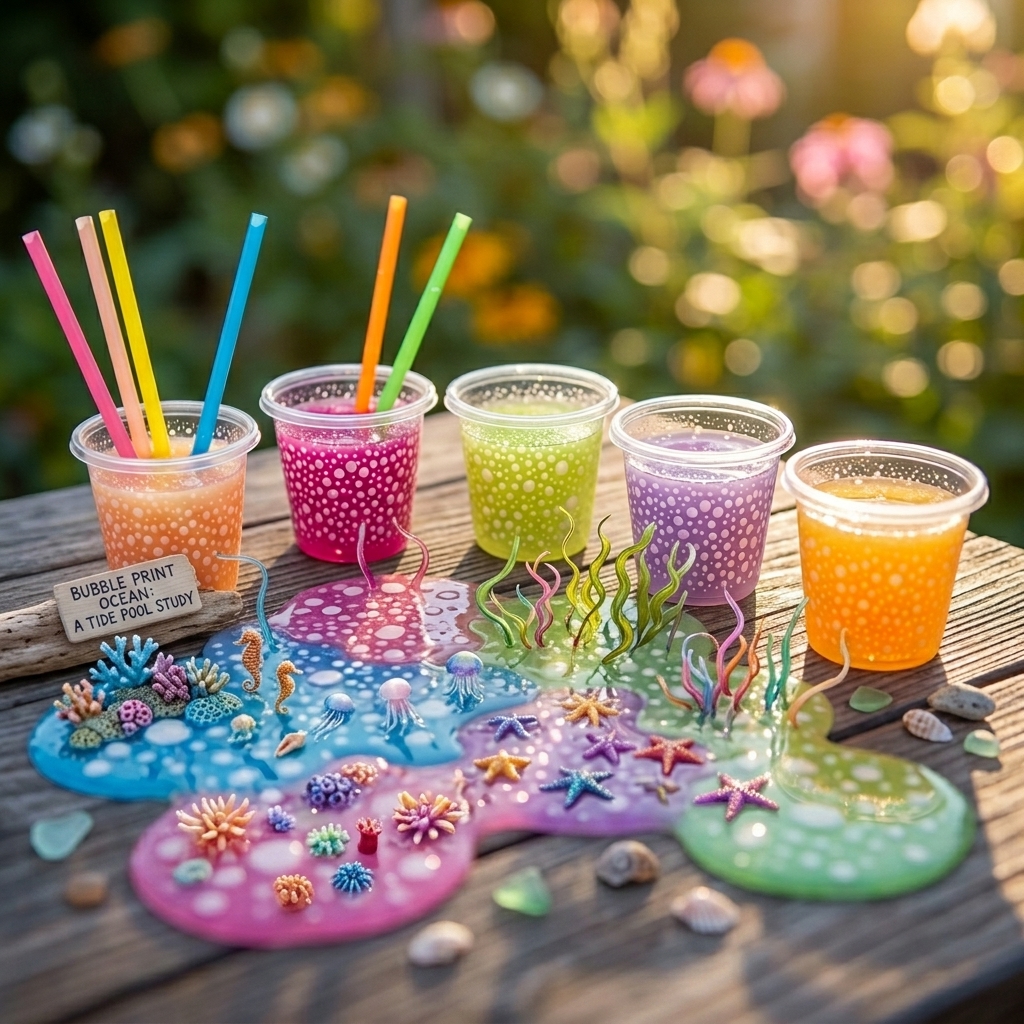
Transform bubble prints into ocean-themed artwork.
Step 1
Create blue and turquoise bubble prints.
Step 2
Allow the paper to dry.
Step 3
Add details using markers.
Draw:
- Fish
- Sea turtles
- Coral reefs
- Starfish
Step 4
Decorate with stickers if desired.
The bubble patterns resemble ocean water beautifully.
Masterpiece 3: Bubble Flower Garden
Bubble prints make wonderful flower petals.
Instructions
- Create colorful bubble circles.
- Allow them to dry.
- Draw stems and leaves.
- Add butterflies and insects.
Learning Benefits
- Encourages creativity
- Supports nature-themed learning
- Develops drawing skills
Each flower garden looks completely unique.
Masterpiece 4: Galaxy Bubble Art
This project combines science and imagination.
Colors to Use
- Dark blue
- Purple
- Black
- Silver
Instructions
- Layer bubble prints.
- Allow colors to overlap.
- Add white paint splatters for stars.
- Draw planets and rockets.
Result
A stunning cosmic masterpiece.
Children love imagining space adventures while creating this project.
Masterpiece 5: Bubble Animal Creations
Turn bubble prints into adorable animals.
Ideas Include
- Owls
- Caterpillars
- Fish
- Sheep
- Ladybugs
Instructions
- Create bubble circles.
- Let them dry.
- Add eyes and details.
- Draw legs, wings, or tails.
Why Kids Love It
They can personalize their creatures and invent stories about them.
Tips for Better Bubble Paintings
To get the best results, follow these helpful tips.
Use Thick Paper
Thicker paper handles moisture better.
Experiment with Colors
Try unusual color combinations.
Layer Bubble Prints
Multiple layers create depth.
Allow Drying Time
Avoid smudging fresh prints.
Use Washable Paint
Cleanup becomes much easier.
These small adjustments greatly improve the finished artwork.
Educational Benefits of Paint with Bubbles
Bubble painting offers numerous developmental advantages.
Fine Motor Skills
Blowing bubbles strengthens mouth and hand coordination.
Creativity
Children explore ideas freely.
Science Learning
The activity introduces basic physics concepts.
Color Recognition
Kids identify and combine colors.
Concentration
Bubble painting encourages focus and patience.
These benefits make Paint with Bubbles valuable both at home and in classrooms.
How Teachers Can Use Bubble Painting
Teachers often include bubble painting in lesson plans.
Art Lessons
Students create creative masterpieces.
Science Lessons
Teachers explain bubble formation.
Color Theory Activities
Children explore color mixing.
Seasonal Projects
Bubble art can fit many themes.
For example:
- Spring flowers
- Summer oceans
- Autumn leaves
- Winter snow scenes
Party and Group Activity Ideas
Paint with Bubbles works well for group settings.
Birthday Parties
Create bubble painting stations.
Summer Camps
Organize bubble art competitions.
School Events
Display finished artwork on walls.
Family Gatherings
Encourage collaborative murals.
Large groups enjoy seeing everyone’s unique creations.
Common Mistakes to Avoid
Too Much Water
Dilutes colors and weakens prints.
Too Little Soap
Reduces bubble production.
Thin Paper
May tear or wrinkle.
Rushing the Process
Allow bubbles to grow before printing.
Mixing All Colors Together
Can create muddy-looking artwork.
Avoiding these mistakes improves results significantly.
Creative Variations
Once children master the basics, try new versions.
Glitter Bubble Art
Add fine glitter for sparkle.
Neon Bubble Paint
Use bright fluorescent paints.
Glow-in-the-Dark Bubble Art
Perfect for themed events.
Seasonal Bubble Art
Create holiday decorations using themed colors.
Collaborative Murals
Large groups work together on one giant masterpiece.
These variations keep the activity fresh and exciting.
Why Bubble Painting Encourages Creativity
Traditional art sometimes feels intimidating because children worry about making mistakes.
Bubble painting changes that.
Because every print is random:
- There is no right or wrong
- Every artwork is unique
- Experimentation is encouraged
- Creativity feels natural
This freedom helps build artistic confidence.
Frequently Asked Questions
What Age Is Best for Bubble Painting?
Children ages 3 and older can enjoy Paint with Bubbles with supervision.
Can Bubble Painting Be Done Indoors?
Yes, but protect surfaces from paint spills.
Is Bubble Paint Safe?
Use non-toxic, washable paints and supervise children.
How Long Does It Take?
Most projects take 20–45 minutes.
Can Adults Participate?
Absolutely! Many adults enjoy bubble painting as well.
Conclusion
Paint with Bubbles is one of the most enjoyable and creative art activities for children. It combines colorful experimentation, scientific discovery, and artistic expression into a single hands-on experience. With just a few inexpensive supplies, kids can create beautiful works of art while learning valuable skills.
The five colorful masterpieces featured in this guide—Rainbow Bubble Art, Underwater Ocean Scenes, Bubble Flower Gardens, Galaxy Creations, and Bubble Animals—offer endless opportunities for imagination and exploration.
Whether you’re a parent searching for a fun weekend activity, a teacher planning a classroom lesson, or a camp leader organizing creative projects, Paint with Bubbles is an easy and rewarding choice. Every bubble burst creates a new surprise, turning simple materials into unforgettable artistic adventures.
Gather your supplies, mix your bubble paint, and start creating colorful masterpieces today!
