Quick Summary Table
| Feature | Details |
| Topic | 100 Easy Science Activities for Preschoolers |
| Keyword | 100 Easy Science Activities for Preschoolers |
| Category | Preschool STEM Learning |
| Difficulty Level | Very Easy |
| Age Group | 3–6 Years |
| Time Required | 5–30 Minutes per Activity |
| Learning Focus | Science, Observation, Early STEM Skills |
| Materials | Household & Classroom Items |
| Teaching Style | Hands-on, Play-Based Learning |
| Number of Core Ideas | 10 STEM Activity Groups |
Introduction
100 Easy Science Activities for Preschoolers is a concept designed to introduce young children to the world of science in a fun, simple, and engaging way. At the preschool level, children learn best through play, exploration, and hands-on experiences rather than formal instruction. Science activities at this age are not about memorizing facts but about discovering how the world works.
Preschoolers are naturally curious. They ask questions like “Why does it rain?”, “What floats?”, or “Why do colors mix?” These questions are the foundation of scientific thinking. By providing easy science activities, parents and teachers can help children develop observation skills, curiosity, problem-solving abilities, and early STEM understanding.
The beauty of these activities is that they require minimal materials. Most can be done using items found at home or in the classroom. Simple experiments such as mixing colors, watching objects float, or exploring magnets can create powerful learning moments.
In this guide, we will explore 10 fun STEM idea groups that represent the foundation of 100 Easy Science Activities for Preschoolers. Each category includes multiple variations, allowing children to explore science in different creative ways.
Why Early STEM Learning Matters
Early science education builds the foundation for lifelong learning.
Builds Curiosity
Children learn to ask “why” and “how” questions.
Encourages Exploration
Kids discover answers through hands-on experiences.
Develops Critical Thinking
They begin comparing, predicting, and analyzing.
Improves Motor Skills
Activities like pouring, mixing, and building strengthen coordination.
Boosts Confidence
Successful experiments encourage independence and self-belief.
STEM Idea 1: Water Exploration Activities
Water is one of the best tools for preschool science.
Activities Include:
- Sink or float tests
- Water pouring stations
- Sponge absorption experiments
- Ice melting observations
Example Experiment: Sink or Float
Children place different objects in water and predict outcomes.
Learning Concept:
- Density (basic level)
- Observation skills
Why It Works:
Children love guessing and seeing immediate results.
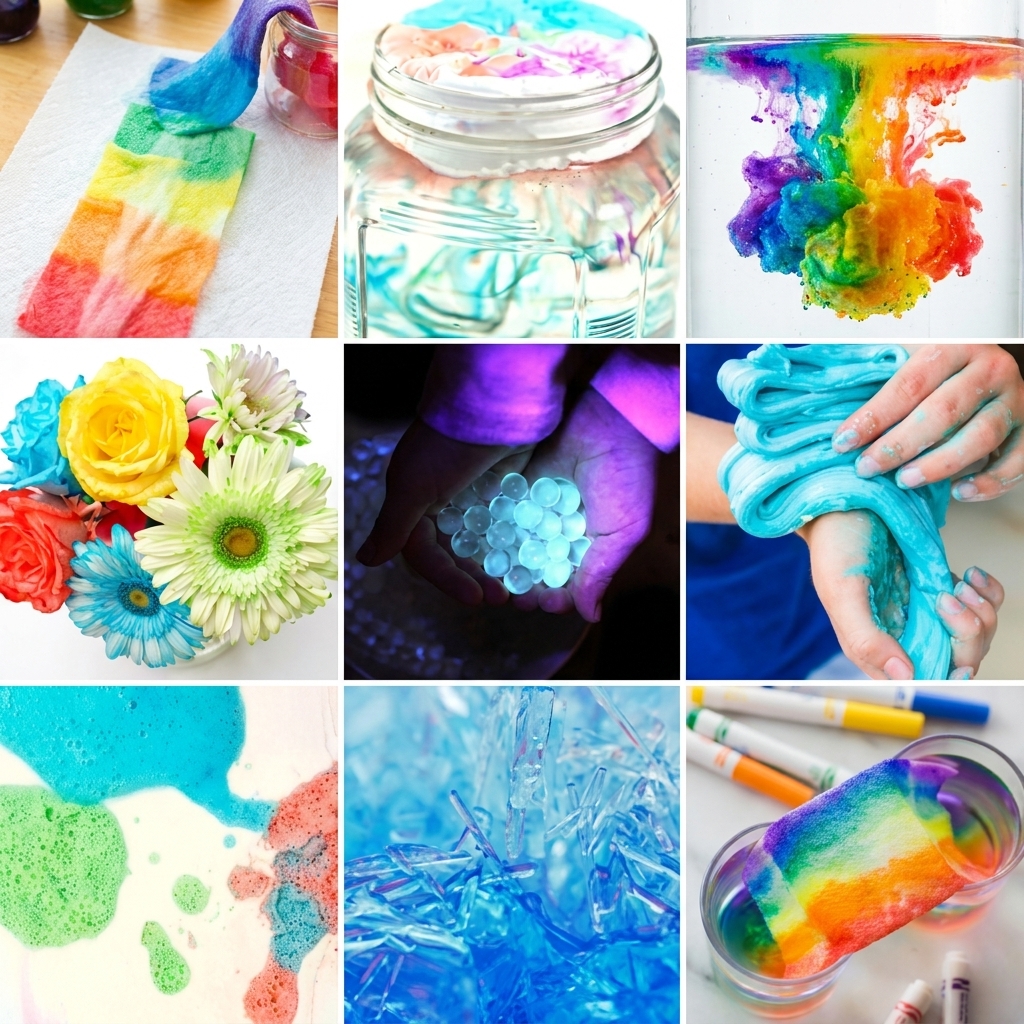
STEM Idea 2: Color Mixing Science
Color experiments are visually exciting for preschoolers.
Activities Include:
- Mixing primary colors
- Color-changing milk experiment
- Rainbow paper towel walk
- Paint blending play
Example Experiment: Magic Color Mixing
Red, blue, and yellow colors are mixed to create new shades.
Learning Concept:
- Primary and secondary colors
- Visual observation
Why It Works:
Bright colors attract attention and encourage creativity.
STEM Idea 3: Nature Exploration Science
Outdoor learning connects children with the environment.
Activities Include:
- Leaf collecting
- Bug observation
- Flower comparison
- Weather tracking
Example Experiment: Leaf Hunt
Children collect different leaves and compare shapes.
Learning Concept:
- Nature classification
- Observation skills
Why It Works:
Children enjoy exploring the outdoors freely.
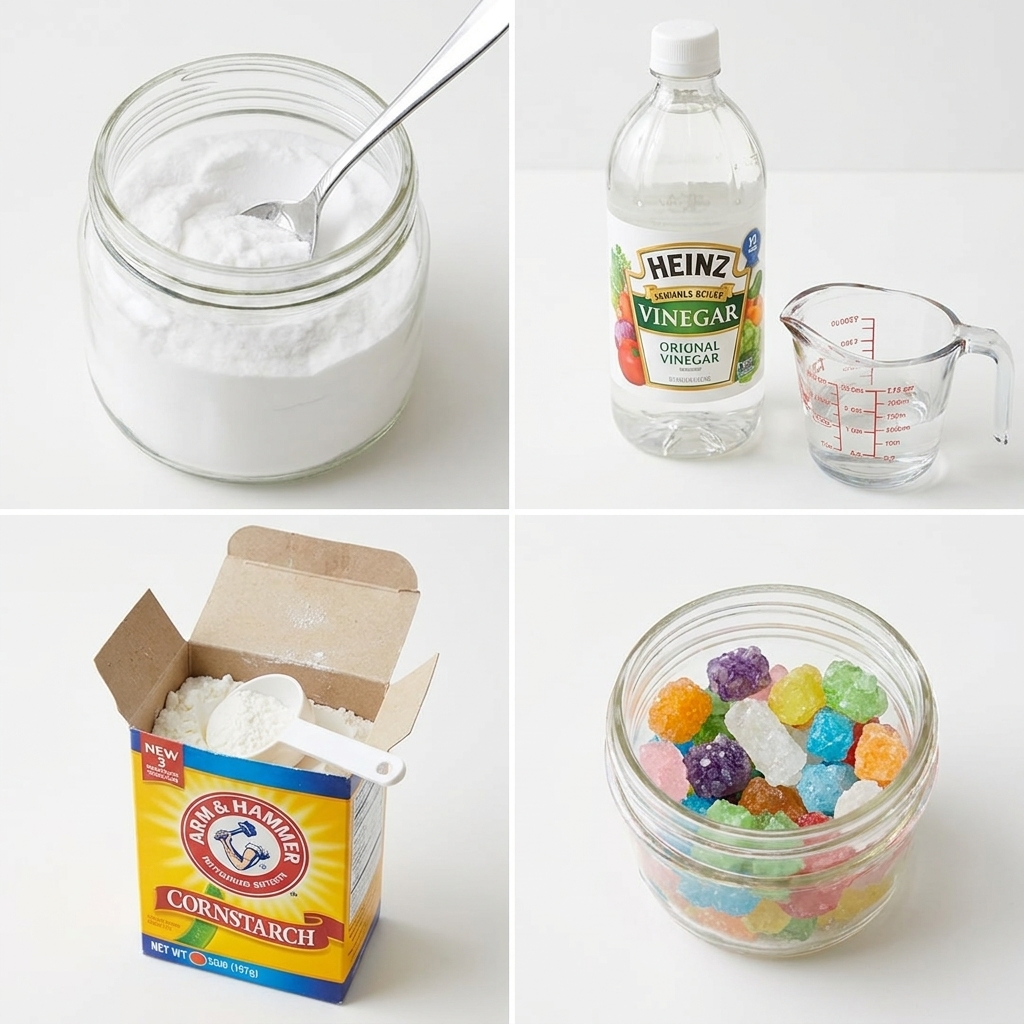
STEM Idea 4: Simple Chemistry Reactions
Even preschoolers can enjoy basic chemistry.
Activities Include:
- Baking soda and vinegar reaction
- Color fizz experiments
- Balloon inflation with reactions
Example Experiment: Fizzing Volcano
Baking soda reacts with vinegar to create bubbles.
Learning Concept:
- Chemical reactions
- Gas formation
Why It Works:
Fizzy reactions feel magical and exciting.
STEM Idea 5: Magnet Exploration
Magnets are fascinating for young learners.
Activities Include:
- Magnetic object sorting
- Magnet fishing games
- Paper clip races
Example Experiment: Magnetic Hunt
Children search for magnetic objects around the room.
Learning Concept:
- Attraction and repulsion
- Material properties
Why It Works:
Hands-on discovery keeps children engaged.
STEM Idea 6: Air and Wind Experiments
Air is invisible but powerful.
Activities Include:
- Balloon blowing races
- Wind sock creation
- Straw blowing games
Example Experiment: Balloon Rocket
A balloon moves along a string when released.
Learning Concept:
- Air pressure
- Motion
Why It Works:
Fast movement excites preschoolers.
STEM Idea 7: Simple Engineering Builds
Building helps develop problem-solving skills.
Activities Include:
- Block towers
- Cardboard structures
- Cup stacking challenges
Example Experiment: Tallest Tower
Children build the highest structure possible.
Learning Concept:
- Balance
- Stability
Why It Works:
Kids enjoy building and knocking things down.
STEM Idea 8: Sound and Vibration Experiments
Sound science is fun and interactive.
Activities Include:
- Rubber band instruments
- Drums from containers
- Straw whistles
Example Experiment: Sound Vibration Test
Children feel vibrations while making sound.
Learning Concept:
- Sound waves
- Vibration
Why It Works:
Children can hear and feel results.
STEM Idea 9: Light and Shadow Play
Light experiments are simple but powerful.
Activities Include:
- Shadow tracing
- Flashlight exploration
- Color filters
Example Experiment: Shadow Shapes
Children create shapes using hands and light.
Learning Concept:
- Light travel
- Shadow formation
Why It Works:
It feels like storytelling with science.
STEM Idea 10: Everyday Household Science
Daily objects become science tools.
Activities Include:
- Soap bubble experiments
- Paper towel absorption
- Kitchen mixing tests
Example Experiment: Bubble Fun
Children explore why bubbles form and pop.
Learning Concept:
- Surface tension
- Air and liquid interaction
Why It Works:
Bubbles are always fun and surprising.
How These 10 Ideas Become 100 Activities
Each STEM category can be expanded into multiple variations:
- Change materials
- Adjust difficulty
- Add storytelling
- Introduce challenges
- Compare results
For example:
- Water play → 10+ variations
- Color mixing → 10+ combinations
- Magnet games → multiple challenges
Together, these create 100 Easy Science Activities for Preschoolers.
Benefits of Preschool Science Activities
Builds Early STEM Skills
Children begin understanding basic scientific ideas.
Encourages Creativity
Open-ended experiments inspire imagination.
Supports Language Development
Kids learn new science vocabulary.
Improves Focus
Hands-on play increases attention span.
Strengthens Parent-Child Bonding
Activities are fun to do together.
Tips for Teaching Preschool Science
Keep It Simple
Avoid complicated explanations.
Focus on Fun
Learning should feel like play.
Encourage Questions
Let children explore freely.
Repeat Activities
Repetition builds understanding.
Use Everyday Materials
No expensive tools needed.
Safety Guidelines
- Always supervise children
- Use non-toxic materials
- Avoid small choking hazards
- Clean up after experiments
- Keep activities age-appropriate
Conclusion
100 Easy Science Activities for Preschoolers is more than just a collection of experiments—it is a pathway to curiosity, creativity, and lifelong learning. By using simple STEM ideas such as water play, color mixing, magnet exploration, and building activities, young children can explore science in a joyful and meaningful way.
These 10 STEM idea groups can easily expand into 100 hands-on activities, making science accessible, fun, and educational for every preschooler. When children learn through play, they not only understand science better but also develop a love for discovery that lasts a lifetime.
