
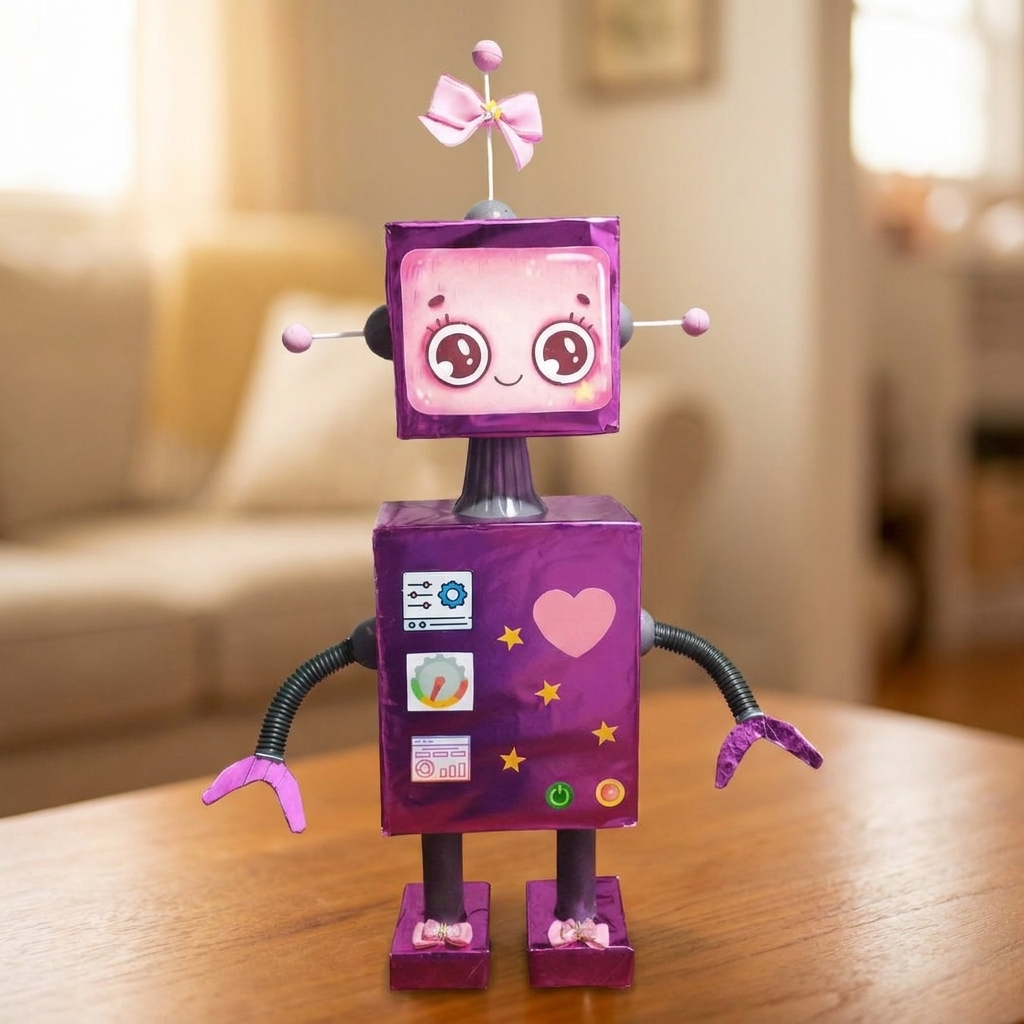
Building a robot from recycled materials is one of the most exciting and meaningful STEM activities for children today. In a world where technology and environmental awareness are becoming increasingly important, this hands-on project connects both ideas in a fun and creative way.
Instead of using expensive kits or advanced electronics, children can transform everyday waste—such as cardboard boxes, plastic bottles, bottle caps, and old batteries—into imaginative robot creations. This approach not only reduces waste but also teaches children how innovation can begin with simple, accessible materials.
Kids naturally love robots. They are fascinated by machines that move, think, and sometimes even mimic human behavior. When children realize they can build their own robot using recycled materials, their curiosity turns into excitement and creativity.
This essay explores why children love this activity, how it supports learning, and how it helps develop essential skills for the future.
Quick Overview Table
| Feature | Details |
| Project Name | Building a Robot from Recycled Materials |
| Activity Type | STEM + Art DIY Project |
| Difficulty Level | Easy to Moderate |
| Age Range | 6–13 Years |
| Time Required | 1–3 Hours |
| Materials | Cardboard, bottles, caps, glue, tape, wires |
| Learning Areas | Engineering, Recycling, Creativity |
| Skills Developed | Problem-solving, design thinking |
| Cost | Very Low |
| Fun Level | Very High |
What Does Building a Robot from Recycled Materials Mean?
Building a robot from recycled materials means using discarded or unused household items to create a robot model. These robots may not always be functional in the traditional sense, but they often include movable parts, decorative designs, or simple circuits.
Children can use:
- Cardboard boxes for the body
- Plastic bottles for arms and legs
- Bottle caps for wheels or eyes
- Old wires for decoration
- Paper and foil for design details
The goal is not perfection but creativity, learning, and environmental awareness.
This activity introduces children to the concept that “trash can become treasure.”
Why Kids Love Building a Robot from Recycled Materials
1. It Turns Trash into Something Amazing
Children are naturally curious about transformation. One of the most exciting parts of this activity is watching ordinary waste turn into something new and exciting.
A cardboard box becomes a robot head. Plastic bottles become arms. Bottle caps become glowing eyes.
This transformation creates a sense of magic and achievement that keeps children engaged from start to finish.
They feel like inventors discovering something new.
2. It Feels Like Real Engineering
Kids love activities that make them feel like adults doing real-world jobs. Building a robot from recycled materials introduces them to basic engineering principles such as structure, balance, and design.
They learn how to:
- Connect different materials
- Build stable structures
- Design moving parts
- Solve construction problems
Even without complex tools, they experience what engineers do every day.
This sense of “real work” makes the activity more meaningful and exciting.
3. It Encourages Creativity Without Limits
There is no single correct way to build a recycled robot. This freedom allows children to explore endless creative possibilities.
Some kids design friendly robots, while others create futuristic machines or funny characters.
They can customize:
- Colors
- Shapes
- Faces
- Arms and legs
- Accessories
This open-ended structure encourages imagination and self-expression.
Every robot becomes unique, reflecting the child’s personality.
4. It Teaches Environmental Responsibility
One of the most important benefits of building a robot from recycled materials is learning about recycling and sustainability.
Children begin to understand:
- How waste is produced
- Why recycling matters
- How materials can be reused
- The importance of protecting the environment
Instead of seeing trash as useless, they start viewing it as a resource.
This shift in mindset is powerful and long-lasting.
It helps build environmentally conscious future citizens.
5. It Makes Learning Hands-On and Fun
Traditional learning can sometimes feel abstract. This project brings science and engineering to life.
Children are not just reading or listening—they are doing.
They measure, cut, glue, test, and adjust. This active learning improves understanding and memory retention.
When kids physically build something, the knowledge becomes real.
This is why STEM activities like this are so effective.
Materials Needed
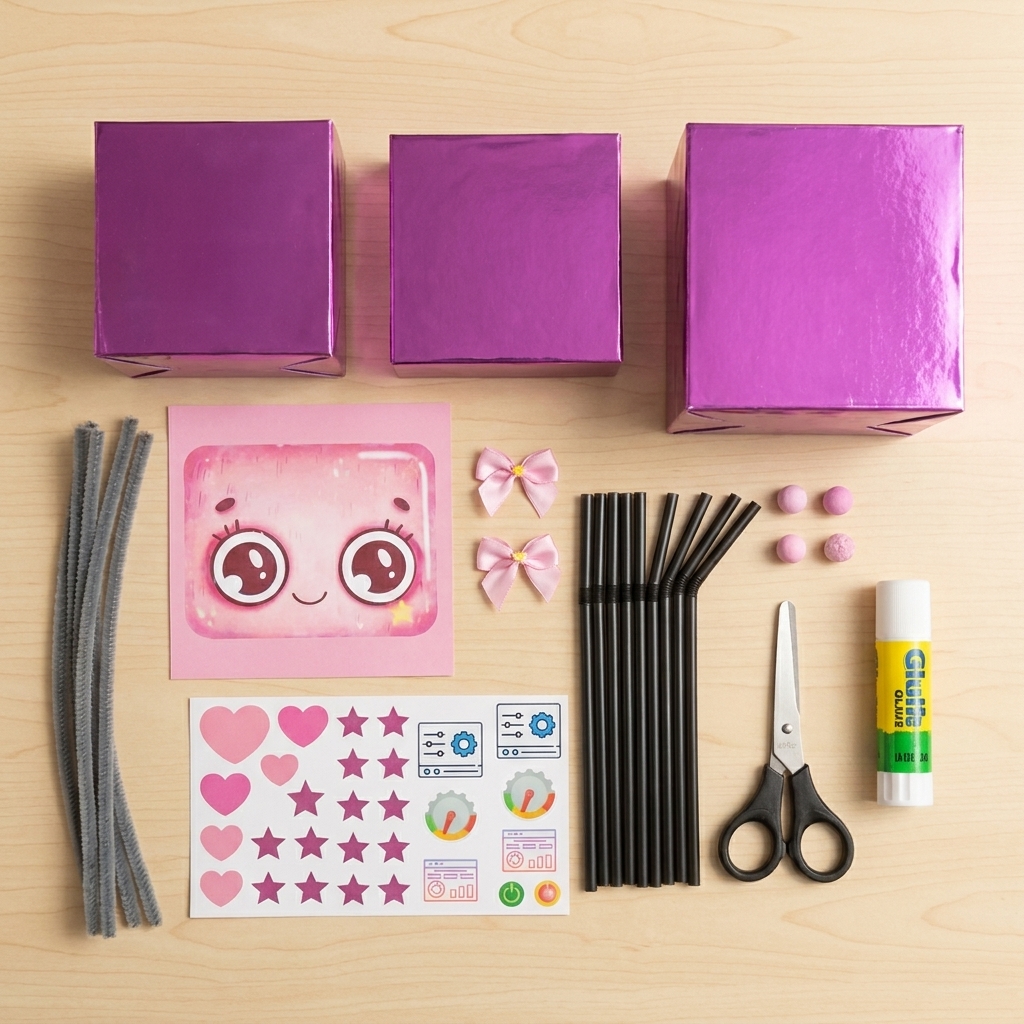
One of the best things about building a robot from recycled materials is that it requires almost no expensive supplies.
Common materials include:
- Cardboard boxes
- Plastic bottles
- Aluminum foil
- Bottle caps
- Straws
- Glue or tape
- Scissors (child-safe)
- Markers and paint
- Old electronic parts (optional)
These materials are easy to collect at home or in the classroom.
Step-by-Step Process
Step 1: Design the Robot
Children start by drawing a simple sketch of their robot.
They decide:
- Shape
- Size
- Features
- Function
This step introduces planning and design thinking.
Step 2: Build the Body
Using cardboard or boxes, children construct the main structure of the robot.
This forms the base for all other parts.
Step 3: Add Arms and Legs
Plastic bottles, straws, or rolled paper can be used for limbs.
Kids attach them using glue or tape.
Step 4: Create the Face
Bottle caps or paper circles can be used for eyes.
Markers and foil add detail and personality.
Step 5: Decorate the Robot
Children personalize their robot using colors, stickers, or creative patterns.
This is often their favorite part.
Step 6: Test Stability
They check if the robot stands properly and adjust as needed.
This introduces basic problem-solving skills.
Educational Benefits
STEM Learning
This project introduces core STEM concepts:
- Science: materials and properties
- Technology: simple mechanisms
- Engineering: structure and design
- Mathematics: measurement and proportion
Problem-Solving Skills
Children constantly make decisions:
- How to attach parts
- How to balance the structure
- How to fix mistakes
These challenges strengthen critical thinking.
Fine Motor Skills
Cutting, gluing, and assembling improve coordination and precision.
Teamwork and Communication
When done in groups, children learn how to:
- Share ideas
- Divide tasks
- Solve problems together
How Teachers Can Use This Activity
Teachers can integrate building a robot from recycled materials into lessons about:
- Environmental science
- Engineering basics
- Creative arts
- Sustainability
It works well as:
- Classroom project
- Science fair activity
- Group competition
- Homework assignment
Teachers can also encourage storytelling by asking students to describe what their robot does.
How Parents Can Support the Activity
Parents can enhance the experience by:
- Helping collect recycled materials
- Asking creative questions
- Encouraging experimentation
- Displaying finished robots at home
This support boosts confidence and engagement.
Common Challenges and Solutions
Robot Falls Over
Use a stronger base or add weight at the bottom.
Parts Don’t Stick
Try stronger glue or tape.
Design Feels Difficult
Start with a simpler design and gradually add details.
Lack of Materials
Use alternative household items creatively.
Creative Variations
Children can expand the project by creating:
- Dancing robots
- Animal robots
- Space robots
- Superhero robots
- Mini robot families
Each variation adds more fun and creativity.
Long-Term Impact
Building a robot from recycled materials is more than a craft project. It builds:
- Environmental awareness
- Innovation skills
- Confidence
- Creativity
- Scientific curiosity
These skills are valuable for future learning and careers.
Many engineers and inventors began their journey with simple creative projects like this.
Conclusion
Building a robot from recycled materials is a powerful combination of education, creativity, and environmental responsibility. Children love it because it allows them to transform everyday waste into imaginative creations while learning real STEM concepts.
This activity encourages problem-solving, teamwork, and innovation while promoting sustainability. It shows children that science is not limited to textbooks—it is something they can touch, build, and enjoy.
By turning trash into robots, kids not only create something fun but also develop a deeper understanding of the world around them. That is why so many children love this project—and why it continues to inspire young minds everywhere.
