
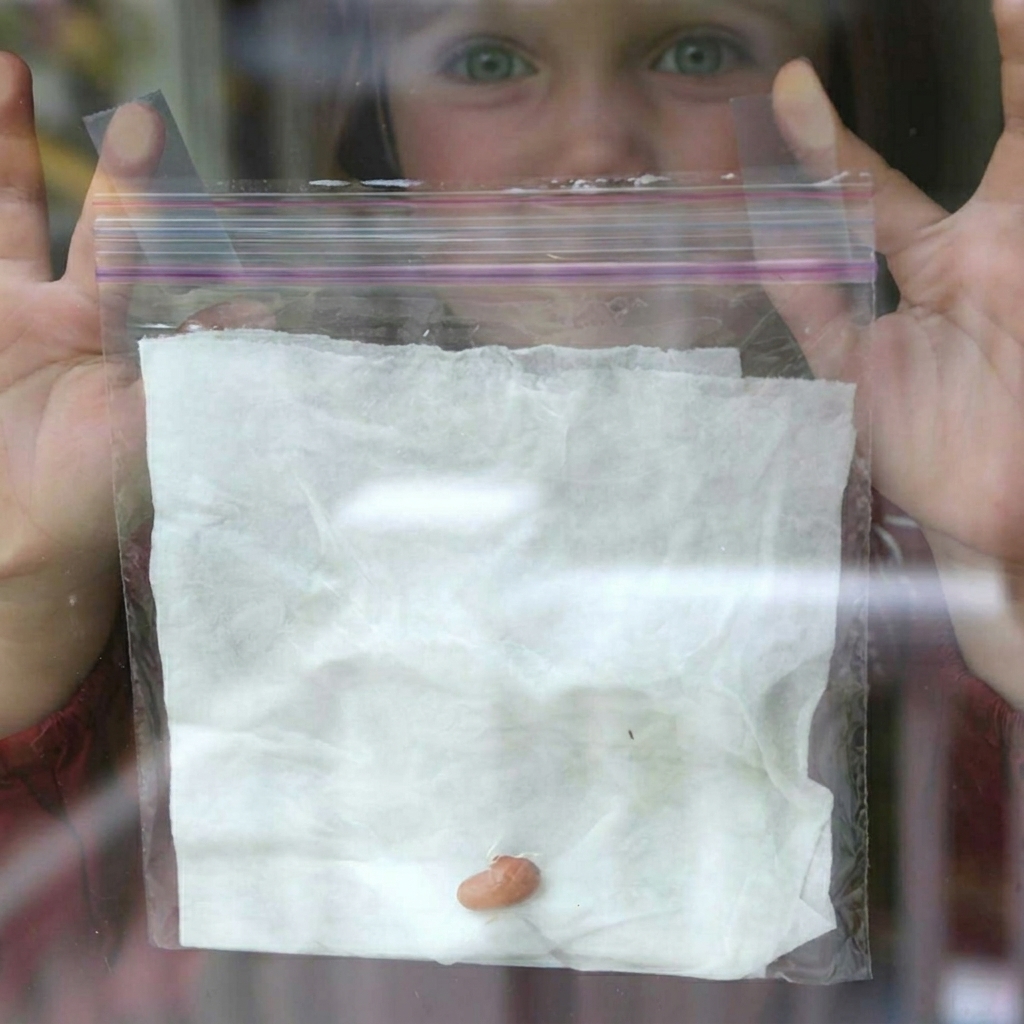
The experiment of sprouting beans inside a transparent bag is one of the easiest and most fascinating science activities for children. It allows kids to observe plant growth up close while learning important lessons about nature, biology, and the life cycle of plants. Unlike traditional gardening, where seeds are hidden beneath soil, this experiment provides a clear view of every stage of germination. Children can watch roots emerge, stems develop, and leaves unfold right before their eyes.
Parents and teachers often look for educational activities that are simple, affordable, and engaging. The experiment of sprouting beans inside a transparent bag meets all these requirements. It requires only a few household materials and delivers valuable learning experiences that children remember for years.
What makes this activity especially exciting is that it transforms a scientific concept into a visual adventure. Kids become eager to check their bean seeds every day, recording changes and celebrating each new stage of growth. This sense of discovery is one of the main reasons children love the experiment.
In this article, we will explore how the experiment works, the educational benefits it provides, and the five reasons kids find it so enjoyable.
Quick Summary Table
| Topic | Details |
| Experiment Name | Experiment of Sprouting Beans Inside a Transparent Bag |
| Main Subject | Plant Growth and Germination |
| Difficulty Level | Easy |
| Recommended Age | 5+ Years |
| Materials Needed | Beans, transparent bag, paper towel, water |
| Learning Areas | Biology, observation, science |
| Time Required | 7–14 Days |
| Cost | Very Low |
| STEM Value | High |
| Fun Factor | Excellent |
What Is the Experiment of Sprouting Beans Inside a Transparent Bag?
The experiment of sprouting beans inside a transparent bag is a simple method for observing seed germination. Instead of planting seeds in soil, children place bean seeds inside a clear plastic bag with a moist paper towel.
Because the bag is transparent, every stage of development becomes visible.
Children can watch:
- The seed absorb water
- The outer seed coat soften
- Roots begin to emerge
- Stems start growing
- Leaves appear
This direct observation helps children understand how plants develop from seeds.
The experiment is often used in schools because it combines science education with hands-on learning.
Why Kids Love This Experiment
There are many reasons children enjoy this activity, but five stand out above the rest.
1. They Can See the Entire Process
One of the biggest challenges when teaching plant growth is that much of it happens underground.
When seeds are planted in soil, children must wait and guess what is happening beneath the surface.
The experiment of sprouting beans inside a transparent bag removes that mystery.
Kids can clearly observe:
- Root development
- Stem growth
- Leaf formation
Watching these changes happen day by day feels like witnessing nature’s secrets unfold.
This visual experience keeps children engaged throughout the experiment.
2. It Feels Like a Scientific Discovery
Children naturally enjoy exploring and discovering new things.
Every morning brings something different:
- Longer roots
- Taller stems
- New leaves
The experiment turns kids into young scientists.
Many children enjoy keeping observation journals where they record daily changes.
This creates excitement and encourages curiosity.
The feeling of making discoveries motivates children to continue learning.
3. It Is Easy and Successful
Some science experiments require special equipment or complex procedures.
The experiment of sprouting beans inside a transparent bag is different.
It requires only a few simple materials:
- Bean seeds
- Water
- Paper towel
- Transparent bag
Because the setup is simple, most children achieve successful results.
Seeing the seeds sprout gives children confidence and a sense of accomplishment.
Success encourages a positive attitude toward science and learning.
4. It Connects Children with Nature
Modern children spend much of their time indoors using technology.
This experiment provides an opportunity to connect with the natural world.
Kids learn:
- How plants begin life
- Why plants need water
- How roots function
- Why sunlight matters
Understanding these concepts helps children appreciate the environment.
The experiment creates a personal connection between children and the plants they observe.
5. It Encourages Responsibility
Once the experiment begins, children must care for their growing seeds.
They need to:
- Check moisture levels
- Observe growth
- Record changes
- Keep the bag in a suitable location
These responsibilities teach valuable life skills.
Children learn that living things require care and attention.
This sense of ownership often increases their enthusiasm for the project.
Materials Needed
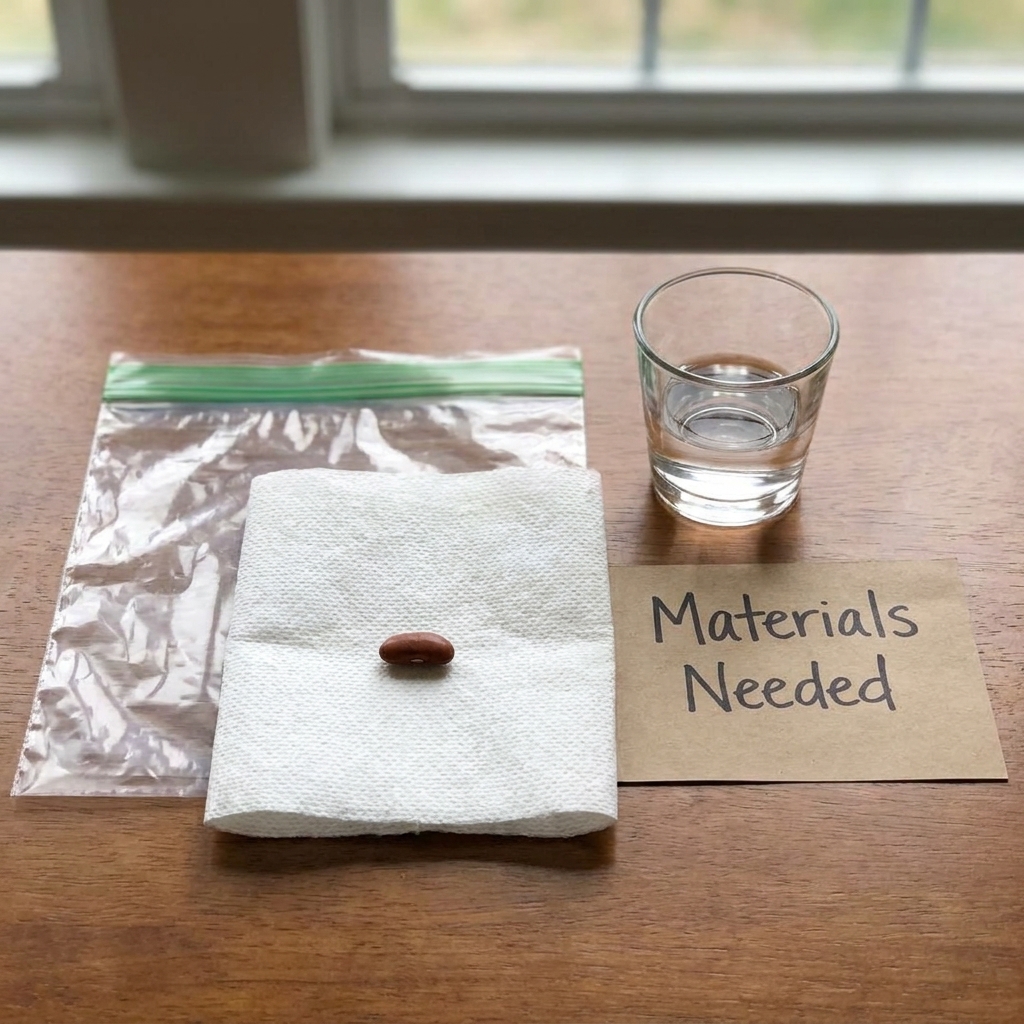
One reason the experiment of sprouting beans inside a transparent bag is so popular is its simplicity.
You only need:
- Bean seeds
- Transparent zip-top bag
- Paper towel
- Water
- Tape
- Marker
These inexpensive materials are available in most homes and classrooms.
Step-by-Step Instructions
Step 1: Wet the Paper Towel
Moisten a paper towel with water.
The towel should be damp but not soaking wet.
Excess water can cause mold growth.
Step 2: Place the Paper Towel Inside the Bag
Insert the damp paper towel into the transparent bag.
Spread it flat against one side.
Step 3: Add the Bean Seeds
Place several bean seeds between the paper towel and the plastic bag.
Make sure the seeds are visible.
Step 4: Seal the Bag
Close the bag carefully.
This helps retain moisture.
Step 5: Attach the Bag to a Window
Tape the bag to a sunny window.
Sunlight provides warmth and energy for growth.
Step 6: Observe Daily
Check the seeds every day.
Look for changes and record observations.
Step 7: Watch Germination Happen
Within several days, roots and shoots should begin to appear.
Children can continue observing as the plants grow larger.
Understanding Germination
The experiment offers a perfect opportunity to explain germination.
Germination is the process through which a seed begins to grow into a plant.
Several conditions are necessary:
Water
Water activates the seed and starts growth processes.
Oxygen
Seeds require oxygen for cellular activity.
Suitable Temperature
Warm conditions encourage faster germination.
Nutrients
Stored nutrients inside the seed support early growth.
The transparent bag makes these biological processes easier to understand.
Stages of Bean Growth
Children can observe several important stages.
Stage 1: Water Absorption
The seed absorbs water and swells.
Stage 2: Seed Coat Breaks
The outer covering begins to crack.
Stage 3: Root Emergence
The first root grows downward.
Stage 4: Stem Growth
A stem begins extending upward.
Stage 5: Leaf Development
Small leaves appear and start producing food through photosynthesis.
Watching these stages unfold creates a memorable learning experience.
Educational Benefits
The experiment of sprouting beans inside a transparent bag offers numerous educational advantages.
Science Learning
Children explore:
- Plant biology
- Germination
- Photosynthesis
- Environmental science
Observation Skills
Daily monitoring strengthens attention to detail.
Critical Thinking
Children learn to ask questions and make predictions.
Data Collection
Recording growth measurements introduces basic scientific methods.
Patience
The experiment teaches that growth takes time.
These skills support learning across many subjects.
Fun Classroom Activities
Teachers often expand the experiment with additional activities.
Growth Journal
Students record daily observations.
Measurement Challenge
Children measure root and stem length.
Prediction Exercise
Students predict future growth.
Drawing Activity
Children sketch plants at different stages.
Science Fair Project
The experiment can become part of a larger STEM presentation.
These activities deepen understanding and maintain interest.
Common Questions Children Ask
Why Do Roots Grow Downward?
Roots grow toward water and nutrients in the soil.
Why Do Plants Need Sunlight?
Sunlight helps plants produce food through photosynthesis.
Why Do Some Seeds Grow Faster?
Growth rates vary depending on seed quality, temperature, and moisture.
What Happens If Seeds Get Too Much Water?
Excess moisture may lead to mold or seed rot.
These questions encourage scientific inquiry.
Environmental Lessons
The experiment of sprouting beans inside a transparent bag teaches more than biology.
Children learn:
- The importance of plants
- How food begins as seeds
- Why ecosystems depend on vegetation
- The value of caring for living things
These lessons help develop environmental awareness.
Creative Extensions
Once children understand the basics, they can try variations.
Compare Different Seeds
Observe differences between beans, peas, and corn.
Test Light Conditions
Place bags in sunny and shaded areas.
Experiment with Water Levels
Compare growth under different moisture conditions.
Create a Plant Diary
Track development using photographs and notes.
These activities introduce more advanced scientific concepts.
Common Mistakes to Avoid
Too Much Water
Overwatering can cause mold.
Too Little Water
Dry seeds may fail to germinate.
Lack of Sunlight
Plants need light for healthy growth.
Poor Observation
Regular monitoring improves learning outcomes.
Avoiding these mistakes helps ensure successful results.
Conclusion
The experiment of sprouting beans inside a transparent bag remains one of the most effective and enjoyable science activities for children. It transforms the hidden process of germination into a visible learning experience that captures curiosity and encourages exploration.
Kids love this experiment because they can observe every stage of growth, make scientific discoveries, achieve successful results, connect with nature, and develop responsibility. At the same time, they gain valuable knowledge about plant biology, observation techniques, and scientific thinking.
Whether used at home, in the classroom, or as part of a science fair project, the experiment of sprouting beans inside a transparent bag provides a perfect blend of education and fun. With only a few simple materials, children can witness one of nature’s most amazing transformations and develop a lifelong appreciation for science and the natural world.
