
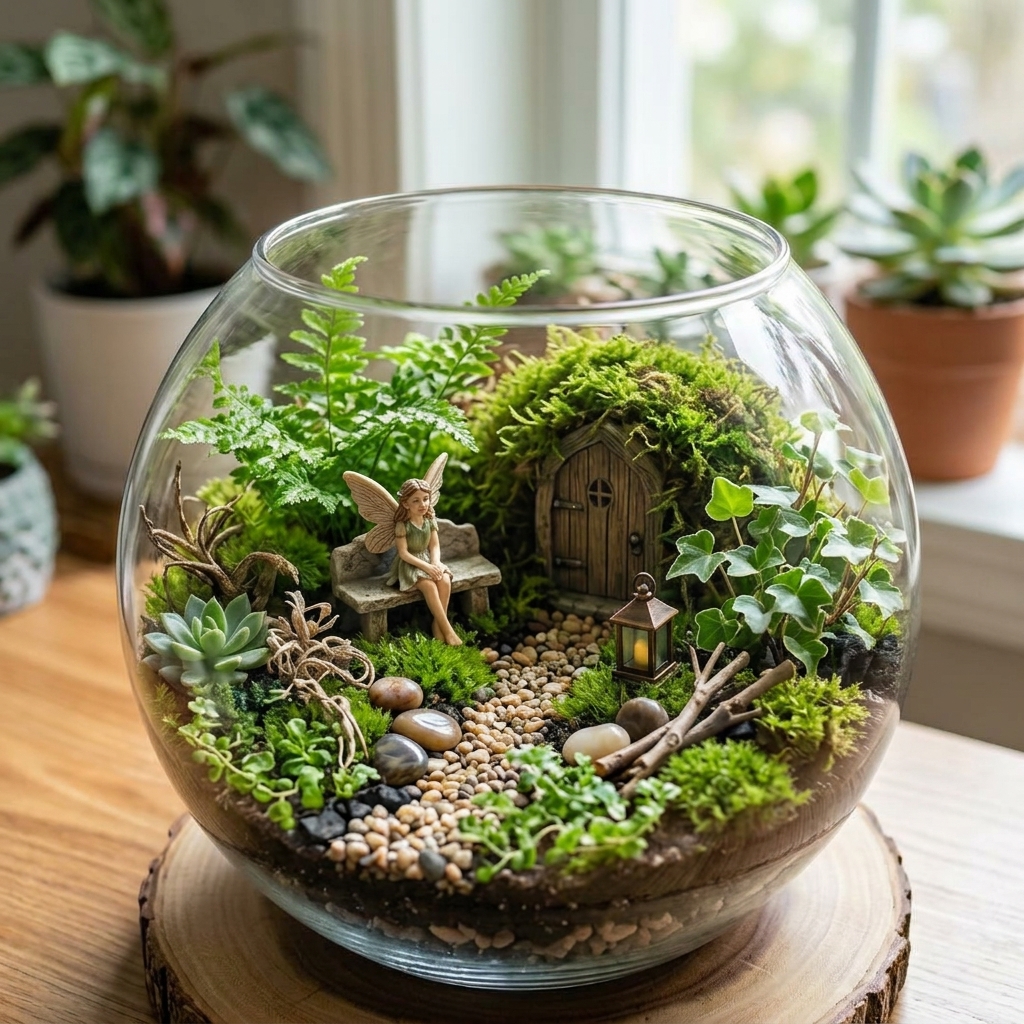
Creating a miniature garden in a glass container is one of the most enchanting and educational DIY activities for children. It combines nature, creativity, science, and hands-on learning in a single project that feels more like play than study. Children are naturally drawn to anything that involves building, decorating, and observing living things grow. A miniature garden inside a glass container brings all of these elements together in a visually beautiful and scientifically meaningful way.
Unlike traditional gardening, which takes place outdoors and often requires large spaces, tools, and long-term maintenance, this activity is compact, manageable, and instantly rewarding. Kids can design their own tiny ecosystems using soil, stones, moss, and small plants, all inside a transparent container that allows them to see every detail of the environment they create.
This article explores why creating a miniature garden in a glass container is so loved by children, how it works, what it teaches, and why it has become a popular STEM and creative learning activity in schools and homes.
Summary Table
| Topic | Details |
| Activity Name | Creating a miniature garden in a glass container |
| Type | DIY Science + Art + Nature Project |
| Difficulty Level | Easy to Medium |
| Age Group | 5–12+ years |
| Time Required | 1–2 hours setup + ongoing care |
| Materials | Glass container, soil, stones, plants, water |
| Learning Areas | Biology, ecology, creativity, responsibility |
| Main Concept | Mini ecosystem / terrarium science |
| Cost | Low |
| Engagement Level | Very High |
What Is Creating a Miniature Garden in a Glass Container?
Creating a miniature garden in a glass container means building a small self-contained ecosystem inside a transparent jar, bowl, or bottle. This miniature world usually includes layers such as:
- Stones for drainage
- Activated charcoal (optional)
- Soil layer
- Small plants or moss
- Decorative items like figurines or shells
Because the container is transparent, children can observe how the ecosystem functions over time. They can see how water cycles, how plants grow, and how soil supports life.
This activity is often called a terrarium, but for kids, it becomes more than just science—it becomes storytelling, imagination, and design combined.
Why Kids Love Creating a Miniature Garden in a Glass Container
There are many reasons children are fascinated by this activity, but five key reasons stand out the most.
1. It Feels Like Building a Tiny Magical World
Children love miniature things because they feel magical and imaginative. When kids start creating a miniature garden in a glass container, they are not just planting plants—they are building a tiny world.
They often imagine:
- Fairy gardens
- Jungle villages
- Secret forests
- Fantasy landscapes
- Magical ecosystems
This storytelling element makes the activity deeply engaging. Children are not just following instructions; they are designing their own world.
The glass container acts like a window into a secret universe that only they control. Every stone, plant, and decoration becomes part of a story.
This creative freedom is one of the biggest reasons kids stay excited throughout the project.
2. It Combines Art, Nature, and Science
Few activities bring together so many disciplines at once.
When creating a miniature garden in a glass container, children:
- Arrange plants (science + biology)
- Design layouts (art + creativity)
- Understand ecosystems (environmental science)
This combination makes learning feel natural and enjoyable.
For example:
- They learn how plants need water and light
- They observe how soil holds moisture
- They discover how roots grow and spread
- They experiment with design balance and aesthetics
Instead of learning these concepts from a book, they experience them directly.
This hands-on learning style makes information easier to understand and remember.
3. It Is Easy but Looks Impressive
Another reason kids love this project is that it is simple to make but looks professional and beautiful once completed.
Even young children can successfully:
- Layer soil
- Place plants
- Add decorations
- Water the garden
Yet the final result looks like a real miniature landscape.
Children feel proud when they see their finished glass garden. It gives them a sense of achievement and boosts confidence.
They often show it to friends and family, which increases their excitement and motivation.
The visual appeal of a glass container garden makes it feel like a special art piece.
4. It Teaches Responsibility and Care
Unlike many short-term crafts, creating a miniature garden in a glass container requires ongoing care.
Children must:
- Water plants carefully
- Monitor moisture levels
- Observe plant health
- Avoid overwatering
- Ensure proper sunlight exposure
This teaches responsibility in a natural and gentle way.
Kids learn that living things need attention and care to survive. They begin to understand the importance of consistency and patience.
Over time, they also learn to solve problems, such as:
- Why is a plant turning yellow?
- Is there too much water?
- Does the garden need more light?
These questions encourage critical thinking and observation skills.
5. It Encourages Patience and Observation
In a world of instant entertainment, children rarely get the chance to watch slow natural processes.
Creating a miniature garden in a glass container changes that.
Kids observe:
- Plant growth over days and weeks
- Changes in moisture and condensation
- Root development
- Leaf expansion
This slow transformation teaches patience.
Children begin to understand that nature takes time, and growth cannot be rushed.
Many kids enjoy checking their garden daily, noticing small changes that adults might overlook.
This habit strengthens attention to detail and scientific curiosity.
Materials Needed
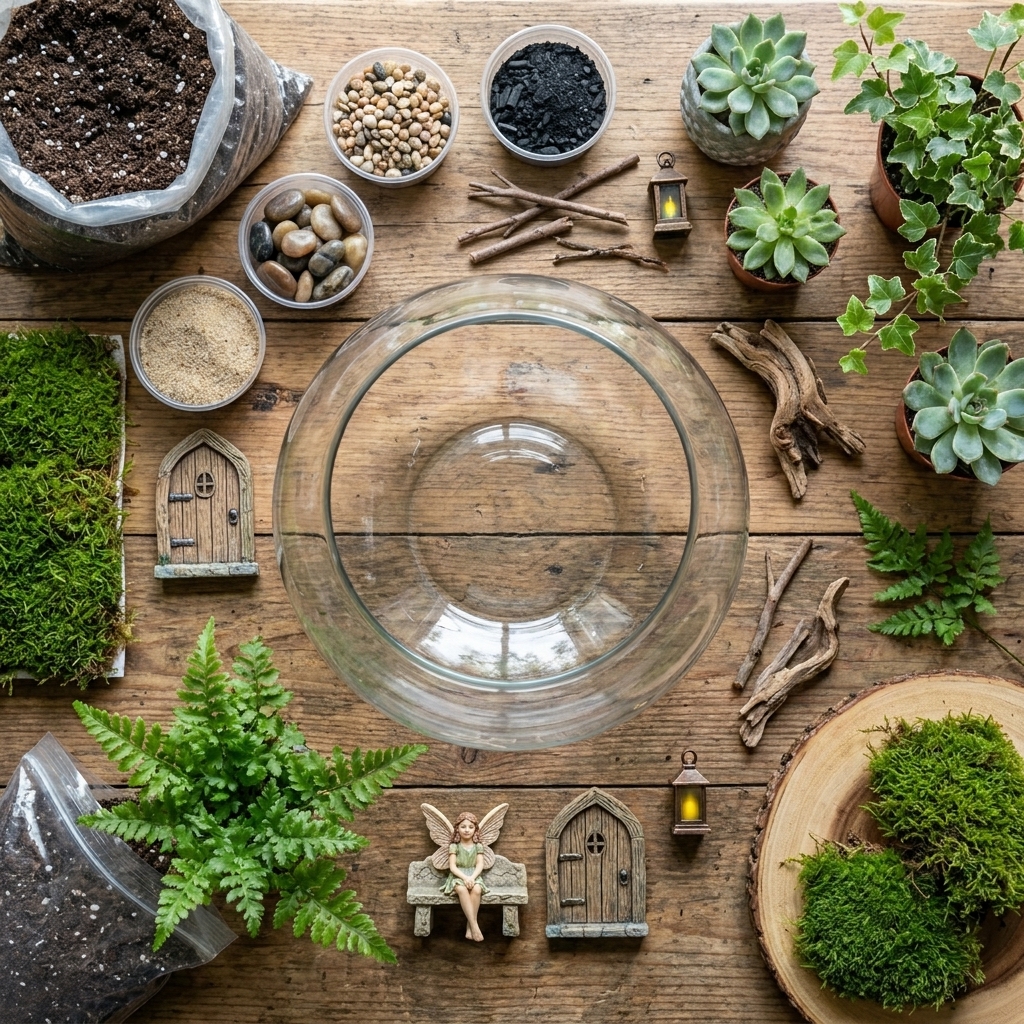
One of the reasons this project is so popular is its simplicity.
You only need:
- Transparent glass container or jar
- Small stones or pebbles
- Activated charcoal (optional)
- Potting soil
- Small plants or moss
- Water spray bottle
- Decorative items (optional)
Most materials are easily available or reusable from home.
Step-by-Step Guide
Step 1: Choose the Container
Pick a clear glass container so children can observe all layers.
Step 2: Add Drainage Layer
Place small stones at the bottom to prevent water buildup.
Step 3: Add Soil Layer
Add a layer of potting soil suitable for small plants.
Step 4: Plant the Greenery
Carefully place small plants or moss into the soil.
Step 5: Decorate the Garden
Add small figurines, rocks, or themed decorations.
Step 6: Water Lightly
Use a spray bottle to lightly moisten the soil.
Step 7: Place in Proper Light
Keep the garden in indirect sunlight.
Educational Benefits
Creating a miniature garden in a glass container supports multiple learning areas:
Biology
Children learn about plant life cycles and ecosystems.
Ecology
They understand how living and non-living elements interact.
Responsibility
They care for living plants and monitor their health.
Creativity
They design landscapes and express imagination.
Scientific Thinking
They observe, predict, and analyze changes.
Common Mistakes to Avoid
- Overwatering plants
- Using containers without drainage layers
- Placing in direct harsh sunlight
- Choosing plants that grow too large
- Ignoring maintenance
Avoiding these mistakes helps the miniature garden thrive.
Fun Variation
Children can explore creative versions such as:
- Desert-themed gardens
- Fairy tale terrariums
- Jungle ecosystems
- Ocean-inspired glass gardens
- Seasonal themed gardens
These variations keep the activity exciting and fresh.
Why This Activity Is Perfect for Kids
Creating a miniature garden in a glass container is more than just a craft. It is:
- A science experiment
- An art project
- A storytelling activity
- A life lesson in responsibility
It blends learning and fun in a way that feels natural and engaging.
Conclusion
Creating a miniature garden in a glass container is a powerful learning experience that children genuinely enjoy. It allows them to explore nature, express creativity, and develop responsibility while building something beautiful and meaningful.
Kids love this activity because it feels magical, educational, and personal. They get to design their own tiny world, watch it grow, and care for it over time.
Whether used at home or in the classroom, this simple yet powerful project continues to inspire curiosity and a love for nature in young learners everywhere.
