
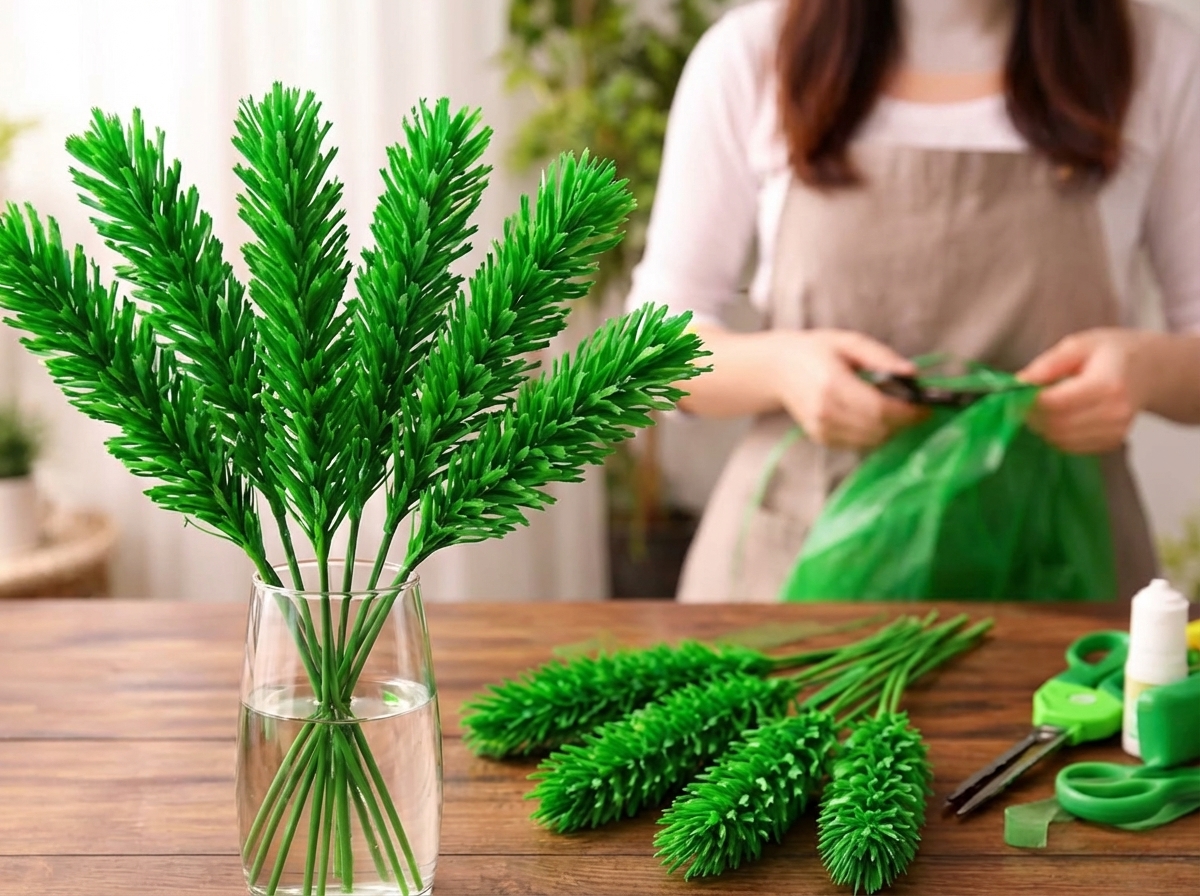
Introduction to Making Flowers from Shopping Bags
We transform ordinary materials into extraordinary decorative pieces by learning how to create beautiful flowers from shopping bags. This innovative craft combines recycling, creativity, and practicality, allowing us to turn unused plastic bags into stunning floral designs that enhance any space.
These handmade flowers are not only visually appealing but also serve as a sustainable alternative to artificial decorations. With simple techniques and minimal tools, we can produce elegant flowers that are durable, lightweight, and highly customizable.
Why Shopping Bag Flowers Are a Brilliant DIY Craft
Eco-Friendly and Sustainable Crafting
We repurpose plastic shopping bags, reducing environmental waste and promoting sustainable creativity. This approach transforms discarded materials into valuable decorative items.
Cost-Effective and Accessible
We use materials that are readily available at home, eliminating the need for expensive supplies. This makes the craft ideal for anyone seeking budget-friendly DIY projects.
Versatile Decorative Use
These flowers can be used for:
- Home decoration
- Gift wrapping embellishments
- Event and party decor
- Wall art and centerpieces
Their versatility makes them a practical addition to any creative project.
Essential Materials for Making Shopping Bag Flowers
To achieve high-quality results, we gather the following:
- Plastic shopping bags (various colors)
- Scissors for precise cutting
- Floral wire or twist ties for shaping stems
- Tape or glue for securing parts
- Ruler for even measurements
Selecting colorful bags enhances the visual appeal and allows for creative combinations.
Step-by-Step Guide to Creating Flowers from Shopping Bags
Preparing the Plastic Material
We begin by flattening the shopping bags and cutting off the handles and bottom seams. This leaves us with smooth sheets of plastic that are easier to work with.
We then fold the plastic neatly into layers, ensuring uniform thickness for consistent petal shapes.
Cutting the Petal Strips
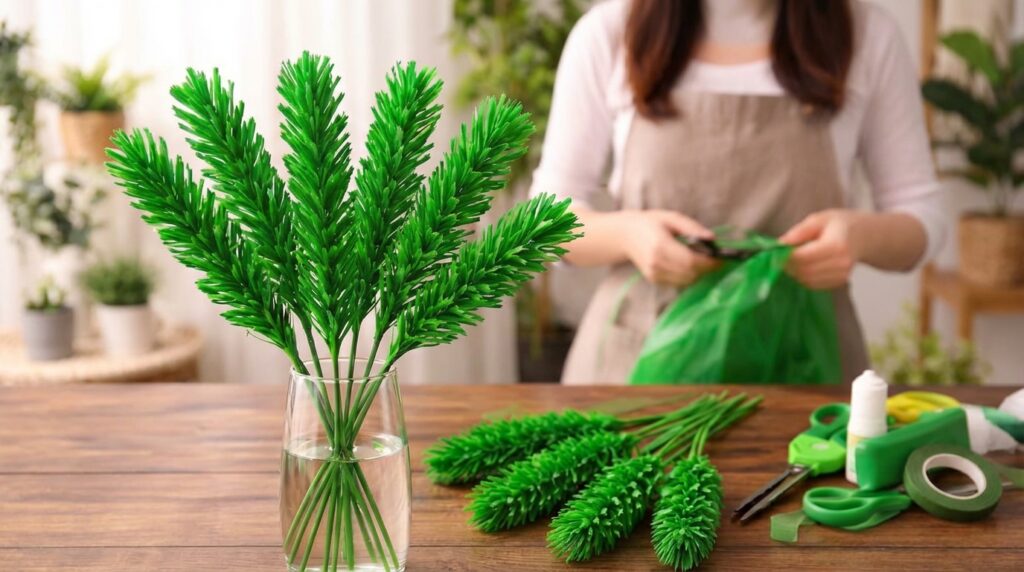
We cut the folded plastic into long strips of equal width. These strips will form the petals of the flower.
To create a more natural look, we round the edges of the strips or cut them into petal-like shapes. Precision in this step ensures a professional appearance.
Shaping the Flower Structure
We gather the strips and fold them accordion-style. Once folded, we secure the center tightly using floral wire or a twist tie. This forms the core of the flower.
After securing the center, we carefully spread the layers outward, shaping them into a blooming flower.
Creating Volume and Texture
We gently separate each layer of plastic, pulling them upward to create fullness and dimension. This step transforms flat strips into a realistic flower shape.
Adjusting the layers allows us to control the density and size of the flower, making each piece unique.
Designing the Stem and Base
We attach a piece of floral wire to the center to act as a stem. Wrapping the base with tape ensures stability and gives a clean finish.
For added realism, we can wrap the stem with green plastic strips or fabric.
Creative Variations of Shopping Bag Flowers
Multi-Layered Floral Designs
We combine different colors of plastic bags to create layered flowers with depth and contrast. This technique enhances visual complexity.
Rose-Style Flowers
By tightly rolling the plastic strips before shaping, we can create elegant rose-like designs that resemble real flowers.
Large Decorative Blooms
Using wider strips and more layers, we create oversized flowers perfect for wall decor or event backdrops.
Professional Tips for Perfect DIY Plastic Flowers
- Use thin plastic bags for easier shaping
- Cut strips evenly for consistent petals
- Secure the center tightly to maintain structure
- Mix colors strategically for a vibrant look
- Shape petals gently to avoid tearing
These techniques ensure that each flower achieves a polished and professional finish.
Using Shopping Bag Flowers for Decoration
We incorporate these flowers into various decorative projects:
- Bouquets for vases
- Wall arrangements
- Table centerpieces
- Gift decorations
Their lightweight structure makes them easy to attach and arrange in different settings.
Benefits of Making Flowers from Shopping Bags
Encouraging Creative Expression
We explore endless design possibilities, experimenting with shapes, sizes, and color combinations.
Reducing Environmental Impact
Reusing plastic materials contributes to waste reduction and promotes eco-conscious crafting.
Enhancing Crafting Skills
This process improves precision, patience, and attention to detail, resulting in refined handmade creations.
Turning Plastic Flower Crafts into a Business
We can transform this craft into a profitable venture by:
- Creating custom floral arrangements
- Selling decorative sets for events
- Offering personalized designs for clients
With increasing demand for handmade eco-friendly products, plastic flowers present a valuable business opportunity.
Advanced Techniques for Unique Floral Designs
Textured Petals
We slightly heat the plastic edges (with caution) to create natural curves and textures, enhancing realism.
Layered Color Blending
We overlap different colored strips to produce gradient effects, giving the flowers a sophisticated appearance.
Decorative Centers
We add beads or rolled plastic pieces to the center for a more detailed and attractive design.
Care and Maintenance of Plastic Flowers
We maintain these flowers by:
- Keeping them away from excessive heat
- Cleaning them gently with a dry cloth
- Storing them in a cool, dry place
Proper care ensures long-lasting beauty and durability.
Conclusion: Transforming Simple Materials into Elegant Flowers
We elevate everyday materials into stunning decorative pieces by mastering the art of making flowers from shopping bags. This craft combines creativity, sustainability, and practicality, resulting in unique handmade designs that enhance any environment.
By applying these techniques, we create flowers that are not only visually appealing but also meaningful, reflecting innovation and resourcefulness.
