
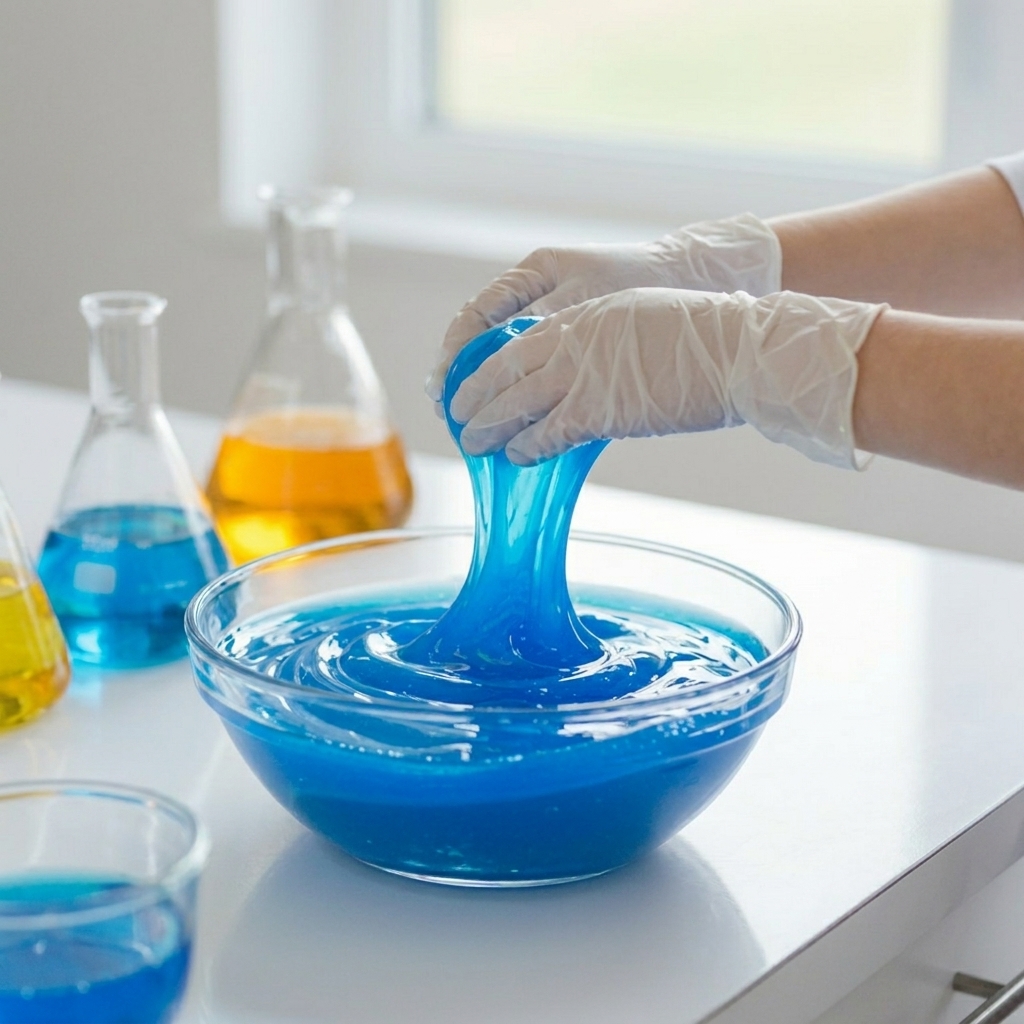
Quick Overview Table
| Feature | Details |
| Topic | Safe Chemical Experiments for Home Use |
| Category | Science Activities for Kids |
| Difficulty Level | Easy to Moderate |
| Recommended Age | 5+ Years (with adult supervision) |
| Time Required | 10–30 Minutes per experiment |
| Materials Needed | Common household ingredients |
| Learning Focus | Chemistry, Observation, STEM Skills |
| Safety Level | High when instructions are followed |
| Best Location | Kitchen, Classroom, or Backyard |
| Educational Benefit | Hands-on scientific learning |
Introduction
Safe chemical experiments for home use are an excellent way to introduce children and beginners to the fascinating world of science. Many people assume chemistry requires expensive laboratory equipment and complicated substances, but some of the most exciting scientific discoveries can be demonstrated using simple ingredients found in your kitchen.
Hands-on experiments help children understand scientific concepts better than reading textbooks alone. When they see bubbles forming, colors changing, or objects moving unexpectedly, science becomes exciting, memorable, and meaningful. These activities encourage curiosity, observation, problem-solving, and critical thinking.
Parents and teachers often search for educational activities that are both entertaining and safe. Fortunately, there are many chemical experiments that use everyday household items such as baking soda, vinegar, food coloring, milk, lemon juice, and water. These materials allow children to explore chemical reactions while remaining in a safe learning environment.
This guide explores ten of the best safe chemical experiments for home use. Each activity is easy to perform, educational, and designed to inspire a love of science. Whether you are teaching STEM concepts at home or simply looking for a fun weekend activity, these experiments offer the perfect combination of learning and entertainment.
Why Home Chemistry Experiments Are Valuable
Before exploring the activities, it is important to understand why home chemistry experiments are beneficial.
Encourage Curiosity
Children naturally ask questions about how the world works. Science experiments provide opportunities to explore those questions.
Improve Observation Skills
Experiments require children to carefully watch and record changes.
Develop Critical Thinking
Kids learn to predict outcomes and compare their predictions with actual results.
Promote STEM Education
Science, Technology, Engineering, and Mathematics skills are strengthened through practical activities.
Create Memorable Learning Experiences
Hands-on activities often leave stronger impressions than traditional lessons.
Essential Safety Rules
Although these are safe chemical experiments for home use, basic precautions should always be followed.
- Always supervise young children.
- Never taste experiment materials.
- Wash hands after activities.
- Use clean containers.
- Follow instructions carefully.
- Clean work areas afterward.
- Wear safety glasses if desired.
Following these guidelines ensures a safe and enjoyable experience.
1. The Classic Baking Soda Volcano
Materials
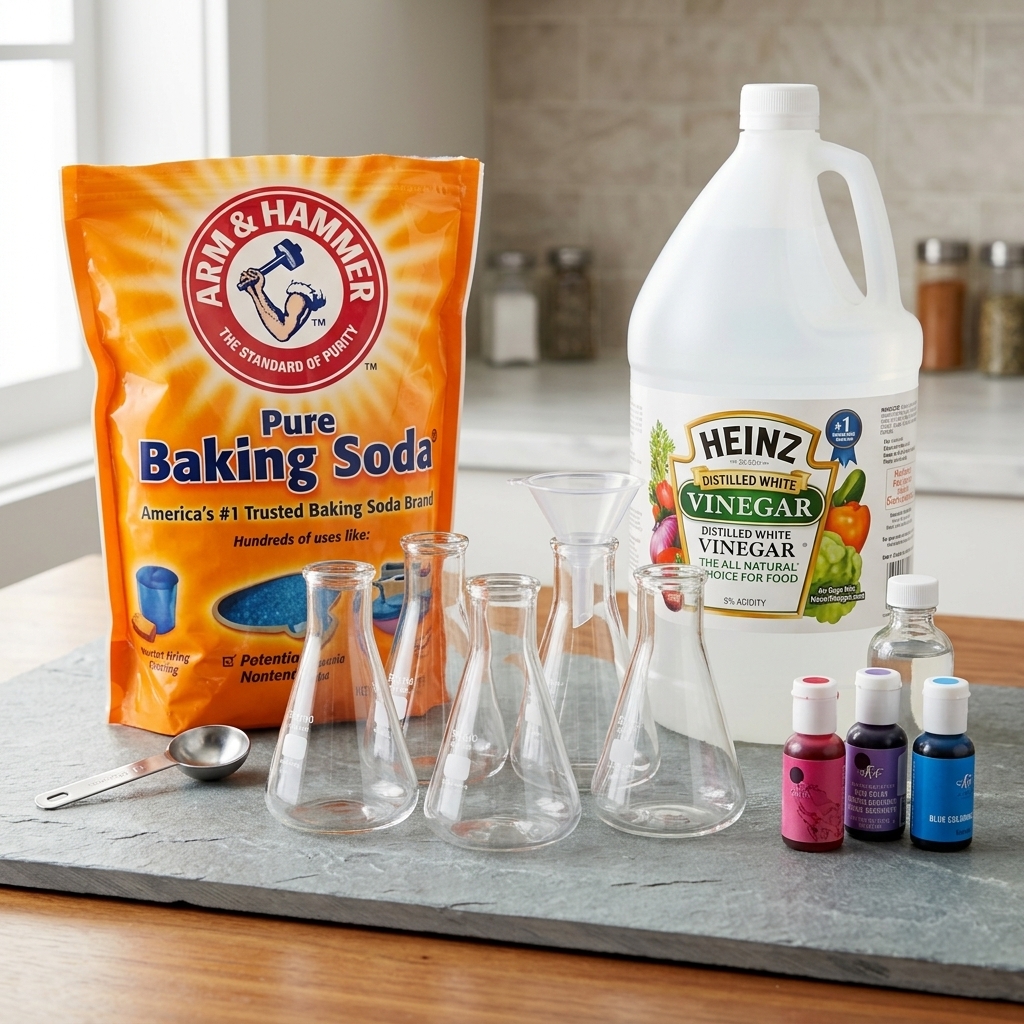
- Baking soda
- Vinegar
- Plastic bottle
- Dish soap
- Food coloring
Procedure
Place baking soda inside the bottle. Add food coloring and dish soap. Pour vinegar into the bottle and watch the eruption.
Science Behind It
Vinegar reacts with baking soda to produce carbon dioxide gas. The gas creates pressure and forms bubbles, resulting in a volcano-like eruption.
Learning Benefits
- Chemical reactions
- Gas formation
- Cause and effect
2. Dancing Rice Experiment
Materials
- Water
- Baking soda
- Vinegar
- Rice
- Clear glass
Procedure
Mix baking soda into water, add rice, and pour in vinegar. Watch the rice begin to rise and fall.
Science Behind It
Carbon dioxide bubbles attach to rice grains, lifting them upward. When the bubbles burst, the rice sinks.
Learning Benefits
- Buoyancy
- Density
- Chemical reactions
3. Invisible Ink Messages
Materials
- Lemon juice
- Cotton swab
- White paper
- Lamp
Procedure
Write a secret message using lemon juice. Allow it to dry. Gently heat the paper under a lamp to reveal the message.
Science Behind It
The lemon juice oxidizes faster when heated, turning brown and revealing the hidden writing.
Learning Benefits
- Oxidation
- Heat reactions
- Observation
4. Magic Milk Color Explosion
Materials
- Milk
- Food coloring
- Dish soap
- Plate
Procedure
Pour milk into a plate. Add drops of food coloring. Touch the center with a soap-coated cotton swab.
Science Behind It
Dish soap breaks down fat molecules in the milk, causing the colors to swirl dramatically.
Learning Benefits
- Surface tension
- Molecular interactions
- Observation skills
5. Homemade Lava Lamp
Materials
- Vegetable oil
- Water
- Food coloring
- Effervescent tablet
- Clear bottle
Procedure
Fill a bottle with oil and water. Add food coloring and drop in an effervescent tablet.
Science Behind It
The tablet releases gas bubbles that carry colored water upward, creating a lava lamp effect.
Learning Benefits
- Density
- Gas formation
- Liquid interactions
6. Color-Changing Cabbage Indicator
Materials
- Red cabbage
- Hot water
- Clear cups
- Vinegar
- Baking soda solution
Procedure
Soak cabbage leaves in hot water to create indicator liquid. Add different household substances.
Science Behind It
Red cabbage contains pigments that change color depending on acidity or alkalinity.
Learning Benefits
- pH scale
- Acids and bases
- Scientific testing
7. Fizzy Balloon Experiment
Materials
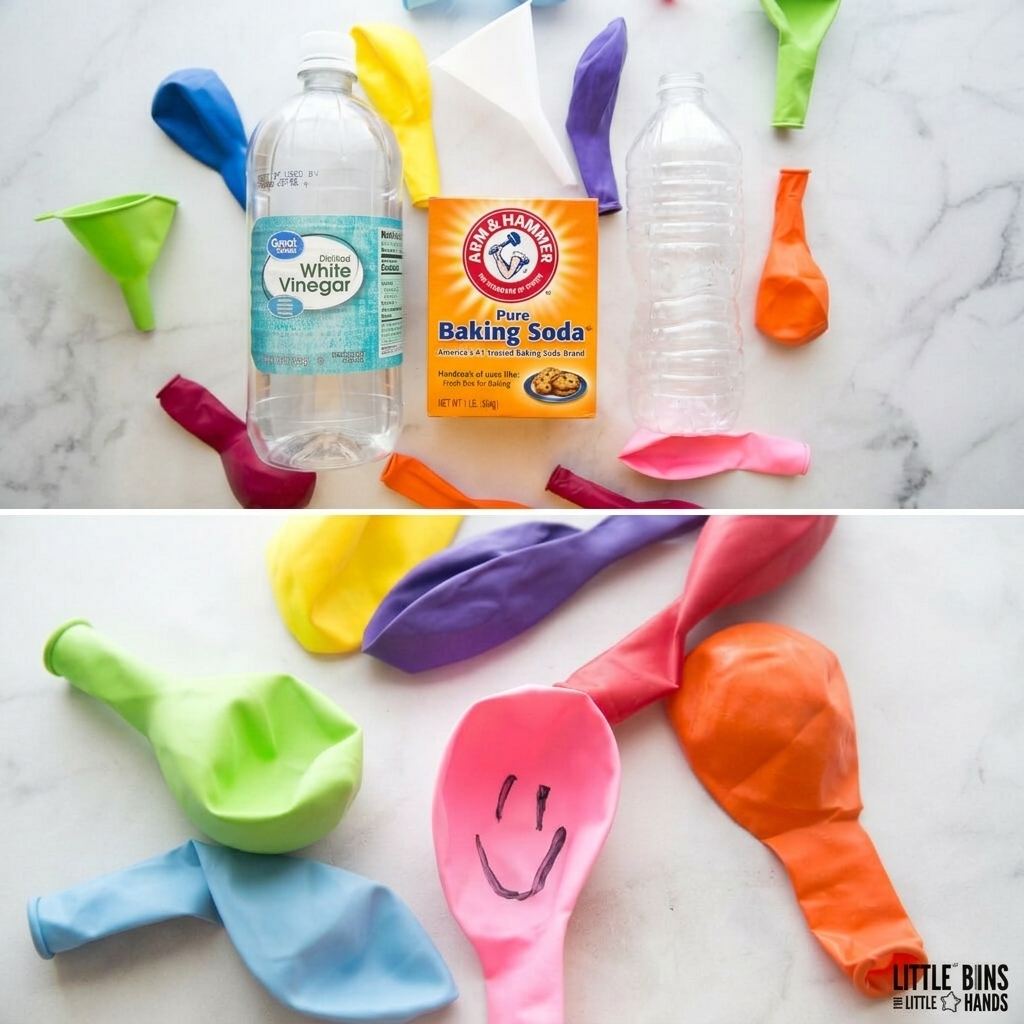
- Balloon
- Vinegar
- Baking soda
- Bottle
Procedure
Place baking soda inside a balloon. Fill a bottle with vinegar. Attach the balloon and release the powder.
Science Behind It
Carbon dioxide gas inflates the balloon without blowing into it.
Learning Benefits
- Gas production
- Pressure
- Chemical reactions
8. Growing Crystal Shapes
Materials
- Salt
- Warm water
- String
- Glass jar
Procedure
Dissolve salt in warm water. Suspend a string in the solution and leave it for several days.
Science Behind It
As water evaporates, dissolved salt forms crystals.
Learning Benefits
- Crystal formation
- Evaporation
- Patience and observation
9. Floating Egg Challenge
Materials
- Egg
- Water
- Salt
- Glass
Procedure
Place an egg in water. Add salt gradually until the egg floats.
Science Behind It
Salt increases water density, making the egg more buoyant.
Learning Benefits
- Density
- Buoyancy
- Scientific measurement
10. Foaming Elephant Toothpaste (Kid-Friendly Version)
Materials
- Hydrogen peroxide (low concentration)
- Dish soap
- Yeast
- Warm water
- Bottle
Procedure
Mix hydrogen peroxide and dish soap in a bottle. Add activated yeast solution.
Science Behind It
Yeast acts as a catalyst, breaking down hydrogen peroxide and releasing oxygen bubbles.
Learning Benefits
- Catalysts
- Chemical decomposition
- Foam formation
How to Turn Experiments Into STEM Lessons
These activities become even more educational when children participate as scientists.
Encourage them to:
Make Predictions
Ask what they think will happen before starting.
Record Observations
Write down colors, movements, smells, and changes.
Ask Questions
Promote curiosity by discussing results.
Repeat Experiments
Changing variables teaches scientific investigation.
Create Hypotheses
Help children develop explanations for observed results.
These practices strengthen critical thinking and scientific reasoning.
Common Household Ingredients Used in Safe Experiments
Many science activities rely on everyday products.
Popular ingredients include:
- Baking soda
- Vinegar
- Salt
- Water
- Dish soap
- Lemon juice
- Milk
- Food coloring
- Vegetable oil
- Red cabbage
These materials are inexpensive, accessible, and effective for demonstrating scientific principles.
Educational Benefits of Safe Chemical Experiments for Home Use
Safe chemical experiments for home use offer much more than entertainment.
Improve Academic Performance
Hands-on learning often improves understanding of scientific concepts.
Build Confidence
Successfully completing experiments gives children a sense of achievement.
Strengthen Family Bonds
Parents and children can learn together.
Encourage Lifelong Learning
Positive science experiences may inspire future interest in STEM careers.
Support Creativity
Experiments encourage exploration and innovative thinking.
Tips for Success
To maximize learning and enjoyment:
- Read instructions before starting.
- Gather all materials beforehand.
- Use clear containers when possible.
- Take photos of results.
- Encourage questions.
- Discuss observations afterward.
- Celebrate discoveries.
A positive environment helps children develop enthusiasm for science.
Frequently Asked Questions
Are these experiments safe for children?
Yes, when performed with adult supervision and according to instructions.
What age group benefits most?
Most activities are suitable for children ages 5 and older.
Do I need special equipment?
No. Most experiments use common household items.
How long do the activities take?
Most require between 10 and 30 minutes.
Can these experiments be used in classrooms?
Absolutely. They are excellent for science lessons, STEM clubs, and homeschooling.
Conclusion
Safe chemical experiments for home use provide an exciting way to explore science using simple household ingredients. These ten activities demonstrate important concepts such as chemical reactions, density, buoyancy, oxidation, pH levels, crystal formation, and gas production in a fun and engaging manner.
Whether you are a parent, teacher, or curious learner, these experiments offer valuable opportunities to discover how chemistry works in everyday life. They encourage observation, creativity, and problem-solving while making science enjoyable and accessible.
The best part is that learning happens naturally through play and exploration. By trying these safe chemical experiments for home use, children can develop a deeper appreciation for science and gain skills that will benefit them for years to come.
