
Quick Overview Table
| Feature | Details |
| Activity Name | Dancing Rice Experience |
| Category | Science Experiment for Kids |
| Difficulty Level | Easy |
| Time Required | 10–15 Minutes |
| Age Group | 5 Years and Up |
| Main Materials | Rice, Baking Soda, Vinegar, Water, Clear Glass |
| Learning Focus | Chemical Reactions, Observation Skills |
| Indoor/Outdoor | Both |
| Educational Value | STEM Learning |
| Fun Rating | Excellent |
Introduction
Unleash the science of fun with the Dancing Rice Experience and transform an ordinary day into an exciting scientific adventure. This simple yet fascinating experiment combines everyday household ingredients to create a magical display that captures the attention of children and adults alike. Watching tiny grains of rice bounce, float, and dance through water feels almost like magic, but it is actually a wonderful demonstration of science in action.
One of the greatest advantages of this experiment is its simplicity. You do not need expensive laboratory equipment or specialized materials. Everything required can usually be found in a typical kitchen. This makes the Dancing Rice Experience a perfect activity for parents, teachers, homeschoolers, and caregivers who want to encourage curiosity and learning.
Science becomes much more engaging when children can see concepts come to life right before their eyes. Instead of reading about chemical reactions in a textbook, they can observe the results firsthand. This hands-on approach promotes critical thinking, creativity, and a deeper understanding of scientific principles.
In this article, we will explore the Dancing Rice Experience in detail, explain the science behind it, and share seven of the best tips to make the activity even more enjoyable and educational. Whether you are planning a science day at home or looking for an exciting classroom activity, this experiment is guaranteed to bring smiles and spark curiosity.
What Is the Dancing Rice Experience?
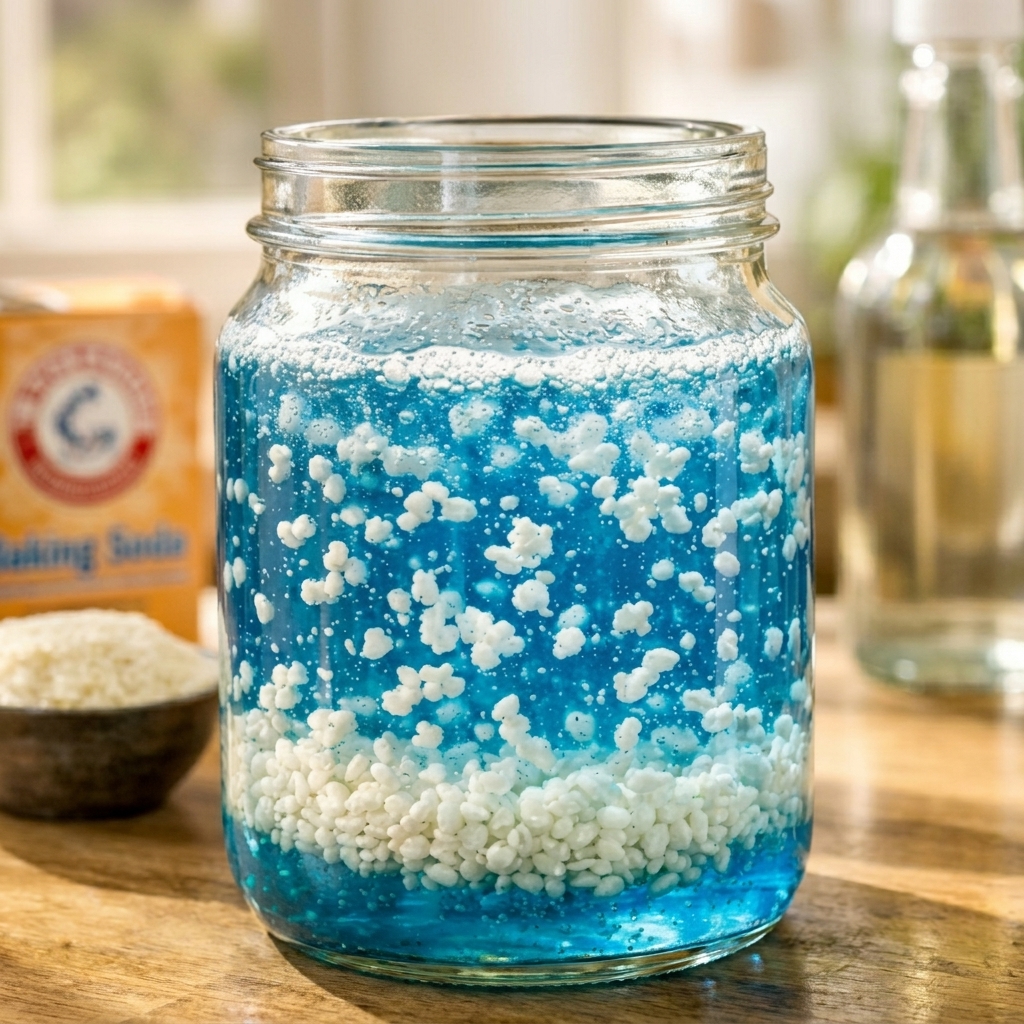
The Dancing Rice Experience is a simple science experiment that demonstrates how gas bubbles can affect objects in water. By combining vinegar and baking soda, a chemical reaction occurs that produces carbon dioxide gas. These gas bubbles attach themselves to grains of rice and lift them upward through the water.
Once the bubbles reach the surface, they burst and release the rice. The grains then sink back down, where more bubbles attach to them and repeat the process. This continuous cycle creates the appearance of dancing rice.
Children often find the movement surprising and entertaining. The experiment serves as an excellent introduction to scientific concepts such as density, buoyancy, and chemical reactions.
Materials Needed
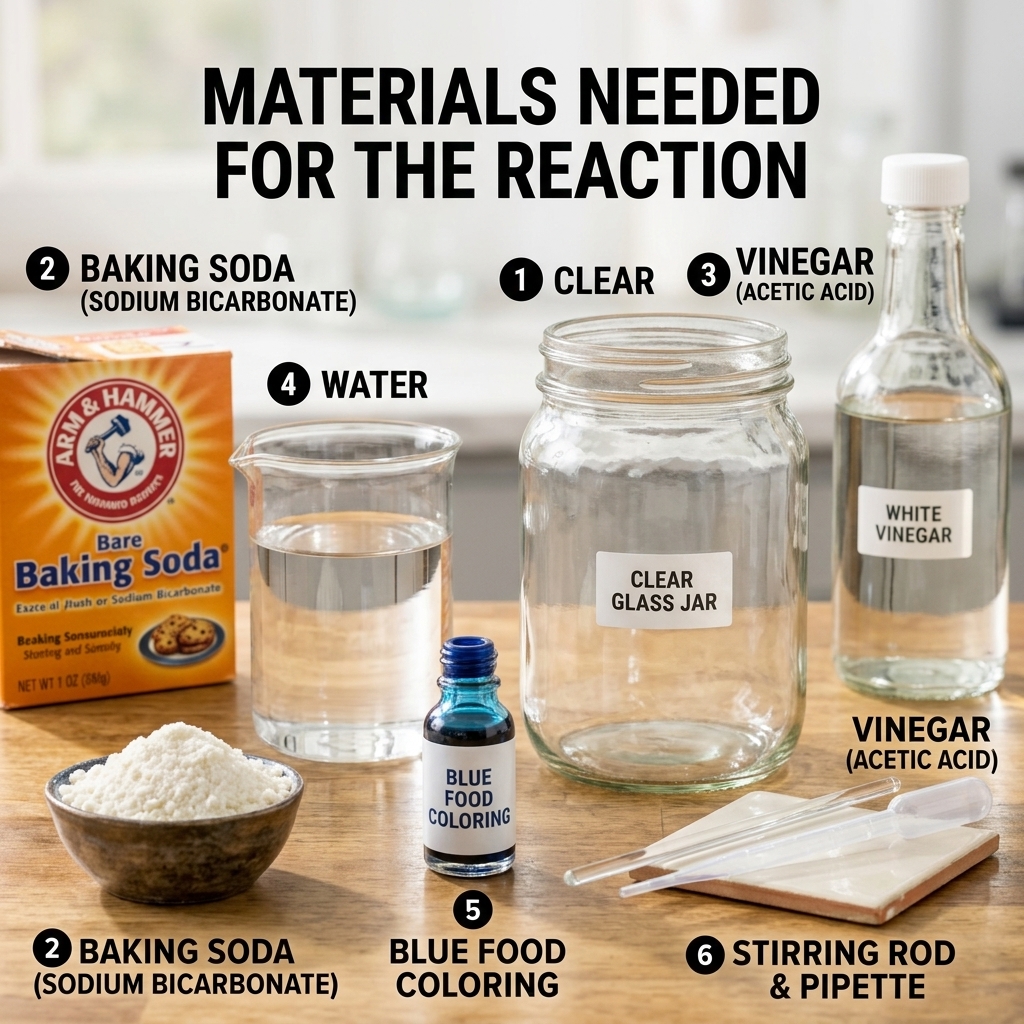
Before starting the experiment, gather the following materials:
- Clear glass or transparent container
- Water
- Uncooked rice
- Baking soda
- White vinegar
- Spoon for stirring
Optional materials include:
- Food coloring
- Different types of rice
- Small flashlight
- Measuring cups
Using a transparent container helps children clearly observe the movement of the rice and the formation of bubbles.
How to Perform the Experiment
Step 1: Fill the Glass
Fill a clear glass approximately three-quarters full with water.
Step 2: Add Baking Soda
Add one teaspoon of baking soda and stir until it dissolves.
Step 3: Add Rice
Sprinkle a small amount of uncooked rice into the water. The rice should sink to the bottom.
Step 4: Pour in Vinegar
Slowly add vinegar to the mixture.
Step 5: Observe
Watch closely as bubbles begin forming. Soon, the rice grains will start rising and falling, creating a dancing effect.
This simple process usually produces immediate and exciting results.
The Science Behind the Dancing Rice
Understanding the science behind the experiment makes it even more valuable.
When vinegar and baking soda mix, they undergo a chemical reaction. This reaction produces carbon dioxide gas.
The chemical equation is:
Baking Soda + Vinegar → Carbon Dioxide + Water + Other Compounds
The carbon dioxide forms bubbles that stick to the rice grains. These bubbles increase the rice’s buoyancy, allowing it to float upward.
Once the rice reaches the surface, the bubbles pop and release the gas. Without the bubbles, the rice becomes heavier than the surrounding water and sinks again.
This repeating cycle continues until the reaction slows down and the gas production stops.
The experiment demonstrates:
- Chemical reactions
- Gas formation
- Buoyancy
- Density
- Observation skills
Why Children Love This Experiment
Children naturally enjoy activities that appear magical. The Dancing Rice Experience creates a sense of wonder while secretly teaching important scientific concepts.
Some reasons children love this activity include:
Visual Excitement
The moving rice immediately captures attention.
Hands-On Learning
Children actively participate rather than simply watching.
Fast Results
Unlike some experiments that take hours or days, this one works within seconds.
Safe Materials
Most ingredients are commonly found in kitchens.
Opportunity for Exploration
Children can modify ingredients and observe different outcomes.
The combination of fun and education makes this experiment particularly memorable.
7 Best Tips for an Amazing Dancing Rice Experience
Tip 1: Use a Clear Container
Visibility is essential.
A transparent glass or jar allows children to clearly see the bubbles attaching to the rice grains. The clearer the container, the easier it becomes to observe the scientific process.
Avoid colored or opaque containers that may hide the details.
Tip 2: Add Food Coloring
Food coloring enhances the visual appeal.
Adding a few drops of bright food coloring creates a more vibrant and exciting display. Children often become even more engaged when colorful liquids are involved.

Try:
- Blue
- Red
- Green
- Purple
Different colors can also be used to compare multiple experiments.
Tip 3: Experiment with Rice Types
Not all rice behaves exactly the same way.
Try comparing:
- White rice
- Brown rice
- Jasmine rice
- Basmati rice
Ask children to predict which type will dance the most actively. This introduces the scientific method through hypothesis and observation.
Tip 4: Adjust the Vinegar Amount
Changing the amount of vinegar affects the reaction.
More vinegar generally creates more carbon dioxide bubbles, which can increase the dancing action.
Encourage children to test different quantities and record their observations.
This transforms the activity into a mini science investigation.
Tip 5: Use a Flashlight
A flashlight creates dramatic visual effects.
Shining light through the container makes the bubbles more visible and highlights the movement of the rice.
This is especially effective in a dim room.
Children often describe the result as magical or sparkling.
Tip 6: Encourage Predictions
Before beginning the experiment, ask questions such as:
- What do you think will happen?
- Why might the rice move?
- Will all the rice dance equally?
Making predictions encourages critical thinking and scientific reasoning.
After the experiment, discuss whether the predictions were correct and why.
Tip 7: Keep a Science Journal
Recording observations helps reinforce learning.
Children can write:
- Materials used
- Predictions
- Results
- Questions
- New discoveries
A science journal promotes observation skills and helps children think like real scientists.
Educational Benefits
The Dancing Rice Experience offers numerous educational advantages.
Develops Observation Skills
Children learn to notice details and identify patterns.
Encourages Curiosity
The surprising movement naturally leads to questions and exploration.
Introduces Scientific Vocabulary
Children become familiar with terms such as:
- Reaction
- Gas
- Bubble
- Density
- Buoyancy
Builds Problem-Solving Skills
Experimenting with variables encourages analytical thinking.
Supports STEM Education
Science, Technology, Engineering, and Mathematics concepts are introduced in a fun and approachable way.
Fun Variations to Try
Once children master the basic experiment, consider exploring variations.
Colorful Dancing Rice
Use multiple food colors in separate containers.
Rice Race
Compare different rice varieties and see which dances the longest.
Bubble Challenge
Experiment with varying amounts of vinegar and baking soda.
Observation Contest
Challenge children to record the most detailed observations.
Group Science Activity
Allow several children to perform the experiment together and compare results.
These variations extend learning while maintaining excitement.
Safety Tips
Although the Dancing Rice Experience is generally safe, basic precautions are important.
- Adult supervision is recommended.
- Do not drink the mixture.
- Wash hands after the activity.
- Clean spills immediately.
- Keep materials away from very young children.
Following these simple guidelines ensures a safe and enjoyable experience.
Common Questions
Why Is My Rice Not Dancing?
Possible reasons include:
- Not enough vinegar
- Too much rice
- Old baking soda
- Container filled incorrectly
Adjusting the ingredients usually solves the problem.
Can Other Grains Be Used?
Yes. Experiment with:
- Lentils
- Quinoa
- Raisins
- Small pasta shapes
Each material may behave differently.
How Long Does the Reaction Last?
Most reactions continue for several minutes, depending on the quantities used.
Additional vinegar can often restart the activity.
Conclusion
Unleash the science of fun with the Dancing Rice Experience and discover how simple household ingredients can create an unforgettable learning adventure. This easy experiment combines entertainment and education in a way that keeps children engaged while introducing important scientific concepts.
By understanding the science behind the dancing rice and applying the seven best tips discussed in this guide, families and educators can maximize both the fun and educational value of the activity. From observing chemical reactions to practicing scientific thinking, children gain valuable skills while enjoying a fascinating visual display.
The next time you are searching for a simple STEM activity, gather some rice, baking soda, and vinegar, and watch science come alive. The Dancing Rice Experience proves that learning can be exciting, memorable, and full of wonder.
