
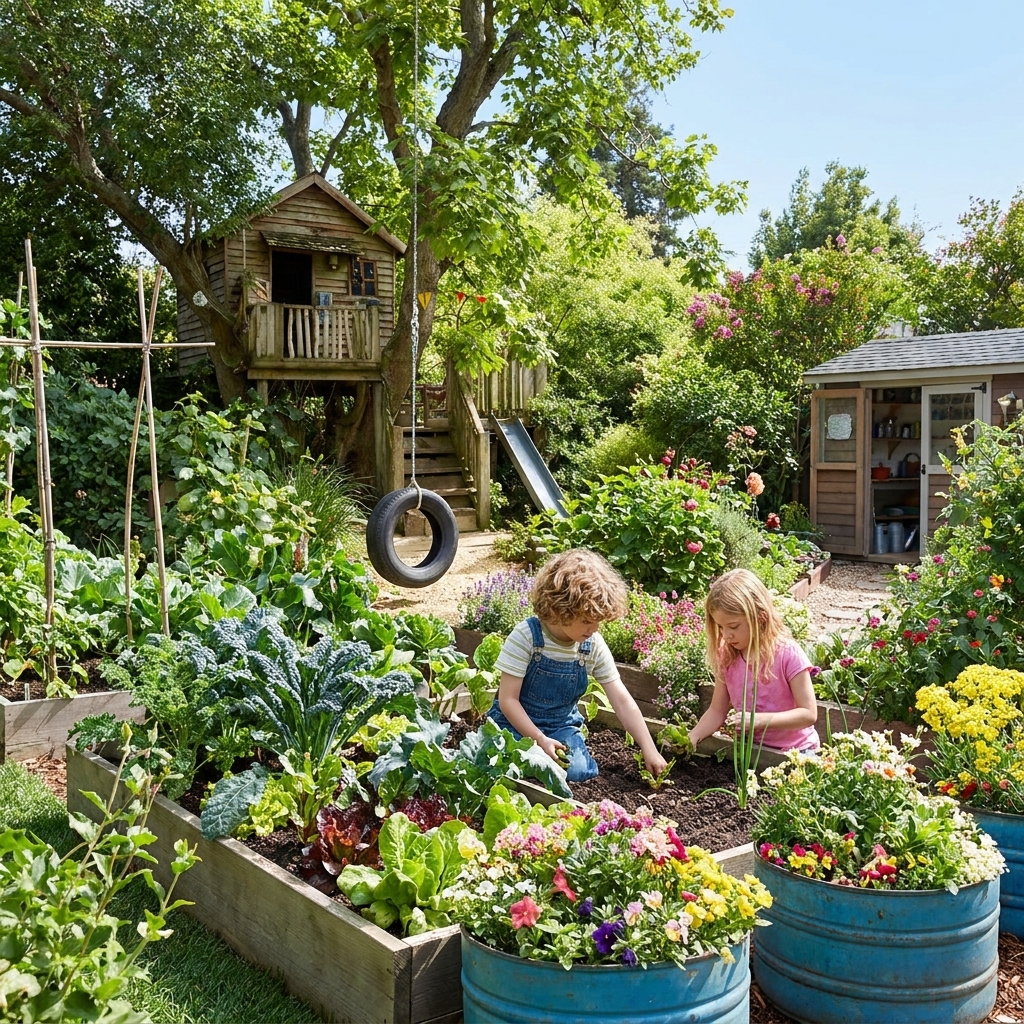
A small garden can become one of the most powerful learning and play environments for children. Whether it is located at home, in a campsite, or set up temporarily during travel stays, a tiny green space offers endless opportunities for creativity, discovery, and relaxation. The idea of A small garden for children. is not just about planting flowers or vegetables—it is about building a living outdoor classroom where kids can explore nature in a hands-on way.
In today’s fast-paced, screen-heavy world, children rarely get the chance to interact deeply with soil, plants, insects, and natural cycles. A small garden changes that. It introduces responsibility, patience, curiosity, and joy. Even more importantly, it becomes a travel-friendly activity when designed in simple, portable ways.
In this article, we will explore why small gardens are so valuable and present 10 fun garden ideas that can be adapted for travel, camping, or temporary outdoor spaces.
Quick Summary Table
| Idea | Type | Materials Needed | Skill Level | Travel Friendly | Learning Focus |
| Mini Herb Pot Garden | Planting | Pots, soil, seeds | Easy | High | Plant growth |
| Bottle Vertical Garden | DIY setup | Plastic bottles, soil | Medium | High | Recycling |
| Seed Sprout Jar | Indoor/portable | Jar, seeds, water | Easy | Very high | Germination |
| Sand & Soil Lab | Outdoor play | Sand, soil tools | Easy | High | Texture learning |
| Fairy Garden Setup | Creative play | Small figures, plants | Easy | Medium | Imagination |
| Watering Schedule Game | Routine activity | Water can | Easy | High | Responsibility |
| Butterfly Attraction Garden | Nature project | Flowers, nectar plants | Medium | Medium | Ecosystem |
| Mini Vegetable Patch | Edible garden | Seeds, soil box | Medium | Medium | Food growth |
| Rock & Plant Design | Decoration | Stones, plants | Easy | High | Creativity |
| Travel Garden Kit | Portable set | Small tools, seeds | Easy | Very high | Exploration |
Why a small garden is perfect for children
Before diving into the ideas, it is important to understand why A small garden for children. is such a powerful concept for both learning and travel.
1. Hands-on learning experience
Children learn better by doing rather than observing. Gardening teaches biology, chemistry, and environmental science in a natural way.
2. Emotional development
Plants grow slowly, and children learn patience, care, and responsibility.
3. Connection with nature
Modern life often disconnects children from the natural world. Gardening restores that connection.
4. Travel-friendly learning
A small garden does not require a fixed location. Portable setups can be used in hotels, campsites, or temporary homes.
5. Screen-free engagement
Gardening keeps children active and away from digital distractions.
1. Mini Herb Pot Garden Adventure
One of the easiest ways to introduce A small garden for children. is through herbs.
How it works:
Children plant herbs like mint, basil, or parsley in small pots.
What kids learn:
- Plant growth stages
- Responsibility in watering
- Scent recognition and use of herbs
Travel advantage:
Small pots can be carried or recreated anywhere, even in temporary travel stays.
2. Bottle Vertical Garden Project
This idea combines creativity with recycling.
How it works:
Used plastic bottles are cut and turned into vertical plant holders attached to a wall or fence.
What kids learn:
- Recycling and sustainability
- Space-saving gardening techniques
- Plant care in limited areas
Travel advantage:
Can be set up in temporary outdoor spaces or campsites with minimal tools.
3. Seed Sprout Jar Experiment
This is one of the simplest A small garden for children. activities.
How it works:
Seeds are placed inside a glass jar with damp cotton or tissue paper to observe sprouting.
What kids learn:
- Germination process
- Water absorption
- Plant development stages
Travel advantage:
No soil required, making it ideal for hotels or indoor travel spaces.
4. Sand and Soil Exploration Lab
This activity turns gardening into a sensory experience.
How it works:
Children compare sand, soil, and compost textures while exploring how plants grow in each.
What kids learn:
- Soil composition
- Plant requirements
- Sensory development
Travel advantage:
Perfect for beach trips, camping, or outdoor travel environments.
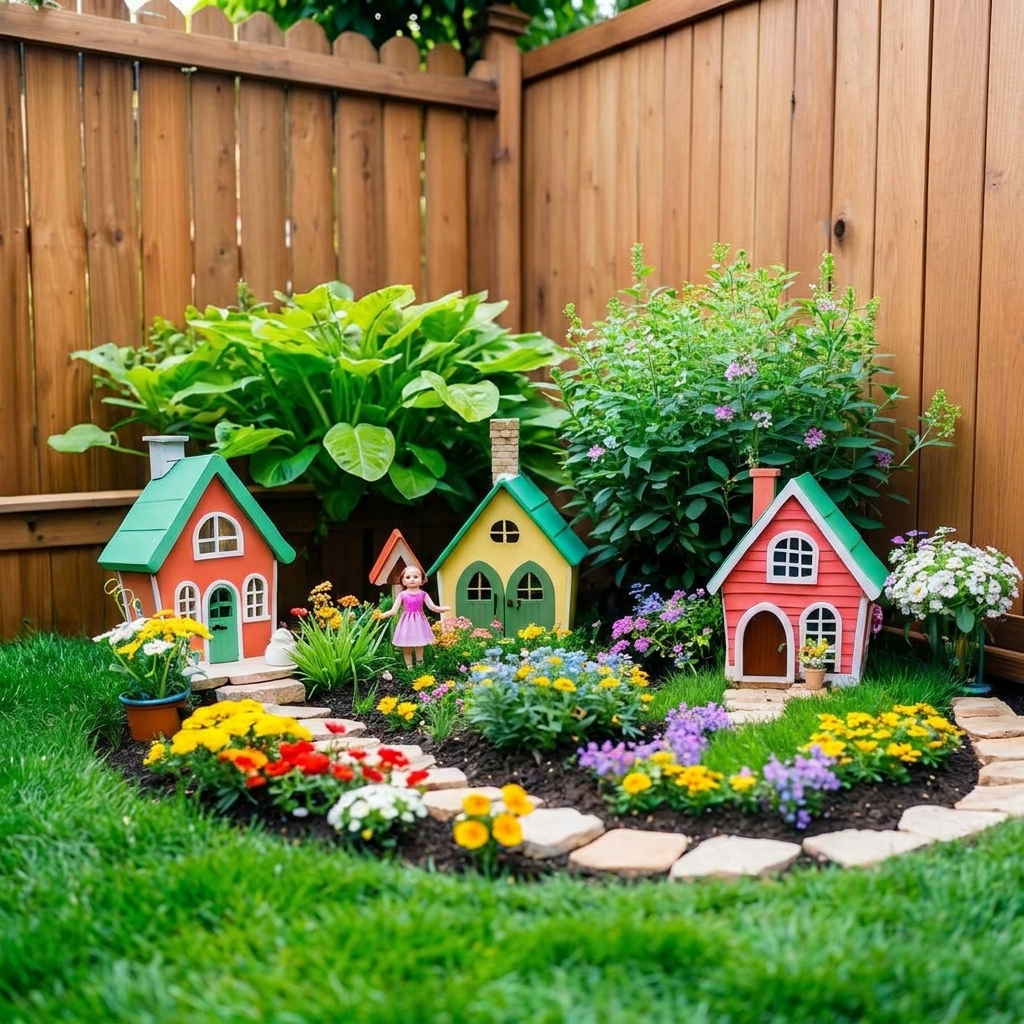
5. Fairy Garden Creative Setup
This idea blends storytelling with gardening.
How it works:
Children design a miniature garden with tiny houses, stones, plants, and decorative items.
What kids learn:
- Creativity and imagination
- Spatial planning
- Care for living plants
Travel advantage:
Can be created in small containers or portable trays.
6. Watering Schedule Responsibility Game
This is a simple but powerful learning activity.
How it works:
Children take turns watering plants on a schedule and tracking growth.
What kids learn:
- Responsibility
- Time management
- Observation skills
Travel advantage:
Works anywhere with minimal setup.
7. Butterfly Attraction Mini Garden
This idea introduces children to ecosystems.
How it works:
Flowers that attract butterflies are planted in small spaces.
What kids learn:
- Pollination
- Ecosystem balance
- Insect behavior
Travel advantage:
Works well in outdoor travel destinations with warm climates.
8. Mini Vegetable Patch Adventure
A productive and educational gardening idea.
How it works:
Children grow small vegetables like tomatoes or radishes in containers.
What kids learn:
- Food production
- Nutrition awareness
- Plant cycles
Travel advantage:
Can be adapted to portable containers during long stays.
9. Rock and Plant Decoration Garden
This is a creative gardening activity.
How it works:
Stones and plants are arranged artistically in a small garden space.
What kids learn:
- Design thinking
- Balance and symmetry
- Artistic expression
Travel advantage:
Requires minimal materials and can be done anywhere.
10. Portable Travel Garden Kit
This is the most travel-friendly version of A small garden for children.
How it works:
A small kit with seeds, mini pots, and tools is carried during travel.
What kids learn:
- Consistency in care
- Observation skills
- Adaptability
Travel advantage:
Designed specifically for mobility and outdoor use.
Educational benefits of small gardens for children
A small garden is not just play—it is education in action.
Cognitive benefits:
- Improves problem-solving
- Encourages curiosity
- Enhances memory through observation
Emotional benefits:
- Reduces stress
- Builds patience
- Encourages responsibility
Social benefits:
- Encourages teamwork
- Builds communication skills
- Strengthens family bonding
Safety tips for children’s gardening activities
Even simple gardening needs care:
- Use child-safe tools
- Avoid toxic plants
- Supervise water use
- Keep tools clean
- Ensure safe outdoor environments
These precautions ensure A small garden for children. remains safe and enjoyable.
How to plan a travel-friendly garden for kids
To make gardening part of travel life:
- Choose portable containers
- Pack lightweight tools
- Use fast-growing seeds
- Combine play with learning
- Keep activities short and engaging
This makes gardening easy to integrate into trips and outdoor stays.
Why children love small gardens
Kids are naturally curious about living things. A small garden gives them:
- Visible progress over time
- Hands-on interaction
- Creative freedom
- A sense of ownership
This emotional connection makes gardening deeply rewarding.
Final thoughts
A small garden is more than just a green space—it is a living experience that teaches, entertains, and inspires. With A small garden for children., families can transform everyday spaces and travel environments into interactive learning zones.
These 10 travel garden fun ideas show that you don’t need a large backyard or expensive tools to introduce children to nature. Even the smallest garden can create big memories, meaningful lessons, and lifelong curiosity.
So whether you are at home, on vacation, or camping outdoors, bring a little soil, a few seeds, and a lot of imagination—and let the garden begin.
