
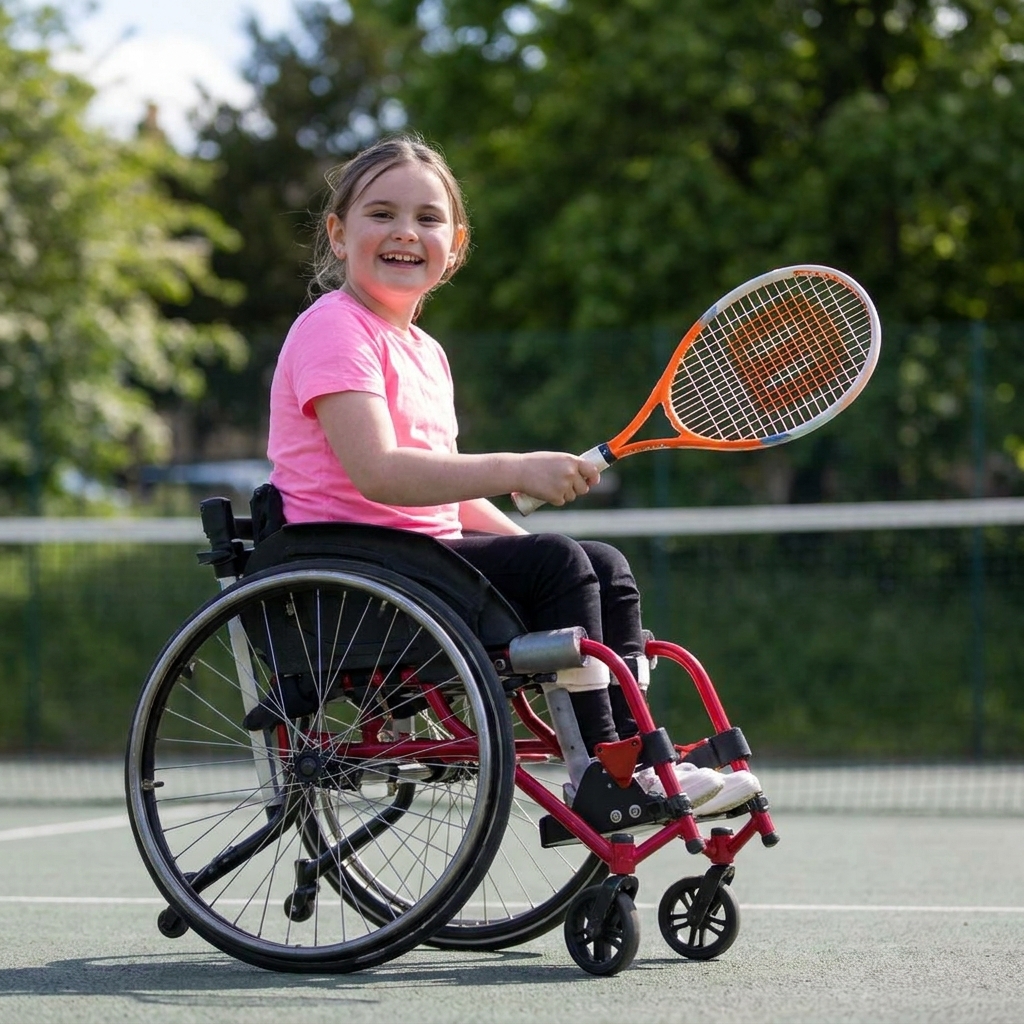
Summer is the perfect season for families to explore new destinations, enjoy fresh air, and create lasting memories together. Every child deserves the opportunity to participate in exciting outdoor experiences, regardless of ability. Fortunately, Active summer recreational activities are available for children with disabilities, making family travel more inclusive, enjoyable, and rewarding than ever before.
From accessible nature trails to adaptive water sports and inclusive camping adventures, families have many opportunities to help children build confidence, develop new skills, and enjoy meaningful experiences. The key is choosing activities that match a child’s interests, abilities, and comfort level while ensuring safety and accessibility.
This guide explores ten of the best travel ideas designed to inspire active summer adventures for children with disabilities and their families.
Why Inclusive Summer Activities Matter
Inclusive outdoor recreation offers benefits that go far beyond entertainment. Participating in accessible activities encourages children to develop physical, social, and emotional skills while strengthening family relationships.
Benefits include:
- Building confidence
- Improving motor skills
- Encouraging independence
- Supporting social interaction
- Promoting physical activity
- Reducing stress
- Creating lifelong memories
- Exploring new environments
With thoughtful planning, every family can enjoy memorable summer adventures.
1. Accessible Nature Trails
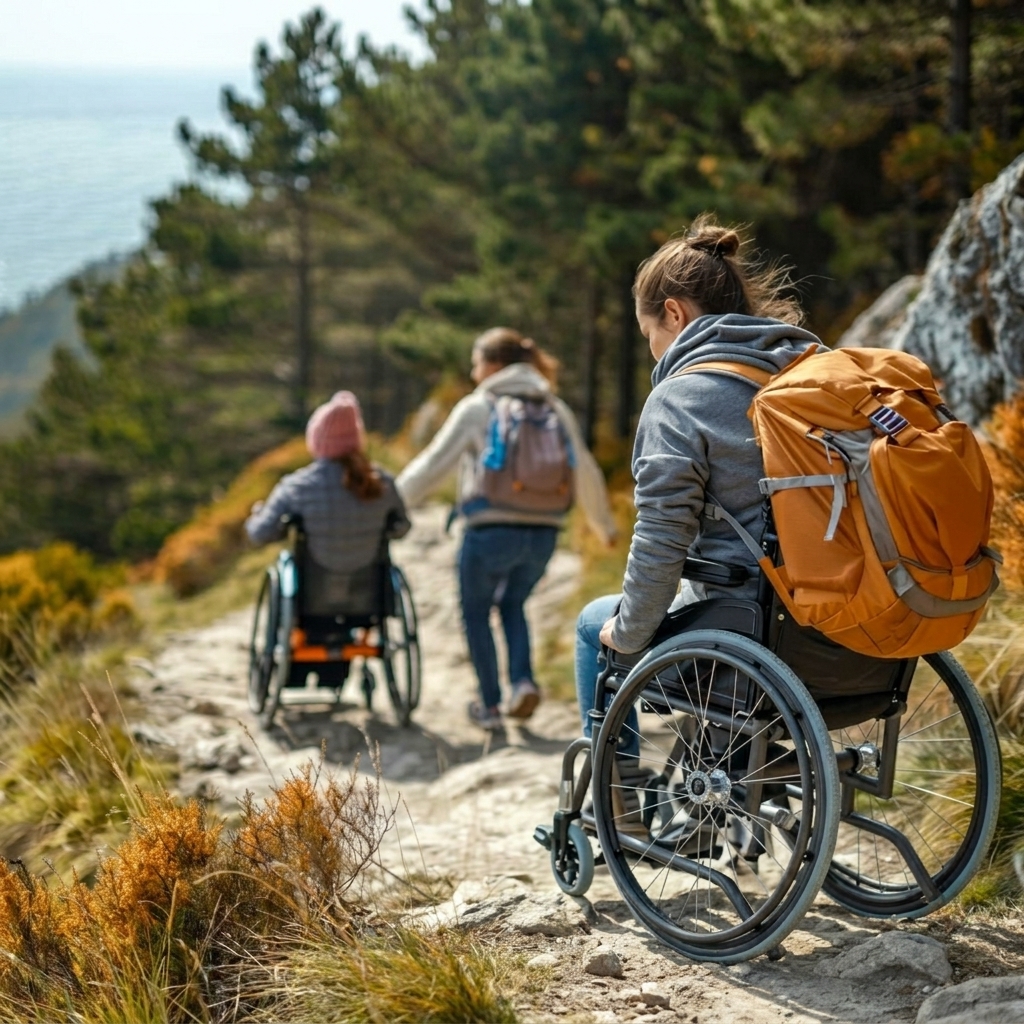
Many parks now feature paved or hard-packed trails suitable for wheelchairs, adaptive strollers, and mobility aids.
Families can enjoy:
- Bird watching
- Wildlife observation
- Photography
- Picnics
- Forest exploration
Choose shorter routes with rest areas and accessible facilities.
2. Adaptive Beach Adventures
Many beaches offer:
- Beach wheelchairs
- Accessible boardwalks
- Floating wheelchairs
- Accessible restrooms
- Family picnic areas
Children can safely enjoy the sand, waves, and fresh sea air with appropriate support.
3. Inclusive Camping Trips
Camping introduces children to nature while encouraging teamwork and independence.
Choose campgrounds with:
- Accessible cabins
- Smooth pathways
- Adapted bathrooms
- Family-friendly facilities
Activities may include storytelling, nature walks, stargazing, and wildlife observation.
Quick Summary Table
| Activity | Best Age | Accessibility Features | Benefits |
| Accessible Nature Trails | All Ages | Paved paths | Exploration |
| Adaptive Beach Visits | All Ages | Beach wheelchairs | Outdoor fun |
| Inclusive Camping | 5+ | Accessible campsites | Teamwork |
| Adaptive Cycling | 6+ | Adaptive bikes | Physical fitness |
| Accessible Boating | 7+ | Boarding assistance | Confidence |
| Inclusive Playgrounds | All Ages | Adaptive equipment | Social skills |
| Wildlife Parks | 5+ | Accessible paths | Learning |
| Adaptive Swimming | 4+ | Pool lifts | Coordination |
| Botanical Gardens | All Ages | Smooth walkways | Relaxation |
| Family Nature Photography | 6+ | Easy trails | Creativity |
4. Adaptive Cycling Adventures
Many destinations rent adaptive bicycles, including:
- Handcycles
- Tandem bikes
- Tricycles
- Recumbent bicycles
Cycling encourages physical activity while allowing families to explore together.
5. Accessible Boat Tours
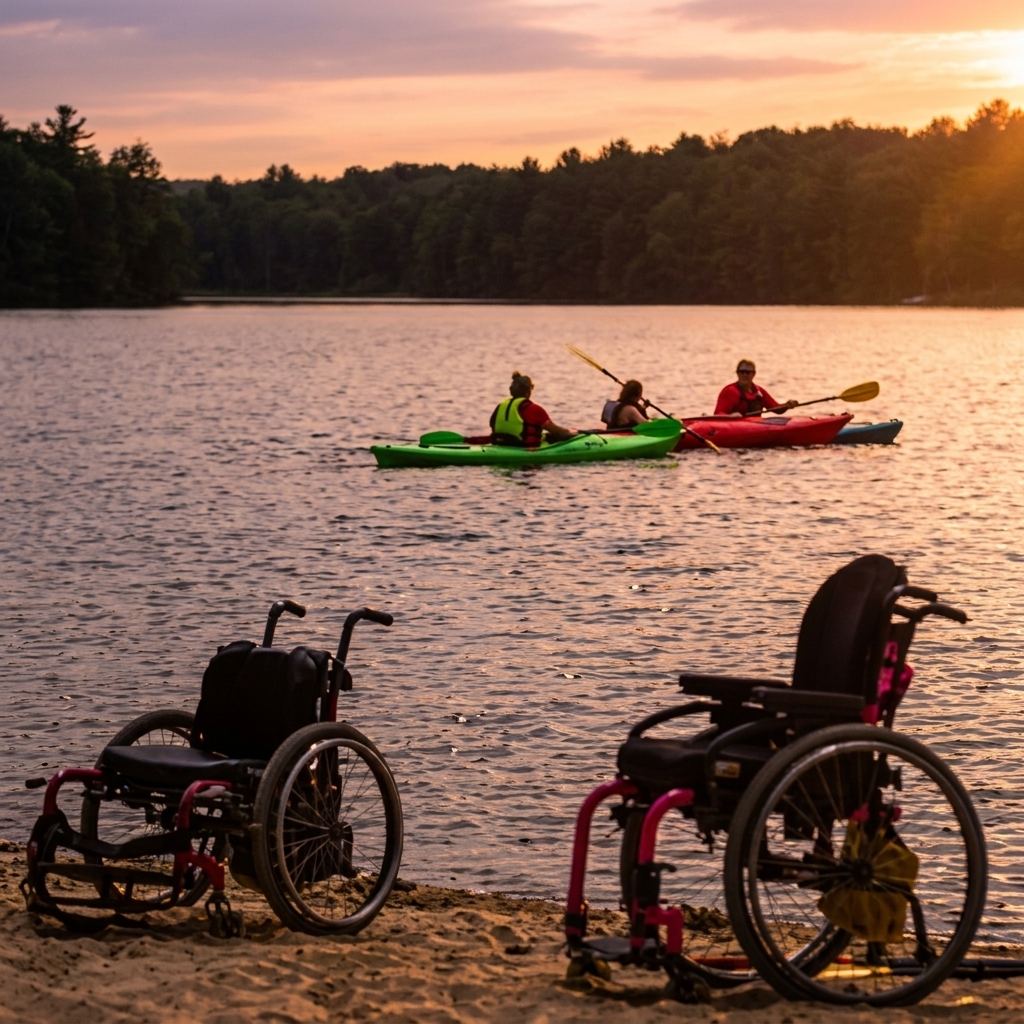
Lakes, rivers, and coastal destinations often provide accessible boat tours with:
- Wheelchair ramps
- Accessible seating
- Safety equipment
- Helpful staff
Children experience nature from a unique perspective.
6. Inclusive Adventure Playgrounds
Modern playgrounds increasingly include:
- Wheelchair-accessible ramps
- Sensory play equipment
- Adaptive swings
- Musical play stations
- Inclusive climbing structures
These spaces encourage children of all abilities to play together.
7. Wildlife Park Exploration
Accessible wildlife parks provide opportunities to observe:
- Birds
- Deer
- Butterflies
- Reptiles
- Farm animals
Many parks offer educational programs designed for children with diverse abilities.
8. Adaptive Swimming
Swimming provides excellent low-impact exercise.
Look for facilities offering:
- Pool lifts
- Warm-water pools
- Adaptive lessons
- Family swim sessions
- Accessible changing rooms
Water activities improve confidence and coordination.
9. Botanical Garden Discovery
Botanical gardens offer peaceful environments with accessible pathways.
Children can explore:
- Colorful flowers
- Butterflies
- Fragrant plants
- Water features
- Outdoor sculptures
These visits combine education with relaxation.
10. Family Nature Photography Walk
Photography encourages observation and creativity.
Children can photograph:
- Flowers
- Birds
- Trees
- Clouds
- Insects
- Landscapes
Even a smartphone camera can inspire curiosity and confidence.
Tips for Planning Accessible Family Travel
Before traveling:
- Research accessibility information.
- Contact venues in advance.
- Pack medications and essentials.
- Allow flexible schedules.
- Plan frequent rest breaks.
- Bring sun protection.
- Pack snacks and water.
- Prepare backup activities.
Good planning helps reduce stress for everyone.
Essential Travel Checklist
Bring:
- Mobility aids
- Medical supplies
- Comfortable clothing
- Sun hats
- Sunscreen
- Water bottles
- Healthy snacks
- First-aid kit
- Emergency contacts
- Portable charger
Preparation makes outdoor adventures smoother and more enjoyable.
Benefits of Inclusive Travel
Travel helps children:
- Build self-confidence
- Improve communication
- Experience independence
- Strengthen family bonds
- Develop social skills
- Appreciate nature
- Explore new environments
- Create lasting memories
Every successful adventure becomes a source of confidence.
Safety Tips
Always:
- Follow medical recommendations.
- Stay hydrated.
- Monitor weather conditions.
- Take regular breaks.
- Supervise water activities.
- Wear suitable clothing.
- Keep emergency contacts available.
- Respect each child’s comfort level.
The goal is participation, enjoyment, and safety—not competition.
Frequently Asked Questions
What are the best active summer recreational activities for children with disabilities?
Accessible hiking, adaptive cycling, swimming, beach visits, camping, and nature photography are excellent options.
Can these activities be enjoyed by the whole family?
Yes. Inclusive activities are designed so children, siblings, parents, and caregivers can participate together.
Are accessible travel destinations easy to find?
Many parks, beaches, campgrounds, and attractions now provide accessibility information online and continue to improve inclusive facilities.
How do I choose the right activity?
Consider your child’s interests, mobility, sensory preferences, energy level, and any guidance from healthcare professionals or therapists.
Conclusion
Active summer recreational activities are available for children with disabilities, making it possible for every family to enjoy meaningful outdoor adventures. From accessible hiking trails and adaptive cycling to inclusive camping and beach experiences, these travel ideas encourage confidence, independence, learning, and family connection.
By choosing destinations with accessible facilities and planning ahead, parents can create unforgettable summer experiences that celebrate every child’s abilities. The greatest adventures are those where everyone feels welcome, included, and free to explore the beauty of the outdoors together.
