
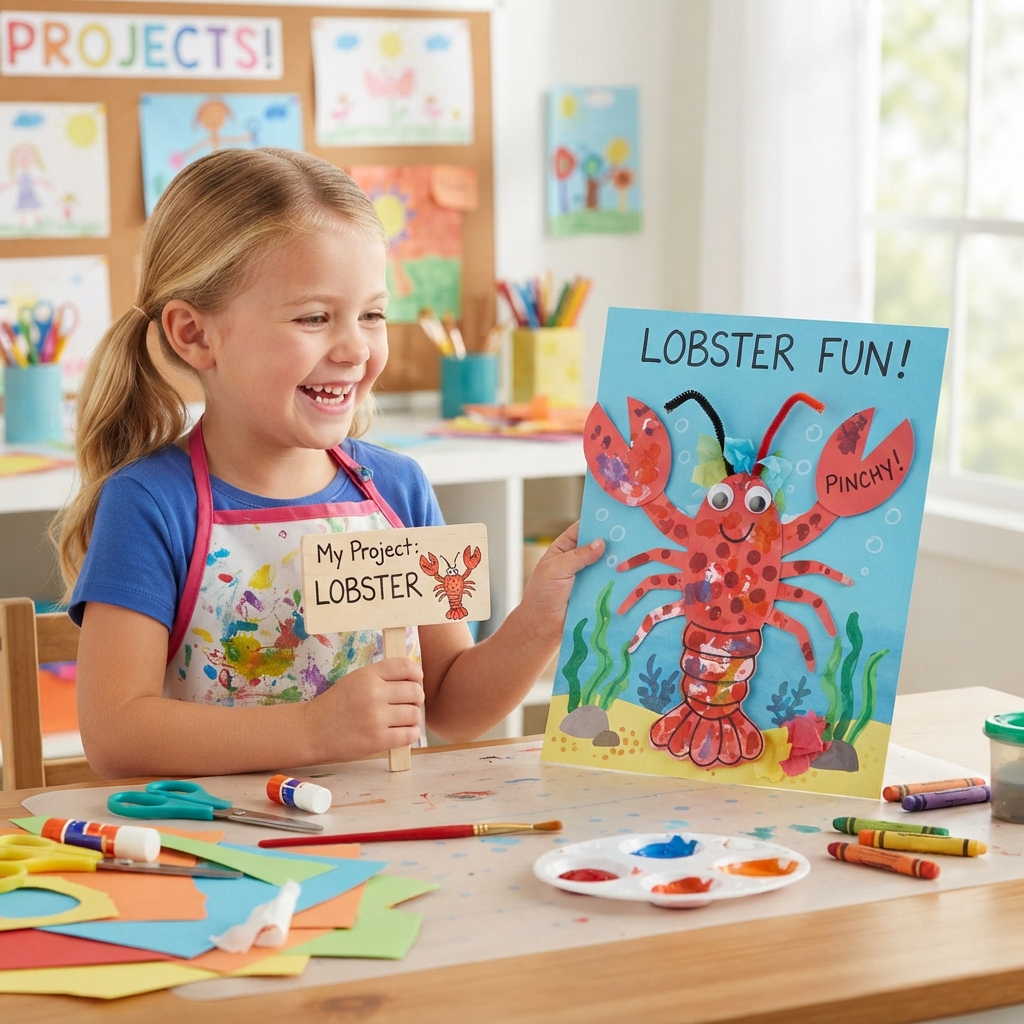
Craft projects are a fantastic way to spark children’s creativity while helping them develop important skills such as fine motor coordination, problem-solving, and artistic expression. One exciting ocean-themed activity is creating The Lobster, a colorful craft that introduces children to one of the sea’s most interesting creatures. Using simple materials and plenty of imagination, children can design their own cheerful lobster to display at home, in the classroom, or as part of an underwater-themed art collection.
This hands-on project is suitable for preschoolers, elementary school students, homeschool activities, summer camps, and family craft afternoons. It encourages children to experiment with colors, shapes, and textures while learning fascinating facts about marine life.
In this article, we’ll explore the materials needed, step-by-step instructions, creative decorating ideas, educational benefits, and ways to extend the activity into a fun learning experience.
Why Make a Lobster Craft?
Lobsters are well-known marine animals with long antennae, large claws, and hard protective shells. Their unique appearance makes them an exciting subject for children’s artwork.
Creating a lobster craft allows children to:
- Learn about ocean animals
- Improve fine motor skills
- Practice cutting and gluing
- Explore colors and patterns
- Express creativity
- Build confidence by completing a project
The finished lobster becomes a colorful decoration that children can proudly share.
Materials You’ll Need
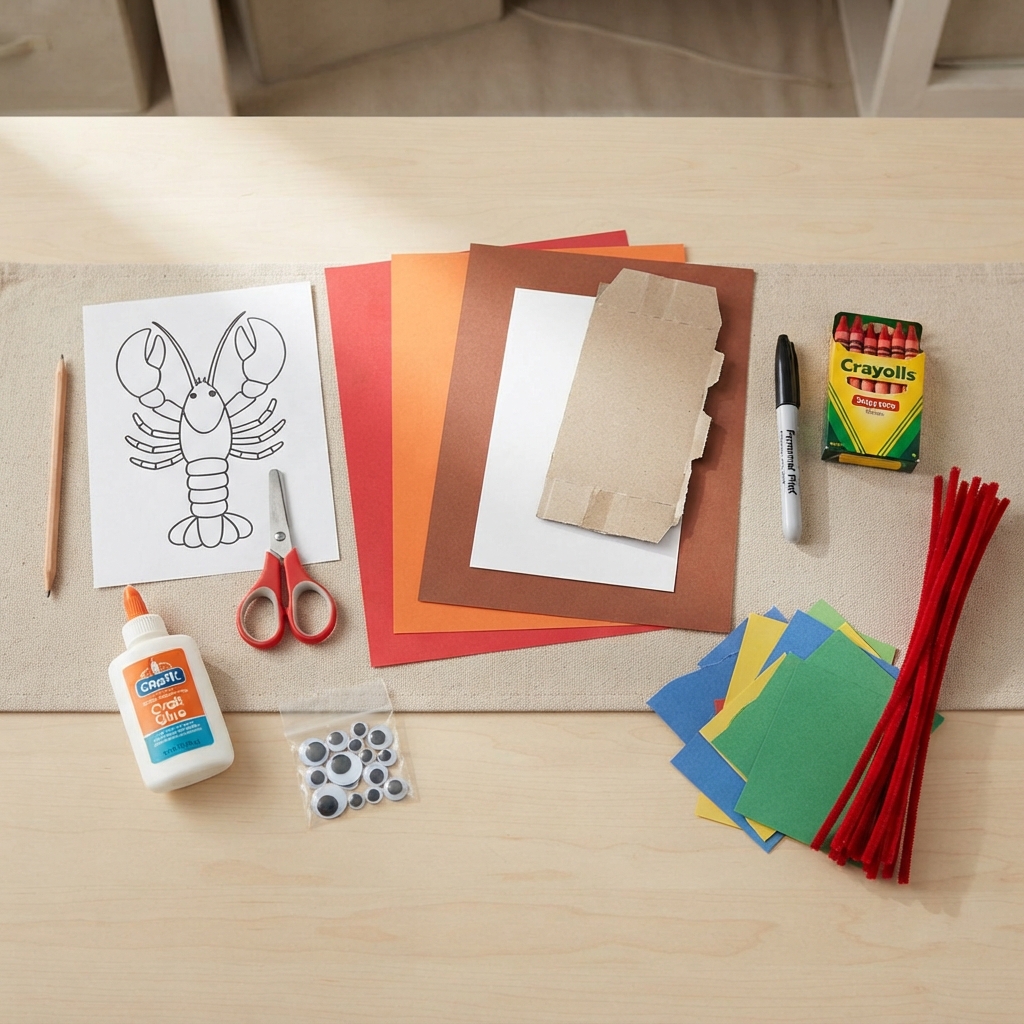
Most of the supplies are inexpensive and easy to find.
Basic Materials
- Red, orange, or brown construction paper
- Cardstock or lightweight cardboard
- Pencil
- Lobster template (optional)
- Child-safe scissors
- Craft glue
- Googly eyes
- Black marker
- Red crayons or markers
- Pipe cleaners
- Colored paper scraps
Optional Decorations
- Glitter glue
- Sequins
- Pom-poms
- Buttons
- Stickers
- Tissue paper
- Foam shapes
- Yarn
Preparing the Lobster
Begin by drawing or printing a simple lobster outline.
The design should include:
- Body
- Head
- Two large claws
- Eight walking legs
- Long antennae
- Tail
Older children may enjoy drawing their own lobster, while younger children can trace a prepared template.
Cutting Out the Pieces
Carefully cut out each part of the lobster.
If the project uses separate pieces, children can glue them together to build the complete animal.
This step helps strengthen hand muscles and improves scissor skills.
Coloring the Lobster
Before decorating, children can color their lobster.
Popular color choices include:
- Bright red
- Orange
- Brown
- Pink
- Purple
- Rainbow colors for a fantasy lobster
Encourage creativity rather than realism.
Adding Details
Children can make their lobster more expressive by adding:
- Large googly eyes
- A smiling face
- Colorful claws
- Decorative spots
- Patterned tail
- Bright antennae
Each lobster can have its own unique personality.
Decorating the Lobster
Now it’s time to make the lobster stand out.
Children can decorate it using:
- Glitter
- Tissue paper pieces
- Buttons
- Pom-poms
- Stickers
- Sequins
- Colored paper shapes
- Yarn for textured legs
Mixing different materials creates a fun three-dimensional effect.
Creating an Ocean Background
Place the finished lobster on an underwater scene.
Children can add:
- Blue construction paper
- Seaweed
- Coral reefs
- Fish
- Sea stars
- Seashells
- Sand
- Bubbles
- Crabs
- Jellyfish
The lobster becomes part of a lively ocean habitat.
Creative Themes
Children enjoy designing different kinds of lobsters.
Friendly Lobster
Bright colors with a smiling face.
Rainbow Lobster
Every claw, leg, and tail section uses different colors.
Glitter Lobster
Decorated with sparkling glitter and sequins.
Ocean Explorer
Blue, turquoise, and green accents.
Cartoon Lobster
Large eyes, funny smile, and playful decorations.
Nature Lobster
Earthy colors with textured paper.
Educational Benefits
This project supports many areas of child development.
Fine Motor Skills
Cutting, gluing, and decorating strengthen hand muscles needed for writing.
Hand-Eye Coordination
Children carefully place decorations where they want them.
Creativity
Every lobster looks different because children make their own artistic choices.
Concentration
Following each step encourages patience and attention to detail.
Color Recognition
Children practice identifying and combining different colors.
Problem-Solving
Children decide how to arrange decorations and solve small design challenges.
Confidence
Completing the project gives children a sense of achievement.
Learning About Lobsters
As children work, adults can introduce interesting facts.
For example:
- Lobsters live in oceans around the world.
- They have a hard outer shell called an exoskeleton.
- Their large claws help them catch food and protect themselves.
- Lobsters use their long antennae to sense their surroundings.
- They walk along the ocean floor.
- They molt, or shed their shells, as they grow.
These facts turn the craft into an engaging science lesson.
Classroom Applications
Teachers can include this activity in units about:
- Ocean habitats
- Marine biology
- Sea animals
- Summer themes
- Art lessons
- Environmental awareness
- Coastal ecosystems
Finished lobsters create a colorful classroom display.
Family Craft Time
Parents can enjoy this activity with their children by:
- Making matching lobsters
- Creating an ocean mural together
- Displaying finished artwork at home
- Making handmade gifts
- Telling ocean stories inspired by the craft
These shared experiences encourage creativity and family bonding.
Safety Tips
Keep the activity safe by following a few simple guidelines:
- Supervise children when using scissors.
- Use non-toxic glue and craft supplies.
- Keep small decorations away from very young children.
- Cover the work area with newspaper or a craft mat.
- Wash hands after crafting if paint or glue is used.
A safe environment allows children to focus on having fun.
Display Ideas
The completed lobster can be used in many creative ways.
Display it as:
- Wall art
- A classroom bulletin board decoration
- A greeting card design
- A scrapbook page
- A bedroom decoration
- A summer party decoration
- A refrigerator magnet
- Part of an ocean-themed collage
Children enjoy seeing their artwork on display.
Tips for Success
To make the project even more enjoyable:
- Prepare materials before starting.
- Encourage imagination instead of perfection.
- Allow children to choose their own colors.
- Let glue dry completely before moving the craft.
- Praise effort as much as the finished result.
- Play ocean-themed music while crafting for a fun atmosphere.
Creative Variations
Once children finish one lobster, they can explore other ideas.
Try creating:
- A family of lobsters in different sizes
- A lobster puppet using a paper bag
- A movable lobster with split pins
- A lobster mask for imaginative play
- A 3D lobster using recycled cardboard
- A lobster bookmark
- An ocean diorama featuring the lobster
Each variation offers a new challenge and encourages further creativity.
Conclusion
Creating The Lobster is a fun and educational craft project that combines art, imagination, and learning. Using simple materials, children can build and decorate a colorful lobster while practicing essential skills such as cutting, gluing, coloring, and creative design. Along the way, they also discover interesting facts about marine life and gain a greater appreciation for the incredible creatures that live beneath the sea.
Whether completed at home, in the classroom, or during a summer camp, this hands-on activity encourages curiosity, builds confidence, and inspires a love of creativity. Every finished lobster is unique, reflecting the child’s imagination and celebrating the fascinating world of the ocean.
