
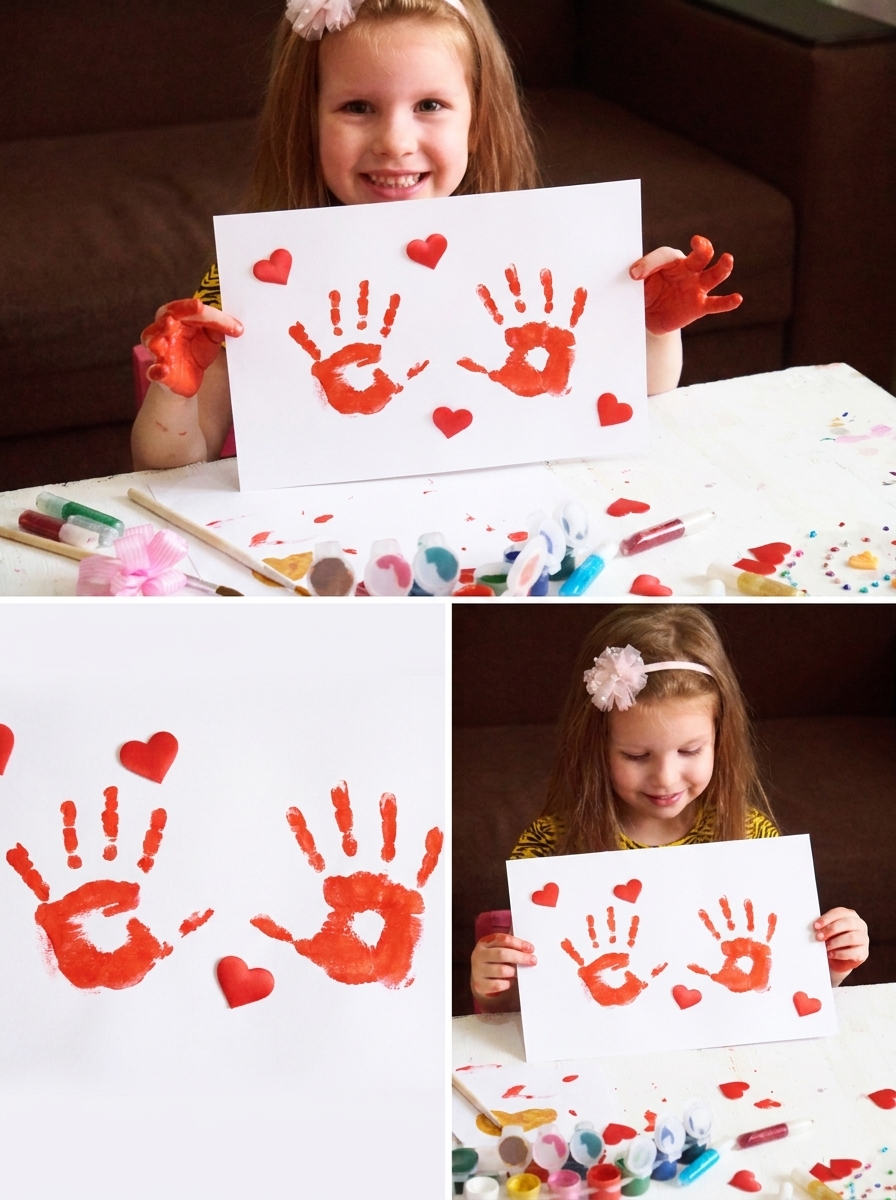
Art activities are a wonderful way to encourage creativity, self-expression, and learning in children. Among the many easy and affordable craft ideas available, one of the most exciting is to make trees or animals with fingerprints and colors. This simple art technique transforms ordinary fingerprints into beautiful trees, colorful animals, and imaginative scenes. Children love seeing how a small fingerprint can become a butterfly, a bird, a fish, or even a blooming tree.
Fingerprint art is perfect for homes, classrooms, daycare centers, and art workshops because it requires only a few supplies and offers endless creative possibilities. It also helps children develop fine motor skills, hand-eye coordination, and artistic confidence while having fun.
In this article, you’ll discover twelve exciting fingerprint art projects, learn about their educational benefits, and find helpful tips for creating memorable artwork with children of all ages.
Quick Summary Table
| Project | Difficulty | Age Group | Main Materials |
| Fingerprint Tree | Easy | 3+ | Paint, paper |
| Autumn Tree | Easy | 4+ | Paint, markers |
| Cherry Blossom Tree | Easy | 5+ | Pink paint, paper |
| Fingerprint Butterfly | Easy | 3+ | Paint, markers |
| Fingerprint Fish | Easy | 4+ | Paint, paper |
| Fingerprint Peacock | Medium | 5+ | Multiple paint colors |
| Fingerprint Owl | Medium | 5+ | Paint, markers |
| Fingerprint Caterpillar | Easy | 3+ | Paint, paper |
| Fingerprint Ladybug | Easy | 4+ | Red and black paint |
| Fingerprint Elephant | Medium | 6+ | Gray paint, markers |
| Fingerprint Bird Scene | Medium | 5+ | Paint, colored paper |
| Fingerprint Zoo Art | Advanced | 6+ | Multiple colors |
Why Fingerprint Art Is So Popular
Children naturally enjoy painting with their hands. Fingerprint art allows them to participate directly in the creative process without needing advanced artistic skills.
Some reasons why fingerprint crafts are so popular include:
- Easy to create
- Affordable materials
- Suitable for all ages
- Encourages imagination
- Supports learning through play
- Creates unique artwork every time
Since no two fingerprints are identical, every project becomes a one-of-a-kind masterpiece.
Materials Needed
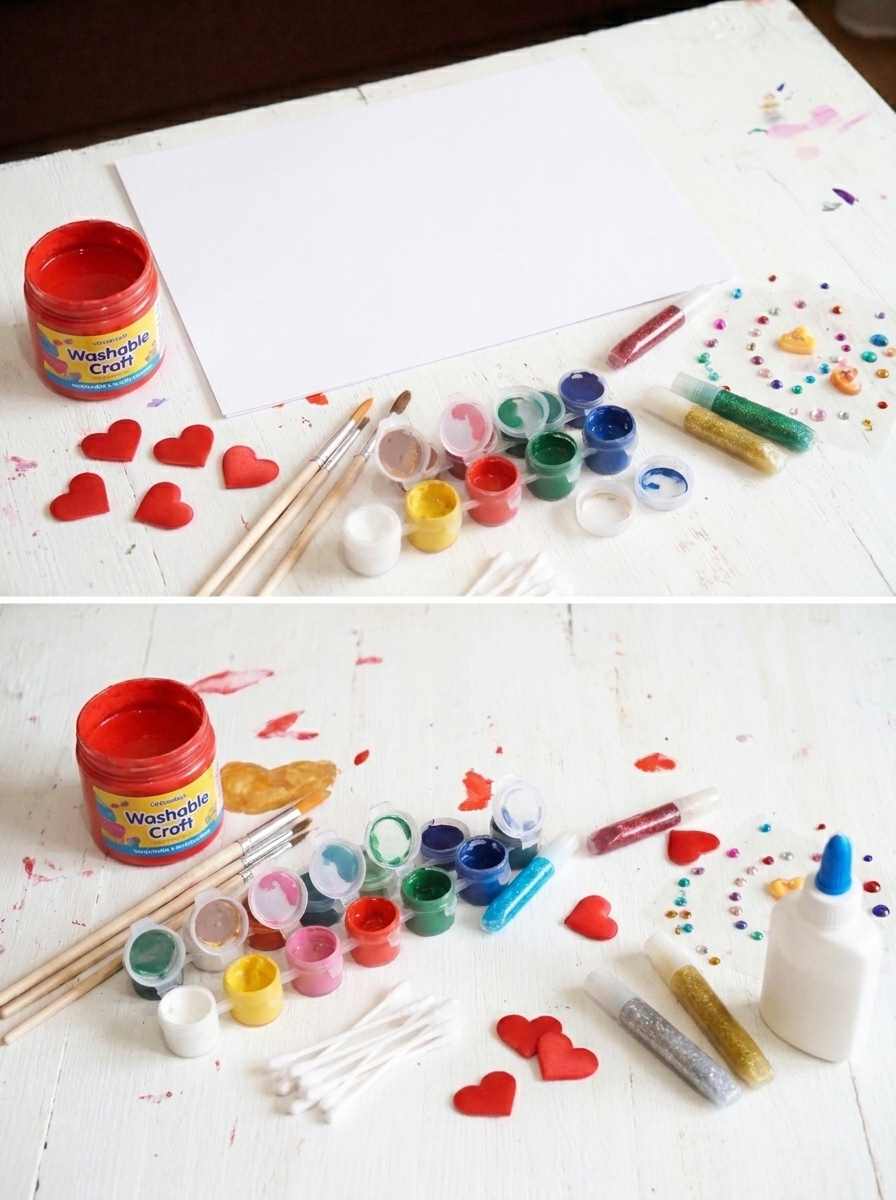
Before you begin, gather the following supplies:
- Washable paint
- White cardstock or drawing paper
- Paint palette
- Wet wipes
- Markers
- Colored pencils
- Paintbrushes
- Water cup
- Apron or old clothes
- Protective table covering
Using washable paint makes cleanup much easier, especially when working with younger children.
Educational Benefits of Fingerprint Art
When children make trees or animals with fingerprints and colors, they gain more than artistic enjoyment.
Fine Motor Development
Dipping fingers into paint and carefully pressing them onto paper strengthens small hand muscles.
Creativity
Children learn to transform simple shapes into imaginative designs.
Color Recognition
Projects encourage experimentation with different colors and combinations.
Confidence Building
Creating original artwork helps children feel proud of their accomplishments.
Focus and Concentration
Fingerprint projects require attention to detail, improving concentration skills.
Project 1: Fingerprint Spring Tree
A fingerprint tree is one of the easiest and most beautiful beginner projects.
Instructions
- Draw a tree trunk with brown paint or markers.
- Dip fingers into green paint.
- Press fingerprints around the branches.
- Continue adding prints to create lush foliage.
Creative Variation
Use different shades of green for a more realistic appearance.
Project 2: Fingerprint Autumn Tree
Celebrate fall with colorful fingerprint leaves.
Instructions
- Draw a tree trunk.
- Use red, orange, yellow, and brown paint.
- Add fingerprints around the branches.
- Place some prints below the tree to represent fallen leaves.
Learning Opportunity
Discuss seasonal changes and why leaves change color.
Project 3: Cherry Blossom Tree
This project creates a stunning springtime scene.
Instructions
- Draw a dark tree trunk and branches.
- Use pink paint for blossoms.
- Add clusters of fingerprints along the branches.
- Mix light and dark pink shades for depth.
Why Kids Love It
The bright colors make the finished artwork look magical.
Project 4: Fingerprint Butterfly
Butterflies are among the most popular fingerprint animals.
Instructions
- Place two fingerprints side by side for wings.
- Add another set below.
- Draw a body in the center.
- Add antennae and decorative wing patterns.
Fun Tip
Use multiple colors for rainbow butterflies.
Project 5: Fingerprint Fish
Children enjoy creating colorful underwater scenes.
Instructions
- Make a fingerprint on the paper.
- Draw a tail fin.
- Add an eye and scales.
- Create several fish to form an aquarium scene.
Extension Activity
Discuss ocean habitats and marine life.
Project 6: Fingerprint Peacock
A peacock offers an exciting opportunity to explore vibrant colors.
Instructions
- Create a thumbprint for the body.
- Add multiple colorful fingerprints behind it.
- Draw feather details.
- Add eyes and legs.
Artistic Benefit
This project encourages color experimentation.
Project 7: Fingerprint Owl
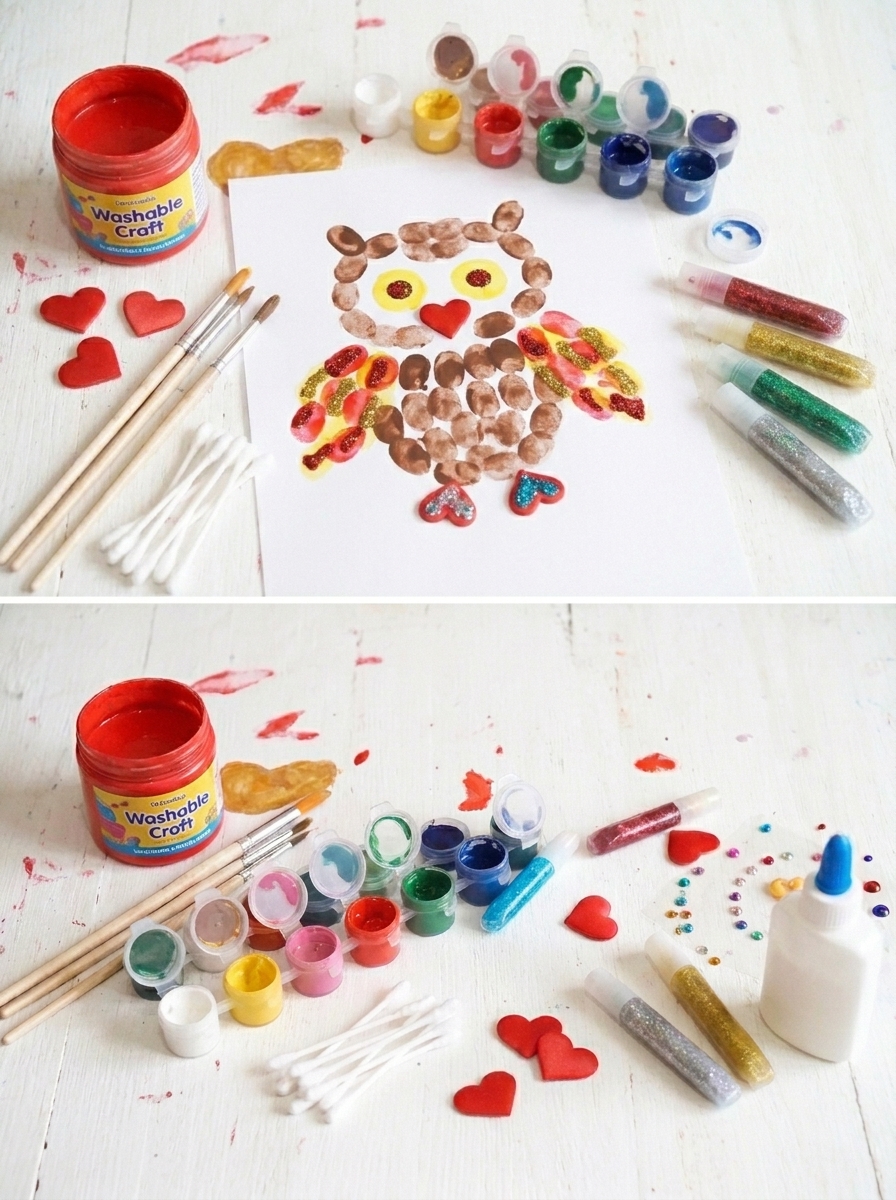
Owls are adorable and easy to create using fingerprints.
Instructions
- Make a large thumbprint.
- Draw eyes, wings, and feet.
- Add branch details.
- Create a nighttime background.
Educational Value
Introduce children to nocturnal animals.
Project 8: Fingerprint Caterpillar
Perfect for younger children.
Instructions
- Create a row of fingerprints.
- Draw a smiling face on the first print.
- Add tiny legs and antennae.
- Decorate the background with flowers.
Learning Connection
Discuss the butterfly life cycle.
Project 9: Fingerprint Ladybug
This project combines art and nature.
Instructions
- Create a red fingerprint.
- Draw a black line down the center.
- Add black spots.
- Draw a small head and legs.
Nature Lesson
Talk about beneficial insects in gardens.
Project 10: Fingerprint Elephant
Older children enjoy turning fingerprints into larger animals.
Instructions
- Use a gray thumbprint.
- Draw a trunk, ears, and legs.
- Add a background scene.
- Include grass and trees.
Skill Development
Encourages observation and imagination.
Project 11: Fingerprint Bird Scene
Build an entire landscape using fingerprints.
Instructions
- Create birds using colored fingerprints.
- Draw wings and beaks.
- Add trees and clouds.
- Create a complete nature scene.
Creative Challenge
Use different bird species and colors.
Project 12: Fingerprint Zoo Art
This is the ultimate fingerprint project.
Instructions
- Divide the paper into sections.
- Create multiple animals using fingerprints.
- Add backgrounds for each habitat.
- Label the animals.
Why It Stands Out
Children can combine everything they have learned into one artwork.
Tips for Successful Fingerprint Art
Use Washable Paint
Children can enjoy the process without worrying about messes.
Start Simple
Begin with easy projects before moving to more detailed designs.
Encourage Creativity
Allow children to invent their own animals and trees.
Protect Clothing
Wear old clothes or aprons when painting.
Keep Wet Wipes Nearby
Quick cleanup makes the activity more enjoyable.
Seasonal Fingerprint Art Ideas
Fingerprint art can be adapted throughout the year.
Spring
- Cherry blossom trees
- Butterflies
- Baby birds
Summer
- Tropical fish
- Palm trees
- Colorful insects
Autumn
- Fall trees
- Forest animals
- Harvest scenes
Winter
- Snowy trees
- Penguins
- Reindeer
These seasonal projects keep activities fresh and exciting.
Classroom Applications
Teachers often use fingerprint art to support lessons in:
- Science
- Nature studies
- Seasonal themes
- Art education
- Creative writing
Students can even write stories based on the animals they create.
Family Bonding Through Art
Fingerprint projects are excellent family activities because they encourage cooperation and creativity.
Parents and children can:
- Create family trees
- Design greeting cards
- Make personalized gifts
- Decorate rooms together
These shared experiences often become cherished memories.
Displaying Fingerprint Artwork
After completing projects, consider displaying them creatively.
Frame Favorite Pieces
Artwork becomes a lasting keepsake.
Create a Gallery Wall
Showcase multiple projects together.
Make Greeting Cards
Fingerprint animals make unique handmade cards.
Build a Scrapbook
Document artistic progress over time.
Common Mistakes to Avoid
Using Too Much Paint
Excess paint can blur fingerprints.
Rushing the Project
Allow paint to dry before adding details.
Limiting Creativity
Children should feel free to experiment.
Ignoring Cleanup Preparation
Prepare wipes and paper towels beforehand.
Conclusion
When children make trees or animals with fingerprints and colors, they unlock a world of imagination, creativity, and learning. These simple projects require only basic supplies but provide countless opportunities for artistic exploration. From colorful butterflies and fish to beautiful cherry blossom trees and imaginative zoo scenes, fingerprint art helps children develop important skills while having fun.
The twelve projects featured in this guide are suitable for a variety of ages and skill levels, making them perfect for families, teachers, and caregivers. Whether you’re planning a rainy-day activity, a classroom lesson, or a weekend craft session, fingerprint art offers a memorable and engaging experience.
Gather your paints, roll up your sleeves, and start creating. A single fingerprint can become an entire world of colorful trees, animals, and artistic adventures.
