
The Home lava lamp experiment is one of the most exciting science activities children can try at home. It combines colorful visuals, simple household ingredients, and fascinating scientific principles into a hands-on learning experience. Kids love watching colorful bubbles float up and down like a real lava lamp, while parents and teachers appreciate how easily the experiment introduces basic science concepts.
Unlike complicated science projects that require special equipment, the Home lava lamp experiment uses items commonly found in most kitchens. This makes it affordable, safe, and accessible for families looking for educational entertainment.
In this article, we will explore how the experiment works, why children enjoy it so much, the science behind the bubbling action, and practical tips for making the activity even more engaging.
Quick Summary Table
| Feature | Details |
| Experiment Name | Home lava lamp experiment |
| Difficulty Level | Easy |
| Recommended Age | 5+ years |
| Time Required | 10–15 minutes |
| Learning Topics | Density, chemical reactions, liquids |
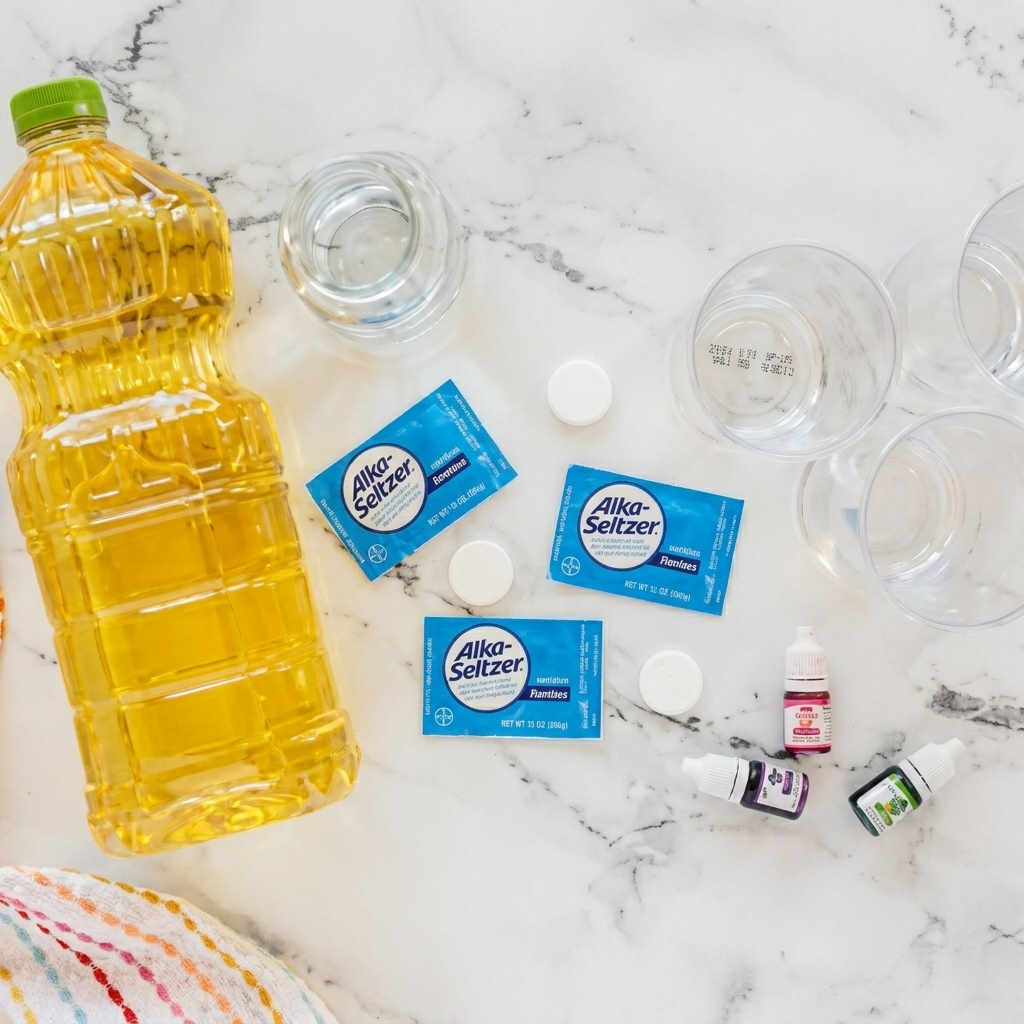
| Main Materials | Water, oil, food coloring, effervescent tablet |
| Educational Value | High |
| Fun Factor | Excellent |
What Is the Home Lava Lamp Experiment?
The Home lava lamp experiment is a simple science activity that creates colorful moving bubbles inside a bottle or glass. Children mix water, oil, food coloring, and an effervescent tablet to produce a mesmerizing effect similar to a commercial lava lamp.
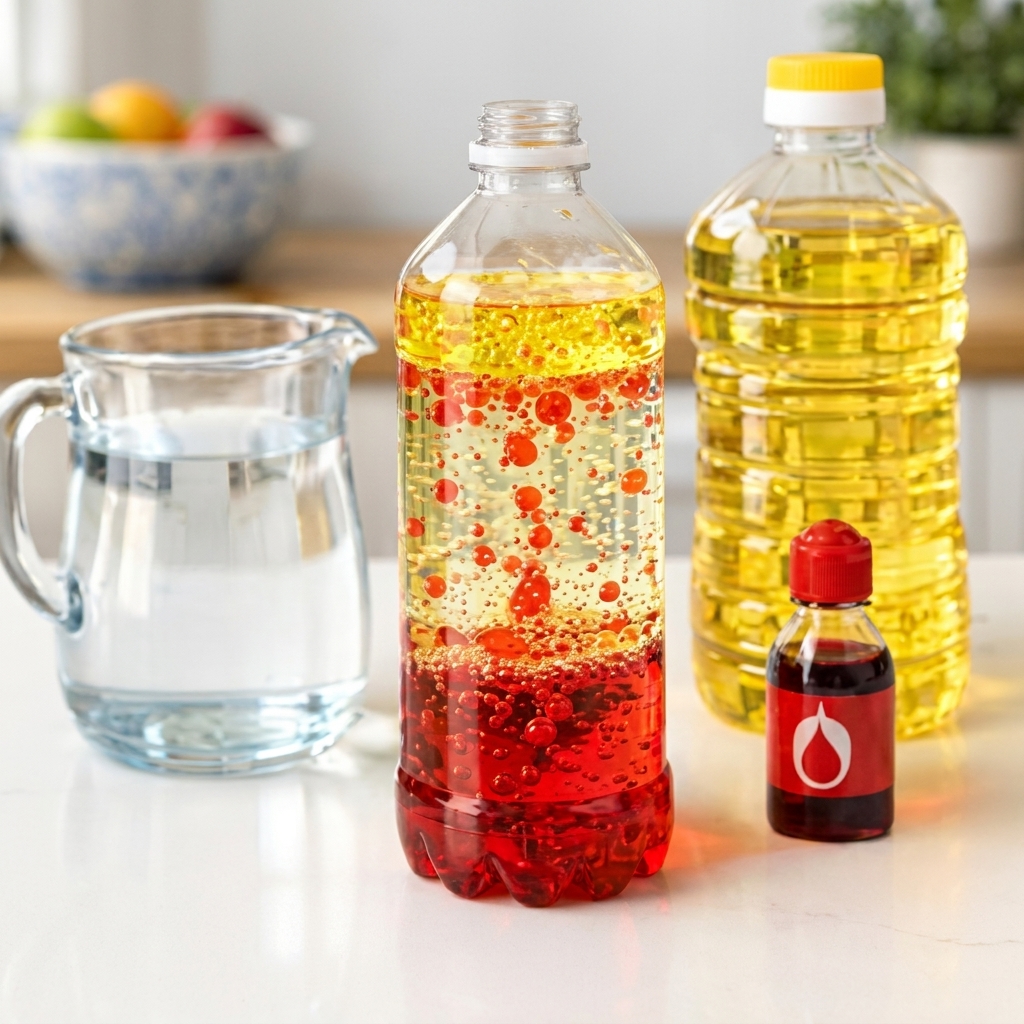
As the tablet reacts with water, carbon dioxide gas forms and carries colored water droplets upward through the oil. When the bubbles reach the top, they release gas and sink back down. This cycle repeats, creating an entertaining display that can last several minutes.
The experiment introduces children to scientific concepts while keeping them engaged through visual excitement.
Materials Needed
One reason the Home lava lamp experiment is so popular is that it requires only a few inexpensive supplies.
Materials List
- Clear plastic bottle or glass jar
- Vegetable oil
- Water
- Food coloring
- Effervescent tablet (such as Alka-Seltzer)
- Spoon
- Tray or protective surface
These materials are easy to find and make the experiment ideal for home learning.
Step-by-Step Instructions
Step 1: Fill the Container
Fill about one-quarter of the bottle with water.
Step 2: Add Oil
Slowly pour vegetable oil into the bottle until it is nearly full.
Wait a few minutes and observe how the oil floats on top of the water.
Step 3: Add Food Coloring
Add several drops of food coloring.
The coloring will pass through the oil and mix with the water below.
Step 4: Add the Tablet
Break the effervescent tablet into small pieces.
Drop one piece into the bottle.
Step 5: Watch the Magic
Colorful bubbles immediately begin moving up and down, creating a lava lamp effect.
Children are often amazed by the movement and colors.
The Science Behind the Home Lava Lamp Experiment
Although the experiment looks magical, it is actually based on simple scientific principles.
Density
Density refers to how much mass is packed into a certain volume.
Water is denser than oil, which is why water stays at the bottom and oil remains on top.
Children can easily observe density by looking at the separate layers.
Liquid Separation
Oil and water do not mix because they have different molecular structures.
Scientists describe them as immiscible liquids.
The clear separation makes the experiment visually appealing and educational.
Chemical Reaction
The effervescent tablet reacts with water and releases carbon dioxide gas.
The gas forms bubbles that attach to colored water droplets.
These bubbles carry the droplets upward through the oil.
When the gas escapes at the surface, the droplets sink back down.
This continuous cycle creates the lava lamp effect.
Why 5 Kids Loved It
Many children enjoy the Home lava lamp experiment, but here are five specific reasons why kids often become excited about it.
1. Bright Colors Capture Attention
Children naturally enjoy colorful objects.
The vibrant food coloring makes the experiment visually stimulating and entertaining.
Many kids enjoy experimenting with different color combinations.
2. It Feels Like Magic
The rising and falling bubbles appear mysterious.
Even though the activity is scientific, children often describe it as magical.
This sense of wonder encourages curiosity and exploration.
3. It Is Hands-On
Kids learn best when they actively participate.
Rather than watching a video or reading a textbook, they create the lava lamp themselves.
Hands-on learning improves understanding and memory.
4. Results Appear Quickly
Many science projects require patience.
The Home lava lamp experiment produces exciting results within seconds.
Instant feedback keeps children engaged and motivated.
5. Every Lava Lamp Looks Unique
Different bottle sizes, colors, and tablet amounts create different effects.
Children enjoy customizing their own lava lamps and comparing results.
This creativity adds another layer of enjoyment.
Educational Benefits
The Home lava lamp experiment offers much more than entertainment.
Encourages Scientific Thinking
Children learn to ask questions such as:
- Why does oil float?
- Why do bubbles move upward?
- Why do the liquids separate?
These questions help develop scientific reasoning.
Introduces STEM Concepts
STEM stands for Science, Technology, Engineering, and Mathematics.
This simple activity introduces foundational STEM principles in an age-appropriate way.
Improves Observation Skills
Children carefully observe changes in color, movement, and bubble formation.
Observation is a critical skill in scientific investigations.
Supports Vocabulary Development
Kids encounter new scientific terms such as:
- Density
- Reaction
- Carbon dioxide
- Liquid
- Molecule
Learning these words expands scientific literacy.
Fun Variations to Try
Once children complete the basic Home lava lamp experiment, they can explore creative variations.
Rainbow Lava Lamp
Use multiple colors for a more vibrant display.
Children enjoy seeing different colored droplets moving throughout the bottle.
Glow-in-the-Dark Lava Lamp
Add glow paint or use a blacklight for a glowing effect.
This version is especially popular during evening science activities.
Seasonal Themes
Create themed lava lamps using holiday colors.
Examples include:
- Red and green for Christmas
- Orange and black for Halloween
- Red, white, and blue for patriotic celebrations
Compare Different Oils
Experiment with:
- Vegetable oil
- Canola oil
- Olive oil
Children can compare results and discuss observations.
Safety Tips
Although the Home lava lamp experiment is generally safe, supervision is important.
Adult Assistance
Adults should help younger children handle tablets and liquids.
Do Not Drink
The contents are not edible.
Children should understand that the bottle is for observation only.
Protect Surfaces
Use trays or newspaper to prevent spills.
Dispose Properly
Do not pour large amounts of oil down the drain.
Dispose of materials according to local guidelines.
Common Questions
Why Doesn’t the Food Coloring Stay in the Oil?
Food coloring is water-based.
It sinks through the oil and mixes with the water layer.
Can I Use Salt Instead of a Tablet?
Salt creates movement but does not produce the same bubbling effect.
Effervescent tablets create more dramatic results.
How Long Does the Effect Last?
The bubbling usually continues for several minutes.
Additional tablet pieces can restart the reaction.
Can the Lava Lamp Be Reused?
Yes.
Simply add another tablet piece whenever the bubbling stops.
How Parents and Teachers Can Extend Learning
The Home lava lamp experiment can become part of a larger educational lesson.
Prediction Activities
Ask children to predict what will happen before adding the tablet.
Observation Journals
Encourage children to write down observations.
Measurement Activities
Measure:
- Water amounts
- Oil amounts
- Reaction times
This adds mathematical learning.
Science Discussions
Discuss topics such as:
- States of matter
- Gas formation
- Density
- Chemical reactions
These conversations deepen understanding.
Making Science Fun at Home
One of the greatest advantages of the Home lava lamp experiment is its ability to transform learning into play.
Children often associate science with textbooks and classrooms. Activities like this demonstrate that science exists everywhere, including kitchens and living rooms.
When children have positive experiences with science early in life, they are more likely to develop long-term interest in STEM subjects.
The experiment also creates opportunities for family bonding as parents and children learn together.
Conclusion
The Home lava lamp experiment remains one of the best science activities for children because it combines entertainment, creativity, and education. With just a few simple materials, kids can observe density, chemical reactions, and liquid separation in action.
The colorful bubbling effect captures attention instantly, while the hands-on nature of the project encourages curiosity and scientific thinking. It is easy to set up, inexpensive, and suitable for a wide range of ages.
Whether used in a classroom, homeschool setting, or family science afternoon, the Home lava lamp experiment offers a memorable learning experience. It’s no surprise that so many children love watching colorful bubbles dance through a homemade lava lamp while discovering the wonders of science.
