
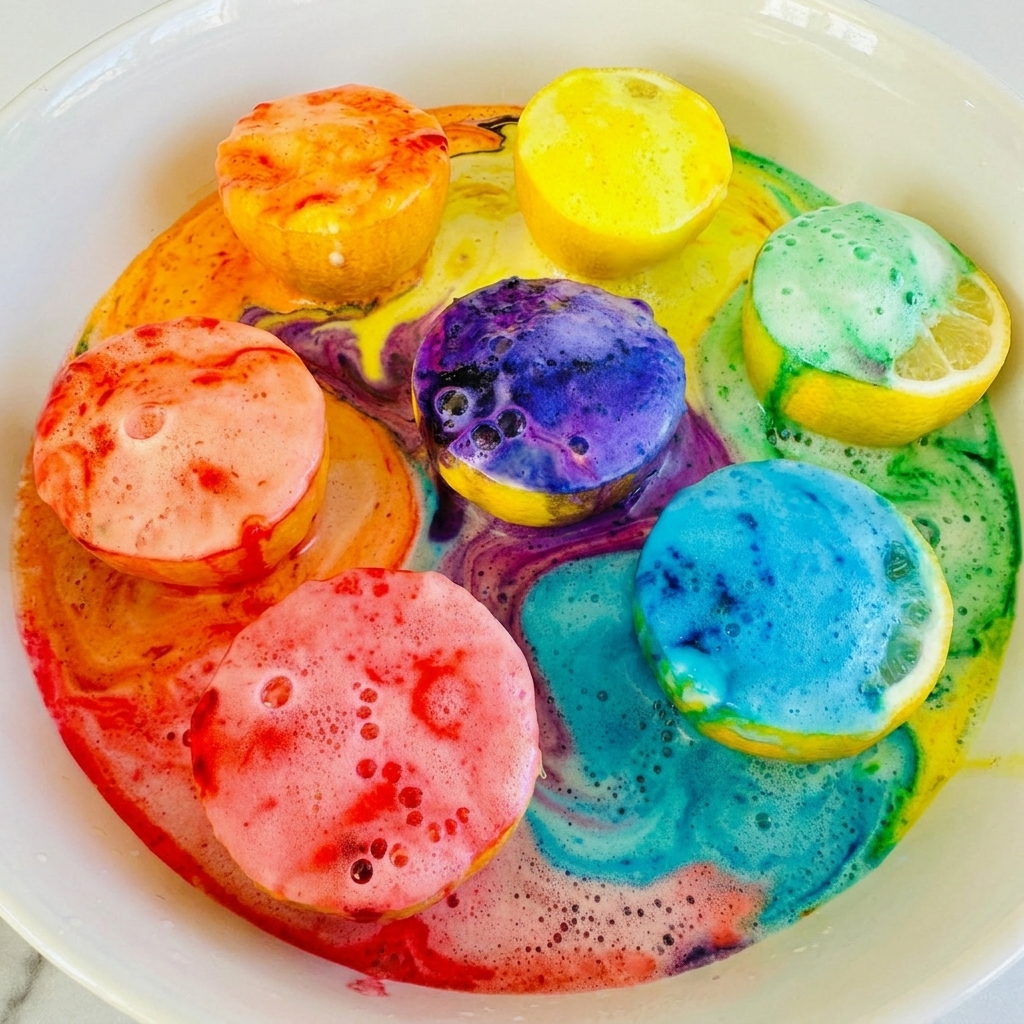
Quick Summary Table
| Activity Details | Information |
| Ages | Preschool through Grade 4 |
| Time Needed | 15–30 minutes |
| Difficulty Level | Easy and low-mess |
| Main Science Concept | Acid-base chemistry |
| Sensory Experience | Bright colors and fresh citrus scent |
Introduction: Why the Lemon Volcano Is a Must-Try
If you are searching for an exciting science activity that combines learning, creativity, and sensory fun, then learning How to make a raging lemon volcano is the perfect project for your family or classroom. Move over traditional vinegar volcanoes—this fresh citrus version smells amazing, looks colorful, and creates a fizzy eruption kids absolutely love.
The best part about this DIY lemon volcano experiment is that it uses simple kitchen ingredients you probably already have at home. Instead of harsh chemical smells, children get to enjoy the refreshing scent of lemons while discovering real science concepts in action
.
Parents and teachers love this activity because it blends STEM learning with hands-on play. Kids improve fine motor skills while stirring and poking the lemon, and they also learn how chemical reactions work in a safe and entertaining way. This DIY citrus eruption is colorful, interactive, and easy enough for younger children while still fascinating for older kids.
Whether you are planning a rainy-day activity, homeschool lesson, summer camp project, or weekend science experiment, this bubbling lemon volcano delivers excitement every single time.
Materials You’ll Need
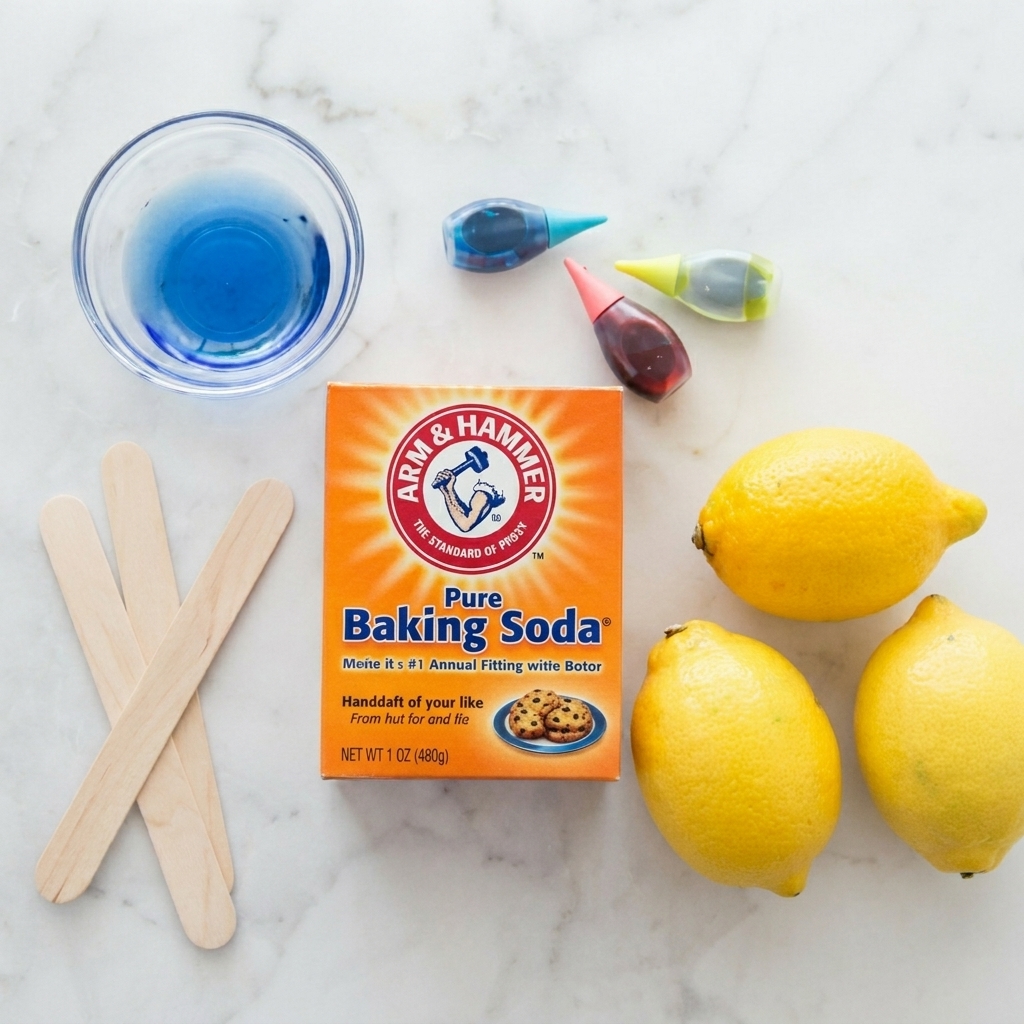
Before you start learning How to make a raging lemon volcano, gather these easy supplies.
The Essentials
- 2 fresh lemons
- Baking soda (sodium bicarbonate)
- Liquid dish soap
- Food coloring or liquid watercolors
Helpful Tools
- Craft sticks, spoons, or forks
- A tray or baking sheet
- Small bowls for mixing
- Paper towels for cleanup
Optional Fun Additions
- Glitter for sparkling lava
- Washable paint
- Small toy dinosaurs or figurines
- Safety goggles for extra science vibes
Using bright colors and decorations can make your DIY citrus eruption even more exciting for children.
Step-by-Step Instructions: The Secret to an Epic Eruption
Creating this bubbling science activity is simple and fun. Follow these easy steps carefully for the best results.
1. Roll the Lemon First
Before cutting the lemon, firmly roll it on the counter using your palm. This softens the pulp and releases more juice inside.
This simple trick helps create a stronger reaction during the DIY lemon volcano experiment.
2. Create a Stable Base
Slice a very thin layer from the bottom of the lemon. This allows the lemon to stand upright without tipping over during the eruption.
Place the lemon onto a tray or baking sheet to contain the bubbling foam.
3. Make the Volcano Crater
Cut the top off the lemon. Use a spoon, craft stick, or fork to mash the inside pulp gently. The more juice released, the bigger the eruption will be.
Kids love this messy sensory step because they can squeeze, mash, and explore the lemon texture.
4. Add Color and Soap
Drop a few drops of food coloring into the center of the lemon. Then add a generous squirt of dish soap.
The soap is the secret ingredient that creates thick, foamy lava bubbles.
5. Add the Baking Soda
Sprinkle one large spoonful of baking soda directly into the lemon crater.
At this stage, the reaction is ready to begin.
6. Trigger the Eruption
Use your stick or spoon to stir the baking soda into the lemon pulp.
Almost instantly, your DIY citrus eruption will begin bubbling and foaming over the sides like a real volcano.
7. Reactivate for More Lava
Want a second eruption? Pour extra lemon juice or a small splash of vinegar into the lemon.
The fizzing reaction will restart and create even more foam.
The Science Behind the Lemon Volcano
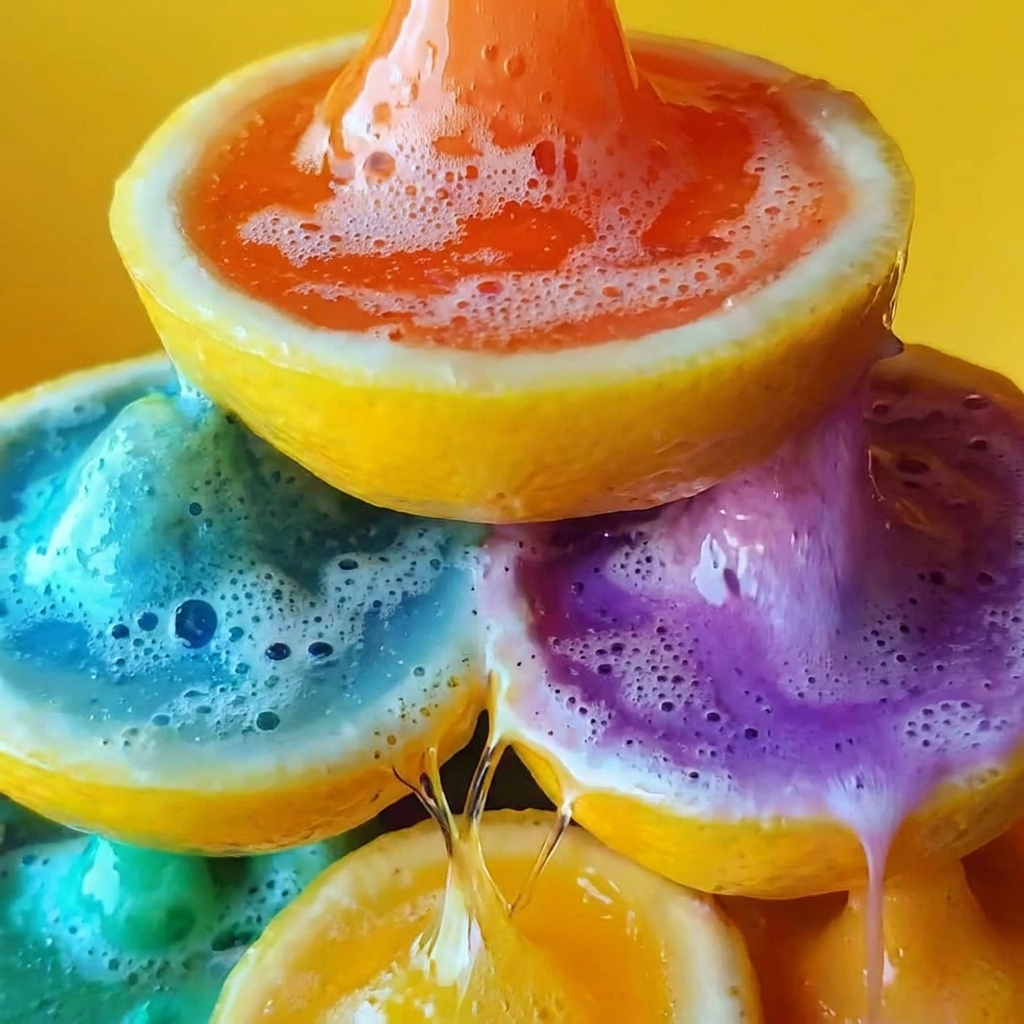
One reason kids enjoy learning How to make a raging lemon volcano is because the science feels magical. But the reaction is actually a simple acid-base chemical reaction.
What Is Happening?
Lemons contain citric acid, while baking soda is a base called sodium bicarbonate. When they combine, they react and create carbon dioxide gas.
The gas forms bubbles that expand quickly and push upward, creating the exciting eruption effect.
For older kids, the reaction can be explained using this chemical equation:
H3C6H5O7(aq)+3NaHCO3(s)→3CO2(g)+3H2O(l)+Na3C6H5O7(aq)H_3C_6H_5O_{7(aq)} + 3NaHCO_{3(s)} \rightarrow 3CO_{2(g)} + 3H_2O_{(l)} + Na_3C_6H_5O_{7(aq)}H3C6H5O7(aq)+3NaHCO3(s)→3CO2(g)+3H2O(l)+Na3C6H5O7(aq)
Why Does Dish Soap Matter?
Dish soap does not create the chemical reaction itself. Instead, it traps the carbon dioxide gas and forms giant foamy bubbles.
Without soap, the eruption would fizz quickly but would not produce dramatic lava foam.
Real Volcano Connection
Real volcanoes erupt because pressure builds underground from gas and molten magma. When the pressure becomes too strong, lava explodes outward.
This lemon volcano activity works in a similar way because gas pressure builds and escapes rapidly through bubbling foam.
That is why this STEM activity is both educational and exciting.
Beyond the Lemon: 3 Scientist-Approved Variations
Once you master How to make a raging lemon volcano, try these creative science extensions.
1. The Great Citrus Race
Experiment with different citrus fruits such as:
- Limes
- Oranges
- Grapefruits
Compare which fruit creates the biggest eruption.
This teaches children about acidity levels and scientific observation.
2. Warm vs Cold Lemons
Place one lemon in warm water for 10 minutes before the experiment.
Keep another lemon cold.
Which one erupts faster?
Many kids discover that warmer lemons release juice more easily, creating stronger reactions.
3. Baking Powder vs Baking Soda
Try replacing baking soda with baking powder.
Children can compare:
- Foam size
- Bubble speed
- Eruption duration
This variation encourages critical thinking and experimentation skills.
Educational Benefits of This STEM Activity
This DIY lemon volcano experiment is more than just entertainment. It supports several important learning areas.
Encourages Curiosity
Children naturally ask questions during the experiment, including:
- Why is it bubbling?
- Why does soap make foam?
- Why do lemons react?
This curiosity supports early scientific thinking.
Develops Fine Motor Skills
Activities like stirring, squeezing, sprinkling, and pouring improve hand coordination and control.
Supports Sensory Learning
The bright colors, fizzy sounds, citrus smell, and foamy texture create a full sensory experience.
Sensory-rich activities help many children stay engaged longer.
Builds Confidence
Kids feel proud when they successfully create their own eruption. This boosts independence and problem-solving skills.
Safety and Cleanup Tips
Although learning How to make a raging lemon volcano is safe and simple, basic precautions are still important.
Adult Supervision
Adults should handle all cutting and slicing steps.
Avoid Eating the Mixture
Even though lemons and baking soda are kitchen ingredients, the added soap and coloring make the mixture unsafe to eat.
Protect Eyes
Lemon juice can sting eyes. Encourage children to avoid touching their faces and consider using safety goggles.
Easy Cleanup
The good news is that this STEM project is low-mess.
Simply wipe trays with warm soapy water and throw leftover lemons into compost or trash.
Frequently Asked Questions
Can I use vinegar instead of lemons?
Yes, vinegar works well. However, lemons provide a fresh citrus scent and create a more sensory-friendly experience.
How do I make the eruption bigger?
Add extra dish soap and more lemon juice for stronger foamy bubbles.
Can toddlers try this activity?
Yes, with close adult supervision. Younger children especially enjoy the sensory play elements.
Is this activity classroom-friendly?
Absolutely. Teachers often use this DIY lemon volcano experiment for science lessons, STEM stations, and group activities.
Why is my volcano not erupting much?
Your lemon may not contain enough juice. Try rolling it harder before cutting or add extra lemon juice.
Final Thoughts
Now that you know How to make a raging lemon volcano, you have an easy and exciting STEM activity perfect for kids of all ages. This hands-on science experiment combines chemistry, sensory play, creativity, and fun into one unforgettable experience.
Unlike traditional volcano projects, this DIY citrus eruption smells fresh, uses natural ingredients, and creates vibrant foamy lava children love watching again and again.
Whether you are a parent, teacher, homeschooler, or camp organizer, this engaging activity offers the perfect balance of education and entertainment. Gather your lemons, baking soda, and food coloring, then get ready to create an eruption that will leave kids amazed.
