
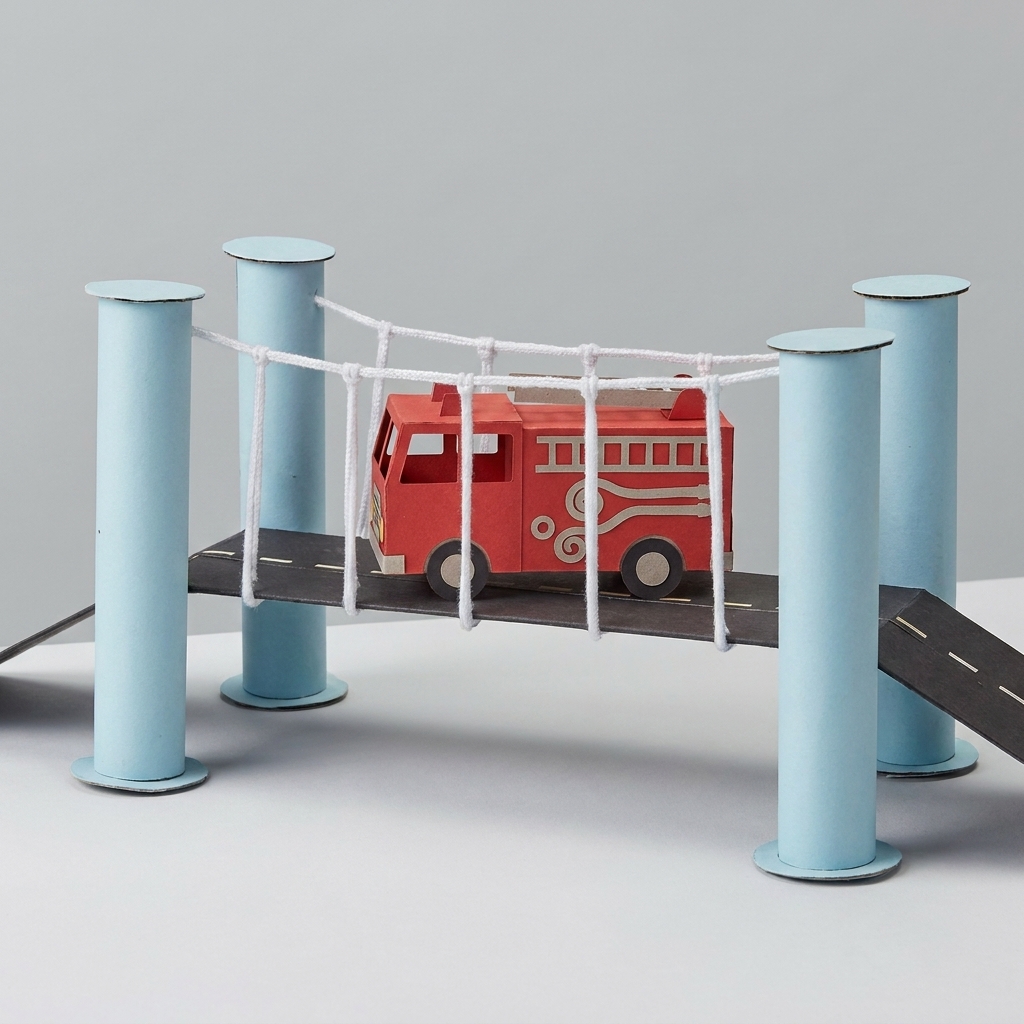
Making a movable bridge for children is one of the most engaging and educational DIY STEM activities for young learners. It combines creativity, engineering, and hands-on problem-solving in a way that feels more like play than learning. Children get to design, build, and test a working bridge that can move up and down or open and close, just like real bridges they see in cities.
Bridges are everywhere in daily life over rivers, roads, and railways but many children do not understand how they function. This craft helps bridge that gap (literally and figuratively) by turning abstract engineering concepts into something visible and interactive. With simple materials like cardboard, sticks, paper, and string, kids can build their own miniature movable bridge and watch it in action.
This activity is especially popular in classrooms and at home because it encourages teamwork, creativity, and scientific thinking. It also gives children a sense of accomplishment when their bridge actually works. In this article, we will explore why kids love this project, how it works, and the educational value behind making a movable bridge for children.
Quick Summary Table
| Feature | Details |
| Activity Name | Making a movable bridge for children |
| Difficulty Level | Easy to Medium |
| Age Group | 6–14 Years |
| Time Required | 60–120 Minutes |
| Materials Needed | Cardboard, sticks, string, glue, tape |
| STEM Focus | Engineering, Physics, Design |
| Key Concept | Motion, balance, and structural mechanics |
| Learning Outcome | Problem-solving and creativity |
| Cost | Very Low |
| Fun Level | Very High |
What Is a Movable Bridge?
A movable bridge is a type of structure that can change position to allow boats, vehicles, or objects to pass. In real life, these bridges are used in areas with waterways or heavy traffic.
In the DIY version, children recreate this idea using simple materials. Their bridge might lift up like a drawbridge or tilt to allow movement underneath. Even though it is small, it demonstrates real engineering principles used in modern infrastructure.
This hands-on model helps children understand how engineers solve real-world problems using design and mechanics.
Why Kids Love Movable Bridge Projects
Children enjoy this activity because it combines imagination with action. Instead of building a static model, they create something that actually moves.
They can:
- Raise and lower the bridge
- Test how it works
- Change the design
- Add decorations
- Play with toy cars or figures
This makes the experience dynamic and interactive, which keeps kids engaged for long periods.
Why 5 Kids Love Making a Movable Bridge for Children
There are five main reasons why this activity is especially popular among children.
1. It Feels Like a Real Engineering Project
Children love feeling like real engineers. Building a movable bridge gives them that experience.
They design structures, solve problems, and test their ideas just like professionals. This boosts confidence and curiosity about engineering careers.
The idea that “I built this and it works” is extremely powerful for young minds.
2. The Bridge Actually Moves
Unlike static crafts, this project includes motion.
Kids can raise or lower the bridge using string or simple levers. This movement adds excitement and makes the project feel alive.
Every adjustment changes how the bridge behaves, encouraging experimentation.
3. It Encourages Creative Design
Making a movable bridge for children is not just about mechanics it’s also about creativity.
Kids can design:
- Wooden-style bridges
- Colorful city bridges
- Fantasy bridges
- Futuristic designs
- Nature-inspired bridges
Each child can create a completely different version, making the activity personal and fun.
4. It Teaches Through Play
Children learn best when they are playing.
While building and testing the bridge, they naturally learn about:
- Force and motion
- Balance and stability
- Weight distribution
- Mechanical systems
They absorb knowledge without feeling pressured or bored.
5. It Supports Teamwork and Sharing
This project is perfect for group activities.
Children often work together to:
- Build the structure
- Hold materials
- Test the bridge
- Solve design problems
This improves communication skills and teaches cooperation.
Materials Needed
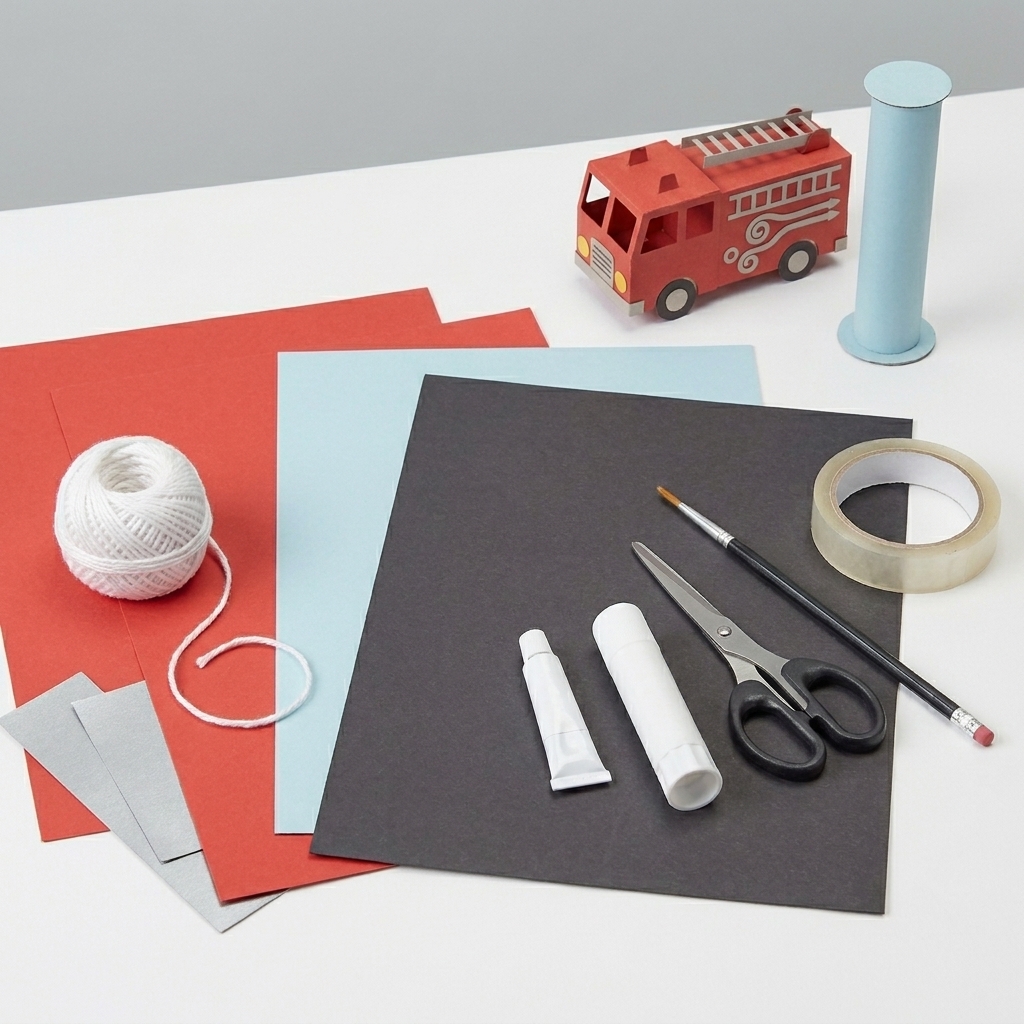
The materials are simple and easy to find:
- Cardboard base
- Popsicle sticks or straws
- String or yarn
- Glue or tape
- Scissors
- Small toy cars or figures
- Ruler and pencil
Optional materials include paint, markers, and decorative items.
How It Works
The movable bridge works using basic mechanical principles. A string or lever system controls the movement of the bridge deck. When pulled or released, the structure moves up or down.
This introduces children to:
- Levers
- Tension
- Gravity
- Structural balance
Even though the system is simple, it demonstrates real engineering ideas used in actual bridge design.
Step-by-Step Build Overview
Step 1: Build the Base
Create a strong cardboard base to support the structure.
Step 2: Construct the Bridge Frame
Use sticks or cardboard strips to form the sides of the bridge.
Step 3: Create the Moving Deck
Build a flat platform that will act as the bridge surface.
Step 4: Add the Movement System
Attach string or a lever mechanism to allow movement.
Step 5: Test the Motion
Lift and lower the bridge carefully.
Step 6: Strengthen the Structure
Reinforce weak points with glue or tape.
Step 7: Decorate
Add colors, roads, or water scenery for realism.
Educational Benefits
Making a movable bridge for children provides strong educational value.
STEM Learning
Children explore science, technology, engineering, and mathematics in a practical way.
Problem-Solving Skills
Kids adjust their designs when something does not work correctly.
Creativity
Every bridge design is unique and imaginative.
Motor Skills
Cutting, building, and assembling improve coordination.
Logical Thinking
Children learn how systems work step by step.
Real-Life Engineering Connection
This project helps children understand real-world engineering.
Movable bridges in real life include:
- Drawbridges
- Swing bridges
- Lift bridges
Engineers design these structures to allow boats and vehicles to pass safely. Children learn that similar principles apply even in their small model.
9 Creative DIY Ideas for Movable Bridge Projects
Here are nine fun variations to enhance the activity:
1. Drawbridge Castle Design
Create a medieval castle with a lifting bridge gate.
2. City Traffic Bridge
Add toy cars and simulate traffic movement.
3. River Crossing Bridge
Use blue paper to represent water underneath.
4. Rope Pulley Bridge
Use a pulley system for smooth lifting motion.
5. Foldable Bridge Design
Create a bridge that folds upward like a gate.
6. LED Light Bridge
Add small lights for night-time effects.
7. Suspension Bridge Style
Use strings to simulate real suspension cables.
8. Heavy Load Bridge
Test how much weight the bridge can hold.
9. Learning Station Bridge
Add educational stops on each side of the bridge.
Common Mistakes to Avoid
- Weak base structure
- Loose string connections
- Overloading the bridge
- Uneven balance
- Skipping testing phases
Avoiding these ensures better performance and durability.
Tips for Success
- Use strong cardboard
- Test movement early
- Reinforce joints
- Keep design simple at first
- Add decorations after testing
- Encourage experimentation
Why Teachers and Parents Love This Activity
Adults appreciate this project because it:
- Is low-cost
- Uses recyclable materials
- Combines fun with learning
- Encourages teamwork
- Teaches STEM concepts
It is suitable for classrooms, science fairs, and home learning environments.
Conclusion
Making a movable bridge for children is a powerful educational DIY project that blends creativity, engineering, and hands-on learning. Children love it because it moves, challenges their thinking, and allows them to build something meaningful from simple materials.
Through this activity, kids explore real engineering concepts while having fun. They learn how structures work, how movement is controlled, and how design impacts performance.
With its many creative variations and educational benefits, making a movable bridge for children is more than just a craft it is an inspiring introduction to the world of STEM and innovation.
