
Making a paper rocket that flies far is one of the most exciting and educational activities children can enjoy. With just a few sheets of paper and some creativity, kids can build a rocket, launch it across a room or playground, and learn basic science concepts at the same time. This simple project combines fun, imagination, engineering, and hands-on learning, making it a favorite among children, parents, and teachers alike.
In today’s digital world, finding activities that encourage creativity and movement can be challenging. Many children spend hours on screens, leaving less time for active learning experiences. Making a paper rocket that flies far offers a refreshing alternative. It inspires kids to experiment, solve problems, and enjoy the thrill of seeing their creation soar through the air.
Whether used in a classroom, at home, during a birthday party, or as a weekend craft project, paper rockets provide endless entertainment. Children love testing different designs and competing to see whose rocket travels the greatest distance. More importantly, they learn valuable lessons about aerodynamics, balance, and design.
In this article, we’ll explore why children enjoy this activity so much, how to create a successful paper rocket, and the educational benefits that make this project truly special.
What Makes Paper Rockets So Exciting?
Children naturally love things that move. Airplanes, cars, kites, and rockets all capture their imagination because they represent adventure and discovery. Rockets are particularly fascinating because they are associated with space exploration, astronauts, and distant planets.
When kids build a paper rocket, they become inventors and engineers. They are not simply playing with a toy—they are creating something themselves. Watching a handmade rocket launch successfully creates a sense of accomplishment that boosts confidence and curiosity.
The excitement doesn’t end after one launch. Children quickly begin asking questions:
- Can I make it fly farther?
- What happens if I change the nose shape?
- Will a larger rocket travel farther?
- How can I improve the design?
These questions naturally encourage experimentation and critical thinking.
Why Kids Love Making a Paper Rocket That Flies Far
There are many reasons children enjoy this activity, but five stand out more than any others.
1. It Feels Like a Real Space Adventure
Many children dream about space travel. They enjoy stories about astronauts, planets, stars, and rockets. Building a paper rocket allows them to imagine they are preparing for a mission to the moon or exploring a distant galaxy.
A simple paper rocket can transform a backyard into a launch pad and a classroom into a space station. This imaginative play makes the activity exciting and memorable.
2. They Enjoy Building Something Themselves
Children feel proud when they create something from scratch. Instead of using a store-bought toy, they get to design, fold, decorate, and launch their own invention.
The process teaches patience and persistence. Even if the first rocket doesn’t fly perfectly, kids can make adjustments and try again.
3. Launching Rockets Is Fun
The moment of launch is often the highlight of the activity.
Kids count down:
“Three… two… one… blast off!”
Then they watch eagerly as their rocket flies through the air. Every launch feels exciting because the result is slightly different each time.
4. It Encourages Friendly Competition
Children love comparing results and challenging friends.
They might compete to see:
- Whose rocket flies the farthest
- Whose rocket stays in the air the longest
- Whose design looks the most creative
- Whose rocket flies the straightest
These friendly challenges keep kids engaged for hours.
5. It Combines Learning and Fun
Many educational activities feel like schoolwork. Paper rockets are different because children focus on the fun while learning naturally.
They discover scientific concepts without realizing they are studying.
How to Make a Paper Rocket That Flies Far
Creating a successful rocket does not require expensive materials.
Materials Needed
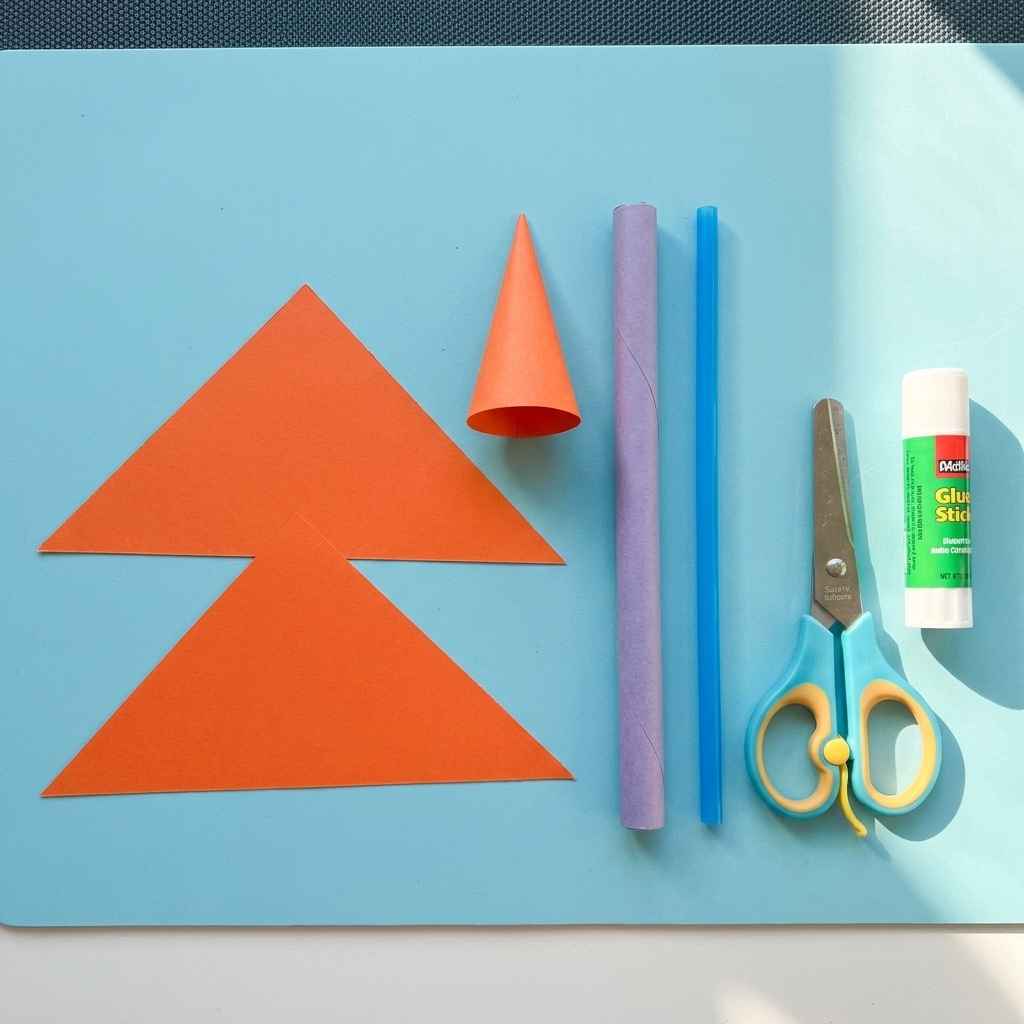
- Paper
- Scissors
- Tape
- Markers or crayons
- Straw or launcher tube
- Ruler
Basic Steps
Step 1: Create the Rocket Body
Roll a sheet of paper around a pencil or straw to form a narrow tube.
Step 2: Secure the Shape
Use tape to keep the tube tightly rolled.
Step 3: Make the Nose Cone
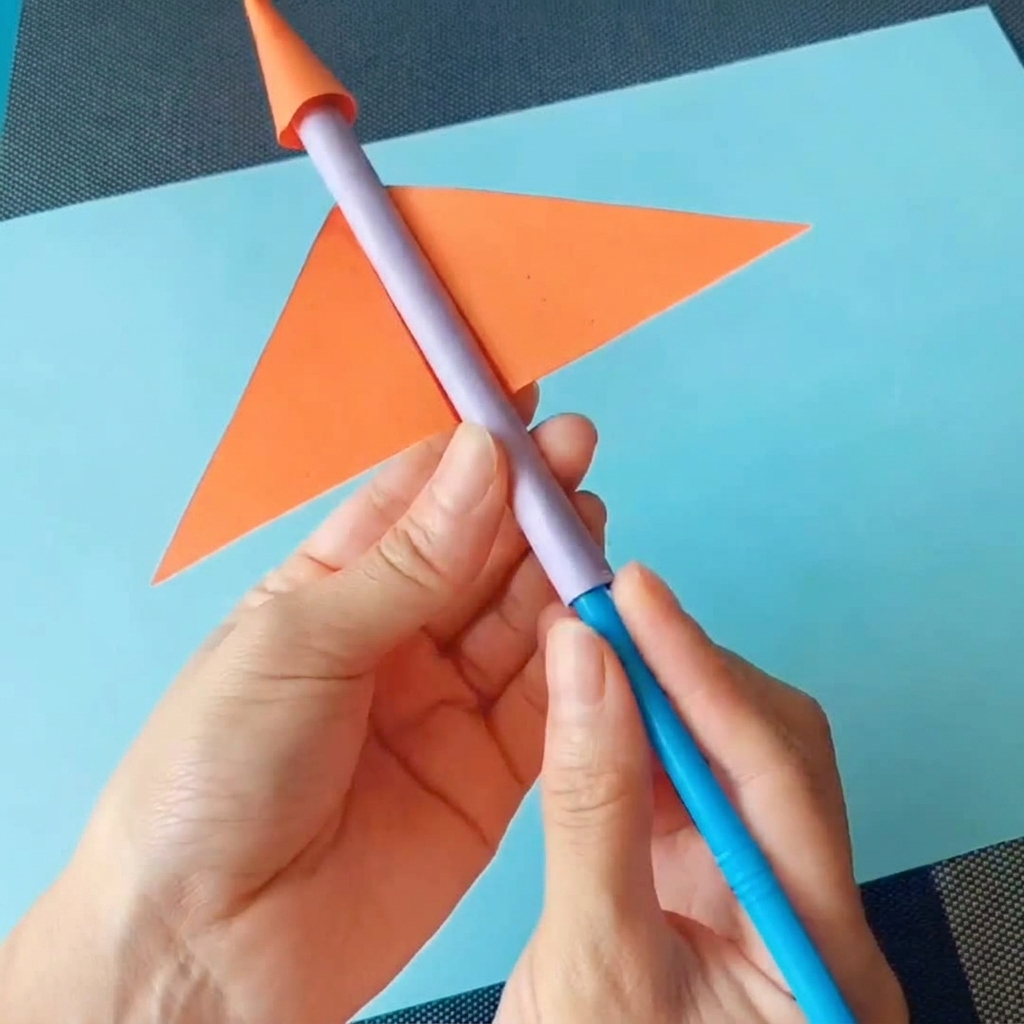
Fold paper into a cone shape and attach it to the top of the rocket.
Step 4: Add Fins
Cut small fins from paper and attach them evenly around the bottom.
Step 5: Decorate
Add colors, stars, stripes, or space-themed designs.
Step 6: Prepare for Launch
Place the rocket onto a straw launcher.
Step 7: Launch
Blow through the straw or use an air-powered launcher to send the rocket flying.
Quick Summary Table
| Feature | Details |
| Activity Name | Making a paper rocket that flies far |
| Difficulty Level | Easy |
| Age Range | 5–12 Years |
| Time Required | 20–30 Minutes |
| Cost | Very Low |
| Main Materials | Paper, Tape, Scissors |
| Educational Focus | STEM Learning |
| Skills Developed | Creativity, Problem Solving |
| Indoor or Outdoor | Both |
| Fun Rating | Extremely High |
The Science Behind Rocket Flight
One reason making a paper rocket that flies far is so educational is that it introduces children to basic physics.
Air Resistance
As the rocket moves through the air, it encounters resistance. Streamlined rockets experience less drag and travel farther.
Balance
A balanced rocket flies more smoothly and remains stable during flight.
Thrust
The force from blowing through a straw or launching mechanism pushes the rocket forward.
Gravity
Gravity constantly pulls the rocket downward. The challenge is designing a rocket that stays in the air longer before landing.
Understanding these concepts helps children improve their designs through experimentation.
Tips for Making a Paper Rocket Fly Farther
Small design changes can make a huge difference.
Use Lightweight Materials
Heavier rockets require more force to launch.
Create a Pointed Nose Cone
Pointed tips reduce air resistance and improve flight performance.
Keep Fins Even
Uneven fins can cause the rocket to spin or veer off course.
Roll the Body Tightly
A firm rocket body improves stability.
Test Different Designs
Encourage children to make several rockets and compare results.
Experimentation is one of the most valuable parts of the learning process.
Educational Benefits
Paper rockets offer numerous educational advantages.
STEM Learning
Children explore concepts related to:
- Science
- Technology
- Engineering
- Mathematics
Creativity
Every rocket can be customized with unique colors and decorations.
Problem Solving
Kids analyze flight performance and make improvements.
Fine Motor Skills
Cutting, folding, and taping strengthen hand coordination.
Observation Skills
Children learn to observe patterns and identify successful design features.
Classroom Applications
Teachers often use paper rockets to make science lessons more engaging.
Possible classroom activities include:
Distance Challenge
Students measure and record rocket flight distances.
Design Competition
Teams create rockets using different strategies.
Scientific Investigation
Students test how changes in weight, fin size, or nose shape affect flight.
Space-Themed Learning
Rocket projects can be combined with lessons about planets and space exploration.
These activities help transform abstract scientific concepts into hands-on experiences.
Common Mistakes to Avoid
While making a paper rocket that flies far is simple, a few mistakes can reduce performance.
Making the Rocket Too Heavy
Extra decorations may add unnecessary weight.
Using Large Fins
Oversized fins increase drag.
Uneven Construction
Poor alignment often causes unstable flight.
Loose Tape
Weak connections can affect durability and performance.
Encouraging children to learn from mistakes is part of the educational experience.
Fun Variations
Once children master basic rockets, they can try more advanced designs.
Space Shuttle Rocket
Design a rocket that resembles a real spacecraft.
Animal Rocket
Decorate rockets with animal themes.
Rainbow Rocket
Use bright colors and creative patterns.
Team Rocket Challenge
Families or classmates compete using different rocket designs.
These variations keep the activity fresh and exciting.
Why Parents and Teachers Approve
Parents appreciate activities that combine learning and entertainment. Paper rockets are inexpensive, easy to prepare, and suitable for many age groups.
Teachers value the opportunity to introduce STEM concepts through engaging hands-on projects.
Both groups recognize that children learn best when they are actively involved in the process.
Conclusion
Making a paper rocket that flies far is much more than a simple craft project. It is an exciting adventure that combines creativity, science, engineering, and imaginative play. Children love building rockets because they enjoy launching them, experimenting with designs, and pretending to explore outer space.
The activity develops important skills such as problem-solving, observation, creativity, and critical thinking. It also introduces scientific concepts in a way that feels natural and enjoyable.
Whether used at home, in a classroom, or during a family gathering, making a paper rocket that flies far provides hours of educational fun. With just a few simple materials, children can create something amazing and experience the excitement of watching their handmade rocket soar across the sky.
