
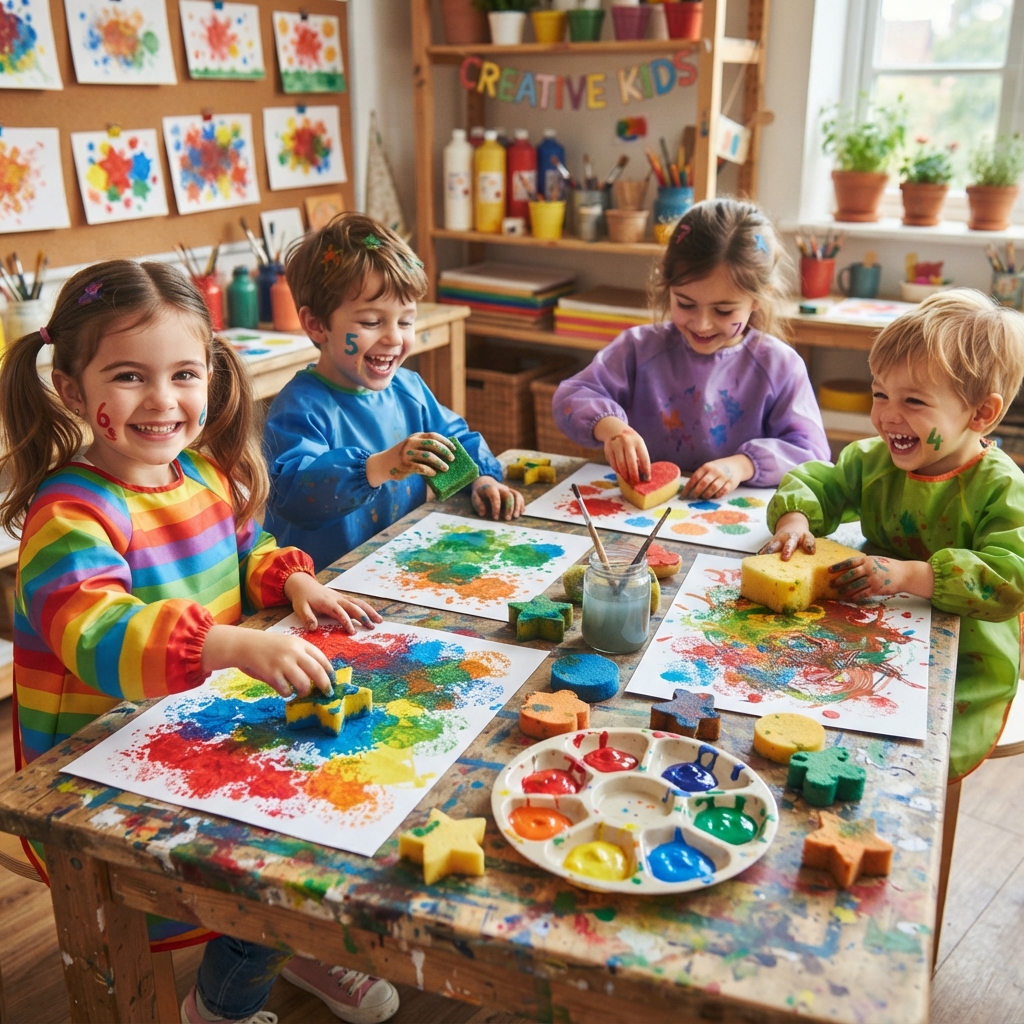
Looking for a fun and easy craft that children can enjoy? Sponge painting is a wonderful art activity that lets kids explore colors, patterns, and textures in a creative way. Instead of using paintbrushes, children use soft sponges to stamp, dab, and blend colorful paint onto paper. This simple project is perfect for home, school, daycare, or art class and encourages young artists to experiment while having fun.
What Is Sponge Painting?
Sponge painting is an art technique that uses pieces of sponge instead of traditional paintbrushes. Children dip the sponge into washable paint and gently press it onto paper to create colorful prints and interesting textures. Different sponge shapes can produce endless creative designs.
Why Kids Love Sponge Painting
Children enjoy sponge painting because it is:
- Easy to learn.
- Fun and mess-friendly.
- Full of bright colors.
- Great for creating unique patterns.
- Perfect for experimenting with different shapes.
- Suitable for children of all skill levels.
Materials You’ll Need
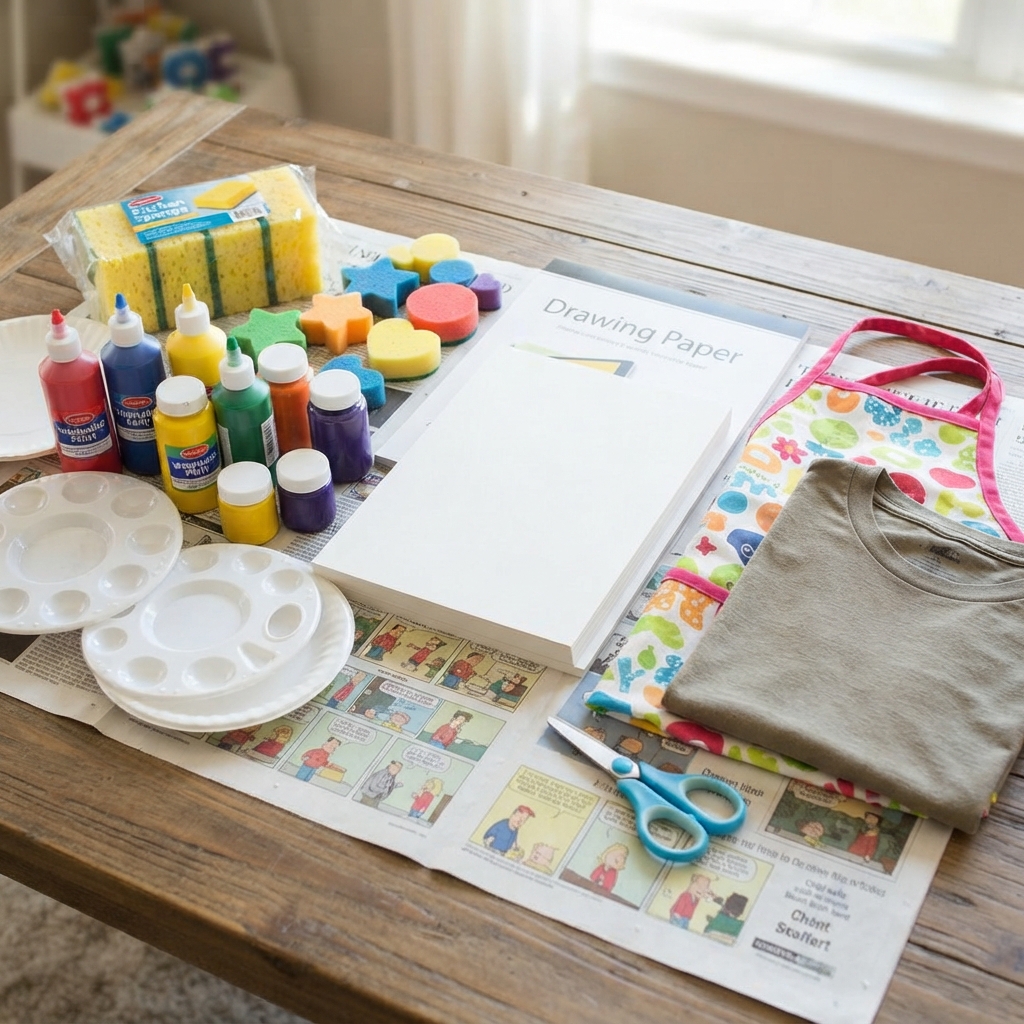
Before you begin, gather these supplies:
- Clean kitchen sponges or craft sponges
- Washable tempera paint
- Thick white paper or cardstock
- Paint trays or paper plates
- Apron or old shirt
- Newspaper or a craft mat
- Child-safe scissors (optional for cutting sponge shapes)
Step-by-Step Instructions
1. Prepare the Workspace
Cover your table with newspaper or a craft mat and put on an apron to protect clothing.
2. Pour the Paint
Place small amounts of different paint colors onto paper plates or paint trays.
3. Dip the Sponge
Lightly dip a sponge into the paint. Avoid using too much paint so the prints stay clear.
4. Stamp and Create
Press the sponge gently onto the paper to create colorful patterns. Try different movements such as:
- Dabbing
- Stamping
- Rolling
- Twisting
- Dragging
Each technique creates a different artistic effect.
5. Add Details
After the paint dries, use markers or crayons to draw extra details and turn the prints into creative pictures.
Fun Sponge Painting Ideas
Rainbow Art
Stamp colorful arches to create a bright rainbow with fluffy clouds.
Flower Garden
Use round sponge prints for flowers and paint green stems and leaves.
Ocean Scene
Create waves, fish, turtles, jellyfish, and coral reefs with blue and colorful sponge prints.
Forest Trees
Stamp green treetops and add brown trunks to create a peaceful woodland scene.
Animal Faces
Turn sponge prints into lions, bears, owls, pandas, or frogs by adding simple facial features.
Seasonal Trees
Use different paint colors to show spring blossoms, summer leaves, autumn colors, and snowy winter branches.
Learning Benefits
Sponge painting helps children develop many important skills:
- Fine motor control
- Hand-eye coordination
- Creativity
- Color recognition
- Pattern awareness
- Concentration
- Artistic confidence
It also encourages children to experiment with textures and discover new ways to create artwork.
Tips for Parents and Teachers
- Use washable, non-toxic paint for easy cleanup.
- Cut sponges into shapes like stars, hearts, circles, or leaves.
- Encourage children to mix colors and observe the results.
- Let children create their own designs instead of copying examples.
- Display finished artwork on walls or bulletin boards to celebrate creativity.
Fun Craft Extensions
After enjoying sponge painting, children can also make:
- Greeting cards
- Holiday decorations
- Nature collages
- Animal masks
- Bookmarks
- Gift wrap designs
- Alphabet posters
- Seasonal art displays
Best Age for This Activity
Sponge painting is ideal for children ages 3 and up. Younger children can enjoy simple stamping with adult supervision, while older children can create detailed landscapes, animals, and imaginative scenes.
Safety Tips
- Use child-safe, washable paint.
- Supervise young children during the activity.
- Protect clothing with aprons or old shirts.
- Wash hands after painting.
- Clean the sponges thoroughly if you plan to reuse them.
Conclusion
Sponge painting is a colorful, creative, and exciting art activity that children love. With just a few simple materials, kids can create beautiful artwork while improving fine motor skills, creativity, and confidence. Whether making flowers, animals, rainbows, or imaginative designs, every sponge print becomes a unique masterpiece that inspires young artists to keep creating.
