
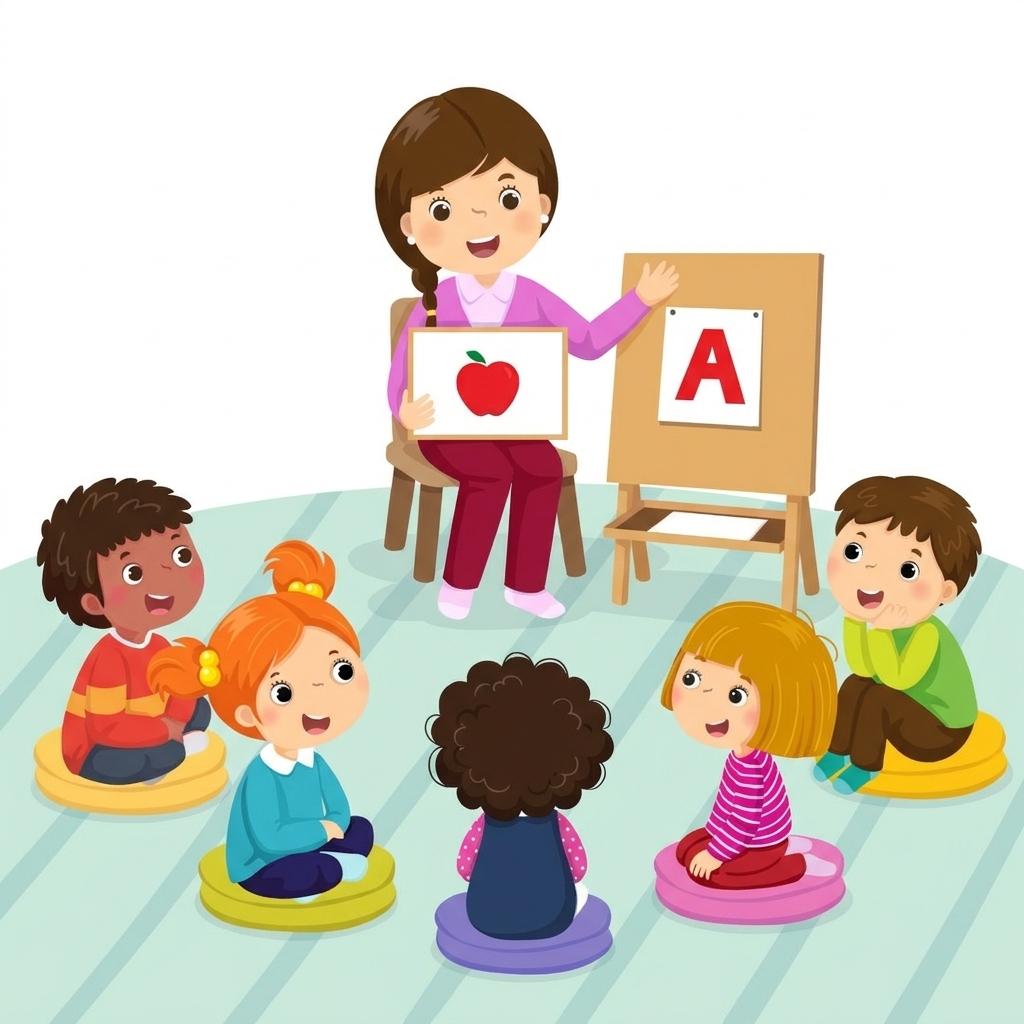
Learning the alphabet is one of the first exciting steps in a child’s education. Young learners enjoy lessons that are colorful, playful, and full of interesting sounds. Teaching the letters A, B, and T with pictures and simple pronunciation activities helps children recognize letter shapes, remember their sounds, and build confidence as they begin reading. Best of all, learning feels like a game!
Why Use Pictures and Sounds?
Children learn best when they can see, hear, and interact with new ideas. Bright pictures capture their attention, while repeating letter sounds helps them remember what they have learned. Combining visual and listening activities makes alphabet lessons fun and engaging.
Benefits include:
- Better letter recognition
- Improved listening skills
- Stronger memory
- Vocabulary growth
- Early reading readiness
- Increased confidence
Meet the Letter A
The letter A is often one of the first letters children learn.
Letter Sound
Say the short A sound slowly:
/a/ as in apple.
Invite children to repeat the sound several times while smiling and clapping.
Picture Ideas
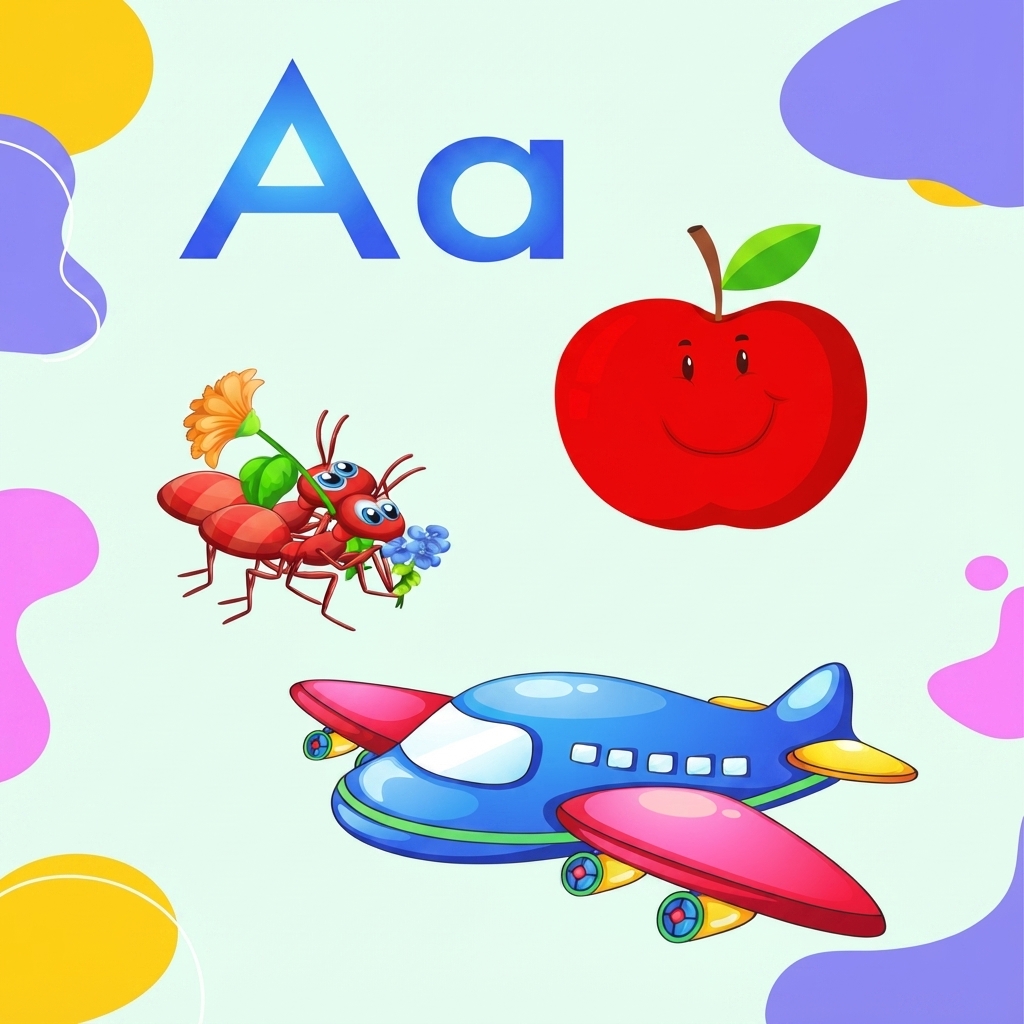
Show colorful pictures of:
- 🍎 Apple
- 🐜 Ant
- ✈️ Airplane
- 🐊 Alligator
Ask fun questions such as:
- What color is the apple?
- Can you count the ants?
- Have you ever seen an airplane?
These conversations help children connect the letter with real objects.
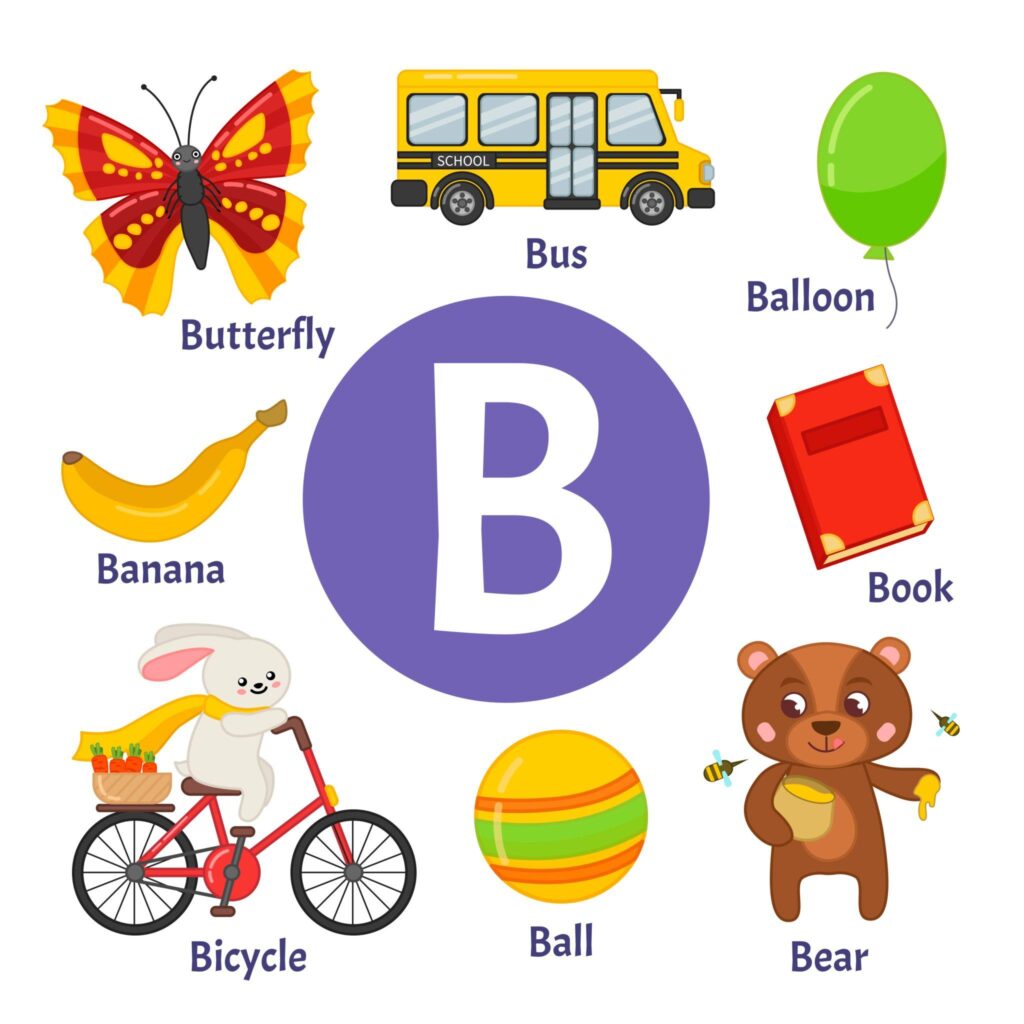
Meet the Letter B
Next comes the cheerful letter B.
Letter Sound
Practice the /b/ sound together:
/b/ as in ball.
Children can gently tap their lips together as they make the sound.
Picture Ideas
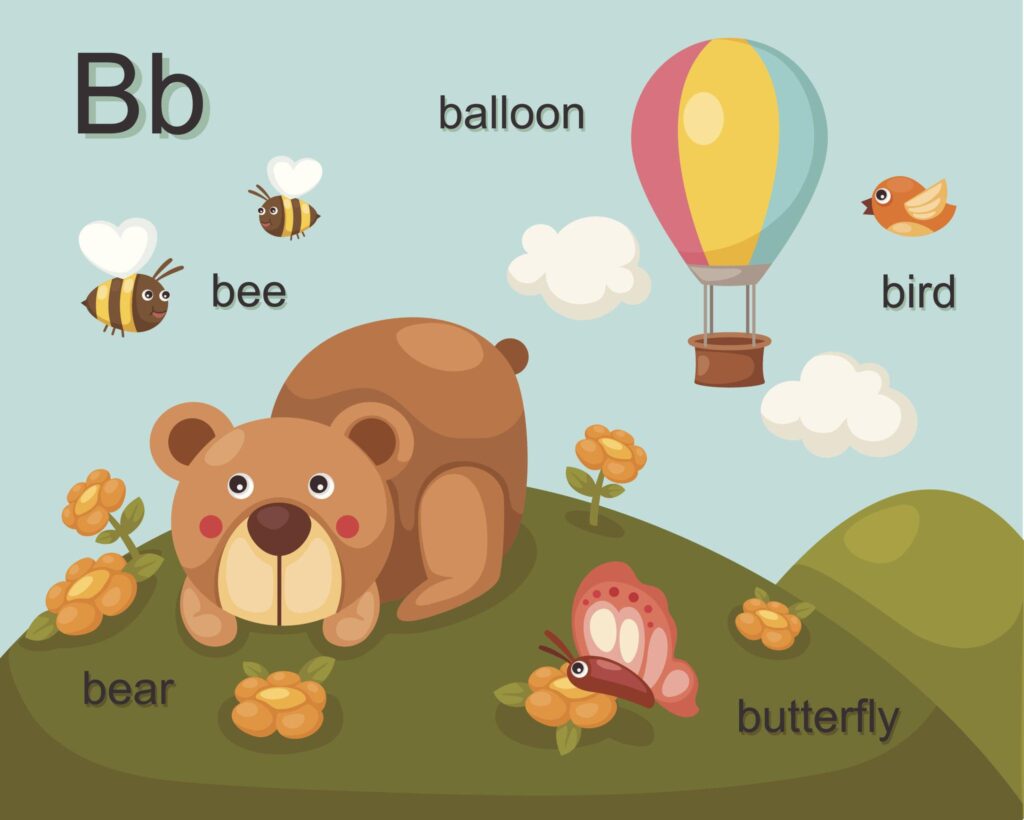
Use pictures of:
- ⚽ Ball
- 🐻 Bear
- 🦋 Butterfly
- 🎈 Balloon
Encourage children to name each picture and repeat the beginning sound.
Meet the Letter T
Now it’s time for the terrific letter T.
Letter Sound
Practice the /t/ sound:
/t/ as in tiger.
Invite children to repeat the sound while pretending to roar like a tiger.
Picture Ideas
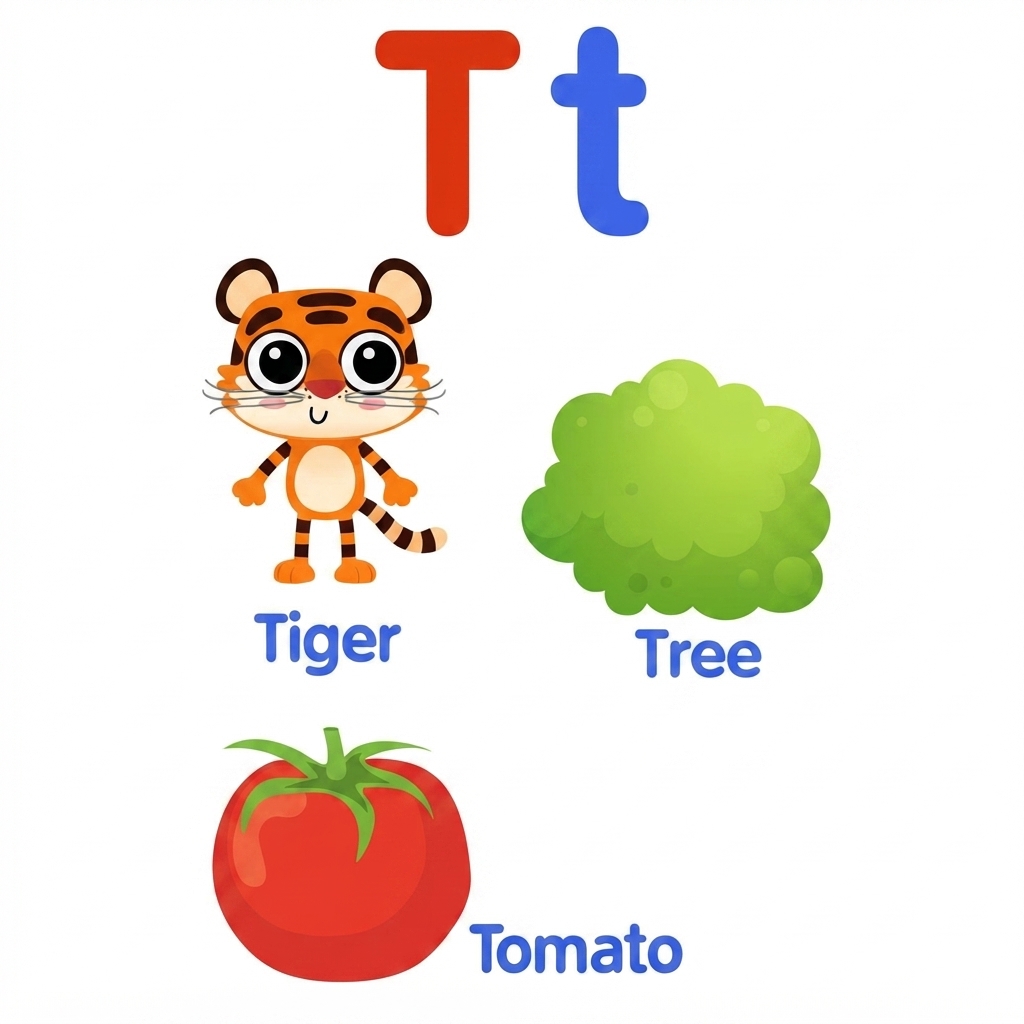
Show pictures of:
- 🐯 Tiger
- 🌳 Tree
- 🚆 Train
- 🍅 Tomato
Ask children which picture starts with the T sound.
Fun Sound Games
Turn learning into play with simple games.
Sound Hunt
Place several picture cards on a table.
Ask:
- Can you find the picture that starts with A?
- Which picture begins with B?
- Can you point to something that starts with T?
Children love searching for the correct answers.
Clap the Sound
Say a word aloud.
Examples:
- Apple
- Bear
- Tiger
- Ball
- Tree
- Ant
Children clap whenever they hear a word beginning with the target letter.
Sing Alphabet Songs
Simple songs make letter sounds easier to remember.
Create short songs such as:
A is for Apple, bright and sweet.
B is for Ball we bounce with our feet.
T is for Tiger, strong and bright.
Learning our letters is such a delight!
Singing adds rhythm and excitement to every lesson.
Creative Craft Activities
Help children make alphabet crafts.
Ideas include:
- A paper apple for A
- A colorful balloon or bear for B
- A paper tiger or tree for T
As children create each craft, encourage them to repeat the letter name and sound.
Story Time
Read simple picture books that feature words beginning with A, B, and T.
Pause during the story and ask:
- Can you hear the A sound?
- Which word begins with B?
- Who can find a T word?
This builds listening and language skills naturally.
Movement Games
Keep active learners engaged.
Try these activities:
- Pretend to fly like an airplane for A
- Bounce like a ball for B
- Stretch tall like a tree for T
Adding movement helps children remember the sounds more easily.
Practice Every Day
Short lessons work best.
Spend 10–15 minutes each day:
- Looking at picture cards
- Saying letter sounds
- Singing songs
- Playing games
- Making crafts
- Reading together
Regular practice builds confidence without feeling overwhelming.
Skills Children Develop
These activities help children improve:
- Letter recognition
- Phonics awareness
- Listening skills
- Vocabulary
- Speaking confidence
- Fine motor skills
- Memory
- Early reading readiness
Every activity supports learning in a fun and meaningful way.
Tips for Parents and Teachers
- Celebrate every success with praise.
- Keep lessons playful and relaxed.
- Use bright, clear pictures.
- Repeat sounds often.
- Encourage children to ask questions.
- Let children learn at their own pace.
- Make learning part of everyday life by pointing out letters on signs, books, and food packages.
Conclusion
Teaching the letters A, B, and T with pictures and sounds turns alphabet learning into an exciting adventure. Through songs, games, crafts, stories, and playful conversations, children quickly learn to recognize letters, hear their sounds, and connect them with familiar objects. With encouragement and plenty of fun, every lesson becomes a joyful step toward reading, writing, and a lifelong love of learning.
