
Introduction to the Cultural Power of Children’s Games
The world of children’s games represents a vibrant and evolving cultural landscape where imagination, tradition, and social interaction merge into meaningful experiences. Across continents and generations, we observe how play becomes a universal language, connecting children through laughter, creativity, and shared discovery. From traditional outdoor activities to modern interactive play, children’s games embody cultural identity, emotional growth, and cognitive development.
In this exploration, we present a comprehensive, engaging, and solution-oriented guide to the cultural richness of children’s games, offering practical strategies to maximize their value in today’s fast-paced world.
The Cultural Significance of Children’s Games
Preserving Traditions Through Play
Children’s games have long served as a bridge between generations, preserving stories, customs, and values. Games like hopscotch, hide-and-seek, and marbles are more than simple pastimes; they are reflections of local traditions and community identity.
We recognize that through these activities, children inherit:
- Cultural norms and social behaviors
- Language and storytelling traditions
- Shared rituals that strengthen belonging
Global Diversity in Children’s Games
Every culture contributes unique forms of play:
- In Africa, rhythm-based games emphasize music and coordination
- In Asia, strategy games develop discipline and focus
- In Europe, outdoor group games highlight teamwork and competition
This diversity creates a global mosaic of play, enriching children’s experiences and expanding their worldview.
The Developmental Benefits of Children’s Games
Cognitive Growth and Problem-Solving Skills
Through structured and unstructured play, children develop:
- Critical thinking abilities
- Memory and attention span
- Decision-making skills
Games that involve rules, puzzles, or strategy encourage children to analyze situations and adapt quickly.
Emotional Intelligence and Social Skills
Group games cultivate:
- Empathy and cooperation
- Conflict resolution skills
- Confidence and self-expression
We observe that children who engage regularly in social play demonstrate stronger interpersonal communication and emotional resilience.
Physical Health and Active Lifestyles
Outdoor games promote:
- Strength and endurance
- Coordination and balance
- Healthy energy release
By integrating movement into play, children naturally adopt active lifestyles that support long-term well-being.
Modern Challenges Facing Children’s Play
Digital Distractions and Reduced Outdoor Activity
The rise of digital entertainment has significantly reduced time spent in traditional play environments. Children increasingly engage with screens, limiting opportunities for:
- Physical movement
- Face-to-face interaction
- Creative exploration
Limited Access to Safe Play Spaces
Urbanization and safety concerns restrict access to:
- Parks and playgrounds
- Open outdoor areas
- Community gathering spaces
These limitations reduce opportunities for spontaneous and collaborative play.
A Practical Solution: Reviving the Culture of Children’s Games
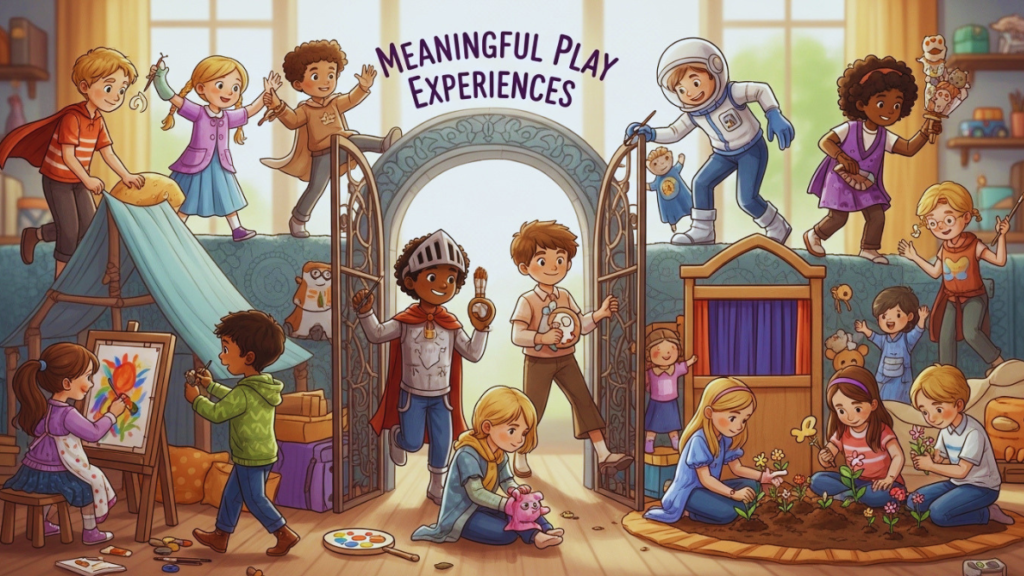
To address these challenges, we implement a structured yet flexible approach that reintroduces children to meaningful play experiences.
Step 1: Creating Engaging Play Environments
We design spaces that encourage participation and creativity:
- Safe outdoor areas with minimal hazards
- Colorful and stimulating setups to attract children
- Flexible zones for different types of games
A well-prepared environment becomes the foundation for consistent and enjoyable play.
Step 2: Introducing a Balanced Game Program
We integrate a mix of:
- Traditional cultural games
- Modern interactive activities
- Educational and skill-based challenges
This balance ensures that children experience both heritage and innovation in their play routines.
Step 3: Encouraging Group Participation
We organize games that emphasize:
- Team collaboration
- Shared goals and achievements
- Inclusive participation regardless of skill level
Group dynamics enhance social bonding and collective joy.
Step 4: Limiting Screen Time Strategically
Rather than eliminating digital devices entirely, we establish:
- Dedicated play hours without screens
- Reward systems linked to active participation
- Family involvement in outdoor games
This approach creates a healthy balance between technology and physical activity.
Step 5: Involving Parents and Educators
Active involvement from adults strengthens the impact of children’s games:
- Parents participate in games, creating stronger family connections
- Educators incorporate games into learning, enhancing engagement and retention
We ensure that children feel supported and motivated in their play experiences.
Top Cultural Children’s Games to Revive Today
1. Traditional Circle Games
Encourage rhythm, coordination, and group interaction.
2. Story-Based Role-Playing
Stimulate imagination and narrative thinking.
3. Outdoor Adventure Challenges
Promote exploration and teamwork.
4. Strategy Board Games
Enhance logical thinking and patience.
5. Cooperative Building Activities
Develop creativity and problem-solving skills.
Innovative Ideas to Make Children’s Games More Engaging
To sustain interest and excitement, we introduce:
- Themed game days (pirates, explorers, superheroes)
- Reward systems and achievements
- Rotating game schedules to prevent boredom
- Interactive storytelling combined with play
These enhancements transform ordinary games into immersive experiences.
The Role of Schools in Promoting Cultural Play
Educational institutions play a crucial role by:
- Integrating game-based learning methods
- Organizing cultural play festivals
- Encouraging peer-led activities
Schools become hubs for structured and meaningful play, reinforcing both academic and social development.
Long-Term Impact of Reviving Children’s Games
When we prioritize children’s games as a cultural activity, we achieve:
- Stronger community bonds
- Healthier and happier children
- Preservation of cultural heritage
- Enhanced creativity and innovation
These outcomes contribute to a more balanced and connected society.
Conclusion: Transforming Play into a Cultural Experience
The world of children’s games is not merely about entertainment; it is a powerful platform for learning, connection, and cultural expression. By implementing practical strategies and fostering inclusive environments, we transform play into a meaningful and enriching experience.
Through intentional efforts, we ensure that every child has the opportunity to engage in joyful, active, and culturally rich play, shaping a future where tradition and creativity thrive together.
