
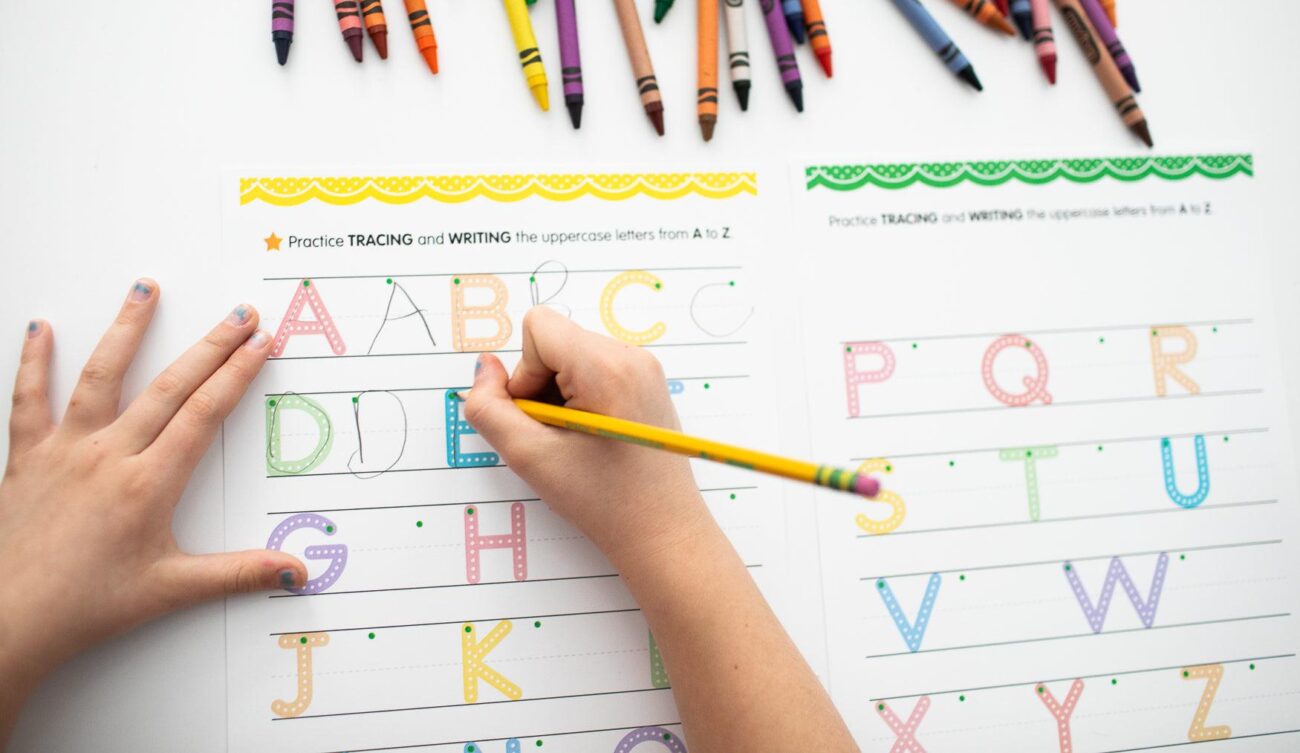
Learning to write is an exciting milestone for every child. One of the best ways to begin this journey is by tracing English letters. Tracing helps children recognize letter shapes, practice correct writing strokes, and build the confidence they need before writing letters on their own.
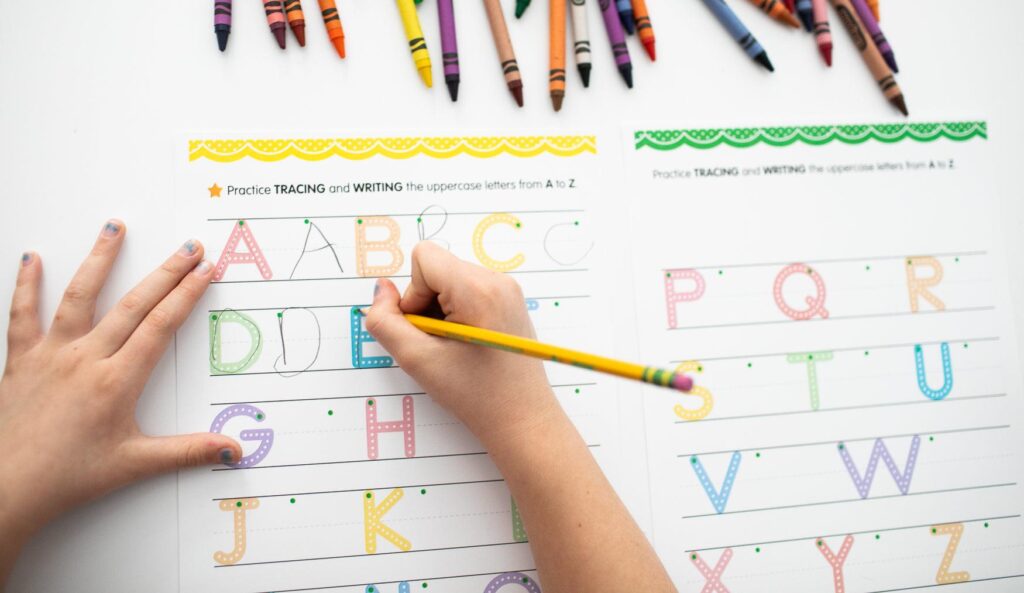
Whether at home, in preschool, kindergarten, or elementary school, letter tracing is a simple activity that makes learning the English alphabet enjoyable and effective.
Why Is Letter Tracing Important?
Tracing letters is an excellent early writing activity that helps children prepare for reading and handwriting.
It allows children to:
- Learn the shapes of uppercase and lowercase letters.
- Develop pencil control.
- Strengthen hand and finger muscles.
- Improve hand-eye coordination.
- Build confidence in writing.
- Prepare for spelling and reading.
With regular practice, children become more comfortable writing the alphabet independently.
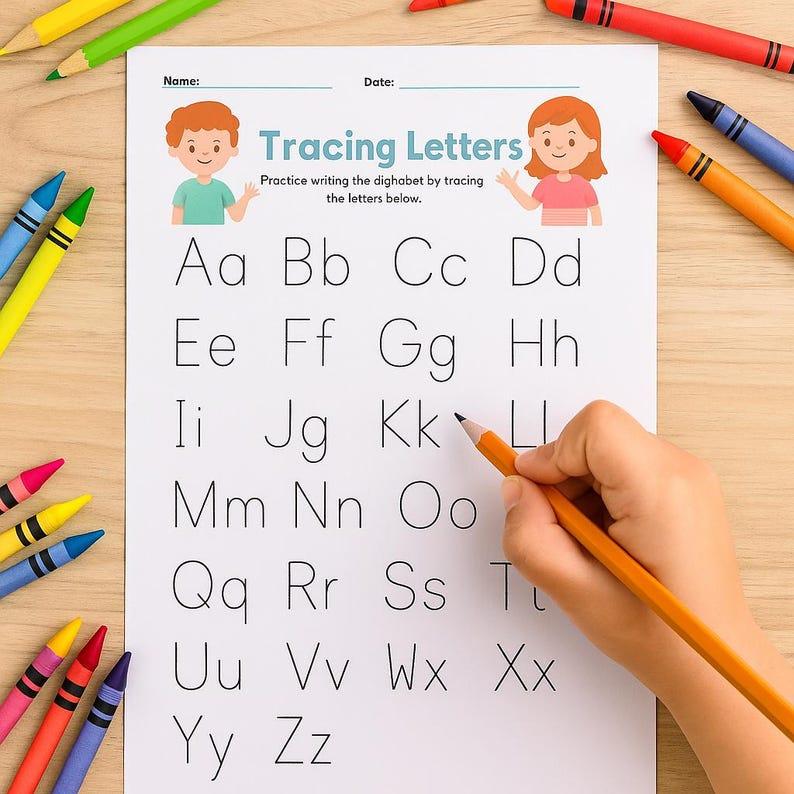
Materials You’ll Need
You only need a few simple supplies to begin.
These include:
- Alphabet tracing worksheets
- Pencils
- Erasers
- Crayons or colored pencils
- Markers
- Dry-erase markers and reusable tracing sheets (optional)
- Alphabet flashcards (optional)
These materials are inexpensive and easy to use at home or in the classroom.

Step 1: Learn the Alphabet
Start by introducing the English alphabet.
Teach children:
- Uppercase letters (A–Z)
- Lowercase letters (a–z)
- Letter names
- Letter sounds
Singing the alphabet song can make learning more enjoyable.
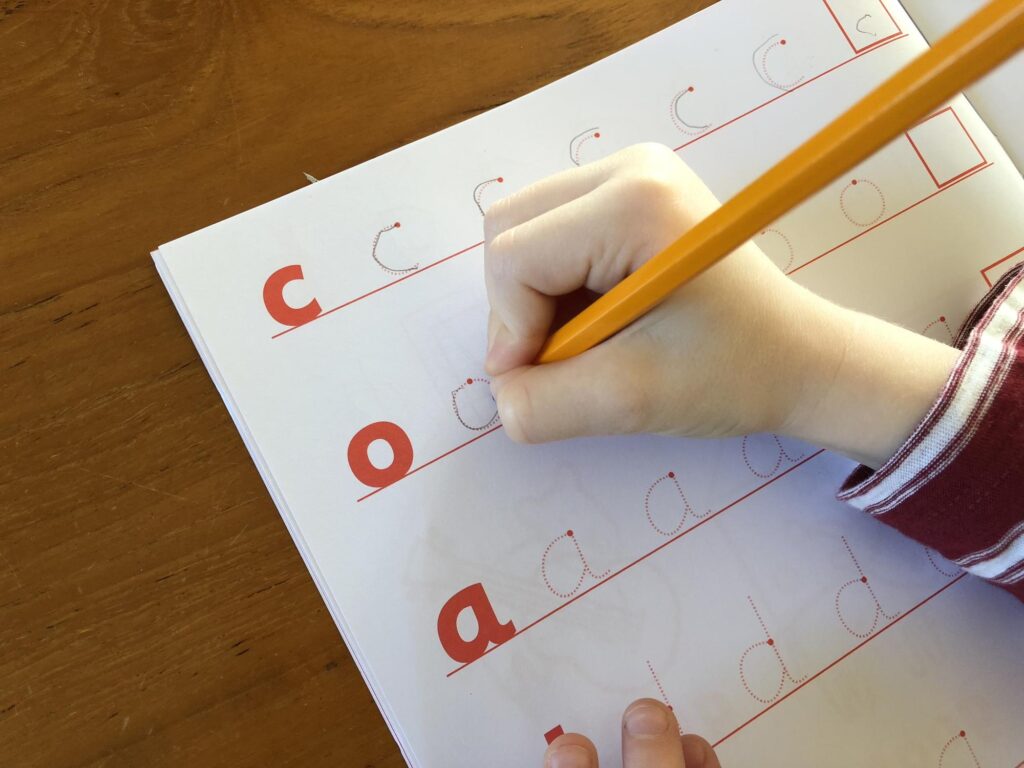
Step 2: Trace Large Letters
Begin with large letters that are easy to follow.
Children should slowly trace each line while saying the letter aloud.
For example:
- A
- B
- C
- D
- E
Practicing one letter at a time helps children focus.
Step 3: Practice Correct Pencil Grip
Encourage children to hold the pencil correctly.
A comfortable grip helps them:
- Control the pencil.
- Write smoothly.
- Avoid hand fatigue.
Teachers and parents can gently guide children if needed.
Step 4: Trace Uppercase and Lowercase Letters
Practice both versions of every letter.
For example:
- A → a
- B → b
- C → c
- D → d
This helps children recognize letters in books and everyday writing.
Step 5: Color the Letters
After tracing, children can color each letter using bright crayons or markers.
Coloring makes learning more enjoyable while strengthening fine motor skills.
Step 6: Trace Simple Words
Once children know several letters, they can begin tracing easy words such as:
- Cat
- Dog
- Sun
- Book
- Ball
- Tree
- Fish
- Apple
Tracing words helps children connect letters to real vocabulary.
Fun Letter Tracing Activities
Rainbow Letters
Trace each letter several times using different colors.
Finger Tracing
Trace letters with a finger before using a pencil.
Sand Writing
Draw letters in a tray of sand or salt.
Air Writing
Use a finger to “write” large letters in the air.
Dot-to-Dot Letters
Connect the dots to form each letter before tracing it.
Alphabet Hunt
Find and trace letters that appear in books, signs, or classroom posters.
Educational Benefits
Letter tracing supports many important learning skills.
Children improve:
- Handwriting
- Pencil control
- Fine motor skills
- Letter recognition
- Concentration
- Memory
- Reading readiness
- Writing confidence
These skills create a strong foundation for future learning.
A Great Classroom Activity
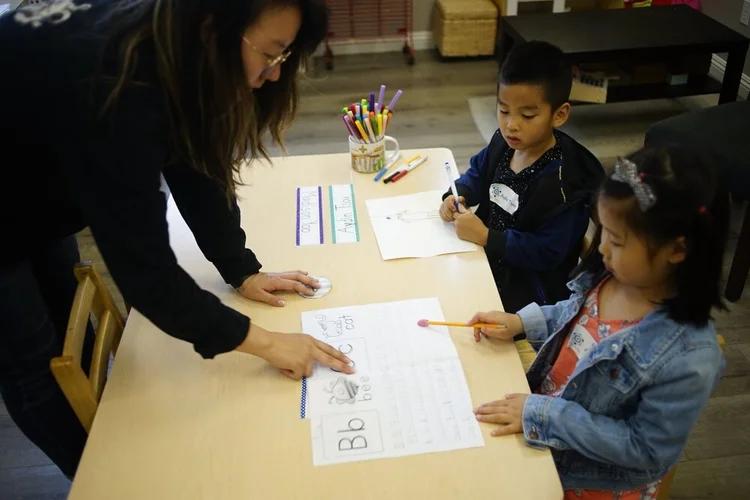
Teachers can organize daily alphabet tracing sessions.
Students can:
- Trace one new letter each day.
- Color matching pictures.
- Practice letter sounds.
- Write simple words.
- Share their work with classmates.
Short daily practice keeps children motivated and helps build strong handwriting habits.
Learning Through Play
Tracing does not have to feel like homework.
Parents and teachers can make it fun by using:
- Alphabet games
- Songs
- Storybooks
- Flashcards
- Magnetic letters
- Dry-erase boards
Children learn best when they are having fun.
Tips for Success
To help children enjoy tracing letters:
- Practice a little every day.
- Start with large, simple letters.
- Praise every effort.
- Use colorful materials.
- Keep sessions short and positive.
- Allow children to learn at their own pace.
Encouragement helps children become confident writers.
Conclusion
Tracing English letters is one of the easiest and most effective ways for children to begin learning the alphabet. With simple materials, regular practice, and fun activities, children can develop strong handwriting skills while improving letter recognition, fine motor control, and confidence. Whether practiced at home or in the classroom, letter tracing lays the foundation for successful reading and writing, making it an essential part of every child’s early education.
