
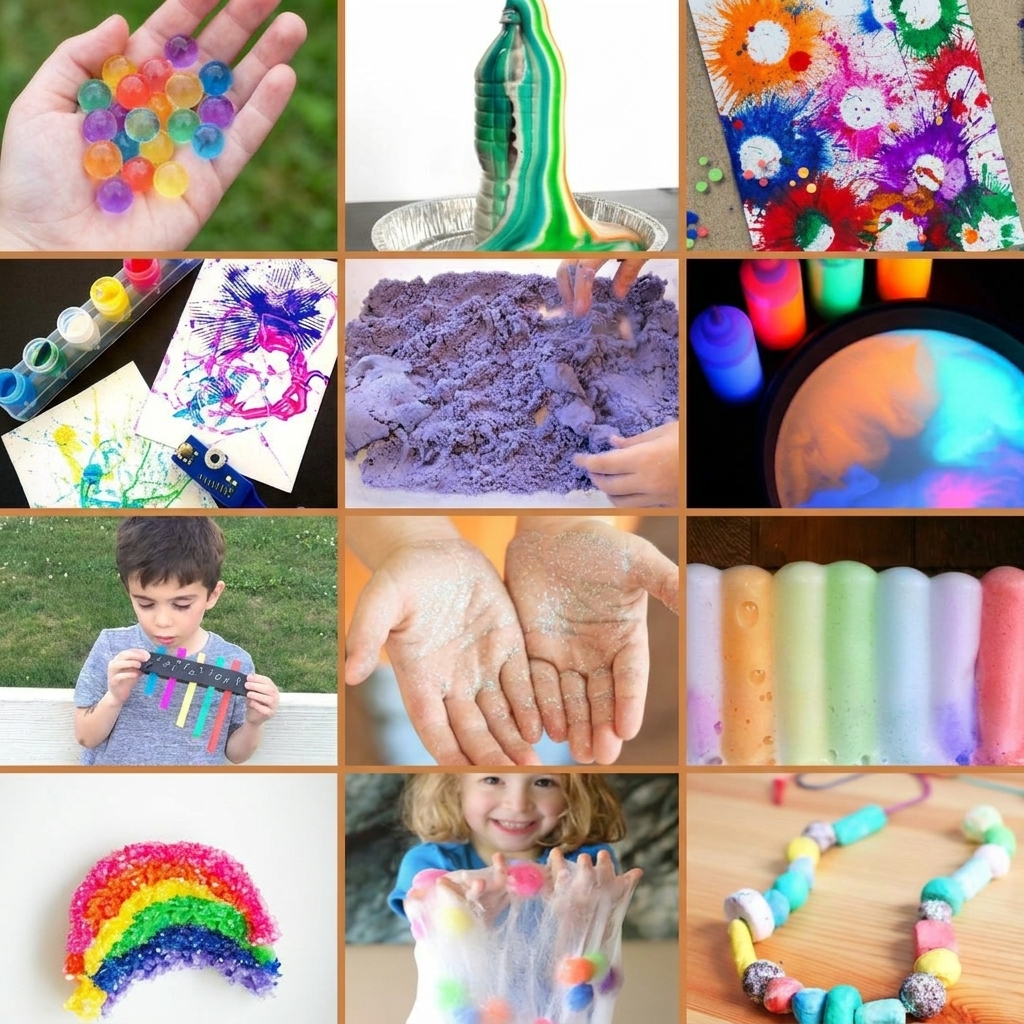
An exciting science project for curious children can transform ordinary learning into an unforgettable adventure. Children are naturally curious about how things work, why objects move, how plants grow, and what causes amazing scientific reactions. STEM activities provide the perfect opportunity to answer these questions while encouraging creativity, problem-solving, and critical thinking.
STEM stands for Science, Technology, Engineering, and Mathematics. These subjects help children develop essential skills that will benefit them throughout their education and future careers. Through hands-on experiments and challenges, kids learn by doing rather than simply reading about concepts.
This article explores an exciting science project for curious children through 11 engaging STEM challenges. Each challenge introduces important scientific concepts while keeping learning fun, interactive, and memorable.
Quick Overview Table
| STEM Challenge | Main Concept | Difficulty |
| Balloon Rocket | Air Pressure | Easy |
| Lava Lamp | Density | Easy |
| Magnet Hunt | Magnetism | Easy |
| Crystal Growth | Chemistry | Medium |
| Water Filter | Filtration | Easy |
| Egg Drop | Engineering | Medium |
| Bridge Building | Structural Design | Medium |
| Static Electricity | Physics | Easy |
| Ice and Salt Test | Freezing Point | Easy |
| Paper Airplane Lab | Aerodynamics | Easy |
| Mini Volcano | Chemical Reactions | Easy |
What Makes STEM Activities Important?
An exciting science project for curious children offers more than entertainment. It encourages:
- Observation skills
- Problem-solving abilities
- Creativity
- Teamwork
- Scientific thinking
- Confidence
Children become active participants in learning rather than passive observers.
Challenge 1: Balloon Rocket Experiment
Objective
Learn how air pressure creates movement.
Materials
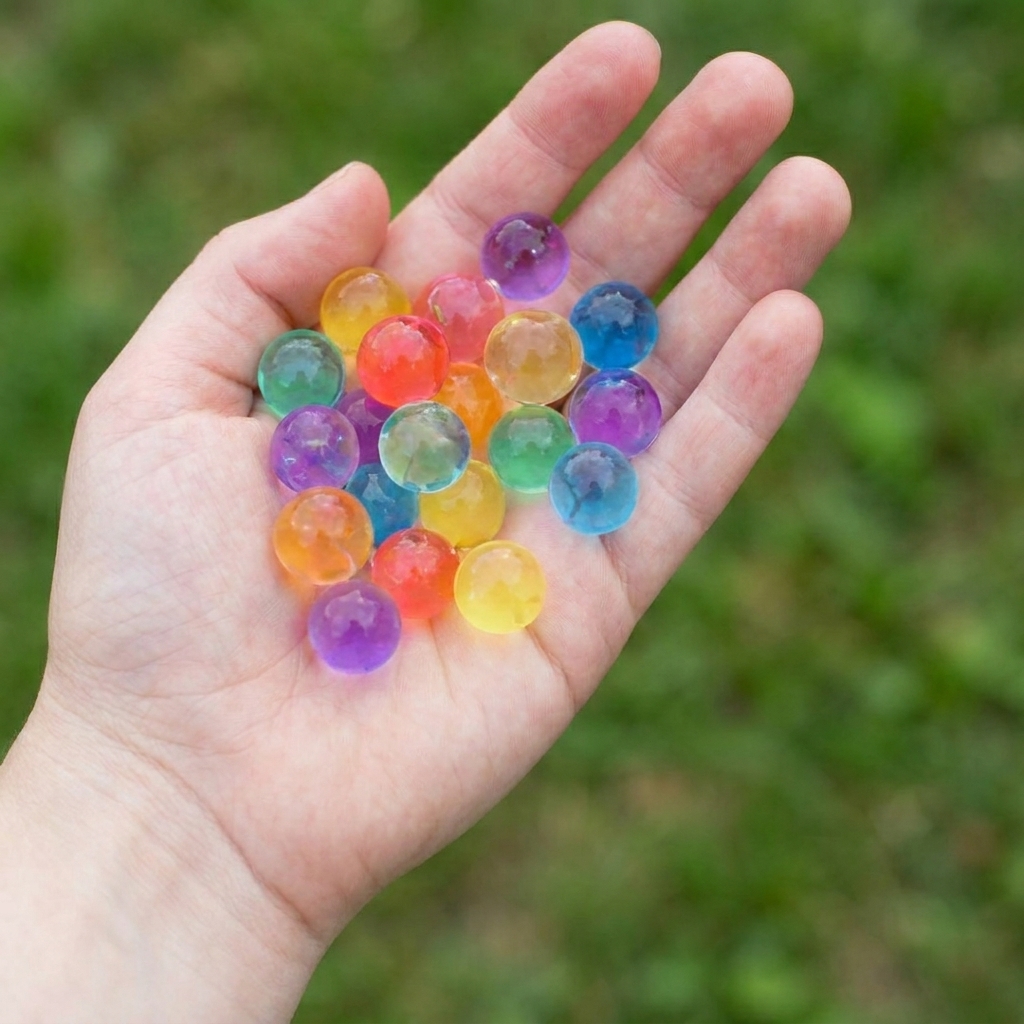
- Balloon
- Straw
- String
- Tape
How It Works
Thread the string through the straw and stretch it tightly between two points. Tape an inflated balloon to the straw and release the air.
The escaping air pushes the balloon forward.
Scientific Concept
This demonstrates Newton’s Third Law of Motion: every action has an equal and opposite reaction.
What Children Learn
- Force
- Motion
- Air pressure
Challenge 2: Homemade Lava Lamp
Objective
Explore density and chemical reactions.
Materials
- Water
- Vegetable oil
- Food coloring
- Effervescent tablet
How It Works
Oil floats on water because it is less dense. The tablet creates gas bubbles that move colored water upward.
Scientific Concept
Density differences and gas production.
What Children Learn
- Liquid layers
- Density
- Reactions
Challenge 3: Magnetic Treasure Hunt
Objective
Discover which materials are magnetic.
Materials
- Magnet
- Household objects
How It Works
Children test various objects to see whether they are attracted to magnets.
Scientific Concept
Magnetic fields and ferromagnetic materials.
What Children Learn
- Magnetism
- Classification
- Observation
Challenge 4: Colorful Crystal Growth
Objective
Understand crystal formation.
Materials
- Warm water
- Borax or alum
- Food coloring
How It Works
Dissolved minerals form crystals as the solution cools and evaporates.
Scientific Concept
Crystallization.
What Children Learn
- Chemistry
- Patience
- Scientific observation
Challenge 5: Water Filtration System
Objective
Build a simple water filter.
Materials
- Plastic bottle
- Sand
- Gravel
- Cotton
- Dirty water
How It Works
Water passes through layers that trap particles and impurities.
Scientific Concept
Filtration.
What Children Learn
- Environmental science
- Water purification
- Engineering design
Challenge 6: Egg Drop Engineering Project
Objective
Protect an egg from breaking.
Materials
- Egg
- Cardboard
- Cotton
- Tape
How It Works
Children design protective structures around an egg before dropping it.
Scientific Concept
Impact absorption and engineering.
What Children Learn
- Design thinking
- Testing
- Problem-solving
Challenge 7: Paper Bridge Building
Objective
Construct a strong bridge using paper.
Materials
- Paper
- Books
- Coins
How It Works
Children fold and shape paper to create structures capable of holding weight.
Scientific Concept
Structural engineering.
What Children Learn
- Load distribution
- Strength
- Engineering principles
Challenge 8: Static Electricity Balloon Test
Objective
Observe static electricity.
Materials
- Balloon
- Tissue paper
How It Works
Rubbing the balloon transfers electrons. The charged balloon attracts tissue pieces.
Scientific Concept
Electrostatic force.
What Children Learn
- Electric charge
- Attraction
- Friction
Challenge 9: Ice and Salt Investigation
Objective
Discover how salt affects ice.
Materials
- Ice cubes
- Salt
How It Works
Salt lowers the freezing point, causing ice to melt faster.
Scientific Concept
Freezing point depression.
What Children Learn
- Temperature
- States of matter
- Chemistry
Challenge 10: Paper Airplane Laboratory
Objective
Explore flight principles.
Materials
- Paper
- Measuring tape
How It Works
Children create different airplane designs and compare flight distances.
Scientific Concept
Aerodynamics.
What Children Learn
- Air resistance
- Lift
- Flight mechanics
Challenge 11: Mini Volcano Eruption
Objective
Create a volcanic reaction.
Materials
- Baking soda
- Vinegar
- Food coloring
How It Works
Mixing baking soda and vinegar produces carbon dioxide gas.
Scientific Concept
Acid-base reaction.
What Children Learn
- Chemical reactions
- Gas formation
- Earth science connections
Why Children Love STEM Challenges
An exciting science project for curious children appeals to young learners because it combines education with entertainment.
Immediate Results
Many STEM activities produce quick and visible outcomes.
Hands-On Learning
Children actively participate instead of simply watching.
Creative Exploration
There is often more than one way to solve a challenge.
Real-World Connections
Kids see how science applies to everyday life.
Sense of Achievement
Completing a challenge builds confidence.
Educational Benefits of STEM Activities
Improved Critical Thinking
Children learn to evaluate problems and test solutions.
Enhanced Creativity
STEM encourages innovation and experimentation.
Better Communication Skills
Discussing observations helps children explain ideas clearly.
Stronger Math Skills
Many challenges involve measurement and data collection.
Increased Scientific Literacy
Children become familiar with scientific concepts and vocabulary.
How Parents Can Support STEM Learning
Parents play an important role in encouraging scientific curiosity.
Ask Questions
Encourage children to think deeply by asking:
- What do you think will happen?
- Why did that occur?
- How could we improve the design?
Celebrate Mistakes
Experiments do not always work perfectly.
Failures often provide valuable learning opportunities.
Encourage Observation
Help children notice details and patterns.
Create a Science Journal
Children can record:
- Predictions
- Results
- Observations
- Questions
This strengthens scientific thinking.
How Teachers Can Use STEM Challenges
Teachers can incorporate these projects into classroom lessons.
Group Activities
Students work together to solve challenges.
Science Fairs
Projects can become science fair entries.
STEM Centers
Challenge stations encourage independent learning.
Cross-Curricular Learning
STEM activities connect with:
- Math
- Reading
- Writing
- Art
Real-World Careers Connected to STEM
The skills developed through STEM activities relate to many careers.
Scientists
Study natural phenomena and conduct research.
Engineers
Design structures, machines, and technology.
Programmers
Create software and digital solutions.
Environmental Specialists
Protect natural resources and ecosystems.
Medical Researchers
Develop treatments and improve healthcare.
Introducing STEM early helps children discover future interests.
Tips for Successful STEM Projects
Keep It Simple
Choose age-appropriate activities.
Use Safe Materials
Always supervise experiments when necessary.
Encourage Questions
Curiosity drives learning.
Focus on Exploration
The goal is understanding, not perfection.
Have Fun
Enjoyment increases engagement and retention.
Conclusion
An exciting science project for curious children can spark a lifelong love of learning. Through 11 engaging STEM challenges, children discover scientific principles while developing critical thinking, creativity, and problem-solving skills.
From launching balloon rockets and building bridges to growing crystals and creating volcanoes, these activities transform science into an adventure. Each challenge offers opportunities to observe, test, predict, and explore the world in meaningful ways.
Whether at home, in the classroom, or during a science club meeting, STEM projects help children build confidence and curiosity. By encouraging hands-on discovery, parents and educators can inspire the next generation of scientists, engineers, inventors, and innovators.
The greatest benefit of an exciting science project for curious children is not simply learning scientific facts—it is helping young minds realize that asking questions and exploring possibilities can lead to incredible discoveries.
