
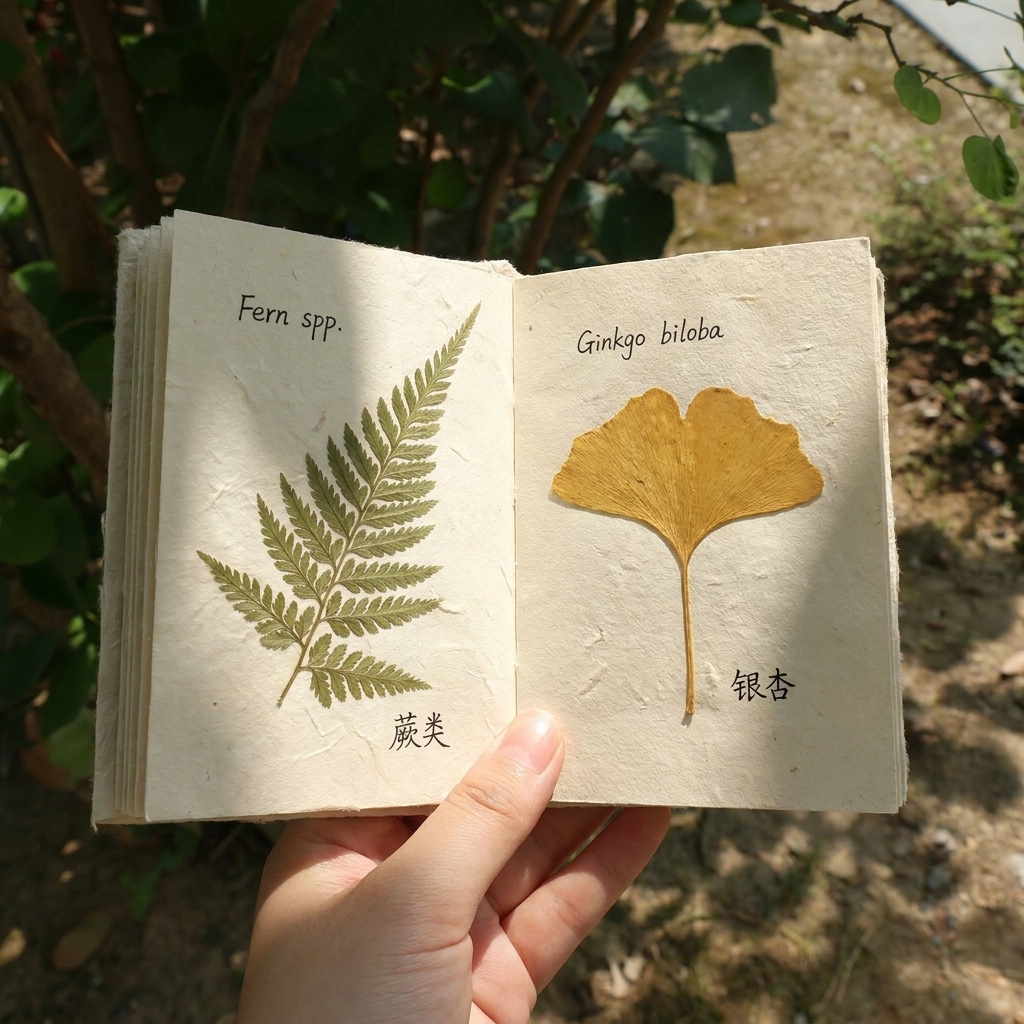
Collecting leaves and making a nature book is one of the simplest yet most meaningful outdoor learning activities for children. In an age where screens dominate much of daily life, this hands-on project brings kids back into nature, encouraging curiosity, observation, and creativity.
At its core, this activity involves gathering different types of leaves from trees, studying their shapes and textures, and then organizing them into a handmade book. Each page becomes a record of discovery, turning a simple walk outside into a scientific and artistic journey.
Children love this activity because it feels like an adventure. Every leaf tells a story, and every page of their nature book becomes a personal collection of experiences. Parents and teachers also value this activity because it combines education, environmental awareness, and creativity in a very accessible way.
This essay explores why children enjoy collecting leaves and making a nature book, how it supports learning, and how it can be developed into a long-term educational project.
Quick Summary Table
| Feature | Details |
| Project Name | Collecting Leaves and Making a Nature Book |
| Type | Outdoor STEM + Art Activity |
| Difficulty Level | Easy |
| Age Group | 5–12 Years |
| Time Required | 1–3 Hours (ongoing project possible) |
| Materials | Leaves, paper, glue, notebook |
| Skills Developed | Observation, classification, creativity |
| Learning Focus | Biology, environment, nature science |
| Cost | Very Low |
| Fun Level | Very High |
What Does Collecting Leaves and Making a Nature Book Mean?
Collecting leaves and making a nature book means going outdoors to gather fallen or carefully picked leaves, then organizing them into a structured collection.
Each leaf can be:
- Pressed and dried
- Labeled with tree names
- Described by shape, color, and texture
- Arranged in a scrapbook or notebook
This transforms simple nature exploration into a personal science journal.
Children begin to notice differences between trees that they may have previously ignored.
Why Kids Love Collecting Leaves and Making a Nature Book
1. It Feels Like a Nature Treasure Hunt
Children naturally love searching for hidden or special items. This activity turns a regular walk into an exciting treasure hunt.
Every leaf becomes a discovery:
- A large maple leaf
- A small round leaf
- A colorful autumn leaf
Kids feel like explorers collecting rare items from nature.
This sense of adventure keeps them engaged and motivated.
2. It Connects Them Directly with Nature
Many children spend a lot of time indoors, so activities that bring them outside feel refreshing and exciting.
While collecting leaves, they begin to notice:
- Tree types
- Leaf shapes
- Seasonal changes
- Natural patterns
They start observing the environment in a deeper way.
This connection builds respect and appreciation for nature.
3. It Encourages Creativity and Personal Expression
Making a nature book is not just scientific—it is also artistic.
Children can design their book in many ways:
- Colorful layouts
- Hand-drawn illustrations
- Decorative borders
- Creative labels
Each book becomes unique and personal.
This freedom of expression makes the activity enjoyable and meaningful.
4. It Introduces Basic Science in a Simple Way
Without realizing it, children learn biology and environmental science.
They begin to understand:
- Different tree species
- Leaf shapes and structures
- Seasonal changes in nature
- Plant classification
Instead of reading from a textbook, they learn through direct observation.
This makes knowledge easier to remember.
5. It Builds Patience and Observation Skills
Collecting leaves and making a nature book is not a fast activity. It requires careful attention.
Children must:
- Observe details
- Compare shapes
- Organize information
- Take time to arrange pages
This helps develop patience and focus.
They learn that careful observation leads to better understanding.
Materials Needed
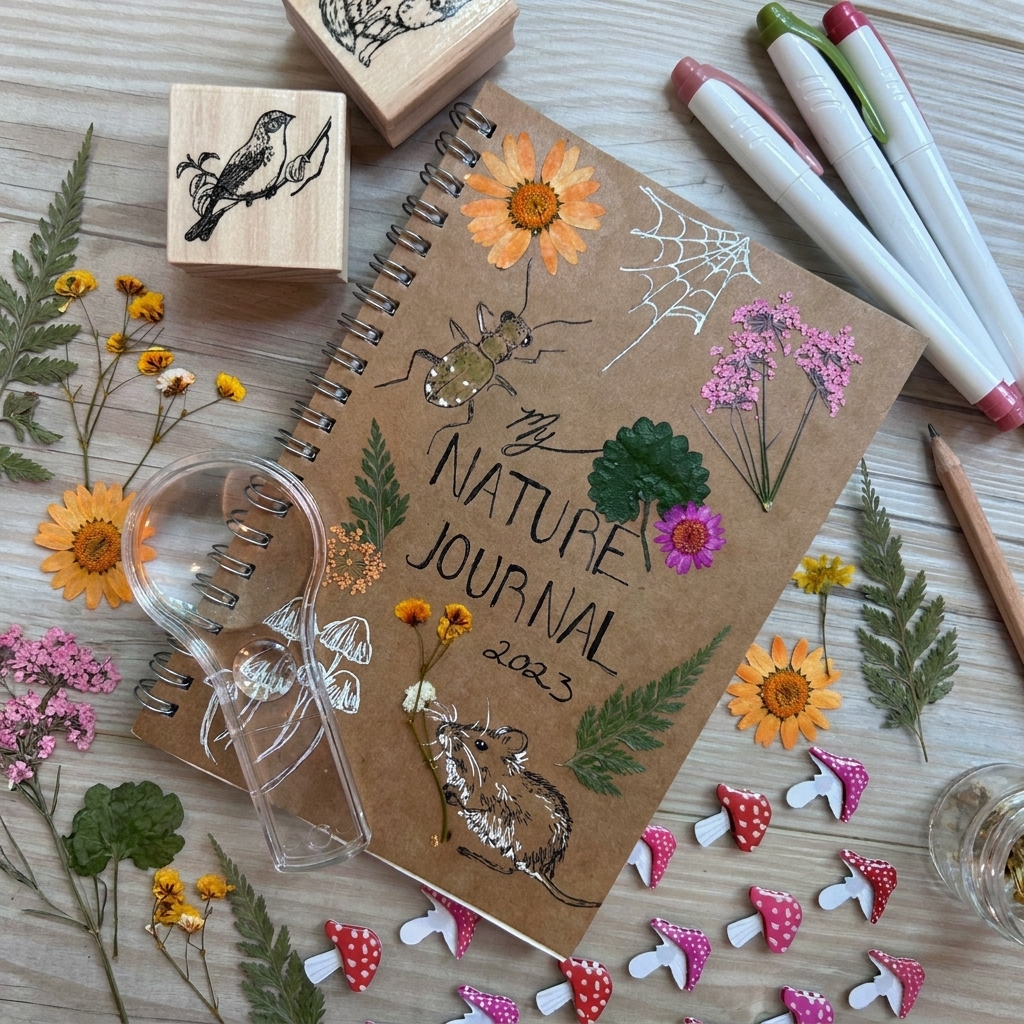
One of the best things about collecting leaves and making a nature book is that it requires very simple materials.
- Paper or notebook
- Glue or tape
- Leaves from different trees
- Colored pencils or markers
- Optional: stickers or labels
These items are easy to find and inexpensive.
Step-by-Step Process
Step 1: Go on a Nature Walk
Children begin by exploring outdoor areas such as parks, gardens, or forests.
They look for different types of leaves on the ground or still attached to trees.
Step 2: Collect Leaves Carefully
Leaves are collected gently to avoid damaging nature.
Children are encouraged to pick fallen leaves when possible.
Step 3: Sort the Leaves
After collection, leaves are sorted by:
- Shape
- Size
- Color
- Texture
This introduces classification skills.
Step 4: Press and Dry the Leaves
Leaves are placed between books or paper to flatten and dry them.
This helps preserve them for the nature book.
Step 5: Create the Nature Book Pages
Each page can include:
- One or more leaves
- Name of the tree
- Date of collection
- Drawing or description
Step 6: Decorate and Label
Children decorate pages with creativity and care.
Step 7: Review and Expand the Book
Over time, more leaves can be added, turning the project into an ongoing collection.
Educational Benefits
Biology Learning
Children learn about:
- Plant structures
- Leaf functions
- Tree species
Environmental Awareness
They develop respect for nature and ecosystems.
Cognitive Skills
The activity improves:
- Memory
- Attention to detail
- Organization
Creativity Development
Children express themselves through design and layout.
Why Teachers Use This Activity
Teachers appreciate collecting leaves and making a nature book because it is:
- Easy to organize
- Low cost
- Highly educational
- Flexible for all ages
It fits well into:
- Science lessons
- Art projects
- Environmental studies
Teachers can also turn it into group work or seasonal projects.
How Parents Can Support the Activity
Parents can enhance learning by:
- Going on nature walks with children
- Asking questions about leaves
- Helping identify tree types
- Encouraging creativity in book design
This strengthens both learning and family bonding.
Common Challenges and Solutions
Leaves Become Too Dry or Fragile
Solution: Press them carefully and handle gently.
Difficulty Identifying Trees
Solution: Use simple plant identification guides or apps.
Pages Become Messy
Solution: Encourage organized layouts before gluing.
Creative Variations
Children can expand the project by adding:
- Flowers
- Seeds
- Bark samples
- Nature drawings
- Seasonal pages
This makes the nature book richer and more detailed.
Long-Term Learning Impact
Collecting leaves and making a nature book helps children develop:
- Scientific curiosity
- Environmental awareness
- Observation skills
- Creativity
- Responsibility toward nature
These skills support lifelong learning and appreciation of the environment.
Conclusion
Collecting leaves and making a nature book is a simple but powerful educational activity. It transforms everyday nature walks into meaningful learning experiences filled with discovery and creativity.
Children love this project because it feels like an adventure, a treasure hunt, and an art project all at once. They enjoy collecting leaves, organizing them, and creating something personal and meaningful.
Beyond fun, the activity teaches important lessons about science, nature, and observation. It helps children develop curiosity, patience, and a deeper connection with the natural world.
This is why collecting leaves and making a nature book remains one of the most enjoyable and educational outdoor activities for young learners.
