
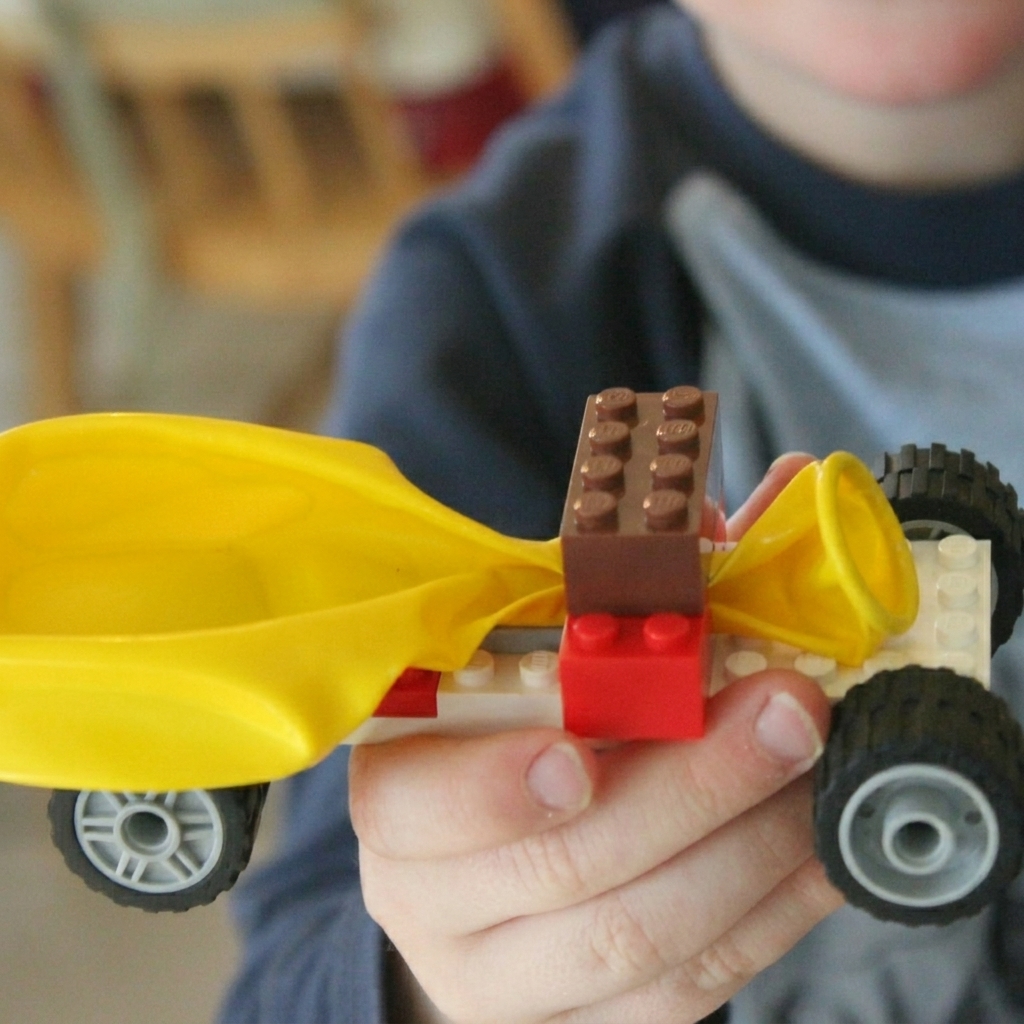
Building a car powered by balloons is one of the most exciting science and engineering activities children can try at home or in the classroom. This simple project combines creativity, physics, problem-solving, and hands-on learning in a way that feels more like play than education. Children love watching a homemade vehicle race across the floor using nothing but the air escaping from a balloon.
In a world filled with screens and digital entertainment, many parents and teachers are searching for activities that encourage active participation and real-world learning. Building a car powered by balloons offers the perfect solution. It is inexpensive, easy to make, and teaches important STEM concepts while keeping children entertained.
This project demonstrates how stored energy can be converted into motion. As the balloon releases air, the force pushes the car forward. While the scientific principle is simple, the excitement it creates is enormous. Kids enjoy designing, testing, and improving their balloon cars while learning valuable lessons about engineering and experimentation.
In this article, we will explore why building a car powered by balloons is loved by so many children, how it works, what materials are needed, and the educational benefits that make it one of the best DIY science projects available.
Quick Summary Table
| Topic | Details |
| Project Name | Building a Car Powered by Balloons |
| Main Learning Area | STEM Education |
| Difficulty Level | Easy |
| Recommended Age | 6+ Years |
| Materials Needed | Balloon, cardboard, straws, wheels, tape |
| Skills Developed | Creativity, problem-solving, engineering |
| Science Concept | Air pressure and propulsion |
| Estimated Time | 30–60 Minutes |
| Cost | Low |
| Fun Factor | Very High |
What Is a Balloon-Powered Car?
A balloon-powered car is a small vehicle that moves using the force created by air escaping from an inflated balloon. Instead of relying on batteries, motors, or fuel, the car uses stored air energy.
The concept is simple:
- Inflate the balloon.
- Attach it to the vehicle.
- Release the air.
- Watch the car move forward.
Although the design is basic, the science behind it introduces children to important engineering concepts.
Building a car powered by balloons allows kids to witness physics in action while having fun experimenting with different designs.
Why Kids Love Building a Car Powered by Balloons
There are many reasons children become excited about this project. Here are the five biggest reasons.
1. It Moves Like Magic
Children are naturally curious about moving objects. When they see a homemade car suddenly race across the floor, it feels almost magical.
The fact that the car moves without batteries or remote controls makes the activity even more fascinating. Kids often ask:
- How does it move?
- Why does the balloon make it go?
- Can it go faster?
These questions spark curiosity and encourage scientific thinking.
Watching the vehicle move for the first time creates a memorable moment that keeps children engaged.
2. It Encourages Creativity
Every child can design a unique vehicle.
Some children build race cars.
Others create:
- Rocket cars
- Animal-shaped cars
- Future vehicles
- Cartoon-inspired designs
Building a car powered by balloons allows kids to personalize every aspect of the project.
They choose:
- Colors
- Shapes
- Decorations
- Wheel designs
- Balloon sizes
This freedom encourages creativity and self-expression.
3. It Feels Like a Real Engineering Challenge
Kids enjoy solving problems.
When a balloon car does not move correctly, children naturally begin asking:
- Are the wheels straight?
- Is the balloon big enough?
- Is there too much friction?
- Is the car too heavy?
They start thinking like engineers.
Instead of simply following instructions, they test ideas and improve their designs.
This trial-and-error process develops critical thinking skills while making learning enjoyable.
4. It Creates Friendly Competition
Children love challenges.
Once several balloon cars have been built, races become inevitable.
Kids can compete to see:
- Which car goes the fastest
- Which car travels the farthest
- Which design is most creative
- Which vehicle carries the most weight
These competitions encourage teamwork, communication, and sportsmanship.
The excitement of racing motivates children to continue improving their projects.
5. It Combines Learning and Fun
Many educational activities feel like work.
Building a car powered by balloons feels like play.
Children become so focused on building and testing their cars that they often do not realize how much they are learning.
During the project, they explore:
- Physics
- Engineering
- Design
- Mathematics
- Problem-solving
The combination of learning and fun makes this activity highly effective.
How Balloon-Powered Cars Work
The science behind the project is surprisingly simple.
When a balloon is inflated, air is forced inside and stored under pressure.
The balloon wants to return to its original shape.
As the air escapes, it pushes backward.
According to Newton’s Third Law of Motion:
“For every action, there is an equal and opposite reaction.”
The escaping air creates a force that pushes the car forward.
This principle is similar to how:
- Rockets launch into space
- Jet engines operate
- Some boats move through water
Building a car powered by balloons gives children a practical demonstration of this important scientific law.
Materials Needed
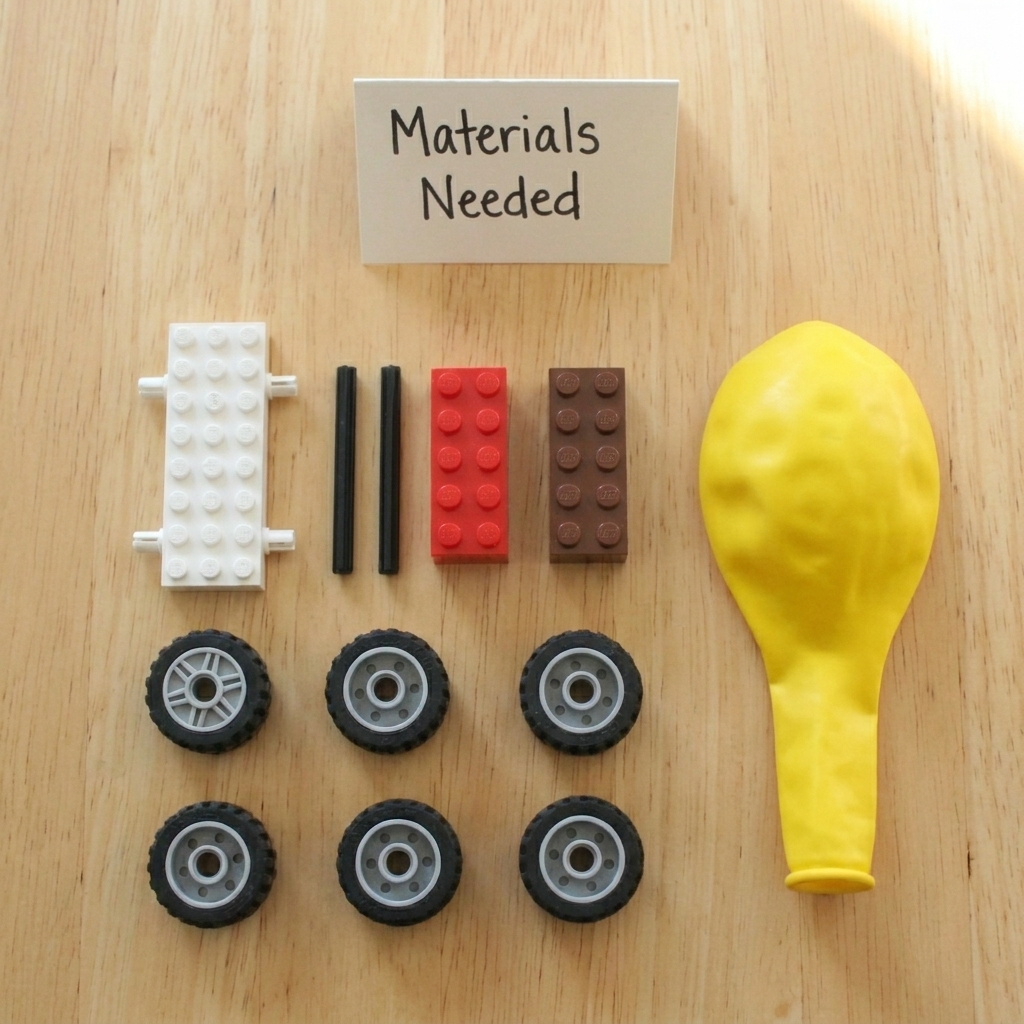
One reason this project is so popular is that the materials are inexpensive and easy to find.
Common supplies include:
- Cardboard
- Plastic bottle caps
- Wooden skewers
- Drinking straws
- Tape
- Glue
- Balloon
- Scissors
- Markers or paint
Many of these items can be recycled from household waste, making the project environmentally friendly.
Step-by-Step Construction
Step 1: Create the Base
Cut a rectangular piece of cardboard.
This will form the body of the car.
The base should be sturdy but lightweight.
Step 2: Build the Axles
Insert skewers through drinking straws.
The straws act as guides, allowing the axles to rotate smoothly.
Attach the straws to the underside of the cardboard.
Step 3: Add the Wheels
Attach bottle caps or cardboard circles to the ends of the axles.
Make sure the wheels spin freely.
Step 4: Prepare the Balloon
Insert a straw into the balloon opening.
Secure it tightly with tape.
This helps direct the airflow.
Step 5: Attach the Balloon System
Tape the balloon and straw to the top of the car.
Ensure the straw points toward the back.
Step 6: Inflate the Balloon
Blow air into the balloon through the straw.
Hold the end closed until ready.
Step 7: Release and Race
Place the vehicle on a smooth surface.
Release the air.
Watch the car zoom forward.
Educational Benefits
Building a car powered by balloons offers many educational advantages.
Science Learning
Children discover:
- Air pressure
- Energy transfer
- Motion
- Force
- Friction
These concepts become easier to understand through hands-on experience.
Engineering Skills
Young builders learn:
- Planning
- Construction
- Testing
- Improvement
These are the same processes used by professional engineers.
Mathematics Practice
Children can measure:
- Distance traveled
- Travel time
- Speed
- Wheel diameter
This adds a practical math component to the activity.
Problem-Solving Skills
When designs fail, children learn how to identify problems and create solutions.
This process strengthens critical thinking abilities.
Ways to Improve Performance
One of the most exciting aspects of building a car powered by balloons is experimenting with performance improvements.
Reduce Weight
Lighter cars usually move faster.
Use thinner cardboard and lightweight decorations.
Increase Airflow
Larger balloons often provide more thrust.
Testing different balloon sizes can reveal interesting results.
Improve Wheel Alignment
Crooked wheels increase friction.
Straight wheels help the car travel farther.
Use Smooth Surfaces
Smooth floors allow better movement than rough surfaces.
Minimize Friction
Ensure wheels rotate freely without rubbing against the body.
These improvements introduce children to the concept of optimization.
Fun Classroom Activities
Teachers frequently use balloon-powered cars in STEM lessons.
Popular classroom challenges include:
Distance Challenge
Students compete to see whose car travels the farthest.
Speed Race
Teams race their vehicles over a fixed distance.
Design Contest
Students create unique vehicle designs.
Cargo Challenge
Cars must carry small weights while maintaining speed.
These activities encourage collaboration and teamwork.
Environmental Benefits
Building a car powered by balloons also supports sustainability.
Many components can be made from recycled materials such as:
- Cardboard boxes
- Plastic bottle caps
- Used straws
- Packaging materials
This teaches children the value of reusing resources instead of throwing them away.
The project demonstrates how creativity can transform waste into something useful and fun.
Common Mistakes to Avoid
Beginners often encounter a few challenges.
Wheels Not Turning
Ensure the axles rotate freely.
Balloon Leaks
Check for holes and secure tape connections.
Car Too Heavy
Reduce unnecessary decorations and materials.
Misaligned Axles
Straight axles improve performance significantly.
Rough Surfaces
Use smooth floors for best results.
Learning from mistakes is part of the engineering process.
Advanced Variations
Older children may enjoy creating more sophisticated designs.
Ideas include:
- Double-balloon cars
- Multi-wheel vehicles
- Aerodynamic race cars
- Lightweight competition models
- Adjustable steering systems
These advanced projects introduce more complex engineering concepts.
Conclusion
Building a car powered by balloons is much more than a simple craft project. It is a fun, affordable, and educational activity that introduces children to science, engineering, creativity, and problem-solving. The excitement of watching a homemade vehicle race across the floor captures children’s attention and encourages curiosity about how things work.
Kids love this activity because it feels magical, encourages creativity, provides engineering challenges, inspires friendly competition, and combines learning with fun. Whether completed at home, in a classroom, or during a STEM workshop, building a car powered by balloons offers valuable lessons that extend far beyond the project itself.
By using simple materials and a little imagination, children can create impressive vehicles while developing skills that will benefit them for years to come. That is why building a car powered by balloons continues to be one of the most popular hands-on science projects for young learners everywhere.
