
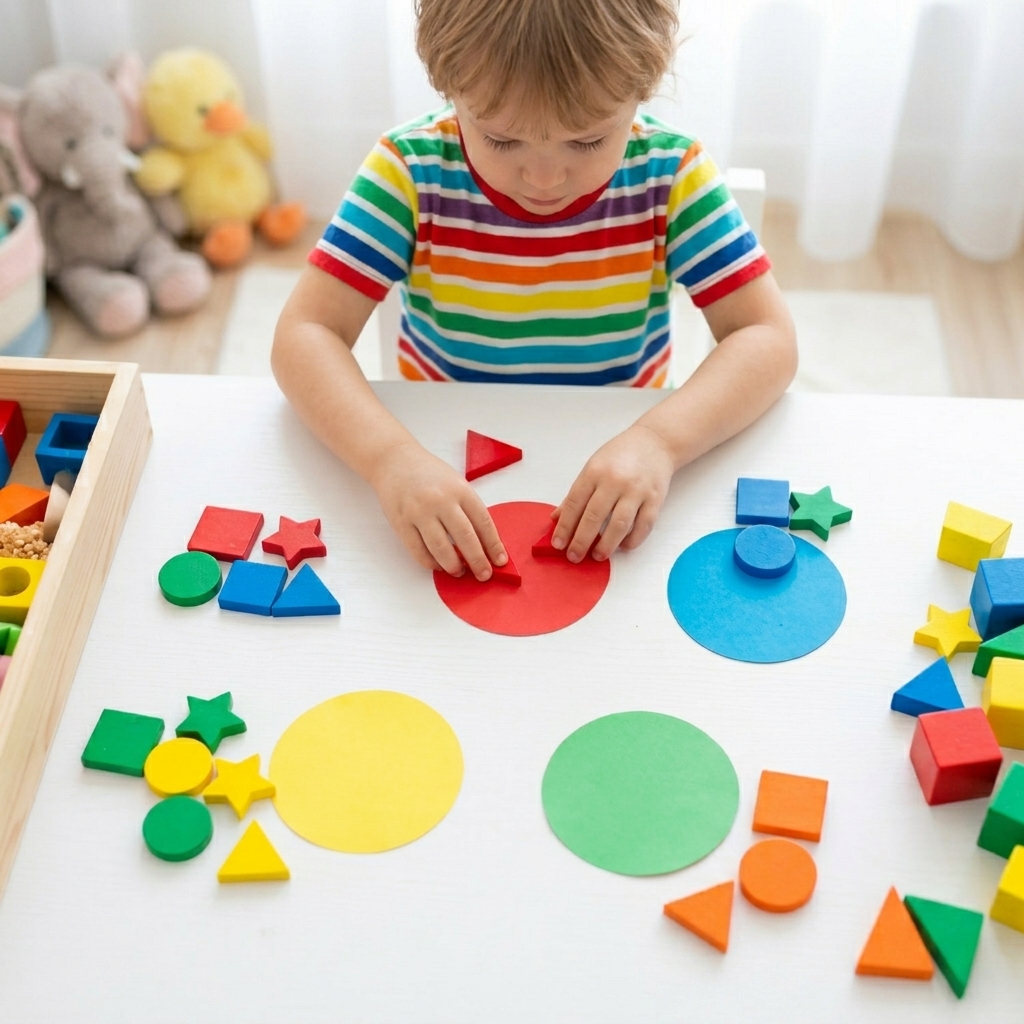
Children learn best when they are actively engaged, curious, and having fun. While textbooks and classroom lessons are important, games also play a powerful role in helping children develop essential thinking skills. Brain-training games are enjoyable activities that challenge the mind, improve concentration, strengthen memory, and encourage creative problem-solving. These games turn learning into an exciting adventure where children can explore new ideas while developing confidence in their abilities.
Brain-training games are not only entertaining but also educational. They encourage children to think carefully, make decisions, recognize patterns, remember information, and solve challenges independently or with friends. Whether played at home, in the classroom, or outdoors, these games support healthy cognitive development while creating opportunities for laughter and teamwork.
This article explores the importance of brain-training games for children, the skills they develop, different types of games, practical activities for various age groups, and tips for parents and teachers who want to make learning both enjoyable and meaningful.
What Are Brain-Training Games?
Brain-training games are activities designed to exercise different parts of the brain. Just as physical exercise strengthens muscles, mental exercises help improve thinking abilities. These games encourage children to use memory, attention, reasoning, logic, language, creativity, and planning skills.
Brain-training activities can be simple or complex, depending on the child’s age and developmental level. Some games require only paper and pencils, while others use cards, blocks, puzzles, or digital devices. The goal is not competition but learning through enjoyable challenges.
Why Brain Development Matters
The early years of childhood are an important period for brain growth. During this time, children rapidly develop connections between brain cells as they experience new sights, sounds, ideas, and activities.
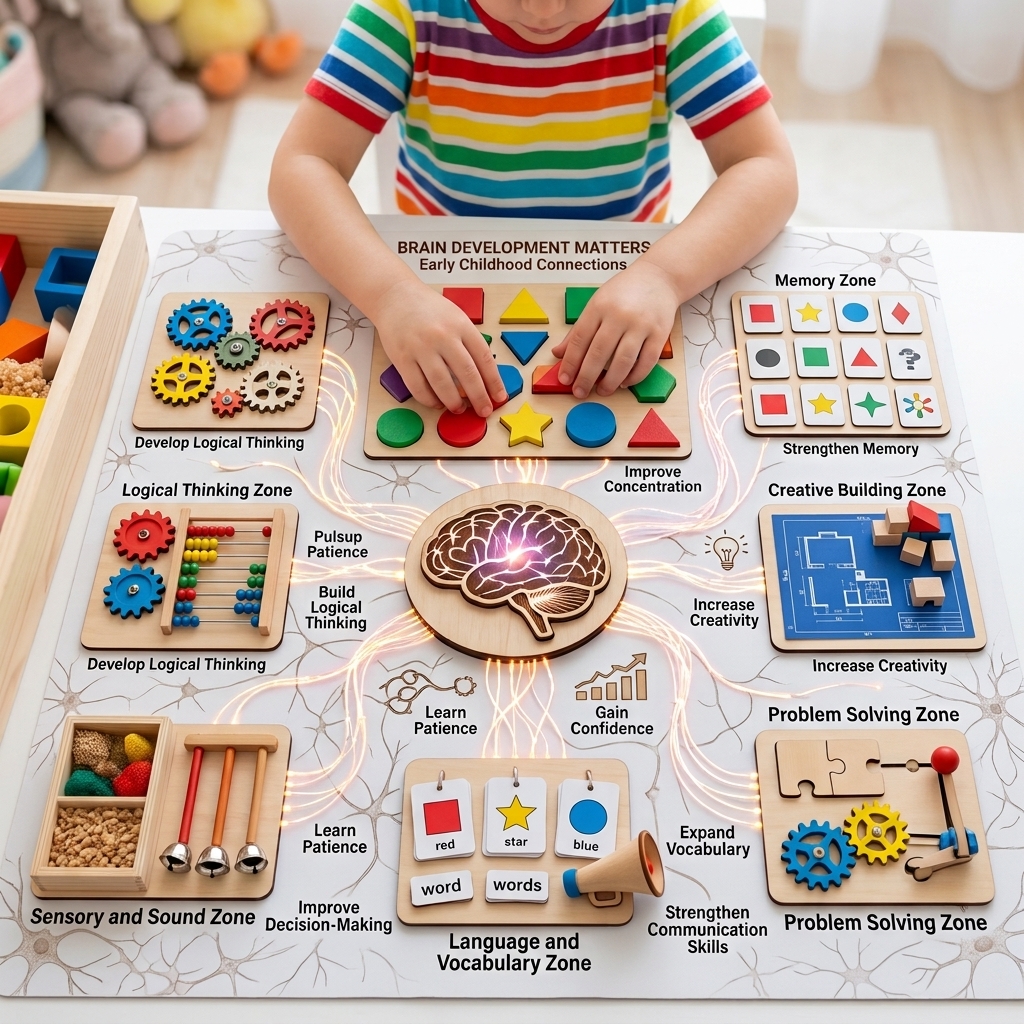
Regular mental challenges help children:
- Improve concentration
- Strengthen memory
- Build problem-solving skills
- Develop logical thinking
- Increase creativity
- Expand vocabulary
- Learn patience
- Gain confidence
- Improve decision-making
- Strengthen communication skills
Brain-training games provide these challenges in a fun and relaxed environment.
Benefits of Brain-Training Games
Improve Memory
Memory games help children remember pictures, numbers, words, shapes, and sequences. Strong memory supports reading, mathematics, and everyday learning.
Increase Concentration
Many games require children to pay close attention to details. Practicing focus helps children remain attentive during school lessons and homework.
Encourage Problem-Solving
Children learn to analyze situations, test ideas, and discover solutions. These skills become useful throughout school and daily life.
Develop Critical Thinking
Brain games encourage children to compare information, recognize patterns, and make thoughtful decisions instead of guessing.
Boost Creativity
Open-ended games inspire children to imagine new possibilities, invent stories, and think beyond ordinary answers.
Build Confidence
Completing puzzles and solving challenges gives children a sense of accomplishment that motivates them to tackle more difficult tasks.
Types of Brain-Training Games
Many different games help develop thinking skills.
Memory Matching Games
Children turn over cards and try to find matching pairs. This simple activity improves short-term memory, concentration, and observation.
Puzzle Games
Jigsaw puzzles teach children to recognize shapes, patterns, and spatial relationships while developing patience and persistence.
Word Games
Word searches, crossword puzzles, rhyming games, and spelling challenges strengthen vocabulary, reading, and language skills.
Number Games
Math puzzles, counting games, Sudoku for children, and number matching activities improve mathematical thinking and logical reasoning.
Logic Games
Logic puzzles encourage children to examine clues carefully before making decisions.
Pattern Recognition Games
Children identify repeating colors, shapes, numbers, or pictures, improving observation and reasoning skills.
Building Games
Blocks, construction toys, and engineering challenges develop creativity, planning, and spatial awareness.
Brain Games for Preschool Children
Young children learn through play.
Simple activities include:
- Sorting objects by color
- Matching animal pictures
- Shape puzzles
- Memory cards
- Counting toys
- Singing action songs
- Building block towers
- Identifying opposite words
These activities strengthen early thinking skills without becoming overwhelming.
Brain Games for Primary School Children
As children grow, they enjoy more challenging activities.
Examples include:
- Treasure hunts
- Maze puzzles
- Word building games
- Math races
- Pattern completion
- Story sequencing
- Guessing games
- Logic riddles
- Simple coding activities
These games encourage independent thinking while keeping learning enjoyable.
Creative Thinking Game
Creativity is an important part of brain development.
Teachers and parents can encourage imagination by asking questions such as:
- What would happen if animals could talk?
- How would you design a city on the Moon?
- Can you invent a new toy?
- What can you build using recycled materials?
- How many uses can you think of for a cardboard box?
There are no single correct answers, allowing children to explore many possibilities.
Outdoor Brain Games
Learning does not need to stay indoors.
Outdoor activities include:
Nature Scavenger Hunts
Children search for leaves, flowers, rocks, feathers, or insects while observing their environment carefully.
Obstacle Courses
Following directions while climbing, jumping, and balancing improves both physical coordination and mental planning.
Treasure Hunts
Children solve clues and riddles to find hidden objects.
Observation Walks
Children identify birds, trees, colors, and shapes during neighborhood walks.
These activities combine movement with thinking.
Classroom Brain Challenges
Teachers can introduce short brain exercises throughout the school day.
Examples include:
- Quick riddles
- Five-minute memory games
- Guess the object
- Alphabet challenges
- Story-building circles
- Pattern prediction
- Picture comparison
- Team problem-solving activities
These short exercises refresh students’ attention between lessons.
Digital Brain Games
Technology offers many educational opportunities when used responsibly.
Educational apps may include:
- Memory exercises
- Math challenges
- Reading games
- Coding puzzles
- Logic adventures
- Interactive quizzes
Parents should choose age-appropriate educational programs and balance screen time with physical activities and outdoor play.
Family Brain-Training Activities
Families can strengthen thinking skills together.
Ideas include:
- Board game nights
- Family trivia contests
- Puzzle competitions
- Cooking using recipes
- Card games
- Storytelling evenings
- Building challenges
- Word guessing games
These activities strengthen family relationships while supporting children’s learning.
Brain Games Using Everyday Materials
Expensive toys are not necessary.
Useful materials include:
- Paper
- Cardboard
- Bottle caps
- Dice
- Playing cards
- Plastic cups
- Popsicle sticks
- Colored pencils
- Coins
- Buttons
Simple household objects can become excellent educational tools.
The Importance of Teamwork
Many brain-training games encourage cooperation rather than competition.
Children learn to:
- Listen carefully
- Share ideas
- Respect different opinions
- Solve problems together
- Encourage teammates
- Celebrate group success
Team activities also improve communication and social skills.
Developing Emotional Skills
Brain-training games support emotional growth as well.
Children learn to:
- Stay calm during challenges
- Accept mistakes
- Keep trying
- Show patience
- Manage frustration
- Celebrate progress
These emotional skills are valuable throughout life.
Making Brain Games Fun
Adults can keep activities enjoyable by:
- Praising effort instead of perfection.
- Offering different levels of difficulty.
- Allowing children to make choices.
- Including movement and laughter.
- Rotating games regularly.
- Keeping sessions short and engaging.
- Encouraging creativity instead of memorization alone.
When children enjoy learning, they become more motivated to continue exploring.
Common Mistakes to Avoid
Adults should avoid:
- Making games too difficult
- Comparing children with others
- Focusing only on winning
- Overusing electronic devices
- Correcting every small mistake
- Turning play into stressful testing
The purpose is to build curiosity and confidence through positive experiences.
Long-Term Benefits
Children who regularly participate in brain-training activities often develop skills that continue to help them throughout their education.
These include:
- Better concentration
- Stronger memory
- Improved reading comprehension
- Higher confidence
- Better organization
- Greater creativity
- Stronger logical thinking
- Better communication
- Increased independence
- Lifelong curiosity
These abilities support success both inside and outside the classroom.
Tips for Parents and Teachers
Adults can maximize learning by:
- Playing regularly rather than occasionally.
- Encouraging questions.
- Celebrating progress.
- Allowing children to solve problems independently.
- Providing a variety of activities.
- Combining learning with movement.
- Reading together every day.
- Creating a positive learning environment.
- Giving children time to think before answering.
- Keeping activities enjoyable and age appropriate.
Consistent encouragement helps children develop a love of learning.
Conclusion
Brain-training games are far more than simple entertainment. They are valuable educational tools that help children strengthen memory, improve concentration, develop logical thinking, solve problems creatively, and build confidence through enjoyable experiences. Whether children are matching cards, solving puzzles, creating stories, building with blocks, exploring nature, or playing family board games, every activity exercises important thinking skills that support lifelong learning.
Parents and teachers play a vital role in providing opportunities for meaningful play. By choosing age-appropriate games, encouraging curiosity, and celebrating effort instead of perfection, adults can help children develop strong, flexible, and creative minds. Brain-training games remind us that learning does not always happen through formal lessons—it often happens through laughter, exploration, and playful discovery. As children continue to challenge their minds through fun activities, they become more confident learners, better problem-solvers, and more curious individuals who are prepared for future academic success and everyday life.
