
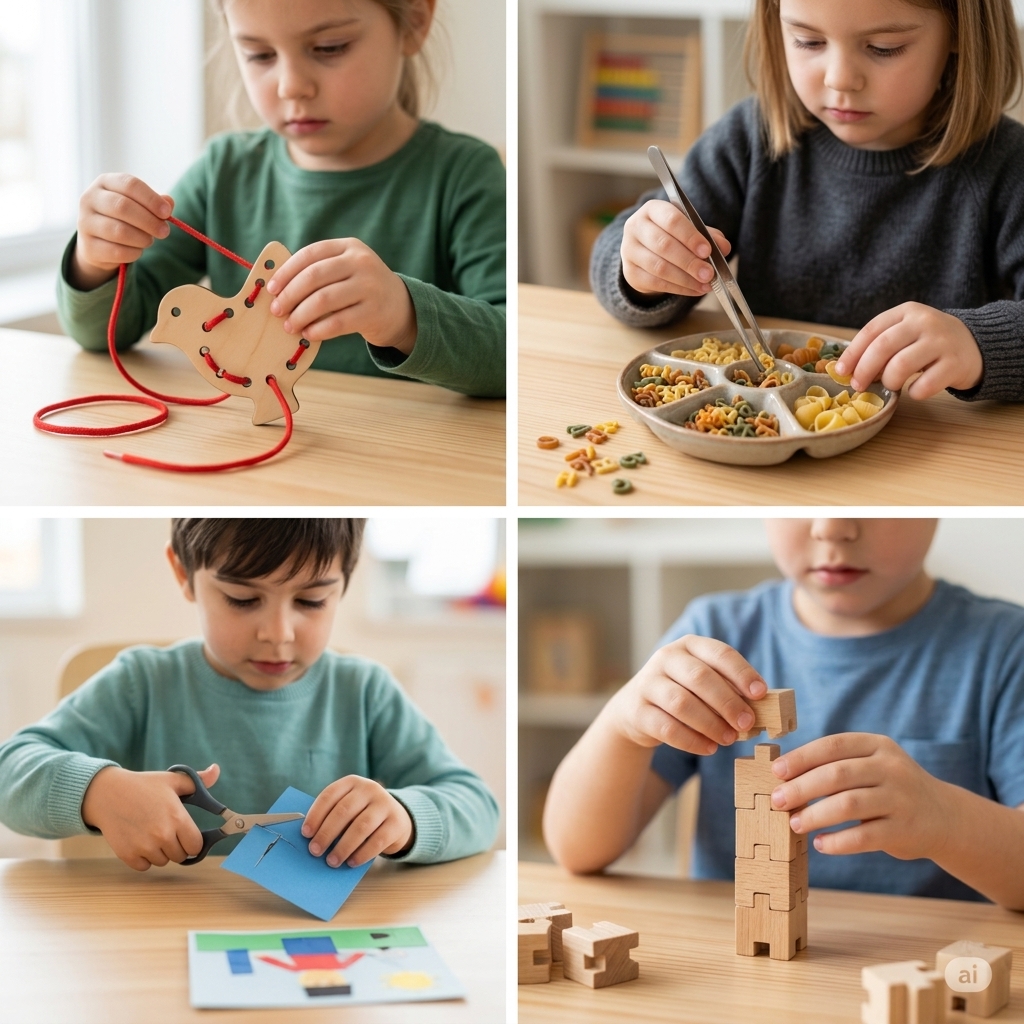
Fine motor skills are the small movements that children make using the muscles in their hands, fingers, and wrists. These movements are essential for many everyday activities, including writing, drawing, buttoning clothes, tying shoelaces, cutting with scissors, eating with utensils, and using school supplies. Developing fine motor skills during early childhood lays the foundation for academic success, independence, and confidence.
One of the most effective ways to strengthen fine motor skills is through play. Children naturally enjoy games and hands-on activities that allow them to explore, create, and solve problems. While they are having fun, they are also exercising the small muscles in their hands and improving hand-eye coordination, finger strength, precision, and control.
Parents, teachers, and caregivers can support children’s development by providing a variety of engaging games that encourage grasping, squeezing, pinching, stacking, threading, cutting, and manipulating small objects. This essay explores the importance of fine motor skills, explains how they develop, and presents a wide range of enjoyable games and activities that help children strengthen these essential abilities.
What Are Fine Motor Skills?
Fine motor skills involve the coordinated use of the small muscles of the hands and fingers together with the eyes. Unlike gross motor skills, which involve large body movements such as running and jumping, fine motor skills require careful control and precision.
Children use fine motor skills when they:
- Hold a pencil.
- Turn the pages of a book.
- Fasten buttons and zippers.
- Build with blocks.
- Draw pictures.
- Use scissors.
- Pick up small objects.
- Open containers.
- Brush their teeth.
- Tie shoelaces.
As children grow, these skills become more refined through practice and daily experiences.
Why Fine Motor Skills Are Important
Strong fine motor skills support many aspects of a child’s development.
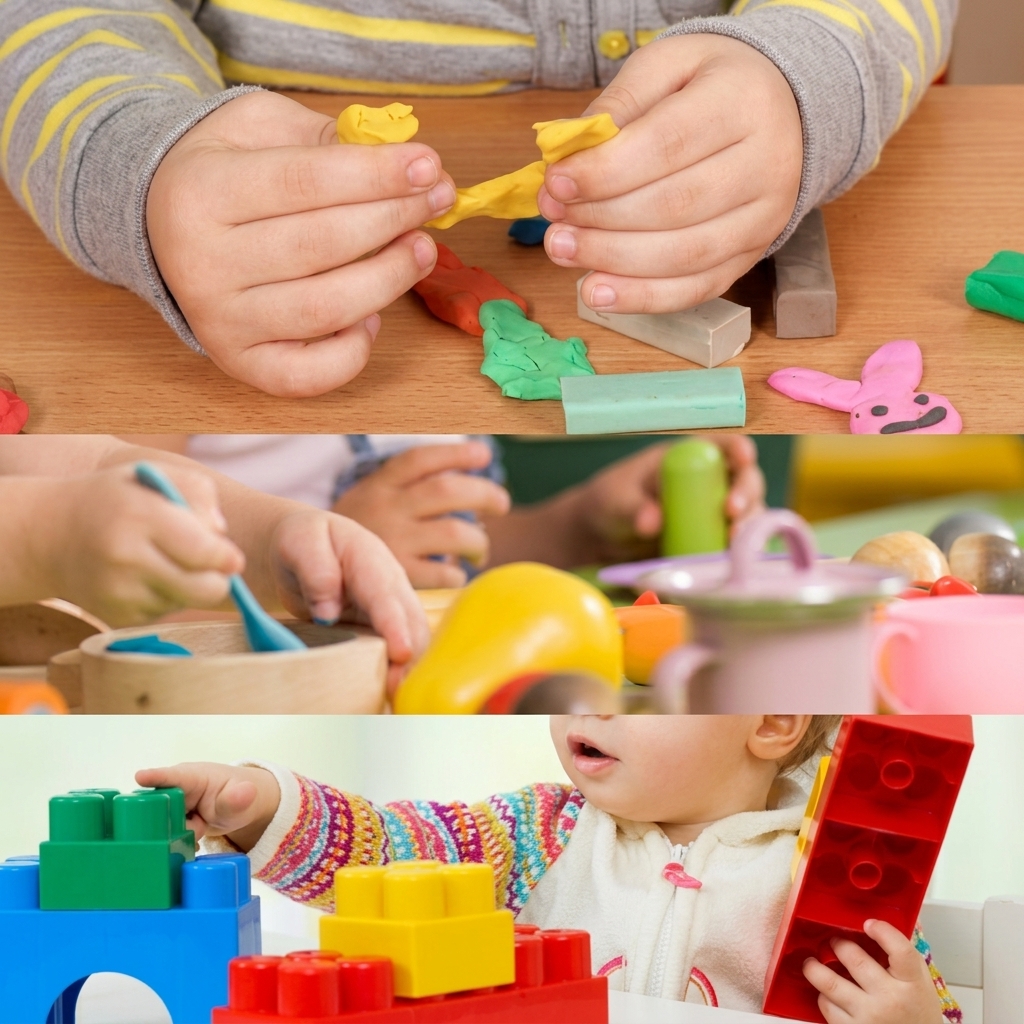
They help children:
- Write neatly.
- Improve drawing and coloring.
- Become more independent.
- Complete classroom activities successfully.
- Improve hand-eye coordination.
- Strengthen finger muscles.
- Build confidence.
- Develop patience.
- Increase concentration.
- Perform everyday self-care tasks.
Children with well-developed fine motor skills often find school tasks easier and enjoy greater independence.
Building with Blocks
Building blocks are one of the best tools for developing fine motor skills.
Children use their fingers to:
- Pick up blocks.
- Stack them carefully.
- Balance structures.
- Create towers, houses, bridges, and castles.
Building games improve finger strength, coordination, creativity, and problem-solving.
Children also learn patience as they rebuild structures that fall over.
Playdough Activities
Homemade or commercial playdough provides excellent finger exercise.
Children can:
- Roll balls.
- Flatten shapes.
- Pinch edges.
- Twist ropes.
- Cut pieces.
- Press patterns.
These movements strengthen the muscles needed for writing and other precise tasks.
Playdough also encourages creativity and imagination.
Bead Threading
Threading beads onto strings develops excellent hand control.
Children practice:
- Pinching small objects.
- Coordinating both hands.
- Following color patterns.
- Improving concentration.
Large beads are suitable for younger children, while older children can use smaller beads to increase the challenge.
Cutting with Safety Scissors
Using child-safe scissors strengthens hand muscles and coordination.
Children can cut:
- Straight lines.
- Curved lines.
- Zigzag patterns.
- Simple shapes.
- Pictures from magazines.
Cutting activities improve hand control and prepare children for school crafts.
Adult supervision is always important.
Coloring and Drawing
Coloring helps children learn pencil control while improving attention to detail.
Activities include:
- Coloring within the lines.
- Drawing simple shapes.
- Copying pictures.
- Creating original artwork.
- Tracing letters.
These exercises strengthen writing readiness.
Finger Painting
Finger painting combines creativity with sensory learning.
Children use their fingers to:
- Spread paint.
- Make dots.
- Draw lines.
- Mix colors.
- Create textures.
The different finger movements improve flexibility and coordination while encouraging artistic expression.
Sticker Activities
Peeling and placing stickers requires precise finger movements.
Children may:
- Decorate pictures.
- Match stickers to shapes.
- Complete scenes.
- Create sticker stories.
These simple activities improve finger strength and hand-eye coordination.
Clothespin Games
Opening and closing clothespins strengthens finger muscles.
Children can use clothespins to:
- Match colors.
- Count numbers.
- Clip cards onto strings.
- Sort objects.
- Build creative designs.
This inexpensive activity provides an excellent finger workout.
Tweezers and Tongs Games
Children enjoy picking up small objects using tweezers or child-safe tongs.
Objects may include:
- Cotton balls.
- Pom-poms.
- Beads.
- Buttons.
- Small blocks.
Transferring objects between containers improves precision and control.
Buttoning and Zipping Practice
Learning self-care skills also develops fine motor abilities.
Children practice:
- Fastening buttons.
- Closing zippers.
- Snapping clothing.
- Buckling straps.
- Tying ribbons.
Busy boards and dressing frames make these activities enjoyable.
Paper Folding
Simple paper folding teaches careful hand movements.
Children can create:
- Paper boats.
- Airplanes.
- Flowers.
- Animals.
- Greeting cards.
Following folding steps also improves listening and sequencing skills.
Puzzle Games
Puzzles require children to carefully grasp and rotate pieces before placing them correctly.
Puzzle activities improve:
- Finger coordination.
- Spatial awareness.
- Concentration.
- Problem-solving.
Puzzles can become more complex as children grow older.
Lego and Construction Toys
Small construction pieces strengthen fine motor skills while encouraging creativity.
Children build:
- Vehicles.
- Buildings.
- Robots.
- Animals.
- Cities.
Connecting and separating small pieces improves finger strength and precision.
Lacing Cards
Lacing activities involve threading strings through holes around pictures.
Children improve:
- Hand-eye coordination.
- Bilateral hand use.
- Concentration.
- Finger control.
Pictures may include animals, fruits, flowers, or geometric shapes.
Nature Crafts
Natural materials offer wonderful opportunities for fine motor practice.
Children can use:
- Leaves.
- Twigs.
- Flowers.
- Pebbles.
- Pinecones.
- Seeds.
Activities include making collages, sorting objects, or creating nature art.
Cotton Swab Painting
Painting with cotton swabs encourages careful finger movements.
Children create:
- Dot art.
- Patterns.
- Letters.
- Numbers.
- Flowers.
The small painting tool develops precision.
Sponge Squeezing
Children transfer water between containers using sponges.
This activity strengthens hand muscles while providing sensory enjoyment.
It is especially popular during outdoor summer play.
Homemade Craft Projects
Simple crafts develop many fine motor skills simultaneously.
Examples include:
- Paper masks.
- Greeting cards.
- Cardboard toys.
- Popsicle stick houses.
- Recycled art projects.
Crafts encourage planning, creativity, and careful hand movements.
Cooking Activities
Cooking offers many opportunities for fine motor practice.
Children can:
- Stir ingredients.
- Pour liquids.
- Roll dough.
- Decorate cookies.
- Peel bananas.
- Spread butter.
Cooking also teaches independence and responsibility.
Gardening Activities
Gardening develops finger strength through practical work.
Children may:
- Plant seeds.
- Dig soil.
- Water plants.
- Pull weeds.
- Pick vegetables.
Gardening combines physical activity with science learning.
Sorting Games
Children sort objects by:
- Color.
- Size.
- Shape.
- Material.
- Number.
Objects such as buttons, shells, bottle caps, or blocks can be used.
Sorting strengthens attention and finger control.
Sensory Bins
Sensory bins filled with rice, beans, sand, or pasta encourage exploration.
Children scoop, pour, dig, and search for hidden objects using their hands or small tools.
These activities strengthen muscles while stimulating the senses.
Music Activities
Playing simple musical instruments improves finger coordination.
Children can play:
- Tambourines.
- Xylophones.
- Small keyboards.
- Hand bells.
- Finger cymbals.
Music develops rhythm while strengthening hand movements.
Benefits Beyond Physical Skills
Fine motor games support many other areas of development.
Children also improve:
- Creativity.
- Concentration.
- Problem-solving.
- Patience.
- Confidence.
- Independence.
- Communication.
- Social interaction.
Many games encourage teamwork and sharing with friends.
Tips for Parents and Teachers
Adults can encourage fine motor development by:
- Offering a variety of activities.
- Allowing children to explore freely.
- Praising effort instead of perfection.
- Choosing age-appropriate materials.
- Supervising activities safely.
- Practicing regularly.
- Keeping sessions enjoyable and relaxed.
- Combining learning with play.
Consistent practice helps children build confidence and skill over time.
Common Mistakes to Avoid
Adults should avoid:
- Expecting perfect results immediately.
- Providing activities that are too difficult.
- Completing tasks for the child.
- Comparing children with one another.
- Focusing only on mistakes.
- Limiting opportunities for creative play.
Every child develops at a unique pace.
Long-Term Benefits
Children who regularly participate in fine motor activities often develop:
- Better handwriting.
- Improved drawing skills.
- Greater independence.
- Better classroom performance.
- Stronger hand muscles.
- Improved coordination.
- Increased confidence.
- Better problem-solving abilities.
- Enhanced creativity.
- Lifelong practical skills.
These abilities support success both in school and everyday life.
Conclusion
Games that develop fine motor skills are an enjoyable and effective way to support children’s overall growth and learning. Activities such as building with blocks, threading beads, playing with playdough, cutting paper, coloring, gardening, cooking, completing puzzles, and creating crafts strengthen the small muscles of the hands while improving coordination, concentration, creativity, and independence.
Parents, teachers, and caregivers can make fine motor development a natural part of daily life by providing a variety of engaging, age-appropriate activities in a positive and encouraging environment. Rather than focusing on perfect results, adults should celebrate effort, curiosity, and steady progress.
As children practice these games regularly, they gain the confidence and physical skills needed for writing, drawing, self-care, and many other important tasks. Most importantly, they discover that learning happens best through playful exploration, creative thinking, and joyful experiences. By investing time in fine motor activities today, we help children build the strong foundation they need for success in school, at home, and throughout their lives.
