
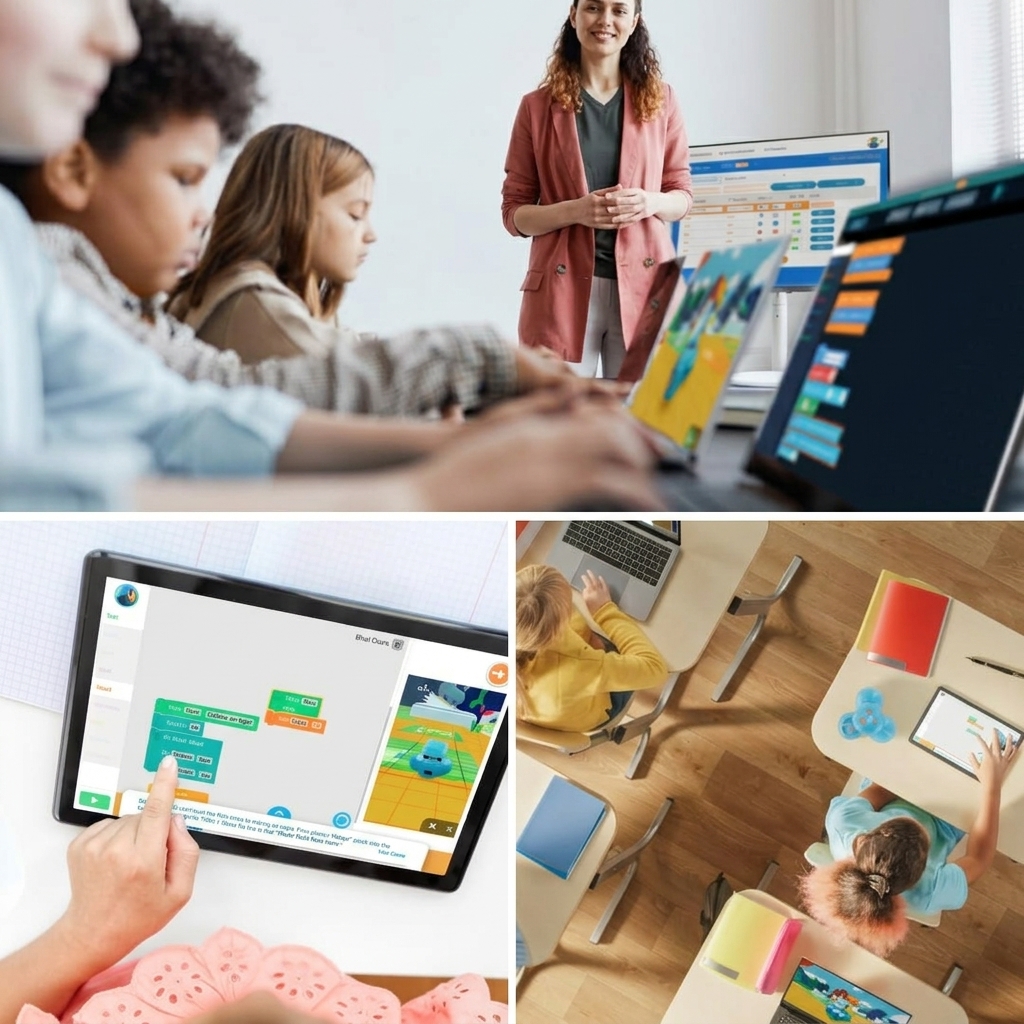
Technology is an important part of everyday life, and children are growing up in a world filled with computers, smartphones, robots, and smart devices. While many children enjoy using technology to play games or watch videos, they can also learn how technology works by exploring the exciting world of programming. Programming, also known as coding, teaches children how to create instructions that computers can understand and follow. More importantly, it helps them develop valuable life skills such as logical thinking, creativity, problem-solving, communication, and perseverance.
Programming activities do not have to be difficult or limited to advanced computers. Children can begin learning coding concepts through games, puzzles, storytelling, robots, building challenges, and simple visual programming tools. These activities make learning enjoyable while introducing children to important ideas such as sequencing, patterns, algorithms, loops, and debugging.
This article explores the benefits of programming for children, different coding activities suitable for various age groups, and practical ideas that parents and teachers can use to make coding fun, engaging, and educational.
What Is Programming?
Programming is the process of writing instructions that tell a computer, robot, or electronic device what to do. These instructions are called code.
Just as people follow recipes when cooking or directions when traveling, computers follow programming instructions step by step. If the instructions are clear and correct, the computer completes the task successfully.
For children, programming begins with simple ideas rather than complex computer languages. They first learn how to organize actions, recognize patterns, solve problems, and think logically before writing traditional computer code.
Why Should Children Learn Programming?
Learning programming offers many educational benefits that extend far beyond technology.
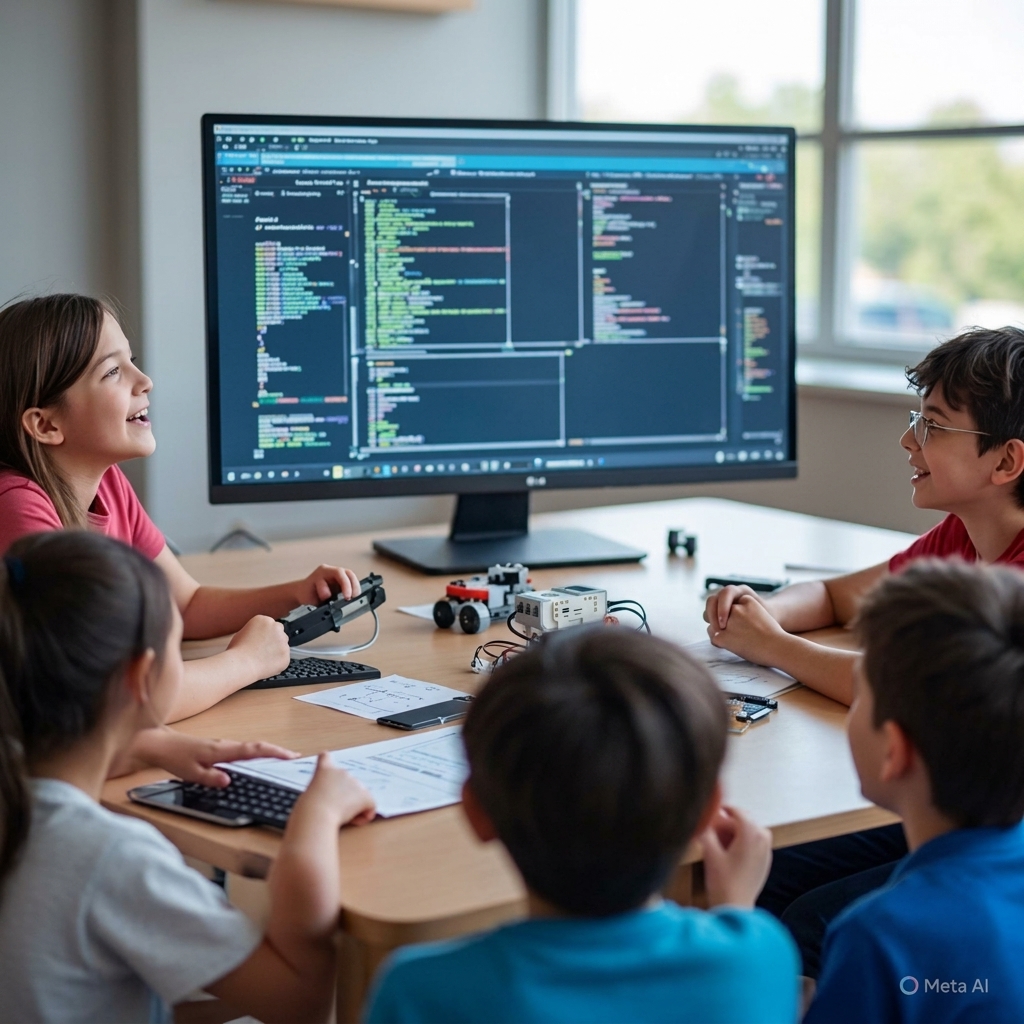
Programming helps children:
- Develop logical thinking.
- Improve problem-solving abilities.
- Strengthen creativity.
- Build confidence.
- Practice patience.
- Improve concentration.
- Learn teamwork.
- Develop mathematical thinking.
- Increase digital literacy.
- Prepare for future careers.
Coding teaches children that mistakes are opportunities to learn rather than reasons to give up.
Programming Without Computers
Young children can begin learning programming concepts even before using computers.
These activities are known as “unplugged coding.”
Examples include:
- Giving step-by-step directions to a friend.
- Creating paper algorithms.
- Solving sequencing puzzles.
- Following movement instructions.
- Organizing picture cards into the correct order.
These simple activities introduce computational thinking in an enjoyable way.
Direction-Following Games
One child becomes the “robot.”
Another child gives instructions such as:
- Take three steps forward.
- Turn left.
- Pick up the block.
- Turn right.
- Sit down.
If the instructions are unclear, the robot follows them exactly, showing children the importance of precise programming.
This activity teaches sequencing, communication, and logical thinking.
Story Sequencing Activities
Children arrange picture cards to tell a story in the correct order.
For example:
- Plant the seed.
- Water the soil.
- The plant grows.
- Flowers bloom.
This introduces the programming concept of sequencing, where actions happen in a specific order.
Building Algorithms
An algorithm is a set of instructions used to complete a task.
Children can write algorithms for everyday activities such as:
- Brushing teeth.
- Washing hands.
- Making a sandwich.
- Packing a school bag.
- Planting a flower.
These exercises help children understand that computers work by following organized instructions.
Pattern Recognition Games
Programming often involves recognizing and creating patterns.
Children can practice by:
- Completing color patterns.
- Arranging number sequences.
- Matching shapes.
- Creating repeating designs with blocks.
- Sorting objects into categories.
Pattern recognition strengthens logical thinking and prepares children for coding.
Visual Programming
Many beginner coding programs use colorful blocks instead of typed code.
Children drag and connect blocks representing actions such as:
- Move forward.
- Turn.
- Jump.
- Play a sound.
- Repeat an action.
- Make a character speak.
Visual programming allows children to focus on solving problems rather than memorizing programming syntax.
Animation Projects
Children enjoy creating animated stories.
Simple projects may include:
- Making characters walk.
- Creating talking animals.
- Designing interactive stories.
- Building animated greetings.
- Creating simple cartoons.
Animation combines programming with creativity and storytelling.
Game Design Activities
Designing games is one of the most motivating programming experiences.
Children can create games where players:
- Catch falling objects.
- Avoid obstacles.
- Collect points.
- Solve puzzles.
- Complete adventures.
While building games, children learn about planning, testing, and improving their ideas.
Robot Programming
Educational robots make programming more exciting.
Children can program robots to:
- Move forward.
- Turn around.
- Follow lines.
- Dance.
- Play sounds.
- Complete obstacle courses.
Robot activities connect coding with engineering and teamwork.
Coding Through Art
Programming can be combined with artistic expression.
Children can create:
- Digital paintings.
- Interactive drawings.
- Animated shapes.
- Musical artwork.
- Color-changing designs.
This helps children see that coding is creative as well as logical.
Coding with Music
Music introduces programming concepts through rhythm and repetition.
Activities include:
- Creating repeating beats.
- Programming musical patterns.
- Designing simple digital instruments.
- Controlling sound with code.
Children enjoy experimenting while learning about sequences and loops.
Building Interactive Stories
Interactive stories allow readers to make choices.
Children create stories where readers decide:
- Which path to follow.
- Which character to help.
- Which ending to explore.
These projects combine writing, creativity, and programming logic.
Problem-Solving Challenges
Programming naturally develops problem-solving skills.
Children may be asked to:
- Fix a broken program.
- Improve an animation.
- Help a robot reach its goal.
- Find mistakes in instructions.
- Complete coding puzzles.
These challenges encourage careful thinking and persistence.
Debugging Activities
Every programmer makes mistakes.
Finding and correcting errors is called debugging.
Teachers can provide simple programs with intentional mistakes and ask children to identify and fix them.
Debugging teaches patience, careful observation, and resilience.
Coding Through Building Games
Construction toys can introduce programming ideas.
Children build:
- Roads.
- Cities.
- Mazes.
- Bridges.
- Obstacle courses.
They then create instructions that guide toy cars or robots through their designs.
Team Programming Activities
Many coding activities encourage cooperation.
Children work together to:
- Solve programming puzzles.
- Build games.
- Design animations.
- Test projects.
- Share ideas.
Teamwork develops communication and leadership skills.
Outdoor Coding Games
Programming concepts can also be taught outside.
Activities include:
- Giant floor grids.
- Treasure hunts using coded instructions.
- Nature obstacle courses.
- Human robots following commands.
- Playground direction games.
Movement makes coding exciting for active learners.
Coding and Mathematics
Programming strengthens many mathematical skills.
Children practice:
- Counting.
- Measuring.
- Patterns.
- Coordinates.
- Logical reasoning.
- Problem-solving.
Math becomes more meaningful when applied through creative projects.
Coding and Science
Programming also supports science learning.
Children can create programs that demonstrate:
- Plant growth.
- Weather changes.
- Animal habitats.
- Space exploration.
- Water cycles.
Coding helps children visualize scientific ideas in interactive ways.
Family Coding Activities
Parents can support coding at home through enjoyable projects.
Ideas include:
- Building simple games together.
- Solving coding puzzles.
- Programming robots.
- Creating digital greeting cards.
- Designing family quizzes.
- Inventing interactive stories.
Family participation encourages curiosity and confidence.
Tips for Parents and Teachers
Adults can support children’s programming journey by:
- Starting with simple activities.
- Encouraging creativity.
- Celebrating effort rather than perfection.
- Allowing mistakes as learning opportunities.
- Asking children to explain their thinking.
- Providing age-appropriate challenges.
- Combining coding with art, music, and storytelling.
- Keeping sessions fun and interactive.
Positive encouragement helps children remain motivated.
Common Challenges
Some children may initially find programming difficult.
Common challenges include:
- Frustration when projects do not work.
- Losing focus during longer activities.
- Fear of making mistakes.
- Difficulty understanding sequences.
Adults can help by breaking tasks into smaller steps and celebrating small successes.
Long-Term Benefits
Children who regularly participate in programming activities often develop valuable lifelong skills.
These include:
- Critical thinking.
- Creativity.
- Confidence.
- Persistence.
- Logical reasoning.
- Communication.
- Collaboration.
- Digital literacy.
- Innovation.
- Independent learning.
These skills are useful in many careers, not only in computer science.
Preparing for the Future
As technology continues to evolve, programming knowledge becomes increasingly valuable. However, the greatest benefit of coding is not simply learning to use computers—it is learning how to think.
Programming encourages children to ask questions, test ideas, solve problems, and improve their work through experimentation. These habits prepare them for future education and a rapidly changing world.
Conclusion
Programming activities provide children with an exciting opportunity to learn while creating, exploring, and solving problems. Whether they are arranging picture cards, directing a human robot, designing animations, building games, programming educational robots, or creating interactive stories, children develop important skills that support both academic success and everyday life.
Parents and teachers can make programming enjoyable by introducing age-appropriate activities, encouraging curiosity, and celebrating effort instead of perfection. Coding is not only about computers—it is about creativity, logical thinking, communication, and perseverance. Through playful programming experiences, children become confident learners who are prepared to meet the challenges of the digital age with imagination, resilience, and curiosity.
By making programming a regular part of education, we empower children to move beyond simply using technology. They become creators, innovators, and problem-solvers who are ready to shape the future with knowledge, creativity, and confidence.
