
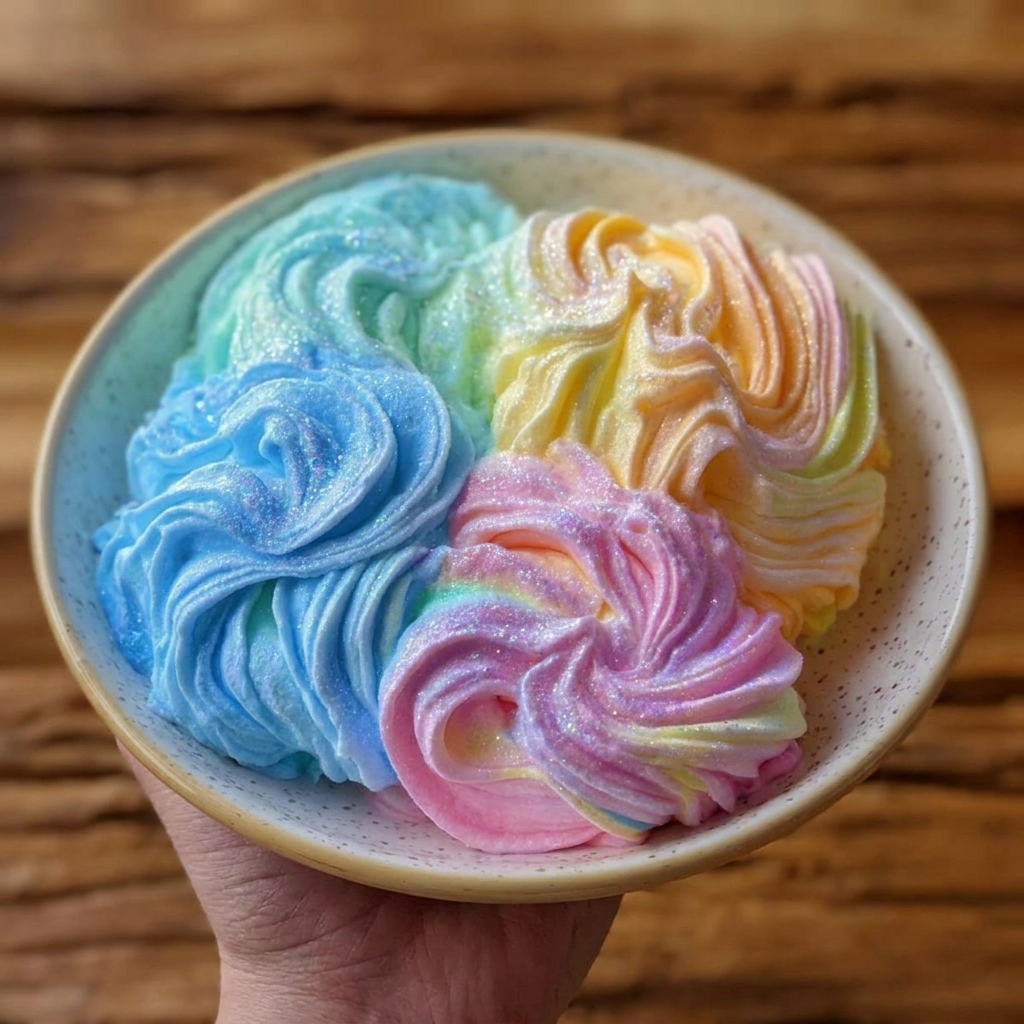
Quick Overview Table
| Feature | Details |
| Main Ingredients | Shaving foam + cornstarch |
| Texture | Soft, fluffy, stretchy, silky |
| Best Age Group | Preschoolers, kids, supervised toddlers |
| Educational Benefits | Fine motor skills, creativity, sensory learning |
| Easy Cleanup | Yes, dries into powder for simple vacuuming |
| Storage | Airtight container for up to a few weeks |
| Best Use | Sensory play, homeschool, classroom activities |
1. Introduction: Why Foam Dough is a Sensory Game-Changer
Imagine touching a marshmallow cloud that stretches like silk and squishes softly between your fingers. That magical feeling is exactly why Super soft and flexible rainbow foam dough has become one of the most exciting sensory activities for children and adults alike.
Unlike traditional playdough, foam dough feels airy, silky, and incredibly smooth. It combines a creamy ingredient with a powdery base to create a moldable sensory material that encourages hands-on learning and creative exploration.
Foam dough, also known as Shaving Cream Playdough or Soap Foam Dough, is a versatile sensory material used for fine motor development and creative play. Parents, teachers, and therapists often use it for sensory bins, calm-down activities, preschool learning centers, and imaginative play stations.
One reason people love Super soft and flexible rainbow foam dough is the colorful rainbow effect. Bright colors instantly make sensory play more exciting while helping children develop creativity, focus, and emotional regulation skills.
These rainbow foam dough ideas are perfect for:
- Rainy day activities
- Homeschool learning
- Preschool sensory tables
- Travel entertainment
- Stress-relief sensory play
If you enjoy soft and squishy dough ideas that are easy to make and fun to customize, this guide will show you everything you need to know.
2. The Master Recipe: 2 Ingredients, Infinite Fun
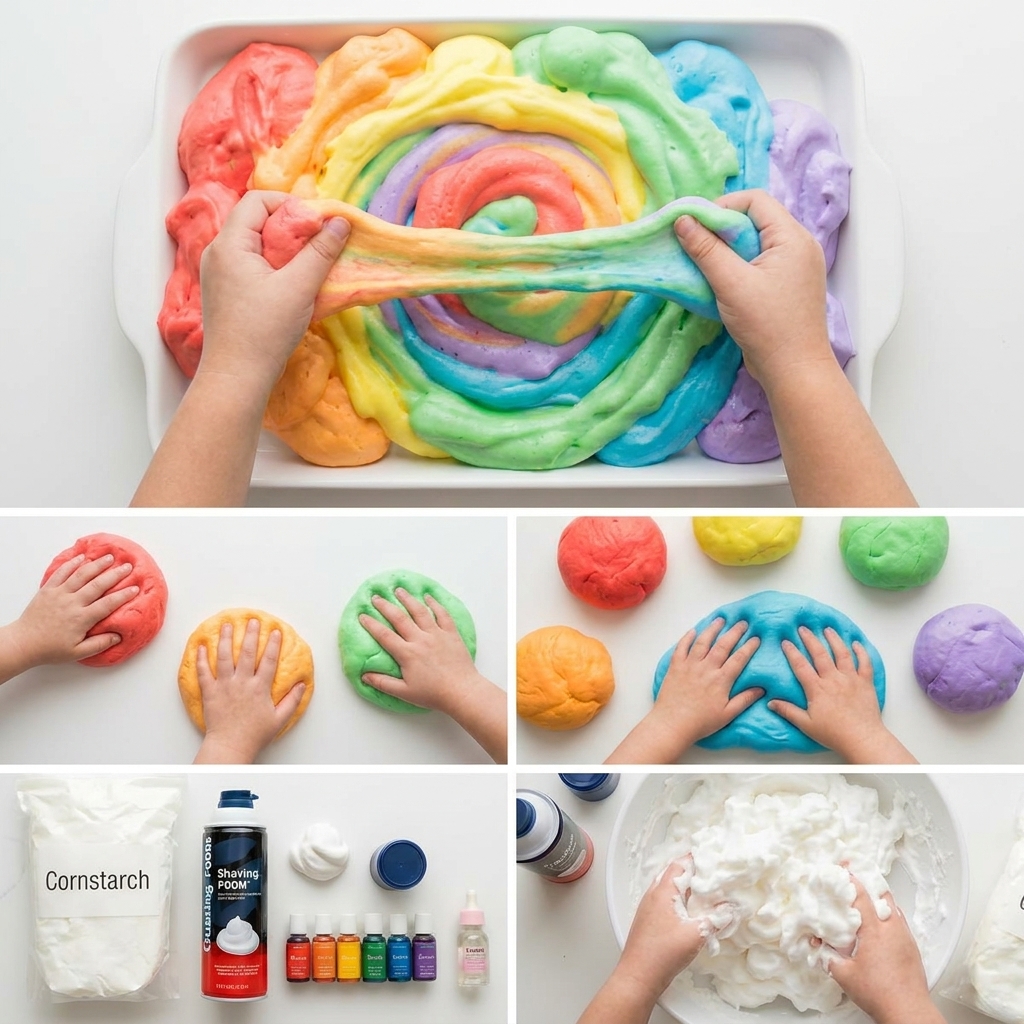
The beauty of Super soft and flexible rainbow foam dough is how simple it is to make. You only need two basic ingredients to create fluffy sensory magic at home.
The Golden Ratios
There are two popular recipes depending on the texture you want.
The Fluffy Ratio
- 2 parts shaving foam
- 1 part cornstarch
This recipe creates an ultra-light, airy dough that feels like whipped marshmallow fluff.
The Dense Ratio
- 1 part shaving foam
- 1 part cornstarch
This version creates a thicker sensory dough that is easier for shaping and building.
Both options work beautifully for rainbow foam dough ideas and sensory learning activities.
Ingredients You Need
Base Ingredient
- Shaving foam or shaving cream
- Thick brands like Barbasol work especially well
Thickener
- Cornstarch (US)
- Cornflour (UK)
Coloring Options
- Liquid watercolors
- Food coloring
- Washable paint
Optional sensory add-ins:
- Glitter
- Sequins
- Mini foam beads
- Essential oils
- Confetti
These additions make Super soft and flexible rainbow foam dough even more exciting for children.
The Secret Mixing Method
The key to achieving soft, stretchy dough is mixing correctly.
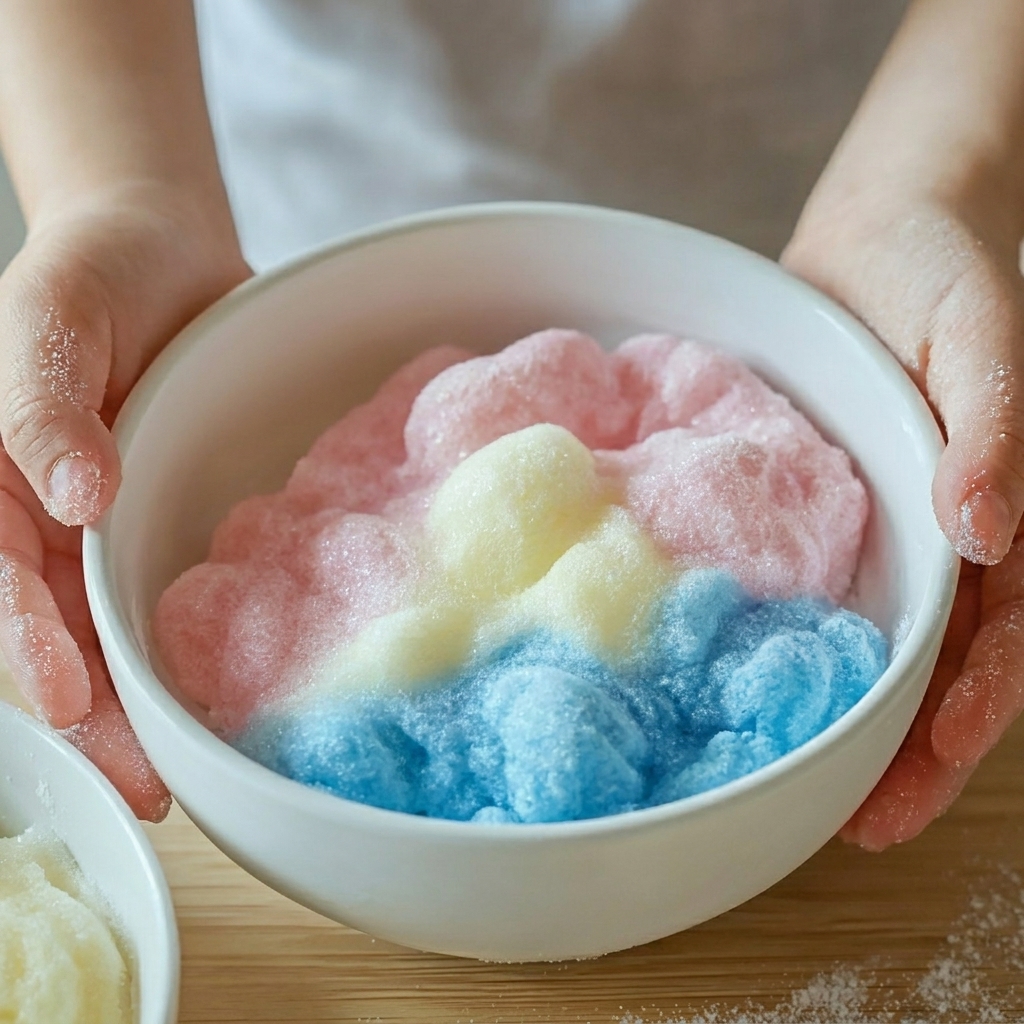
Step-by-Step Instructions
- Add shaving foam into a large bowl
- Mix in food coloring or liquid watercolors
- Slowly sprinkle cornstarch while stirring
- Knead the mixture gently
- Continue adding cornstarch until the texture becomes smooth and fluffy
Always begin with the creamy ingredient first, then gradually add the powdery ingredient. This prevents clumps and helps create the perfect sensory texture.
To create rainbow colors:
- Divide the mixture into smaller bowls
- Add different colors to each bowl
- Combine gently for a marble rainbow effect
These soft and squishy dough ideas are simple enough for beginners but entertaining enough for hours of sensory fun.
3. Safety First: Choosing the Right Base for Your Child
Not every sensory dough recipe works for every age group. Safety should always come first during sensory play.
The Classic Version
Traditional Super soft and flexible rainbow foam dough uses shaving foam and cornstarch.
This version is:
- Fluffy
- Stretchy
- Moldable
- Ideal for preschool sensory play
However, it is not edible, so adult supervision is important.
The Edible Toddler-Safe Version
For toddlers who explore with their mouths, replace shaving foam with:
- Whipped cream
- Cool Whip
Replace cornstarch with regular flour for a safer edible version.
This toddler-friendly recipe creates a creamy sensory dough that still delivers the same fluffy experience.
Parents love this option because it reduces stress while allowing little ones to safely explore textures.
The Soap Foam Alternative
Another popular option uses:
- Foaming hand soap
- Cornstarch
This version creates a stretchy dough that snaps similarly to silly putty while also cleaning up quickly with water.
It is one of the best rainbow foam dough ideas for classrooms because cleanup is fast and simple.
4. 7 Science-Backed Benefits of Foam Dough Play
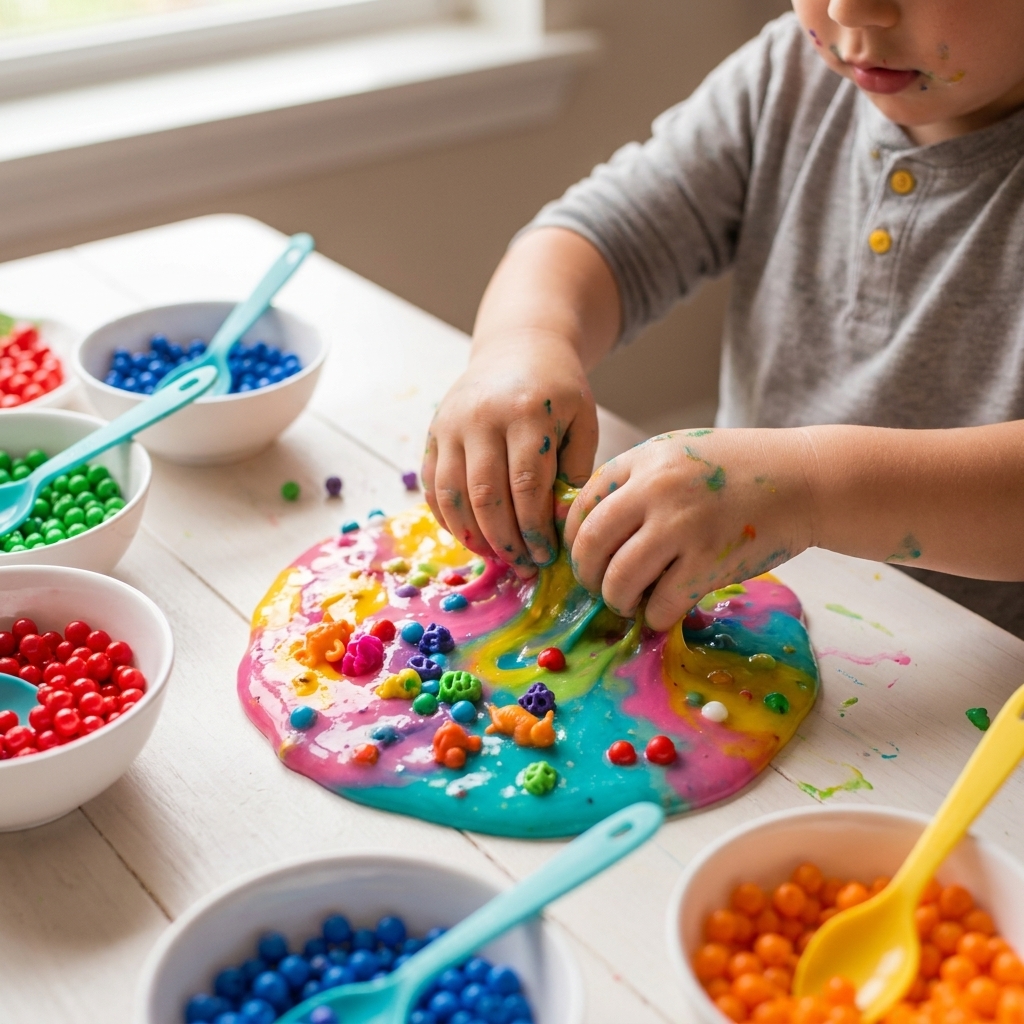
Super soft and flexible rainbow foam dough is more than just entertainment. Sensory play supports important developmental skills in children.
1. Improves Fine Motor Skills
Squishing, rolling, pinching, and squeezing strengthen small hand muscles used for:
- Writing
- Cutting
- Buttoning clothes
- Pencil grip
These soft and squishy dough ideas naturally build hand coordination.
2. Supports Brain Development
Sensory play creates neural pathways that help children process information and solve problems more effectively.
Hands-on activities improve:
- Memory
- Attention
- Problem-solving
- Language development
3. Helps Texture Desensitization
Some children struggle with certain textures or sensory sensitivities.
Foam dough introduces new tactile experiences in a safe and playful way, helping children become more comfortable with sensory input.
4. Encourages Creativity
Children can transform Super soft and flexible rainbow foam dough into:
- Pretend cupcakes
- Animals
- Flowers
- Rainbow sculptures
- Fantasy worlds
Open-ended sensory play boosts imagination and independent thinking.
5. Builds Early Math Skills
Sensory dough activities naturally teach:
- Measuring
- Counting
- Fractions
- Shapes
- Patterns
Children learn while having fun.
6. Promotes Emotional Regulation
The soothing texture acts as a natural stress reliever.
Stretching and squeezing sensory dough can help children:
- Relax
- Focus
- Calm anxiety
- Self-regulate emotions
Many teachers use sensory dough during quiet time or calming breaks.
7. Improves Social Skills
Group sensory play encourages:
- Sharing
- Teamwork
- Communication
- Cooperative learning
Kids often work together to create sensory projects and imaginative scenes.
5. 5 Creative Ways to Play Beyond the Bin
There are endless rainbow foam dough ideas that go beyond simple sensory bins.
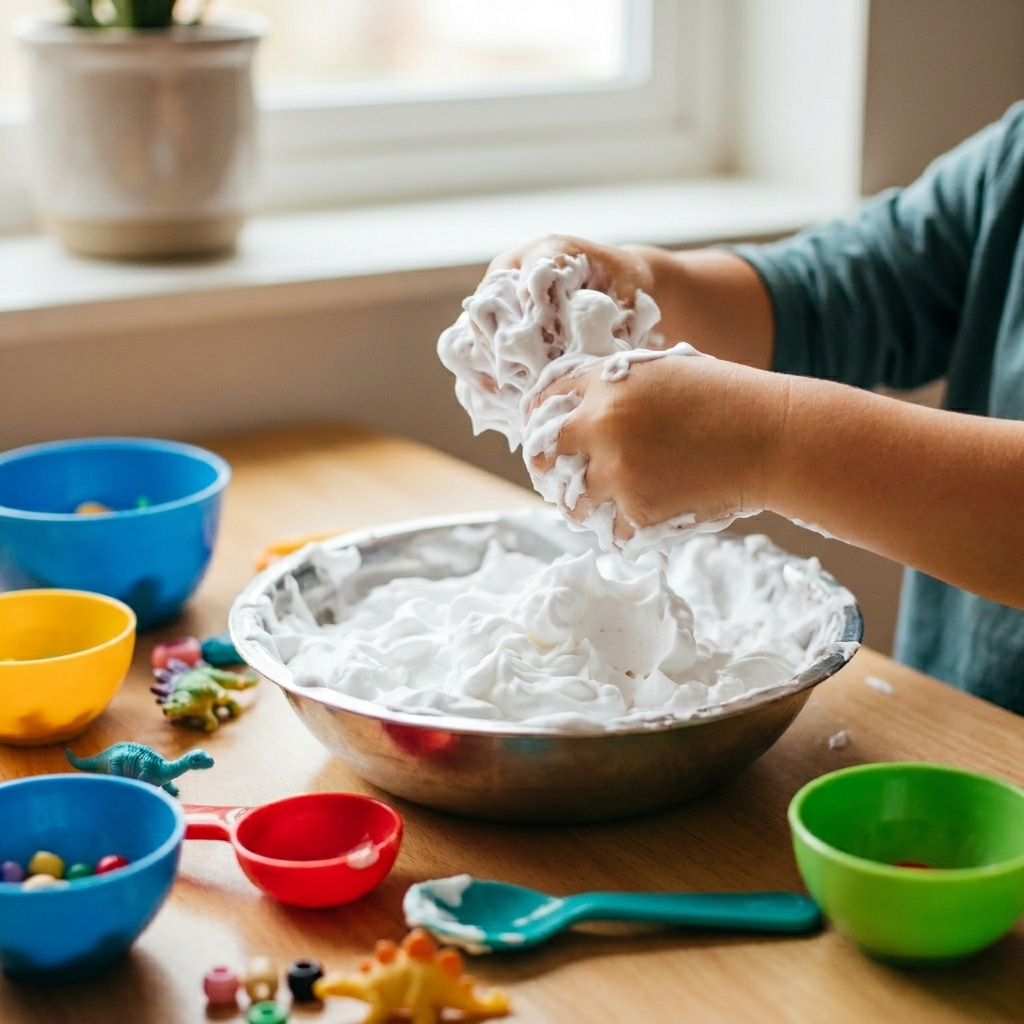
1. The Shaving Foam Bakery
Set up a pretend bakery using:
- Cupcake liners
- Beads
- Buttons
- Plastic spoons
- Play trays
Children can “bake” colorful foam cupcakes and sensory pies.
2. Window Mosaic Art
Use foam dough as temporary glue on windows or trays.
Kids can stick:
- Tissue paper
- Yarn
- Pom-poms
- Sequins
The colorful sensory artwork looks beautiful in sunlight.
3. Build-A-Snowman Activity
White foam dough works perfectly for winter sensory play.
Add:
- Button eyes
- Pipe cleaner scarves
- Tiny hats
- Stick arms
Children love designing silly snowmen.
4. The Sensory I Spy Bag
For mess-free sensory fun:
- Add foam dough into a resealable bag
- Hide tiny toys inside
- Seal tightly
Children can search for hidden objects by squeezing and stretching the bag.
This is one of the best travel-friendly soft and squishy dough ideas.
5. The Oobleck Transformation
When playtime ends, add water to leftover foam dough.
The dough transforms into colorful oobleck slime that behaves like both a liquid and a solid.
Kids love this science-inspired sensory experiment.
6. Troubleshooting & Expert Tips
Even the best Super soft and flexible rainbow foam dough recipes sometimes need adjustments.
Dough Too Sticky?
Add small amounts of cornstarch gradually until the texture becomes smooth.
Dough Too Dry or Crumbly?
Add extra shaving foam slowly while kneading.
Storage Tips
Foam dough dries out faster than traditional playdough.
For best results:
- Store in an airtight container
- Keep away from sunlight
- Use within a few weeks
The fluffiest texture is always best on the first day.
Easy Cleanup Hacks
One reason parents love rainbow foam dough ideas is the easy cleanup.
Helpful tricks:
- Use a squeegee for window play
- Allow spills to dry completely
- Vacuum dried powder easily
Unlike slime, foam dough usually does not leave sticky residue behind.
7. Conclusion: Start Your Rainbow Sensory Adventure Today
Super soft and flexible rainbow foam dough transforms ordinary playtime into a colorful sensory adventure full of creativity, learning, and relaxation.
With only two ingredients, you can create a fluffy sensory material that supports fine motor development, emotional regulation, imaginative play, and hands-on learning. Whether you choose the classic shaving foam recipe, the edible toddler-safe version, or the soap foam alternative, there are endless ways to customize the experience.
These rainbow foam dough ideas make sensory learning exciting, affordable, and simple for families, teachers, and caregivers. From bakery play to sensory I Spy bags, children can enjoy hours of imaginative exploration while developing important life skills.
If you love soft and squishy dough ideas that combine creativity with educational benefits, Super soft and flexible rainbow foam dough is the perfect sensory activity to try today.
Grab your ingredients, mix your colors, and start creating your own fluffy rainbow sensory masterpiece.
