
Quick Overview Table
| Feature | Details |
| Main Materials | Flour, water, oil, salt |
| Best Age Group | Toddlers, preschoolers, young kids |
| Main Benefits | Sensory learning, creativity, motor skills |
| Popular Activities | Cloud dough, flour paint, sensory bins |
| Cleanup Difficulty | Easy with proper setup |
| Storage Time | Weeks to months in airtight containers |
| Taste-Safe Option | Yes, with heat-treated flour and vegetable oil |
I. Introduction: Why Flour is the Gold Standard of Sensory Play
For creative crafts and sensory play: dough, flour, and water. are some of the simplest yet most powerful materials you can offer a child. You do not need expensive toys, flashy electronics, or complicated learning kits to spark curiosity and imagination. Sometimes, the best learning experiences come from basic kitchen ingredients already sitting in your pantry.
Children naturally love messy play because it activates their senses. The soft texture of flour, the stickiness of dough, and the smooth feeling of water create exciting sensory experiences that support healthy brain development. Researchers and early childhood educators agree that sensory activities help build nerve connections in a child’s developing brain, improving problem-solving, creativity, and emotional regulation.
For creative crafts and sensory play: dough, flour, and water. provide a budget-friendly, versatile, and tactile learning experience for toddlers and preschoolers. These hands-on activities encourage exploration while strengthening fine motor skills, language development, and independent play.
From cloud dough and moon sand to DIY play dough without cream of tartar, flour-based sensory activities are fun, affordable, and incredibly easy to customize. Whether you are homeschooling, teaching preschool, or simply looking for creative indoor entertainment, flour sensory play offers endless possibilities.
II. The Science of Play: Developmental Benefits
Sensory play may look simple, but important learning happens during every scoop, squeeze, and sprinkle.
Fine Motor Skill Development
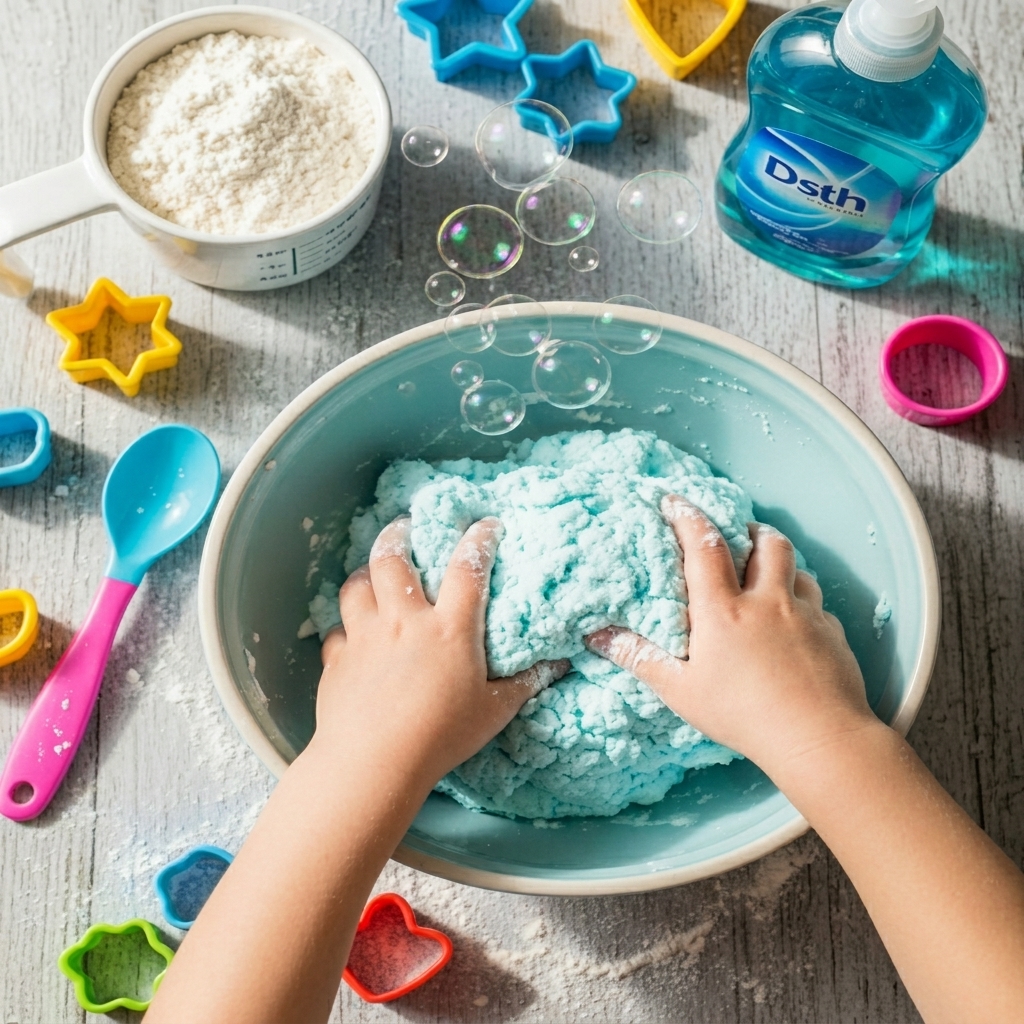
When children engage in dough flour and water activities, they strengthen the small muscles in their hands and fingers. Actions like:
- Scooping
- Pouring
- Rolling
- Pinching
- Stirring
all help prepare children for writing, drawing, and buttoning clothes later in life.
Cloud dough and homemade sensory bins are especially useful because children naturally repeat these motions during play.
Language and Math Skills
Sensory play introduces descriptive vocabulary naturally. Children begin learning words like:
- Sticky
- Dry
- Smooth
- Crumbly
- Fluffy
- Wet
At the same time, they develop early math concepts through measuring cups, counting scoops, and comparing quantities.
For example:
- “Which container holds more?”
- “How many scoops fill the bucket?”
- “Is this dough heavier or lighter?”
These simple interactions create meaningful learning opportunities.
Emotional Regulation and Independence
Sensory bins are naturally calming for many children. The repetitive movements involved in squeezing dough or running flour through fingers can reduce stress and anxiety.
For creative crafts and sensory play: dough, flour, and water. help children:
- Relax emotionally
- Improve focus
- Practice patience
- Gain confidence through independent exploration
Many teachers use sensory activities during calm-down time because they help children self-regulate in a healthy way.
III. Safety First: Is it Taste-Safe?
Safety matters whenever children explore sensory materials.
Taste-Safe vs. Edible
There is an important difference between “taste-safe” and “edible.”
Taste-safe means the ingredients are non-toxic if accidentally tasted in small amounts. However, it does not mean children should eat the sensory material as food.
Most DIY play dough without cream of tartar recipes are considered taste-safe when made with simple kitchen ingredients.
The Raw Flour Rule
One important safety tip many parents overlook is that raw flour can contain bacteria.
Before using flour for sensory activities:
- Spread flour on a baking tray
- Heat at 350°F for 5–10 minutes
- Allow it to cool completely
This process heat-treats the flour and makes sensory play safer for toddlers and preschoolers.
Choosing the Right Oil
Different oils create different sensory experiences.
Vegetable Oil
- Best for taste-safe play
- Smooth texture
- Affordable option
Baby Oil
- Adds scent
- Creates silky cloud dough
- Not intended for tasting
Always supervise young children during sensory activities.
IV. Three Essential Flour Recipes
These simple recipes are perfect for dough flour and water activities at home or in the classroom.
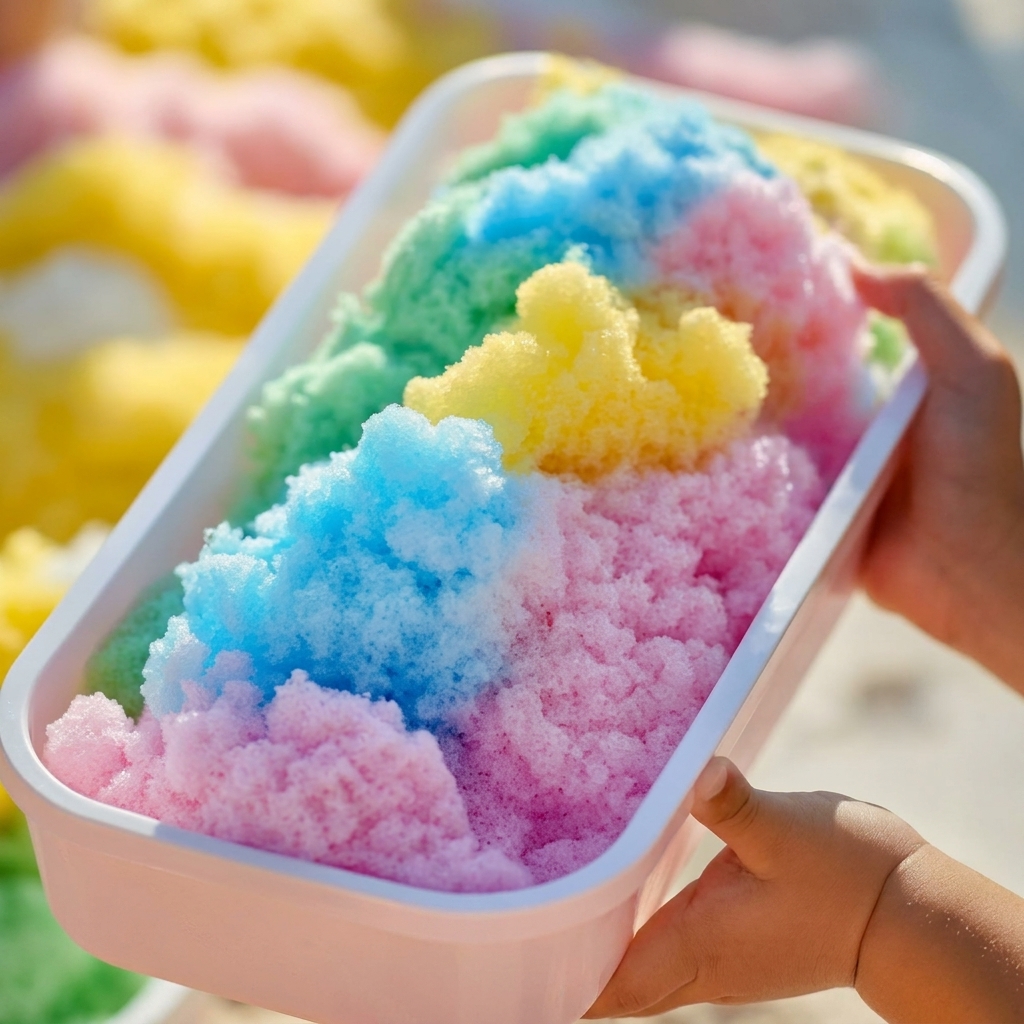
1. The 2-Ingredient Cloud Dough (Moon Sand)
Ingredients
| Ingredient | Amount |
| Flour | 8 cups |
| Oil | 1 cup |
Instructions
- Pour flour into a large container
- Slowly add oil
- Mix with hands until crumbly and moldable
Texture
- Silky
- Soft
- Crumbly
- Moldable
This is one of the easiest DIY play dough without cream of tartar recipes and works perfectly for sensory bins.
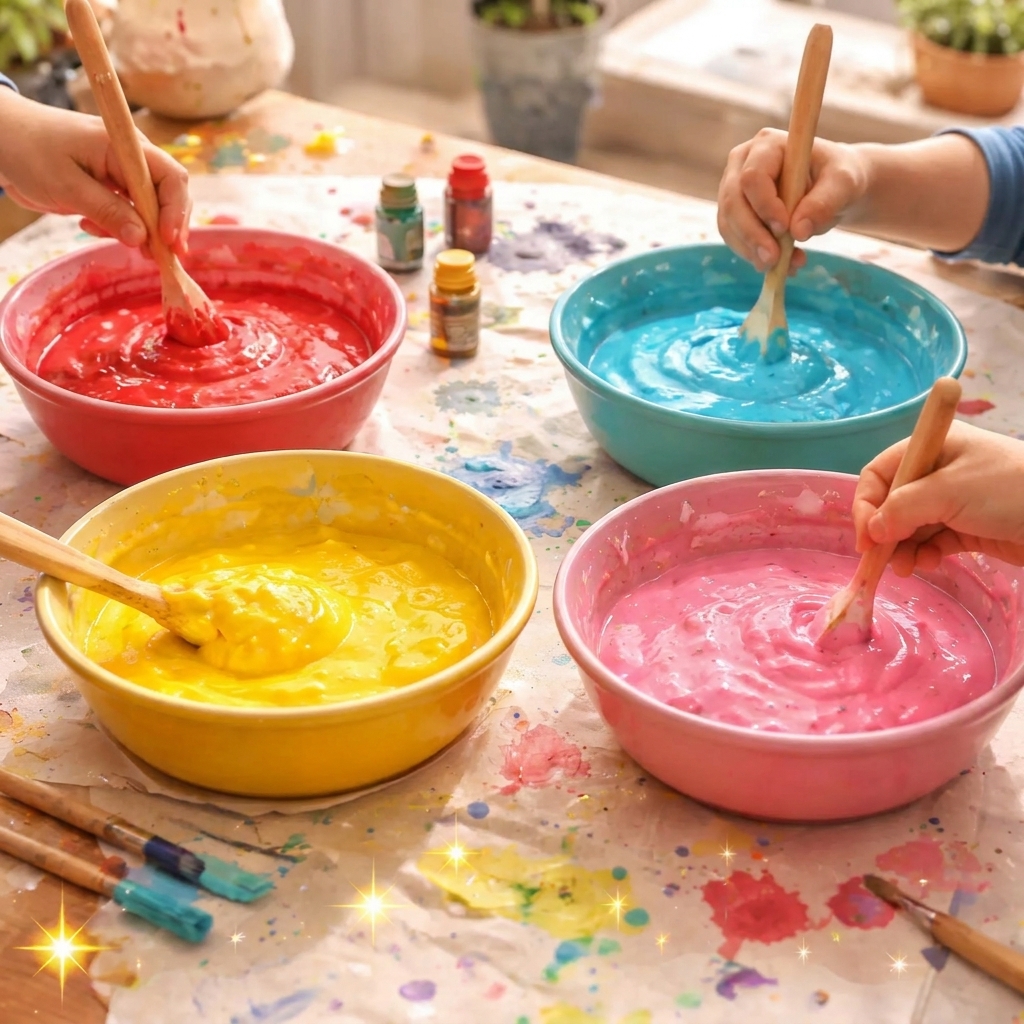
2. Gooey Flour Paint
Ingredients
| Ingredient | Amount |
| Flour | 1 cup |
| Boiling Water | 1 cup |
| Salt (optional) | 1 tablespoon |
Instructions
- Mix flour and salt
- Slowly add boiling water
- Stir until smooth
- Add food coloring if desired
Best Uses
- Finger painting
- Ziplock piping bags
- Sensory art trays
Children love the gooey texture and colorful creativity.
3. Flour & Water Bread Dough
Ingredients
| Ingredient | Amount |
| Flour | Flexible |
| Water | Flexible |
Instructions
- Allow children to add water gradually
- Mix freely without strict measurements
- Explore texture changes naturally
This activity focuses on process-based exploration rather than perfection.
For creative crafts and sensory play: dough, flour, and water. work beautifully because children enjoy experimenting independently.
V. 10 Creative Themes to Extend Playtime
Sensory play becomes even more exciting when paired with imaginative themes.
1. Cloud Dough Snowman
Use white cloud dough with:
- Buttons
- Sticks
- Mini scarves
2. Apple Pie Bakery
Add cinnamon and pretend apples for a fall-themed sensory bakery.
3. Birthday Cake Station
Decorate plain dough with:
- Sprinkles
- Candles
- Beads
4. Ice Cream Shop
Use scoops and toy cones to practice counting and pretend play.
5. Construction Site
Toy trucks can plow through cloud dough “snow.”
6. Dinosaur Dig
Hide toy dinosaurs inside flour bins for excavation fun.
7. Alphabet Hunt
Hide alphabet cards in flour and let children search for letters.
8. Number Tracing
Children can practice writing numbers and shapes directly in flour trays.
9. Rainbow Dough Creations
Add food coloring for vibrant rainbow sensory fun.
10. Ocean Sensory Bin
Use blue-colored dough with seashells and toy fish.
These dough flour and water activities encourage creativity while supporting early learning skills.
VI. The No-Stress Cleanup Strategy
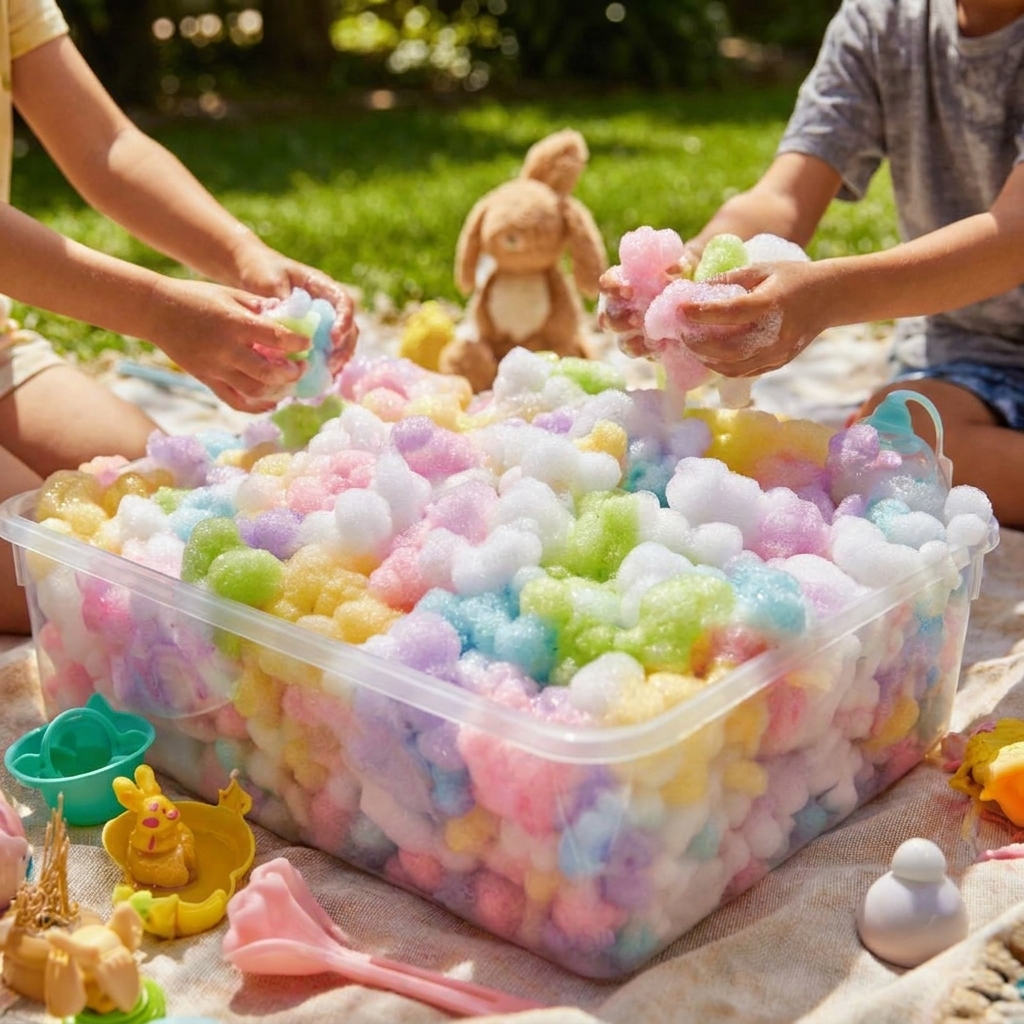
Many parents avoid sensory play because of the mess. Thankfully, cleanup can be simple with the right setup.
Create a “Yes Zone”
Choose a specific play area where mess is allowed.
Helpful options:
- Plastic tubs
- Sensory tables
- Outdoor patios
- Bathtubs
This creates clear boundaries for children.
Protect Your Floors
Before starting:
- Lay down old shower curtains
- Use washable tablecloths
- Place bins on easy-clean surfaces
Using “mats you don’t love” makes cleanup much less stressful.
Important Vacuum Warning
Dry flour can usually be vacuumed safely.
However, oily cloud dough should NOT be vacuumed because it may damage filters and clog the machine.
Instead:
- Sweep oily dough with a dustpan
- Wipe remaining residue with paper towels
Bath-Time Sensory Play
One genius cleanup hack is setting up sensory play directly inside the bathtub.
When playtime ends:
- Rinse toys immediately
- Wash children quickly
- Clean the tub with warm water
This method works especially well for toddlers.
VII. FAQ Section
How long does cloud dough last?
Cloud dough can last for several months if stored in an airtight container. Check periodically for moisture or mold.
What if my toddler throws the flour?
Try:
- Using deeper bins
- Offering smaller amounts
- Moving playtime outdoors or into the shower
Toddlers often need time to learn sensory boundaries.
Can I color cloud dough?
Yes. Mix food coloring into the oil BEFORE adding flour for even color distribution.
Is DIY play dough without cream of tartar safe?
Most recipes are safe when made with simple kitchen ingredients and supervised properly. Heat-treat flour for extra safety.
VIII. Conclusion
For creative crafts and sensory play: dough, flour, and water. provide some of the most affordable, educational, and engaging activities for young children. From cloud dough and flour paint to imaginative sensory bins, these simple ingredients unlock endless opportunities for learning through play.
These dough flour and water activities help children strengthen motor skills, improve language development, practice creativity, and regulate emotions naturally. Best of all, you do not need fancy supplies to create meaningful sensory experiences.
Whether you are making DIY play dough without cream of tartar, building a sensory bakery, or setting up a construction-themed cloud dough station, flour-based sensory play encourages curiosity and hands-on exploration in ways children truly love.
Grab a bag of flour, a bowl of water, and a little imagination. Your next sensory adventure is ready to begin.
