

The Magnet and Metal Objects Experiment
The Magnet and Metal Objects Experiment is one of the most fascinating and beginner-friendly ways to explore science through hands-on learning. In fact, The Magnet and Metal Objects Experiment often feels like a real-life magic trick where objects move without being touched, revealing the hidden power of magnetic force.
At its core, the magnet and metal experiment is based on magnetism, a fundamental force of nature similar to gravity. It is created by magnetic fields that push and pull objects without physical contact. Every magnet has two poles—North and South—and this invisible force controls attraction and repulsion between materials.
This makes The Magnet and Metal Objects Experiment an ideal STEM activity for children, students, and travel learning kits because it is simple, portable, and highly engaging. Whether at home, in school, or on a trip, it turns everyday moments into scientific discovery.
Safety First: The Magnetic Explorer’s Code
Before starting The Magnet and Metal Objects Experiment, safety must always come first, especially when working with strong magnets and ferromagnetic materials.
⚠️ Important Safety Guidelines:
- Never swallow magnets. Small or strong neodymium magnets can be extremely dangerous if ingested.
- Keep magnets away from electronic devices such as phones, computers, and credit cards.
- Avoid placing magnets near medical devices like pacemakers.
- Always supervise children during any magnet experiment.
Understanding safety helps ensure that the magnet and metal experiment remains fun and educational without risks.
Level 1: Magnetic Explorers (Ages 3–5)
At this stage, The Magnet and Metal Objects Experiment introduces young learners to basic magnetic attraction using simple activities.
🧲 Magnetic Scavenger Hunt
Children use a magnet wand to explore their surroundings and discover which objects are attracted to magnets. This introduces ferromagnetic materials like iron, nickel, and cobalt.
📦 Sorting Magnetic vs Non-Magnetic Items
Kids sort objects into two groups:
- Magnetic: paper clips, nails, pins
- Non-magnetic: plastic toys, wood, aluminum foil
This builds early classification skills and strengthens observation abilities.
🧪 Mystery Magnetic Bottles
A clear bottle filled with water, glitter, and paper clips becomes a “magic” science tool. Children move metal objects using a magnet outside the bottle.
🎨 Magnet Painting
By placing a magnet under a tray, kids can move metal objects dipped in paint, creating moving artwork while learning physics concepts.
Level 2: Magnet Detectives (Ages 6–8)
At this stage, The Magnet and Metal Objects Experiment becomes more interactive and investigative.
🧭 DIY Magnetic Compass
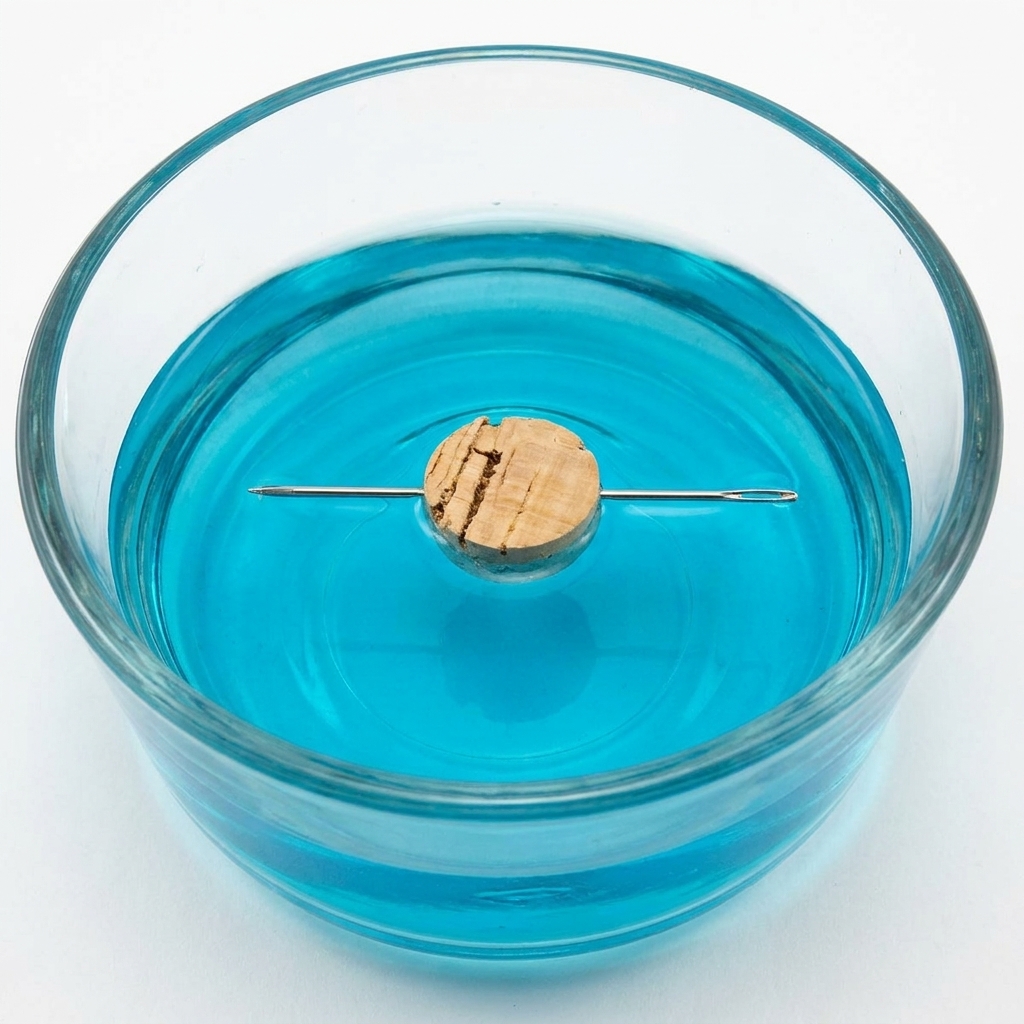
A needle is magnetized and floated on cork in water. It aligns with Earth’s magnetic field, teaching navigation and directional awareness.
🧪 Magnetic Slime
Mixing glue-based slime with iron filings creates a responsive material that reacts to magnets, demonstrating real-time magnetic fields.
🌉 Floating Paperclip Bridge
Magnets are used to suspend paperclips in mid-air, showing how magnetic force can act without contact.
🧩 Magnetic Marble Maze
A cardboard maze is controlled from below using a magnet, teaching spatial reasoning and problem-solving.
Level 3: Magnetic Engineers (Ages 9–12+)
At this advanced stage, The Magnet and Metal Objects Experiment introduces real-world physics and engineering concepts.
⚡ Building an Electromagnet
Wrapping copper wire around a nail and connecting it to a battery creates a controllable magnet.
🥣 Extracting Iron from Cereal
Iron-fortified cereal is crushed and mixed with water. A magnet pulls out ferromagnetic materials, showing hidden nutrients in food.
🔄 Homopolar Motor
A battery, magnet, and copper wire create a spinning motor, demonstrating electromagnetic force.
🌊 Eddy Currents Experiment
Dropping a magnet through a copper pipe shows resistance caused by induced magnetic fields.
Connecting Magnetism to the Real World
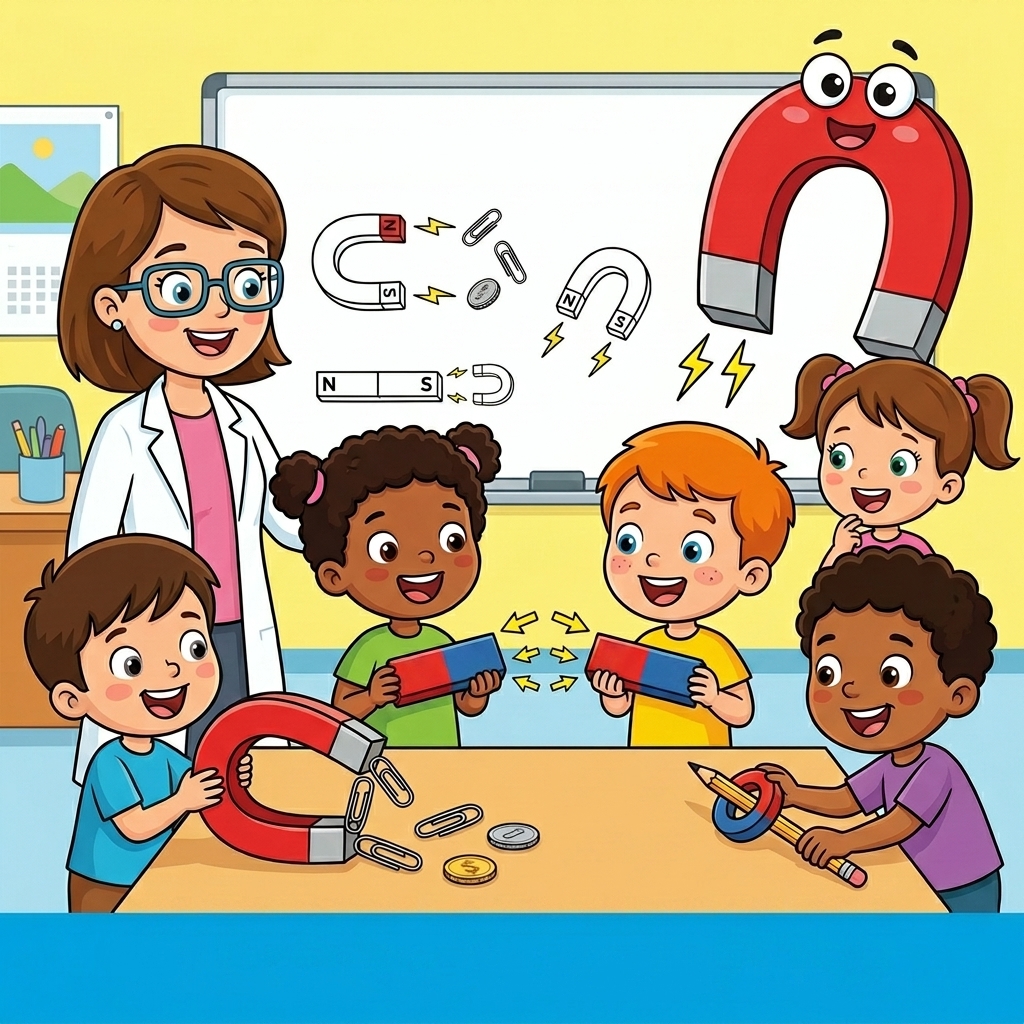
The magnet and metal experiment is not just a classroom activity—it connects directly to modern technology.
Everyday Uses of Magnetism:
- Speakers and headphones use magnets to produce sound
- Refrigerator doors rely on magnetic sealing
- Credit cards store data magnetically
- High-speed Maglev trains use magnetic levitation
Earth itself acts like a giant magnet with a molten iron core, creating a magnetic field that protects life from solar radiation.
FAQ: Troubleshooting & Tips
Why don’t all metals stick to magnets?
Only metals containing iron, nickel, or cobalt respond strongly to magnetic force.
Why is my magnet weak?
It may be too small, damaged, or blocked by distance or non-magnetic materials.
Can magnets lose strength?
Yes, especially if dropped repeatedly or exposed to extreme heat.
Quick Overview Table
| Experiment Level | Activity | Learning Focus | Materials |
| Level 1 | Scavenger Hunt | Basic magnetism | Wand magnet |
| Level 1 | Sorting Game | Classification | Household items |
| Level 2 | Compass | Navigation | Needle, cork, water |
| Level 2 | Magnetic Slime | Fluid dynamics | Glue, iron filings |
| Level 3 | Electromagnet | Electricity & magnetism | Wire, battery, nail |
| Level 3 | Eddy Currents | Physics resistance | Copper pipe, magnet |
Conclusion
The Magnet and Metal Objects Experiment is a powerful STEM learning tool that turns invisible forces into exciting, hands-on discovery. From simple scavenger hunts to advanced electromagnet builds, the magnet and metal experiment helps learners understand how ferromagnetic materials, energy, and magnetic fields interact in the real world.
Whether at home, in school, or while traveling, The Magnet and Metal Objects Experiment encourages curiosity, problem-solving, and scientific thinking. It transforms everyday objects into learning tools and makes science feel like magic.
By exploring magnetism step by step, learners not only understand physics better but also develop creativity and engineering skills that last a lifetime.
