
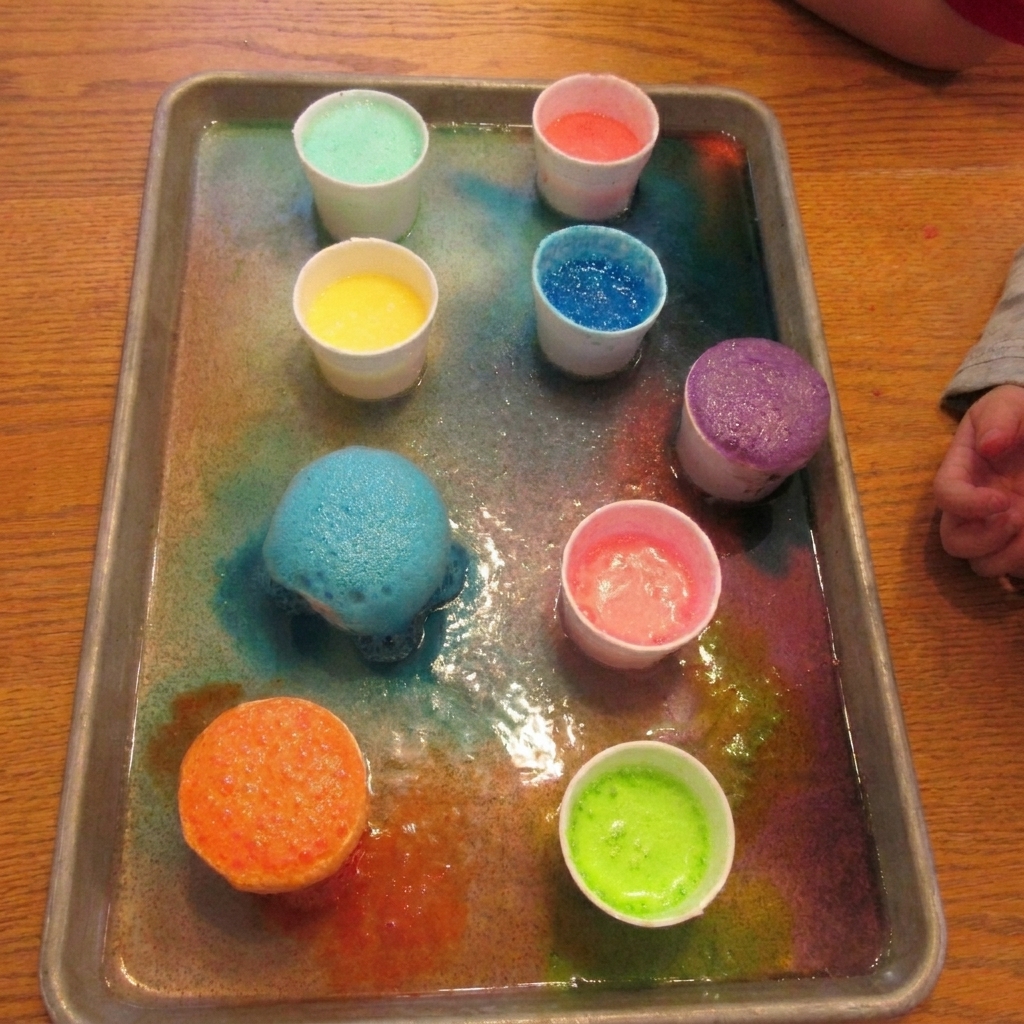
Scientific experiments in color
Color is everywhere in our daily lives from the clothes we wear to the food we eat and the screens we look at. But have you ever stopped to think about how colors actually work? Why do they mix? Why do they change under different lights? And how can simple household items help us understand deep scientific principles?
This is where Scientific experiments in color become incredibly powerful. They turn abstract science into fun, visual, hands-on learning experiences that anyone especially kids and beginners can enjoy.
In this guide, you’ll discover how color science works, easy experiments you can try at home, and educational insights behind each activity.
Quick Overview Table
| Experiment Name | Key Concept | Materials Needed | Difficulty | Learning Outcome |
| Color Mixing Milk | Surface tension & pigments | Milk, food coloring, soap | Easy | How colors react with fat molecules |
| Walking Water Rainbow | Capillary action | Cups, water, paper towels | Easy | Color blending & absorption |
| Color Wheel Spin | Light perception | Paper, colors, spinner | Medium | Optical color mixing |
| Cabbage pH Indicator | Acids & bases | Red cabbage, liquids | Medium | Chemical color change reactions |
| Oil & Water Colors | Density separation | Oil, water, food coloring | Easy | Immiscible liquids behavior |
| UV Color Change Beads | UV light reaction | UV beads, sunlight | Easy | Light-sensitive materials |
Introduction to Scientific Experiments in Color
Scientific experiments in color are simple experiments that explore how colors behave, mix, and change under different conditions. They combine chemistry, physics, and visual perception in one engaging experience.
These experiments are especially useful for:
- Students learning basic science concepts
- Parents looking for educational activities
- Teachers needing classroom demonstrations
- Anyone curious about how color works in nature
The beauty of color science is that it doesn’t require expensive lab equipment. Most experiments can be done with everyday household materials like water, milk, paper, and food coloring.
Why Color Science Matters
Color is not just visual it’s scientific. Understanding it helps explain:
- How our eyes perceive light
- Why objects appear different under sunlight or artificial light
- How pigments mix differently than light
- How chemical reactions create visible changes
When learners engage in Scientific experiments in color, they are actually exploring physics, chemistry, and biology at the same time.
1. Color Mixing Milk Experiment
This is one of the most popular beginner-friendly experiments.
What You Learn:
How fat molecules in milk react with soap and move food coloring around.
How It Works:
Milk contains fat, and dish soap breaks fat molecules apart. This movement creates swirling color patterns.
Materials:
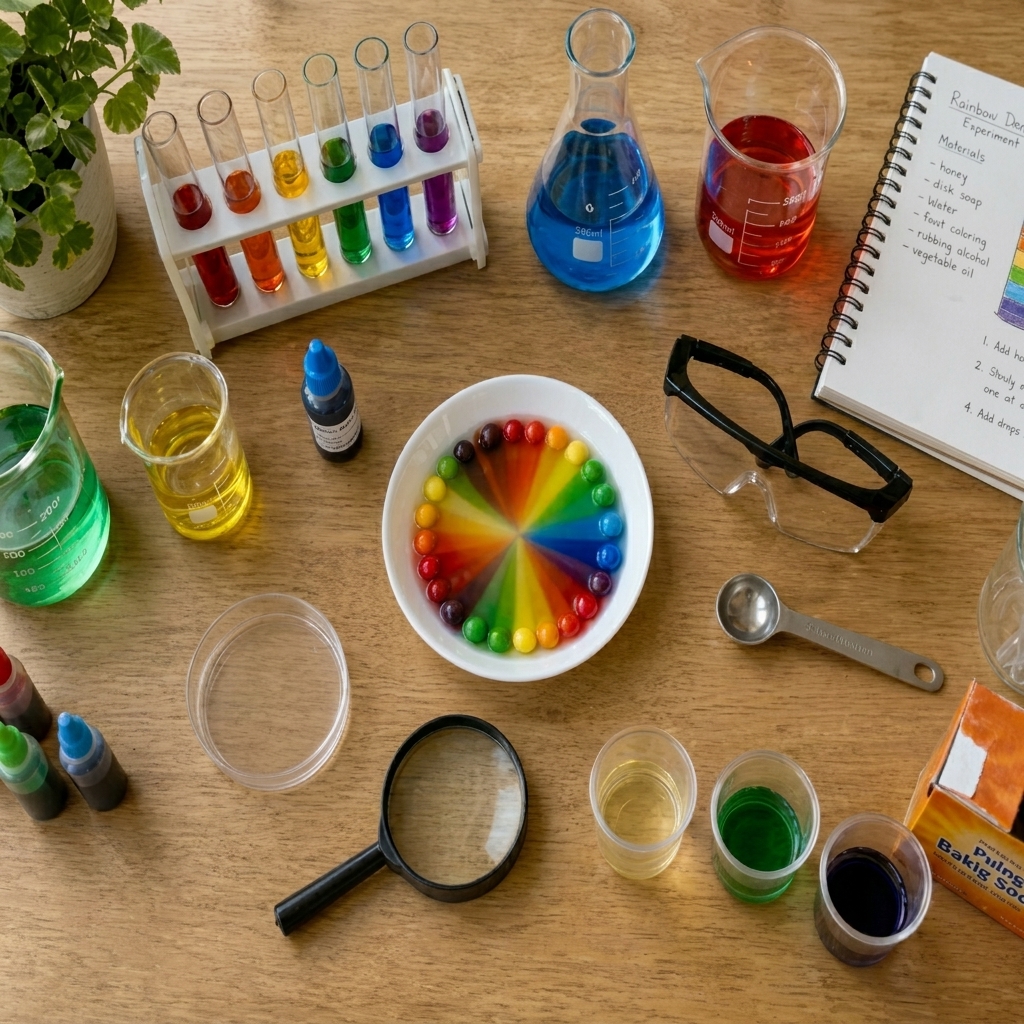
- Milk (whole milk works best)
- Food coloring
- Dish soap
- Cotton swab
Steps:
- Pour milk into a shallow plate.
- Add drops of food coloring.
- Dip a soap-covered cotton swab into the center.
- Watch colors explode and swirl.
Science Behind It:
Soap reduces surface tension, causing fat molecules to move rapidly and push colors around.
2. Walking Water Rainbow
This experiment shows how colors can “travel.”
What You Learn:
Capillary action and color blending.
Materials:
- 6 clear cups
- Water
- Paper towels
- Food coloring (red, yellow, blue)
Steps:
- Arrange cups in a circle.
- Fill alternating cups with colored water.
- Place folded paper towels between cups.
- Wait for water to “walk” across cups.
Science Behind It:
Water moves through paper fibers using capillary action, carrying color with it.
3. Color Wheel Spin Experiment
A visual way to explore optical mixing.
What You Learn:
How rotating colors blend into white or new shades.
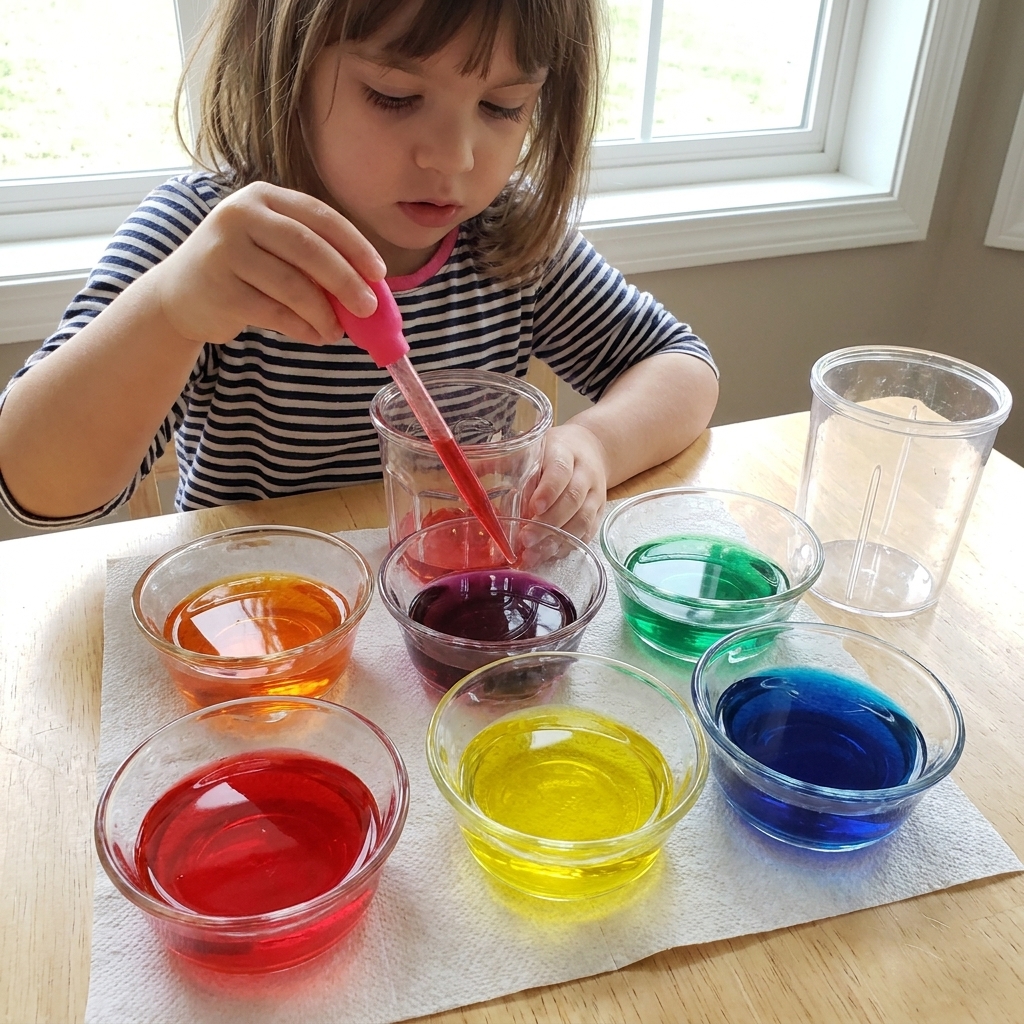
Materials:
- Cardboard
- Colored markers
- String or pencil
Steps:
- Draw a color wheel.
- Attach it to a spinner.
- Spin quickly and observe changes.
Science Behind It:
Your eyes blend fast-moving colors, creating optical illusions of new colors.
4. Cabbage pH Color Indicator
A chemistry-based color experiment.
What You Learn:
How acids and bases change color indicators.
Materials:
- Red cabbage
- Hot water
- Lemon juice, baking soda, vinegar
Steps:
- Boil cabbage to extract purple liquid.
- Pour into cups.
- Add different substances.
- Observe color changes.
Science Behind It:
Anthocyanins in cabbage change color based on pH levels.
5. Oil and Water Color Layers
A simple density experiment.
What You Learn:
Why oil and water don’t mix and how colors separate.
Materials:
- Water
- Oil
- Food coloring
- Clear glass
Steps:
- Fill glass with water.
- Add oil on top.
- Drop food coloring.
- Watch colors sink and spread.
Science Behind It:
Oil is less dense than water and does not mix, creating layered effects.
6. UV Color Changing Beads
A fun sunlight experiment.
What You Learn:
How ultraviolet light affects materials.
Materials:
- UV beads
- Sunlight or UV lamp
Steps:
- Place beads in sunlight.
- Observe color change.
- Bring them indoors and watch them fade.
Science Behind It:
UV light triggers a chemical reaction that changes bead color.
Educational Benefits of Scientific Experiments in Color
Engaging in Scientific experiments in color provides multiple learning benefits:
1. Encourages Curiosity
Children start asking “why” and “how” questions naturally.
2. Builds STEM Skills
Science, technology, engineering, and math concepts are introduced early.
3. Improves Observation Skills
Learners notice subtle changes in color, motion, and reaction.
4. Enhances Creativity
Color-based experiments encourage artistic thinking alongside science.
Safety Tips for Color Experiments
Even though these experiments are simple, safety is important:
- Always supervise children
- Do not ingest materials
- Use safe, non-toxic dyes
- Clean spills immediately
- Wash hands after experiments
Why Kids Love Color Science
Kids are naturally drawn to bright, changing visuals. Color experiments feel like magic—but they are real science.
The instant transformation of colors creates excitement and helps concepts stick in memory much better than reading theory alone.
How to Make Color Experiments More Engaging
To improve learning outcomes:
- Ask prediction questions before each experiment
- Encourage kids to mix their own variations
- Let them document results in a science journal
- Combine experiments with drawing or storytelling
Final Thoughts
Scientific experiments in color are a powerful way to turn everyday materials into educational tools. They explain complex scientific principles in a simple, visual, and enjoyable way.
Whether you’re a parent, teacher, or curious learner, these experiments make science feel less like a subject and more like an adventure.
By exploring colors through hands-on activities, you don’t just learn science you experience it.
