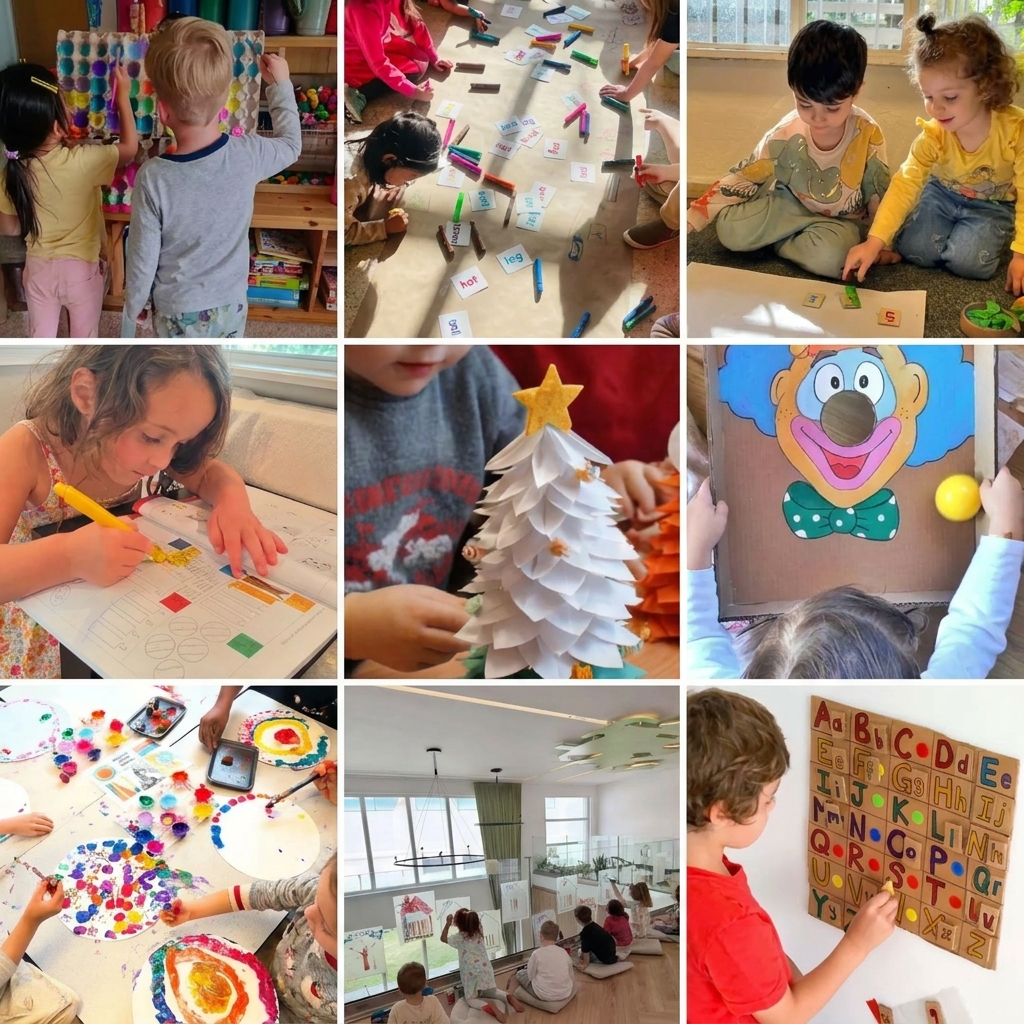
A Year’s Worth of Homeschooling Activities That Make Learning Fun at Home is more than just a creative idea for modern families. It is a powerful way to turn everyday moments into exciting learning opportunities while helping children enjoy education naturally. Parents today are moving away from rigid classroom routines and choosing flexible learning environments that inspire curiosity, confidence, and creativity.
One of the biggest advantages of homeschooling is the freedom to make learning enjoyable. When children have fun, they retain information better, develop stronger problem-solving skills, and build a lifelong love for education. Instead of forcing students into long hours of worksheets, many parents now use hands-on projects, educational games, travel-inspired lessons, nature activities, and interactive challenges to keep kids motivated.
The beauty of homeschooling is that there is no single “perfect” method. Some families thrive with structured schedules, while others prefer relaxed learning rhythms that allow room for travel, hobbies, and spontaneous discoveries. This guide combines expert-backed ideas from educators, therapists, and experienced homeschooling families to help you create a balanced and engaging homeschool experience for every age group.
Whether you are searching for homeschooling activities for kids or looking for homeschool activity ideas for every season, this guide offers practical tips, creative projects, and helpful tools to make learning exciting throughout the entire year.
Designing Your Perfect Homeschool Rhythm
Year-Round vs. Traditional Schedules
One of the best parts of homeschooling is flexibility. Families can choose schedules that work best for their lifestyles instead of following a traditional school calendar.
Some parents prefer year-round learning with shorter daily lessons and regular breaks. Others follow a four-day school week, leaving one day open for field trips, outdoor adventures, or creative workshops. Another growing trend is “Sabbath schooling,” where families study for six weeks and then take one week off to recharge.
These flexible schedules reduce burnout and help children stay excited about learning.
Flexibility Is Key
Life changes constantly, and homeschooling allows families to adapt quickly. Rainy days can become movie-based history lessons. Sunny mornings can transform into nature hikes or science explorations.
Travel-based learning is also becoming popular. Families often include museum visits, cultural experiences, road trips, and virtual tours as part of their educational routine. These real-world experiences make lessons memorable and meaningful.
Sustainable Routines
A sustainable homeschool routine should balance structure with freedom. Instead of strict hourly schedules, many successful homeschoolers use “learning blocks.”
For example:
| Time | Activity |
| Morning | Reading and Math |
| Midday | Outdoor Play or STEM |
| Afternoon | Creative Arts and Projects |
| Evening | Family Discussions or Journaling |
This approach creates consistency without overwhelming children.
Age-Specific Homeschool Fun Activities
Toddlers & Preschoolers
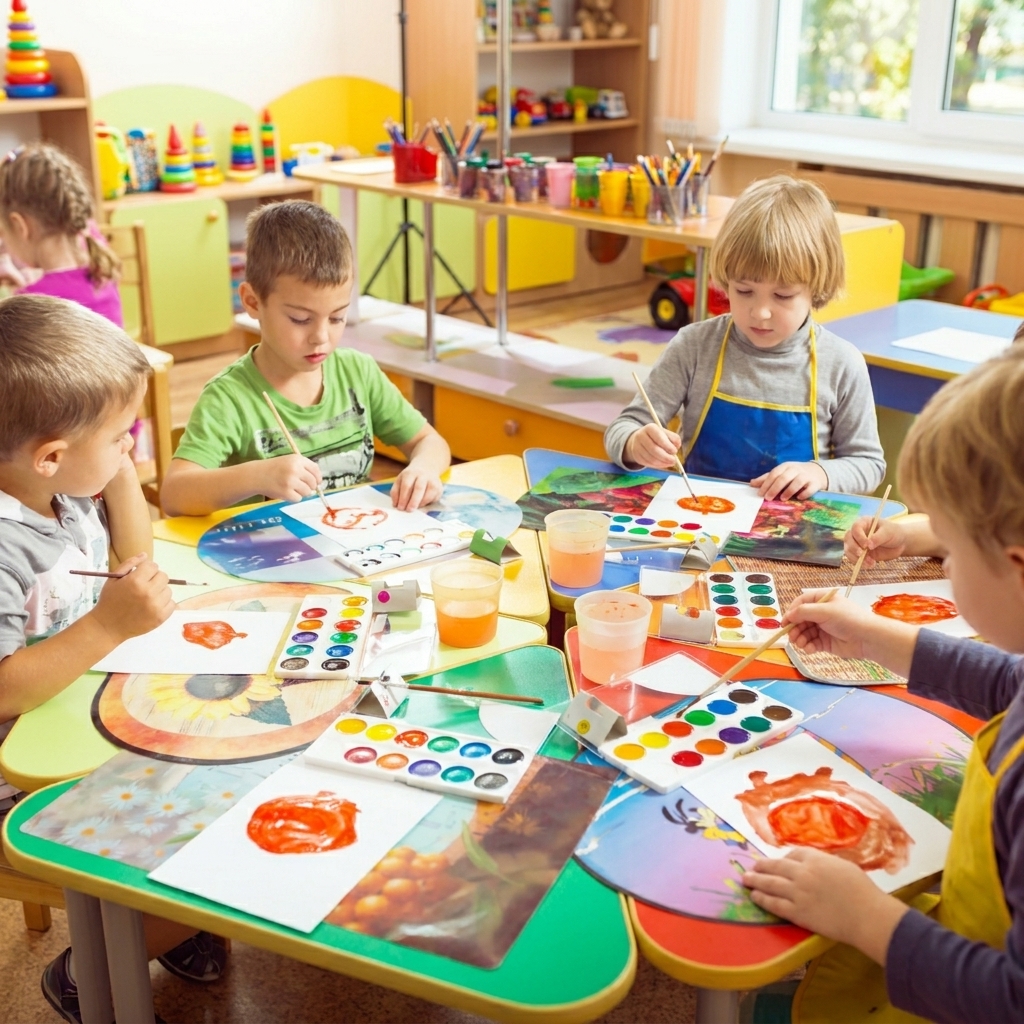
Young children learn best through sensory experiences and play.
Popular activities include:
- Sensory bins filled with rice, beans, or sand
- Sticker matching games
- Color sorting with pom-poms
- Alphabet treasure hunts
- Storytime yoga
- Music and movement activities
Faith-based daily rhythms and simple routines also help younger children feel secure and engaged.
Elementary School (K-5)
Elementary learners enjoy active and hands-on challenges.
Some favorite homeschooling activities for kids include:
Lego Maze Challenges
Kids build mazes using Lego bricks while practicing engineering and critical thinking skills.
Math Bingo
Children solve math problems to mark spaces on a bingo board.
Nature Scavenger Hunts
Students identify leaves, insects, rocks, and birds while learning biology and environmental science.
Travel Journals
Children create journals about countries, landmarks, and world cultures.
These activities encourage creativity while strengthening academic foundations.
Middle School (6-8)
Middle school students thrive when learning feels interactive and relevant.
Fun activities include:
- Periodic Table Battleship
- Emoji writing prompts
- Escape room science games
- Local history walking tours
- Beginner coding projects
- Geography trivia competitions
At this stage, students benefit from collaborative projects and real-world problem solving.
High School (9-12)
Teenagers need learning experiences that connect to life skills and future goals.
Excellent ideas include:
Trashketball Review Games
Students answer review questions and toss paper balls into bins for points.
Virtual Museum Tours
Teens explore famous museums, historical landmarks, and international art galleries online.
Volunteering Projects
Community service builds leadership, empathy, and practical experience.
Debate and Discussion Activities
Using Socratic discussion methods encourages critical thinking and communication skills.
These activities help older students stay motivated while preparing for adulthood.
The “Practical Classroom”: Hands-On & Outdoor Learning
Kitchen Science & Math
Cooking provides endless learning opportunities. Measuring ingredients teaches fractions, while baking introduces chemistry concepts like reactions and temperature changes.
Children can also practice:
- Reading comprehension through recipes
- Budgeting grocery costs
- Nutrition science
- Time management skills
Simple kitchen science experiments like homemade volcanoes or candy crystal growing make lessons even more exciting.
Nature as a Teacher
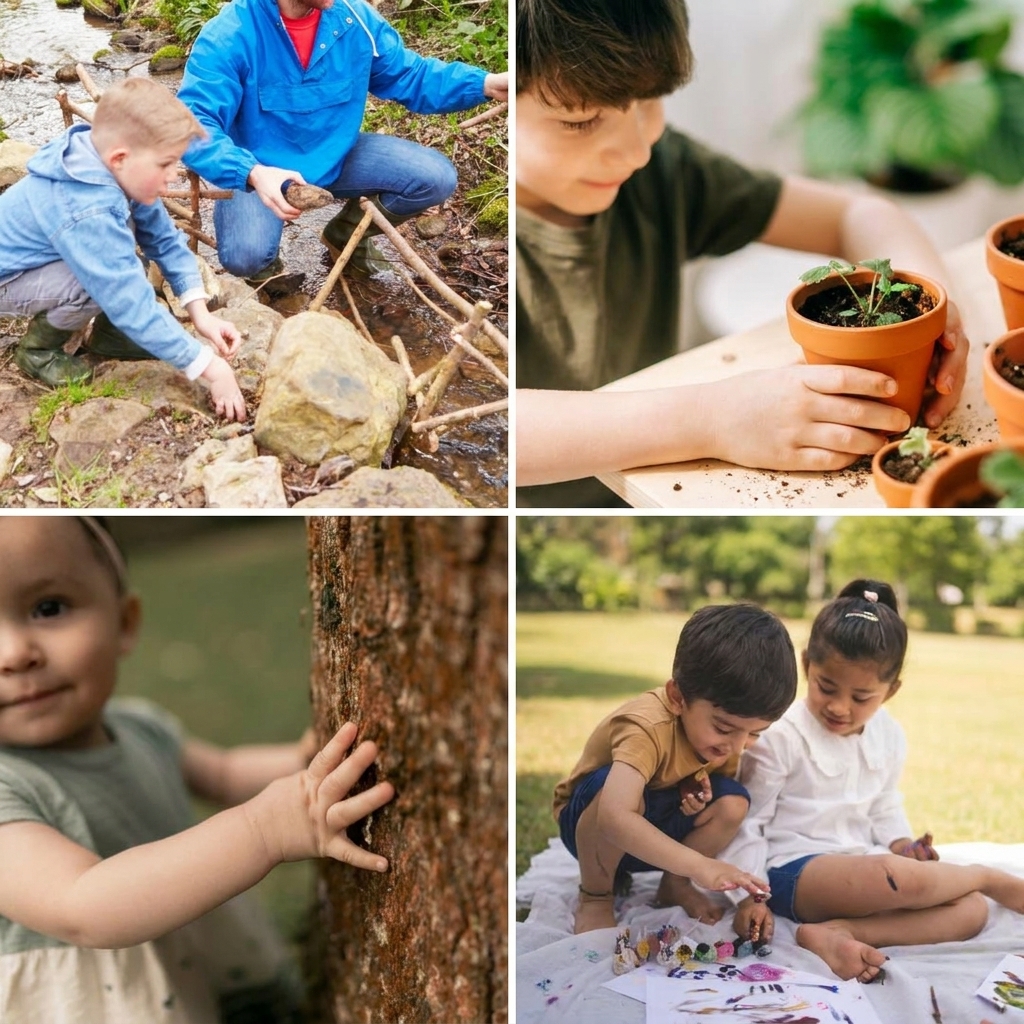
Nature-based education helps children develop observation and critical thinking skills.
Outdoor homeschool activity ideas for every season include:
Spring
- Gardening projects
- Butterfly observation
- Rain measurement activities
Summer
- Hiking adventures
- Pond ecosystem studies
- Outdoor sketching
Fall
- Leaf identification
- Pumpkin science
- Nature photography
Winter
- Bird watching
- Snow experiments
- Winter constellation studies
These activities encourage physical movement while connecting children with the natural world.
STEM Challenges
Hands-on STEM projects make science and engineering enjoyable.
Try these creative ideas:
- Build spaghetti bridges
- Design paper airplanes
- Create homemade circuits
- Build mini catapults
- Experiment with water filtration systems
STEM learning helps children develop teamwork, innovation, and problem-solving skills.
The Digital Toolkit: Best Online Resources for 2026
Technology has transformed homeschooling by giving families access to high-quality educational tools worldwide.
Free Core Curricula
Khan Academy
Offers free lessons in math, science, grammar, and history.
Easy Peasy All-in-One Homeschool
Provides complete online curriculum plans for multiple grade levels.
Discovery K12
Includes free educational resources and lesson planning tools.
These platforms help parents organize lessons while saving time and money.
Specialized Learning Tools
Scratch
Teaches kids coding through interactive game design.
Duolingo
Makes language learning fun and engaging.
Danman’s Music Library
Provides music lessons and printable resources.
SAT Prep Platforms
Helpful for high school students preparing for college entrance exams.
Digital learning tools support personalized education while allowing students to progress at their own pace.
Virtual Field Trips
Virtual travel experiences are becoming an important part of modern homeschooling.
Popular destinations include:
- The Louvre Museum in Paris
- The San Diego Zoo
- NASA Mars exploration tours
- National parks virtual hikes
- Ancient Rome interactive tours
These experiences combine travel education with cultural exploration.
Dad-Approved Strategies & Life Skills
Everyday Mentorship
Parents can teach valuable life lessons through hobbies and daily tasks.
Fathers often introduce practical learning through:
- Woodworking
- Car maintenance
- Gardening
- Sports coaching
- Home repairs
These activities naturally build patience, confidence, and problem-solving abilities.
Real-World Application
Homeschooling works best when children apply lessons to everyday life.
Examples include:
- Grocery shopping for budgeting
- Meal planning for nutrition
- Gardening for biology
- Travel planning for geography and math
Real-world learning transforms education from memorization into meaningful understanding.
Financial Literacy
Teaching money management early helps children develop lifelong financial skills.
Simple methods include:
- Budgeting allowance
- Running mini businesses
- Using grocery receipts for math
- Creating savings challenges
Lapbooks and visual charts also help younger students understand financial concepts.
Planning for Success: Traditions & Organization
Back-to-School Traditions
Creating homeschool traditions builds excitement and motivation.
Popular ideas include:
- Gift-wrapped school supplies
- First-day interviews
- Family breakfast celebrations
- Annual vision boards
- Goal-setting activities
These traditions create positive memories around learning.
Simple Organization Tips
A clutter-free learning environment improves focus and productivity.
Helpful organization strategies include:
Create Learning Zones
Design separate areas for reading, art, science, and quiet work.
Use 3-Ring Binders
Keep worksheets, projects, and portfolios organized.
Digital Planning Tools
Apps like Canva, Trello, and Google Sheets help manage schedules and lesson plans efficiently.
Evaluation & Feedback
Children learn best when parents listen to their needs and interests.
Ask questions like:
- What activities did you enjoy most?
- Which subjects feel difficult?
- What would you like to learn next?
Regular feedback encourages collaboration and improves learning outcomes.
Quick Overview Table
| Category | Best Activities |
| Preschool | Sensory bins, sticker games |
| Elementary | Math Bingo, scavenger hunts |
| Middle School | Coding, science games |
| High School | Volunteering, virtual tours |
| Outdoor Learning | Gardening, hiking |
| STEM | Circuits, bridge building |
| Life Skills | Budgeting, cooking |
| Digital Tools | Khan Academy, Scratch |
Conclusion
A Year’s Worth of Homeschooling Activities That Make Learning Fun at Home can completely transform the educational experience for both parents and children. By combining flexibility, creativity, outdoor learning, technology, and real-world experiences, homeschooling becomes more than academics—it becomes a lifestyle centered around curiosity and growth.
The key to successful homeschooling is balance. Structured routines provide stability, while fun activities keep children inspired and engaged. Whether you focus on travel-based learning, STEM challenges, seasonal projects, or life skills, the goal is to create meaningful educational experiences that fit your family’s unique rhythm.
With the right mindset, resources, and homeschool activity ideas for every season, families can build a joyful learning environment that encourages lifelong exploration, confidence, and success.
