
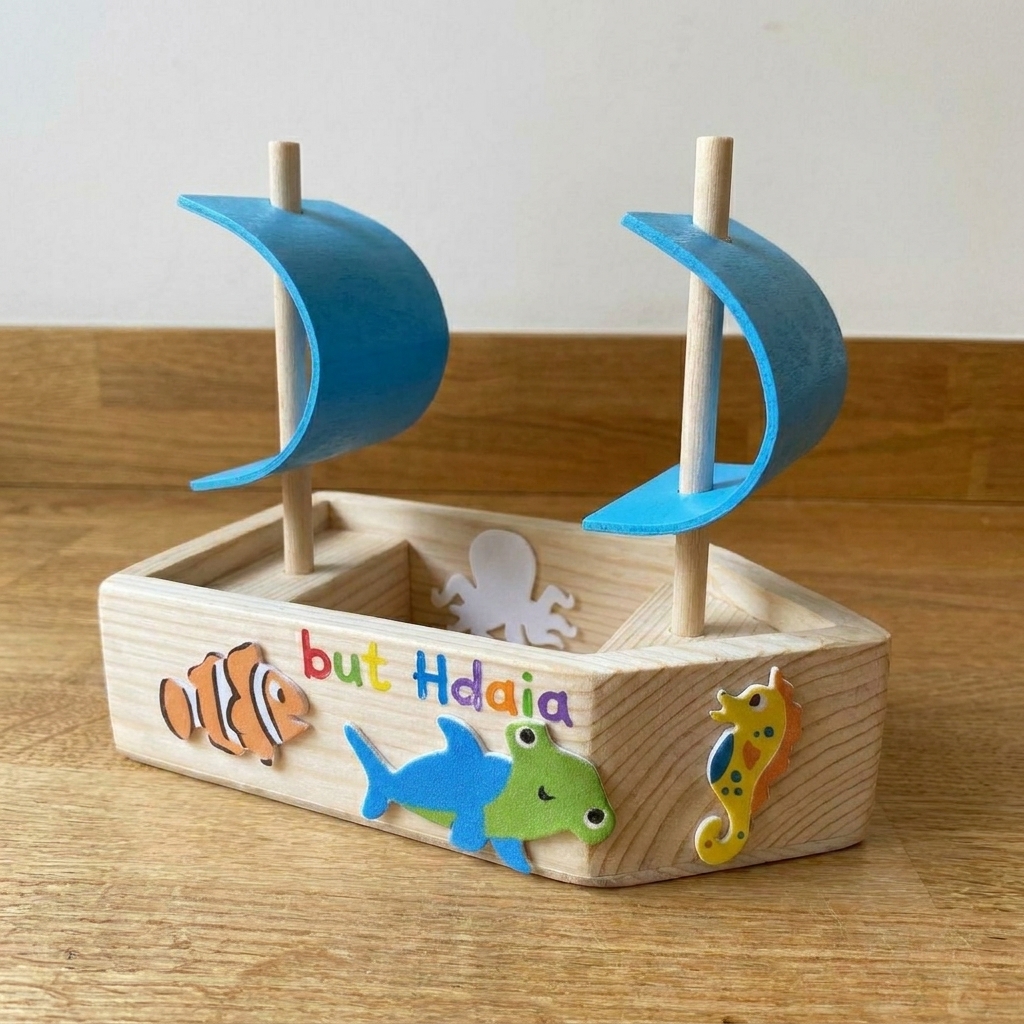
Make a small boat that floats on the water is one of the most exciting hands-on STEM activities for kids, families, and classrooms. It turns an ordinary afternoon into a mini engineering workshop where imagination meets physics. Whether you are using scrap materials at home or planning summer water play, learning how to Make a small boat that floats on the water helps children understand real scientific principles in a fun and memorable way.
At its core, this activity is more than just crafting. It is an entry-level engineering challenge that teaches design thinking, problem-solving, and experimentation. A simple small floating boat DIY project can introduce important STEAM concepts like buoyancy, displacement, and stability.
In this guide, you’ll discover how to build different types of boats, what materials work best, and why some designs float while others sink. You’ll also explore a hands-on homemade boat that stays on water experiment that helps explain real-world physics in action.
II. Essential Materials: Your “Recyclables Cabinet” Checklist
To successfully Make a small boat that floats on the water, you don’t need expensive supplies. Most materials can be found at home in your recycling bin.
🚤 The Hull (Boat Body)
- Plastic milk jugs
- Shampoo bottles
- Orange juice cartons
- Margarine tubs
- Yogurt containers
These waterproof materials are perfect for creating a stable base for any small floating boat DIY project.
⛵ Masts & Sails
- Straws
- Popsicle sticks
- Toothpicks
- Scrap paper or felt
These help create wind-powered movement for your boat designs.
🧴 Adhesives (Very Important!)
- Duct tape
- Hot glue
- Super glue
Waterproof sealing is essential in any homemade boat that stays on water experiment. Weak glue leads to leaks and sinking.
🌱 Eco-Friendly Tip
Using recycled materials not only saves money but also teaches sustainability and environmental awareness.
III. Level 1: Simple Floating Boats (For Beginners)
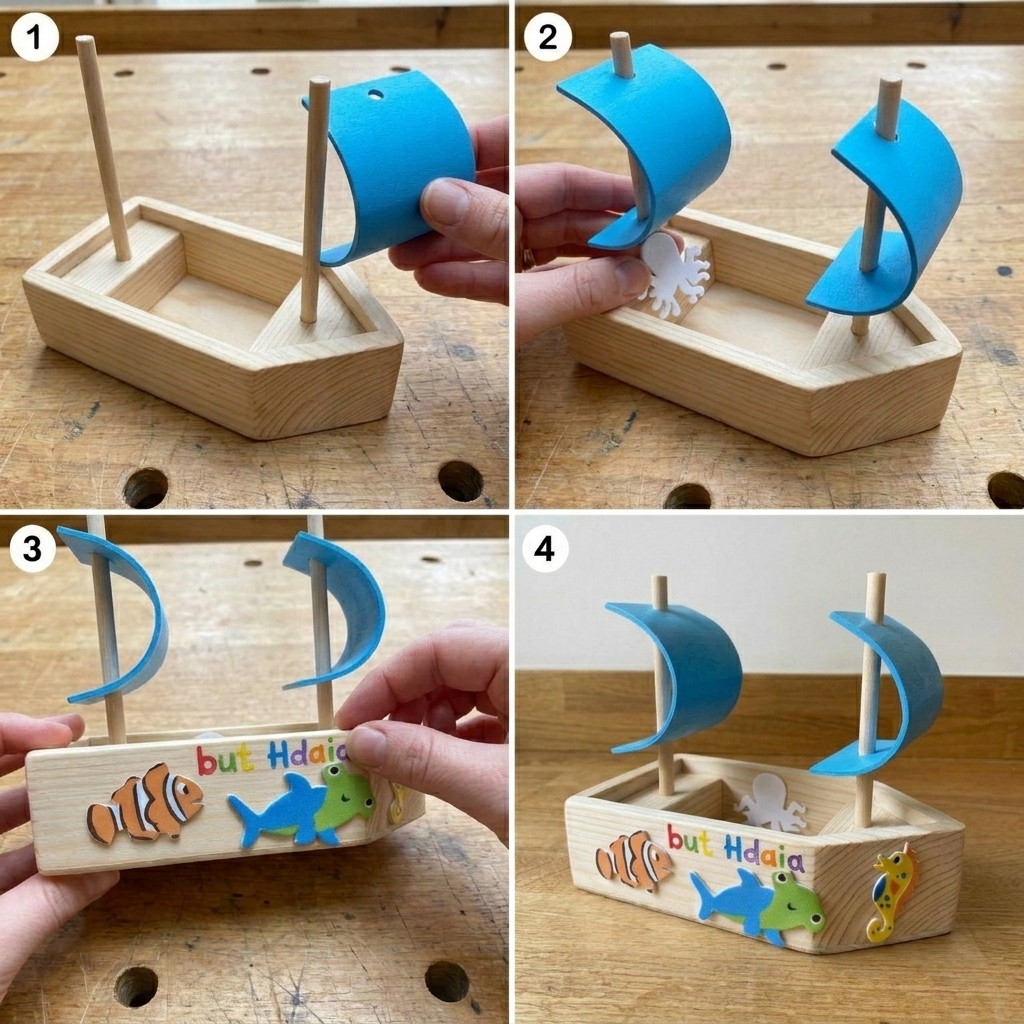
This stage of Make a small boat that floats on the water is perfect for preschoolers and beginners.
🧽 Sponge & Duct Tape Sailboat
A sponge base makes the boat almost unsinkable. Add a paper sail for movement.
🧃 Juice Box Boat
Cut and seal a juice carton, then decorate it. This is one of the easiest small floating boat DIY activities.
🪵 Cork & Paper Sailboat
Corks provide natural buoyancy, making this a great 5-minute craft.
🧻 Foil Boats
Aluminum foil can be shaped into different hull designs to test how shape affects floating ability.
These beginner boats are excellent for introducing water-based STEM play.
IV. Level 2: Advanced Engineering Boats
Now we move into more complex designs where children truly begin to understand how to Make a small boat that floats on the water like real engineers.
🔄 Rubber Band Paddle Boat
Using a margarine tub and a rubber band motor, this boat can actually move on its own.
⚖️ Shampoo Bottle Keel Boat
Adding a keel improves balance and prevents tipping. This is a key lesson in stability engineering.
🧱 Straw Raft
Gluing straws together creates a lightweight floating platform. This design helps explain weight distribution in a homemade boat that stays on water experiment.
These projects encourage creativity and problem-solving while reinforcing STEM learning.
V. The Science Behind the Fun: Why Boats Float
Understanding the science behind Make a small boat that floats on the water is what turns play into education.
🌊 Buoyancy (Archimedes’ Principle)
Objects float when they displace water equal to their weight. If they are too heavy, they sink.
🌊 Displacement
A boat pushes water aside to make space for itself. Larger hulls displace more water, improving flotation.
⚠️ Why Boats Sink
Common reasons include:
- Too much weight
- Poor balance
- Non-waterproof materials
- Weak structure
Fixing these issues improves every small floating boat DIY design.
🧠 Engineering Thinking
Every failure is data. Adjusting design improves performance in future builds.
VI. Where to Test Your Fleet
Testing is a fun part of Make a small boat that floats on the water.
🏠 Indoor Testing
- Kitchen sink
- Bathtub
- Large bowls
🌳 Outdoor Testing
- Inflatable pools
- Rain puddles
- Garden water trays
These environments make perfect summer water play ideas and backyard STEM challenges.
VII. FAQ Section: People Also Ask
❓ What is the best material for a DIY boat?
Waterproof materials like plastic bottles, milk jugs, and wax-coated cartons work best for a homemade boat that stays on water experiment.
❓ How do you make a toy boat move?
You can use wind power (sails), rubber bands, or even water currents to propel your boat.
❓ Why do some boats float better than others?
Shape, weight distribution, and material type all affect buoyancy and stability.
Quick Overview Table
| Boat Type | Difficulty | Key Concept | Best Materials |
| Sponge Sailboat | Easy | Buoyancy | Sponge, tape |
| Juice Box Boat | Easy | Reuse & Floatation | Carton box |
| Foil Boat | Medium | Shape & Displacement | Aluminum foil |
| Rubber Band Boat | Advanced | Motion energy | Plastic tub |
| Straw Raft | Medium | Stability | Straws, glue |
Conclusion
Learning how to Make a small boat that floats on the water is one of the most engaging STEM activities for children and families. It combines creativity, science, and engineering into a hands-on experience that teaches real-world physics in a simple way.
From a basic small floating boat DIY project to a more advanced homemade boat that stays on water experiment, every design teaches important lessons about buoyancy, displacement, and stability.
Most importantly, these activities turn everyday recycled materials into powerful learning tools. With just a little imagination, anyone can build, test, and improve their own floating creations—making science both fun and unforgettable.
