
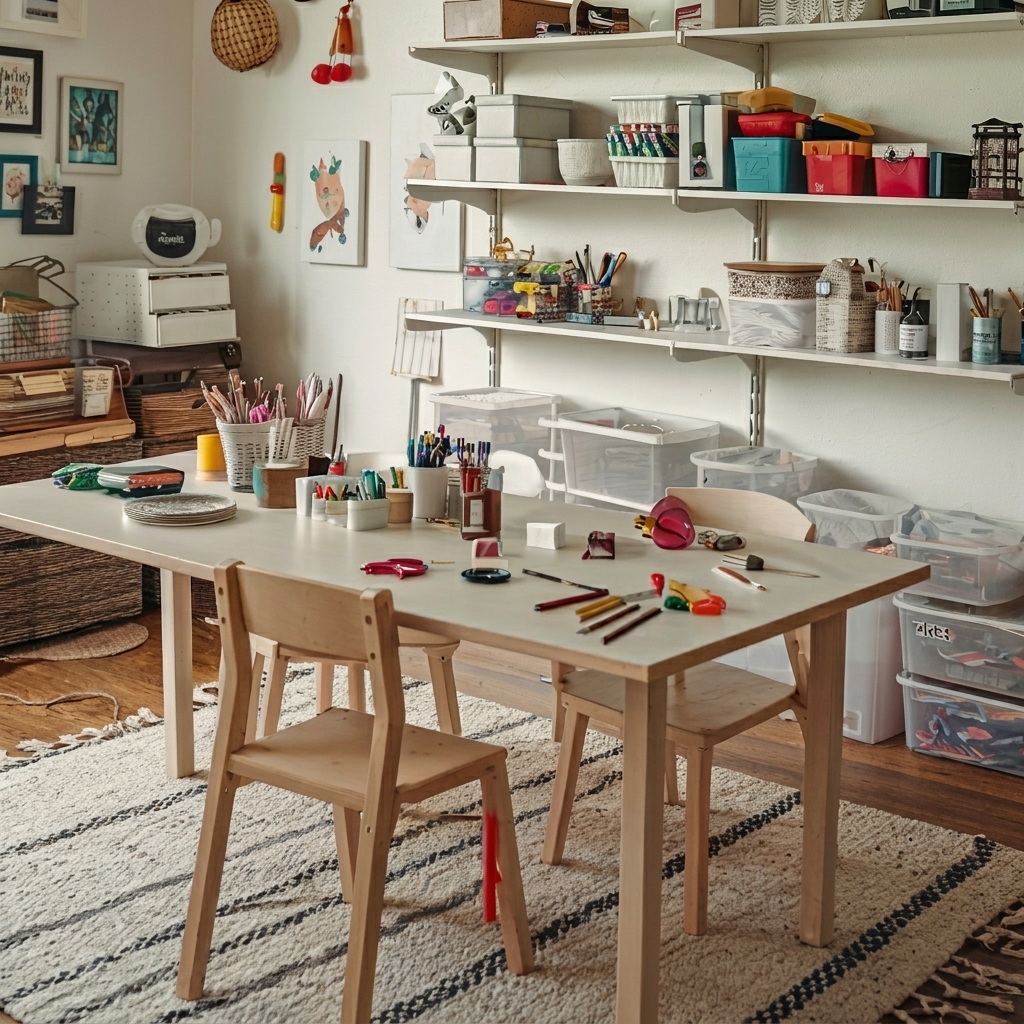
Creating a dedicated craft space for children is one of the best ways to encourage creativity, independence, and learning through play. A well-designed craft room doesn’t just keep glue and glitter under control—it also becomes a place where imagination can travel freely, from art projects inspired by world cultures to DIY souvenirs from imaginary journeys.
In this guide, we explore How to Design and Organize the Perfect Craft Room for Kids using five practical, budget-friendly, and creative tips that transform any corner of your home into a functional and inspiring creative hub.
Whether you’re a parent, teacher, or caregiver, these ideas will help you design a space that is tidy, engaging, and full of creative energy.
Quick Summary Table
| Tip | Focus Area | Key Benefit | Difficulty Level |
| 1. Smart Layout Design | Space planning | Improves flow and accessibility | Easy |
| 2. Storage Systems | Organization | Reduces mess and clutter | Easy |
| 3. Creative Zones | Activity setup | Boosts imagination & focus | Medium |
| 4. Travel-Inspired Decor | Theme design | Enhances engagement & learning | Easy |
| 5. Maintenance Routine | Clean-up habits | Keeps room organized long-term | Easy |
Why a Craft Room Matters for Kids
Before diving into How to Design and Organize the Perfect Craft Room for Kids, it’s important to understand why such a space is valuable.
A dedicated craft room:
- Encourages creativity and independent thinking
- Reduces mess in other areas of the home
- Builds responsibility through organization habits
- Supports emotional expression through art
- Enhances fine motor skills and focus
When children know they have a special space for creativity, they are more likely to explore, experiment, and learn confidently.
Tip 1: Design a Smart and Functional Layout
The foundation of How to Design and Organize the Perfect Craft Room for Kids starts with the layout. A well-planned space ensures children can move freely, access supplies easily, and stay engaged longer.
Key Layout Ideas:
- Place tables near natural light for better visibility
- Keep frequently used supplies within arm’s reach
- Use low-height furniture so kids can access everything
- Create open space in the center for movement and group activities
Pro Insight:
If the room is small, consider vertical design—use walls for storage, hanging organizers, and pegboards. This frees up floor space while keeping everything visible.
A smart layout reduces frustration and increases creative flow, especially during group craft sessions or travel-themed projects like map drawing or DIY souvenirs.
Tip 2: Use Smart Storage Systems to Reduce Clutter
One of the biggest challenges in any craft space is mess. Glue sticks, paper scraps, beads, and markers can quickly take over the room.
That’s why storage is a key part of How to Design and Organize the Perfect Craft Room for Kids.
Best Storage Solutions:
- Clear plastic bins for visibility
- Labelled drawers for quick access
- Hanging wall pockets for small tools
- Rotating organizers for crayons and pens
- Stackable boxes for paper and craft kits
Organization Tip:
Group items by category:
- Drawing supplies
- Painting tools
- Cutting and gluing materials
- Decorative items (stickers, glitter, ribbons)
Travel-Inspired Idea:
Label storage boxes with travel themes like “Paris Paints,” “Safari Supplies,” or “Ocean Crafts” to make organization fun and educational.
Tip 3: Create Creative Zones for Different Activities
Instead of one messy workspace, divide the room into zones. This helps children focus and understand where each activity belongs.
Suggested Zones:
Drawing & Coloring Zone
- Tables with crayons, pencils, and sketchbooks
- Flat surfaces for easy drawing
Painting Zone
- Washable surfaces or mats
- Easy access to water cups and brushes
DIY Craft Zone
- Scissors, glue, and recycled materials
- Space for building and assembling projects
Reading & Inspiration Zone
- Books about art, travel, and cultures
- Posters of world landmarks and maps
Why It Works:
Zoning is a powerful part of How to Design and Organize the Perfect Craft Room for Kids because it builds structure while allowing freedom. Kids learn where to go for each activity, reducing chaos and increasing focus.
Tip 4: Add Travel-Inspired Decor for Creativity Boost
A craft room becomes truly magical when it inspires imagination. Adding a travel theme turns it into a global creativity hub.
Decoration Ideas:
- World maps on the wall
- Flags from different countries
- Posters of famous landmarks
- Globe or rotating world ball
- DIY travel souvenirs made by kids
Creative Touch:
Let children decorate parts of the room based on countries they “visit” through crafts. For example:
- Japan corner: origami and cherry blossom art
- Egypt corner: pyramids and sand art
- Ocean corner: sea creatures and blue tones
Why Travel Themes Work:
Incorporating travel elements into How to Design and Organize the Perfect Craft Room for Kids expands learning beyond art. It introduces geography, culture, and curiosity in a playful way.
Tip 5: Build a Simple Maintenance Routine
Even the best-designed craft room will become messy without a system for upkeep. Teaching kids responsibility is essential.
Easy Maintenance Rules:
- Clean up after every session
- Return tools to labeled containers
- Weekly “reset” of the entire room
- Assign small cleaning roles to each child
- Use timers to make cleanup fun
Make It Fun:
Turn cleanup into a game:
- “10-minute tidy challenge”
- Reward points for organized stations
- Music-based cleanup sessions
Long-Term Benefit:
This habit reinforces How to Design and Organize the Perfect Craft Room for Kids by ensuring the space remains usable, inspiring, and stress-free over time.
Extra Ideas to Enhance the Craft Room Experience
To take your craft room to the next level, consider these bonus ideas:
1. Rotating Craft Station
Change activities weekly to keep children excited.
2. Display Wall
Showcase completed projects like a mini art gallery.
3. Nature Corner
Include leaves, stones, and natural items for eco-crafts.
4. Digital Inspiration Board
Use a tablet or printed images for project ideas.
5. Storytelling Crafts
Combine art with storytelling—kids create crafts based on travel adventures.
Benefits of a Well-Organized Craft Room
A properly designed space offers more than just cleanliness. It contributes to a child’s development in many ways:
- Encourages independent learning
- Improves focus and patience
- Builds creativity and imagination
- Reduces screen time
- Strengthens organizational habits
These benefits make How to Design and Organize the Perfect Craft Room for Kids not just a design task, but an investment in a child’s growth.
Final Thoughts
Designing a creative space doesn’t have to be expensive or complicated. With thoughtful planning, smart storage, themed decoration, and consistent routines, any home can become a place where kids explore their imagination freely.
By following these five essential tips for How to Design and Organize the Perfect Craft Room for Kids, you can create a vibrant environment that supports creativity, learning, and fun every day.
A well-organized craft room is more than a space—it’s a world of discovery where kids can travel through art, ideas, and imagination without ever leaving home.
