
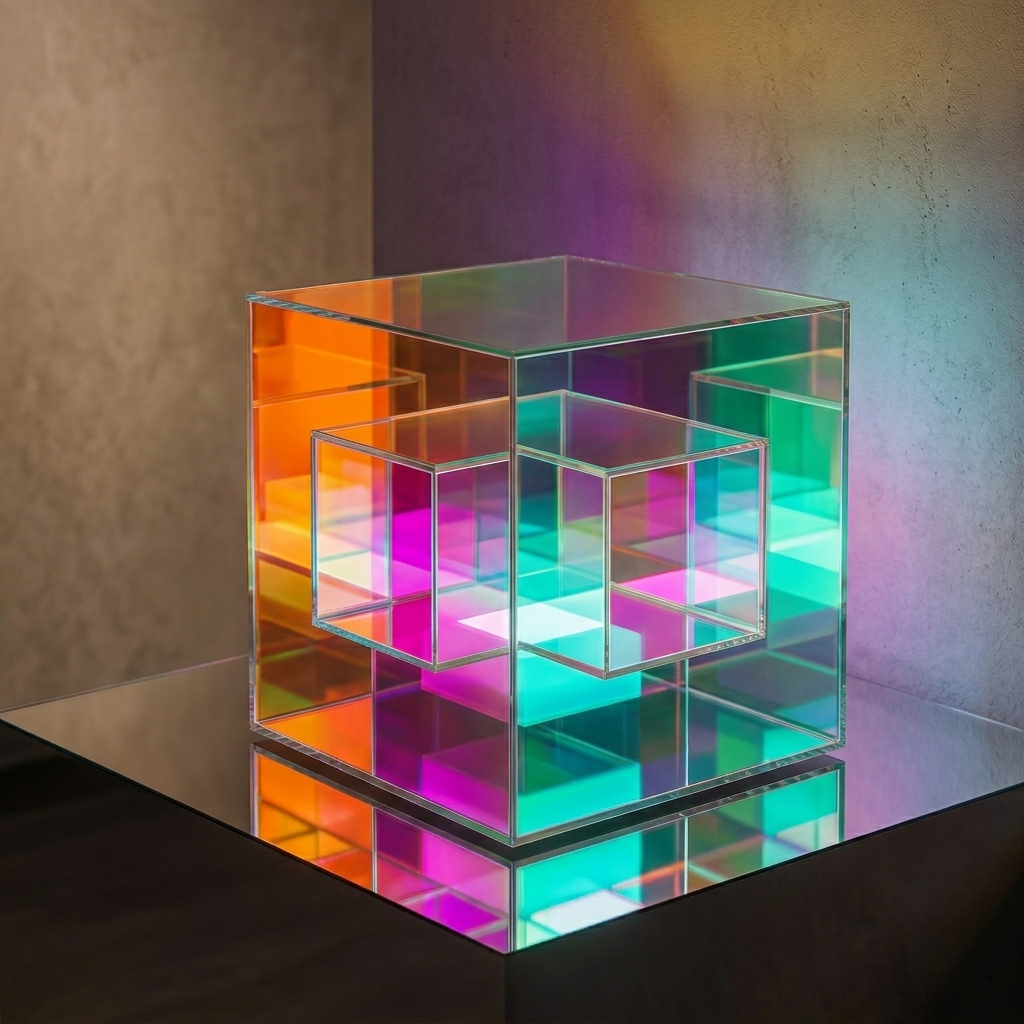
The Light and shadow experiment for children is one of the most engaging and educational science activities because it turns everyday sunlight into a hands-on laboratory. Instead of learning physics from textbooks alone, children can see, touch, and observe how light behaves in the real world. This makes science more meaningful, memorable, and fun.
A Light and shadow experiment for children also works beautifully in outdoor learning and travel-based education. Whether you are hiking in the mountains, walking through a city, or relaxing at the beach, sunlight becomes a natural teaching tool. Parents searching for a light and shadow experiment for kids often want simple, low-cost activities that teach real science without complicated materials—and this guide delivers exactly that.
In this comprehensive STEM guide, children will explore how light travels, how shadows form, and how different materials behave using opaque transparent translucent materials. These concepts help young learners understand physics, observation skills, and environmental science in a natural and exciting way.
The Physics Behind Light and Shadow Experiment for Children
Understanding the science behind a Light and shadow experiment for children helps transform fun activities into meaningful STEM learning.
How Light Works in Simple Terms
Light travels in straight lines until it hits an object. When blocked, it creates a shadow. The shape, size, and sharpness of that shadow depend on the object and the light source.
This basic principle is the foundation of every light and shadow experiment for kids.
Opaque, Transparent, and Translucent Materials
One of the most important lessons in a Light and shadow experiment for children is learning how different materials interact with light:
- Opaque materials: Block light completely (stone, wood, metal)
- Transparent materials: Allow light to pass fully (glass, clear plastic)
- Translucent materials: Let some light pass through (wax paper, frosted plastic)
Understanding opaque transparent translucent materials helps children predict how shadows will appear before testing them.
Sun Movement and Shadow Changes
Shadows change throughout the day because the sun moves across the sky. Morning shadows are long, noon shadows are short, and evening shadows stretch again. This introduces basic astronomy and Earth science.
Master Materials for Light and Shadow Experiment for Children
A great Light and shadow experiment for children does not require expensive tools. Most materials are already found at home or outdoors.
Basic Science Kit
- Flashlight or sunlight
- Paper and pencils
- Natural objects (leaves, stones, sticks)
- Colored plastic sheets
Travel-Friendly STEM Kit
For families on the move, a light and shadow experiment for kids kit can include:
- Pocket flashlight
- Small mirror
- Transparent plastic cards
- Notebook for drawing observations
This makes learning possible anywhere—parks, beaches, forests, or cities.
Challenge 1: Shadow Nature Hunt Adventure
Explore Science in the Wild
This challenge turns a simple walk into a scientific discovery mission.
How It Works
- Go outdoors during sunny hours
- Identify natural objects (trees, rocks, animals)
- Observe their shadows carefully
- Draw or describe shadow shapes
STEM Learning Outcome
Children learn how light direction affects shadow shape and size. This is a key concept in every Light and shadow experiment for children.
Challenge 2: Material Discovery Lab (Opaque vs Transparent)
Learn How Materials Behave
This activity helps children explore how different objects interact with light using real-world examples.
Activity Steps
- Collect objects from home or nature
- Sort them into:
- Opaque
- Transparent
- Translucent
- Test each object under sunlight or flashlight
Travel Learning Connection
During trips, children can test windows, water bottles, leaves, sunglasses, and souvenirs.
This makes the light and shadow experiment for kids more interactive and real-world focused.
Challenge 3: Shadow Movement Game
Combine Science and Physical Activity
This game turns learning into movement and fun.
How to Play
- One child becomes the “shadow explorer”
- Others move under sunlight
- Players try to step on or avoid shadows
Science Behind It
Children observe how shadows move with body movement and light direction. This improves spatial awareness and observation skills.
This is one of the most engaging parts of a Light and shadow experiment for children.
Challenge 4: Sun Tracking Shadow Experiment
Turn Time into Science
This activity helps children understand how shadows change throughout the day.
Steps
- Place a stick vertically in the ground
- Mark shadow position every hour
- Record changes in a notebook
What Children Learn
- Earth’s rotation
- Time measurement
- Sun position and movement
This is one of the most educational light and shadow experiment for kids activities for understanding astronomy basics.
Challenge 5: Shadow Art and Creative Science
Turn Science into Creativity
This activity blends art and physics together.
How to Do It
- Place objects in sunlight
- Trace their shadows on paper or ground
- Compare changes over time
Learning Benefits
Children develop creativity while understanding how light direction affects shadows. This strengthens concepts from opaque transparent translucent materials in a visual way.
Bonus Challenge: Light Path Exploration
Discover How Light Travels
This experiment helps children understand that light moves in straight lines.
Activity
- Use a flashlight in a dark room
- Place objects in its path
- Observe how light stops or passes through materials
Scientific Insight
This reinforces core physics concepts of reflection, blocking, and transmission.
Travel-Based Learning with Light and Shadow Experiment for Children
A Light and shadow experiment for children becomes even more exciting when combined with travel.
Beach Exploration
- Observe long sunset shadows
- Test reflections on water
- Compare transparent shells and stones
Forest Adventures
- Study filtered sunlight through trees
- Compare dense vs open canopy shadows
- Identify translucent natural objects
City Exploration
- Observe building shadows
- Explore glass reflections
- Compare artificial night lighting effects
These experiences make the light and shadow experiment for kids more memorable and meaningful.
STEM Skills Developed Through Light and Shadow Experiment for Children
This type of learning builds essential skills:
- Scientific observation
- Critical thinking
- Problem solving
- Creativity
- Data collection
- Environmental awareness
It also introduces early physics concepts like light travel, reflection, and shadow formation.
Quick Overview Table: Nature Shadow Challenges
| Challenge | Skill Learned | Location |
| Shadow Hunt | Observation | Outdoors |
| Material Sorting | Classification | Home/Travel |
| Shadow Game | Movement | Park |
| Sun Tracking | Time Science | Outdoor ground |
| Shadow Art | Creativity | Anywhere |
Conclusion: Why Light and Shadow Experiment for Children Matters
The Light and shadow experiment for children is more than just a fun outdoor activity—it is a complete STEM learning experience. It transforms sunlight into a powerful teaching tool and encourages children to explore the natural world with curiosity and excitement.
By learning how opaque transparent translucent materials behave and how shadows change with light, children develop strong observation skills and a deeper understanding of physics.
Whether you are at home or traveling, a light and shadow experiment for kids can turn any environment into a classroom. These simple but powerful experiments build lifelong curiosity, creativity, and scientific thinking.
Encourage children to observe, question, and explore the world around them—because every shadow tells a story waiting to be discovered.
