
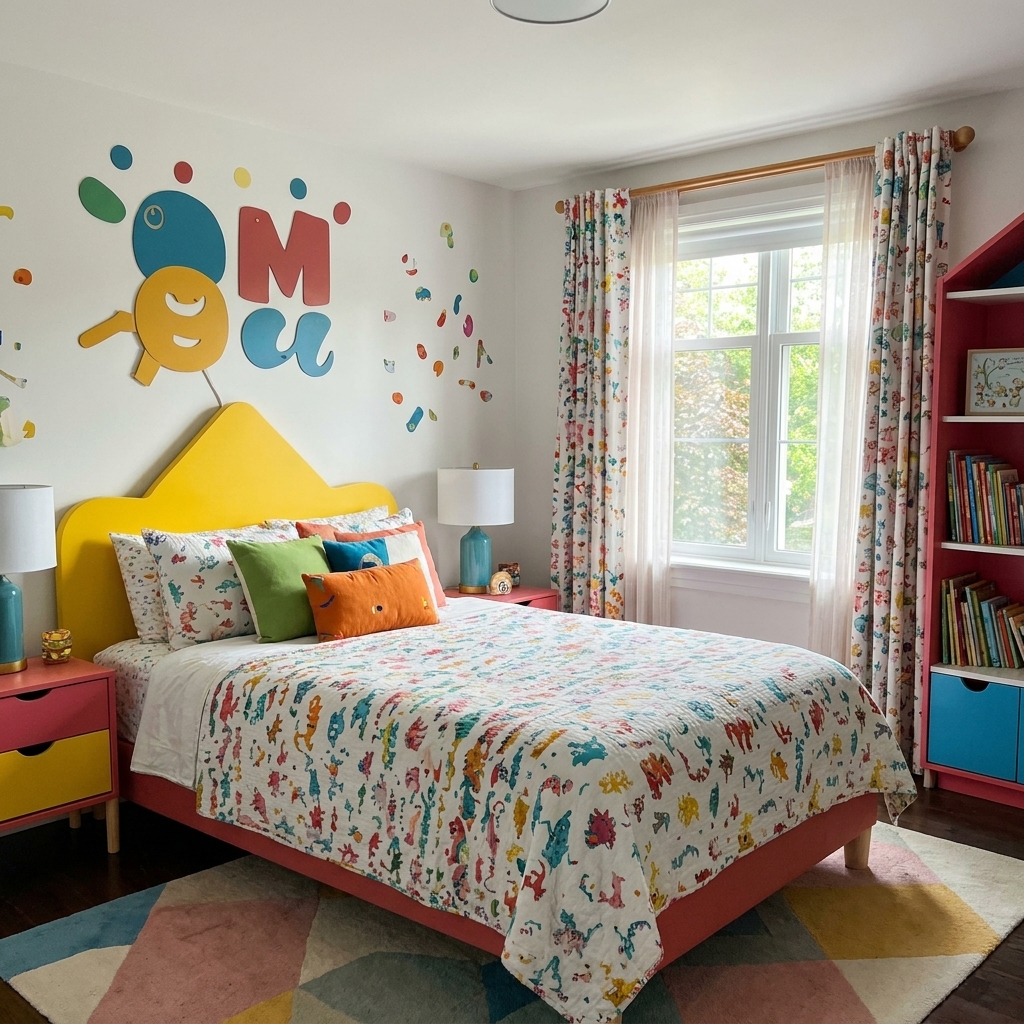
Creating the perfect bedroom for a child is about much more than choosing cute furniture or colorful paint. A well-designed children’s room should provide a safe environment for rest, encourage creativity during play, support learning, and adapt as your child grows. The ideal space balances style with functionality, offering children a place where they can sleep comfortably, play freely, study effectively, and express their personalities.
Whether you’re decorating a nursery, refreshing a preschooler’s room, or redesigning a bedroom for an older child, thoughtful planning makes all the difference. This guide explores practical decorating ideas, safety tips, storage solutions, color inspiration, and budget-friendly advice to help you create a room your child will love for years.
Quick Overview
| Feature | Details |
| Topic | Decorating Children’s Rooms |
| Purpose | Create a safe, functional, and inspiring bedroom |
| Suitable For | Babies, toddlers, preschoolers, and school-age children |
| Main Design Goals | Comfort, creativity, organization, and safety |
| Essential Elements | Furniture, storage, lighting, colors, décor, and play areas |
| Budget Options | Low, medium, and high budgets |
| Difficulty Level | Easy to Moderate |
| Estimated Time | One weekend to several weeks depending on the project |
Why Decorating Children’s Rooms Matters
A child’s bedroom serves many purposes throughout the day. It becomes a sleeping area at night, a playroom during the day, a reading corner in the afternoon, and often a homework station as children grow older. Because of these changing functions, decorating children’s rooms requires careful planning rather than simply selecting attractive decorations.
A thoughtfully designed room can improve sleep quality, reduce clutter, encourage independence, and stimulate imagination. When children participate in decorating their own rooms, they also develop confidence and a sense of responsibility for their personal space.
Start with a Clear Plan
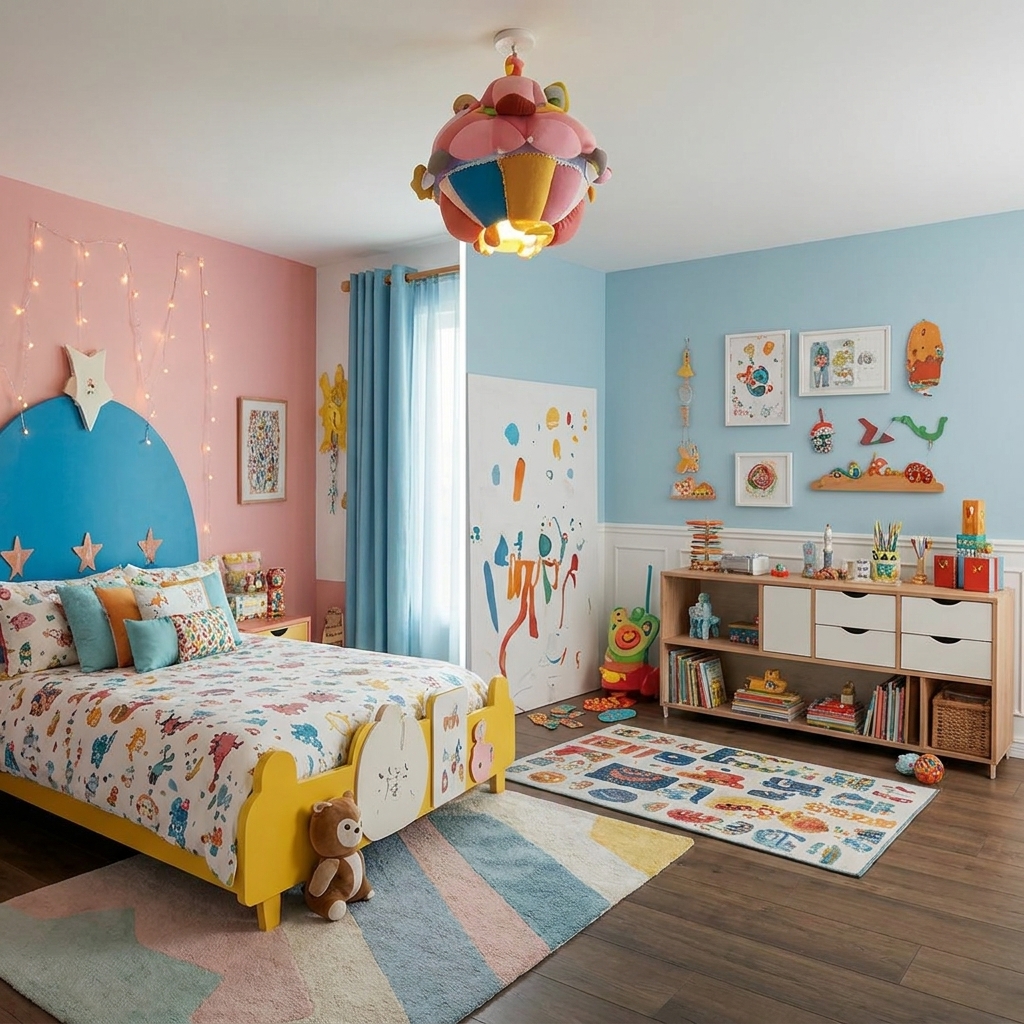
Before purchasing furniture or decorations, take measurements of the room and consider its natural lighting. Think about your child’s current needs while also planning for future growth.
Ask yourself questions such as:
- How old is the child?
- Does the room need a study area?
- Is there enough storage?
- Will the furniture still be useful in five years?
- What activities happen most often in the room?
Having a clear plan prevents unnecessary spending and helps create a balanced layout.
Choosing the Right Color Palette
Color has a significant influence on mood and behavior. While bright colors are exciting, too many intense shades can make a room feel overwhelming.
Popular color choices include:
Soft Pastels
Pastel blue, mint green, blush pink, lavender, and pale yellow create calming environments ideal for younger children.
Neutral Colors
White, beige, gray, and cream provide timeless backgrounds that can easily be updated with colorful accessories.
Bold Accent Colors
Instead of painting every wall a vibrant color, consider using one accent wall decorated with murals, wallpaper, or geometric designs.
Popular combinations include:
- White and sage green
- Gray and mustard yellow
- Navy blue and white
- Pink and beige
- Mint green and coral
These combinations create cheerful yet balanced spaces.
Selecting Child-Friendly Furniture
Furniture should be safe, durable, and appropriately sized.
Essential furniture pieces include:
- Comfortable bed
- Mattress with proper support
- Wardrobe or closet
- Toy storage
- Bookshelf
- Desk and chair (for school-age children)
- Nightstand
- Reading chair or bean bag
Rounded furniture corners reduce injury risks, while sturdy construction ensures long-lasting use.
Creating Functional Zones
Even a small bedroom can serve multiple purposes by dividing it into activity zones.
Sleeping Zone
The bed should remain the room’s focal point. Soft bedding, comfortable pillows, blackout curtains, and gentle lighting encourage healthy sleep.
Play Zone
Young children benefit from an open floor area where they can safely play with toys and games.
Adding a soft rug provides comfort while protecting children from hard floors.
Learning Zone
School-age children need a quiet area for reading and homework.
A simple desk near a window provides natural lighting that reduces eye strain.
Reading Corner
A cozy corner with bookshelves, cushions, blankets, and warm lighting encourages reading every day.
Smart Storage Solutions
Children quickly accumulate toys, books, clothes, art supplies, and school materials.
Good storage solutions help maintain organization.
Useful ideas include:
- Under-bed storage drawers
- Toy bins
- Cube shelves
- Wall-mounted baskets
- Closet organizers
- Floating shelves
- Storage benches
- Labelled containers
Teaching children where items belong encourages independence and responsibility.
Decorating the Walls
Walls offer opportunities to personalize the room without occupying floor space.
Ideas include:
Wall Decals
Removable stickers featuring animals, stars, rainbows, planets, flowers, or favorite characters are easy to update.
Wallpaper
Feature wallpaper creates a striking accent wall while keeping the rest of the room simple.
Murals
Painted murals stimulate imagination and transform the room into magical worlds.
Popular themes include forests, oceans, mountains, castles, and outer space.
Children’s Artwork
Displaying children’s own artwork builds confidence while adding meaningful decoration.
Simple frames make rotating artwork easy.
Lighting Makes a Difference
Children’s rooms require several types of lighting.
Natural Light
Whenever possible, maximize daylight with light-colored curtains that allow sunshine inside.
Ceiling Lighting
General lighting should illuminate the entire room evenly.
Task Lighting
Desk lamps improve visibility during homework and reading.
Night Lights
Soft night lights help children who fear the dark without disturbing sleep.
Warm white lighting usually creates the most relaxing atmosphere.
Flooring Choices
Children spend considerable time on the floor.
Popular flooring options include:
- Hardwood
- Vinyl flooring
- Cork flooring
- Carpet tiles
- Foam play mats
- Large washable rugs
Choose surfaces that are easy to clean and comfortable for crawling or sitting.
Decorating with Themes
Themes make children’s rooms feel exciting while reflecting their interests.
Popular ideas include:
Space Adventure
Planets, rockets, stars, and astronaut decorations inspire curiosity about science.
Jungle Safari
Animal prints, green plants, and wooden furniture create an adventurous atmosphere.
Fairy Tale
Soft colors, castles, butterflies, and whimsical lighting create magical bedrooms.
Ocean Theme
Blue walls, sea creatures, boats, and shells provide calming coastal vibes.
Dinosaur World
Dinosaurs remain one of the most popular themes for young children.
Woodland Forest
Foxes, bears, owls, mushrooms, and trees create cozy natural environments.
Encouraging Creativity
Decorating children’s rooms should also support creativity.
Creative additions include:
- Chalkboard wall
- Whiteboard
- Art easel
- Craft table
- Musical instruments
- Display shelves for projects
- Building block station
Providing creative spaces encourages imagination every day.
Safety First
Safety should always come before appearance.
Important safety tips include:
- Secure furniture to walls.
- Cover electrical outlets.
- Avoid heavy decorations above beds.
- Use cordless blinds.
- Choose non-toxic paint.
- Keep small choking hazards away from young children.
- Install smoke detectors.
- Use slip-resistant rugs.
Regularly inspect furniture for loose screws or damaged parts.
Decorating on a Budget
Beautiful children’s rooms do not require expensive furniture.
Affordable decorating ideas include:
- Paint existing furniture.
- Make DIY wall art.
- Sew decorative pillow covers.
- Repurpose wooden crates as shelves.
- Buy second-hand furniture.
- Use peel-and-stick wallpaper.
- Frame printable artwork.
- Add colorful storage bins.
Small changes often create dramatic improvements.
Let Children Participate
Allowing children to help decorate gives them ownership of their rooms.
They can help choose:
- Bedding
- Wall colors
- Posters
- Rugs
- Lamps
- Decorative pillows
- Artwork
Providing limited choices helps children feel involved while keeping the overall design cohesive.
Keeping the Room Organized
Decorating is only the beginning. Maintaining organization ensures the room remains enjoyable.
Simple habits include:
- Making the bed each morning.
- Returning toys after play.
- Sorting clothes weekly.
- Rotating toys every few months.
- Donating unused items.
- Cleaning shelves regularly.
An organized room supports concentration and reduces stress.
Decorating for Different Ages
Babies
Focus on safety, calming colors, blackout curtains, and comfortable feeding chairs.
Toddlers
Choose durable furniture, low shelves, washable walls, and safe play areas.
Preschoolers
Add imaginative themes, craft spaces, and accessible toy storage.
School-Age Children
Include desks, bookshelves, educational decorations, and larger storage solutions.
Teenagers
Allow more personal expression through colors, artwork, and furniture choices while maintaining organization.
Eco-Friendly Decorating
Sustainable decorating benefits both children and the environment.
Eco-friendly ideas include:
- Wooden furniture from sustainable sources
- Organic cotton bedding
- LED lighting
- Low-VOC paint
- Bamboo storage baskets
- Recycled decorations
- Second-hand furniture
These choices improve indoor air quality while reducing environmental impact.
Final Thoughts
Decorating children’s rooms is an exciting opportunity to create a space where children can learn, dream, play, and grow. A successful design combines safety, comfort, creativity, and organization while reflecting each child’s unique personality. By selecting practical furniture, using thoughtful color palettes, maximizing storage, and encouraging children’s involvement, parents can create bedrooms that remain functional and inspiring through every stage of childhood.
Remember that the perfect children’s room is not necessarily the most expensive or the trendiest. Instead, it is a room filled with warmth, love, imagination, and thoughtful details that make children feel happy, secure, and truly at home. With careful planning and a little creativity, any bedroom can become a place where wonderful childhood memories are made.
