
Popsicle stick art is one of the most enjoyable and affordable craft activities for children and families. With just a handful of wooden craft sticks, glue, paint, and a little imagination, it is possible to create countless projects ranging from simple picture frames to miniature houses, airplanes, animals, and holiday decorations. This creative hobby not only provides hours of entertainment but also helps children develop essential skills such as fine motor coordination, problem-solving, creativity, patience, and concentration.
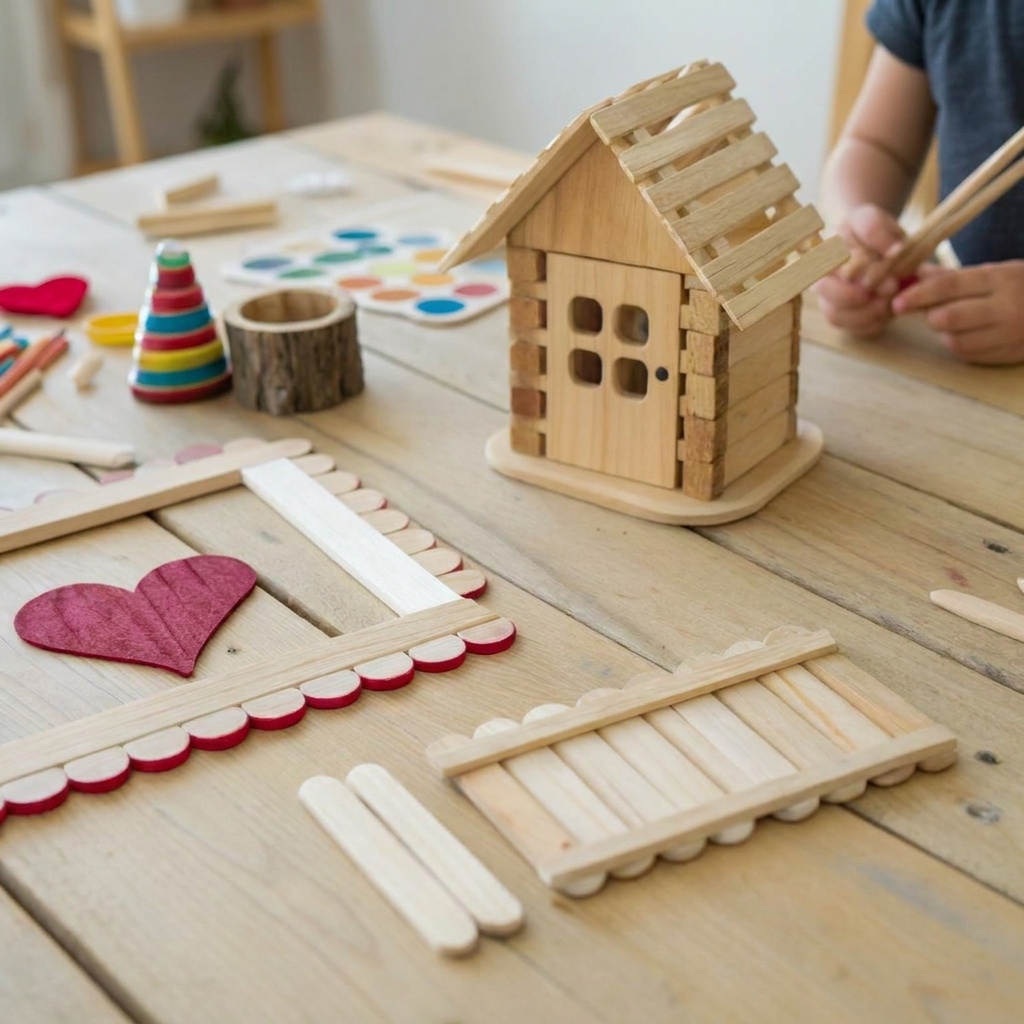
Unlike many expensive craft activities, popsicle stick art requires only inexpensive materials that are widely available in craft stores or can even be recycled from used popsicle sticks after proper cleaning. Because of its simplicity and versatility, it has become a favorite activity in homes, schools, summer camps, and community centers around the world.
Quick Overview
| Feature | Details |
| Topic | Popsicle Stick Art |
| Craft Type | DIY Arts and Crafts |
| Suitable Age | 3 years and above (with adult supervision for younger children) |
| Difficulty Level | Beginner to Advanced |
| Materials Needed | Popsicle sticks, glue, paint, markers, scissors, decorations |
| Benefits | Creativity, fine motor skills, problem-solving, patience, and imagination |
| Average Project Time | 20–90 minutes |
| Best For | Home activities, classrooms, summer camps, holiday crafts, and family projects |
Introduction
Popsicle stick art has become one of the most popular do-it-yourself (DIY) craft activities for children and adults alike. These simple wooden sticks, originally designed to hold frozen treats, have found a second life as one of the most versatile crafting materials available. Their lightweight design, smooth surface, and uniform size make them perfect for creating both decorative and functional projects.
Crafting with popsicle sticks encourages people to think creatively while using inexpensive materials. Whether building a miniature bridge, designing colorful wall decorations, making puppets, or constructing a toy house, every project provides opportunities to learn new artistic techniques and engineering concepts.
One of the greatest advantages of popsicle stick art is that it requires very little experience. Beginners can start with simple flat designs, while experienced crafters can create impressive three-dimensional structures with intricate details.
The History of Popsicle Stick Crafts
Although popsicle sticks were originally created for frozen desserts in the early twentieth century, people quickly realized their crafting potential. Teachers began using them in classrooms because they were inexpensive, safe, and easy for children to handle.
Over the decades, popsicle stick crafts became common in schools, scout groups, libraries, and family activity programs. Today, social media platforms, craft blogs, and online tutorials have inspired millions of people to experiment with increasingly creative designs.
Why Popsicle Stick Art Is So Popular
Several factors explain why popsicle stick crafts continue to grow in popularity.
First, the materials are inexpensive. A large package of craft sticks costs very little and can produce dozens of projects.
Second, the possibilities are nearly endless. A simple stick can become part of an airplane, castle, flower, animal, ornament, or bridge.
Third, the projects are suitable for nearly every age group. Young children can glue sticks together into simple shapes, while older children and adults can build detailed architectural models.
Finally, crafting brings families together by encouraging teamwork and shared creativity.
Materials Needed
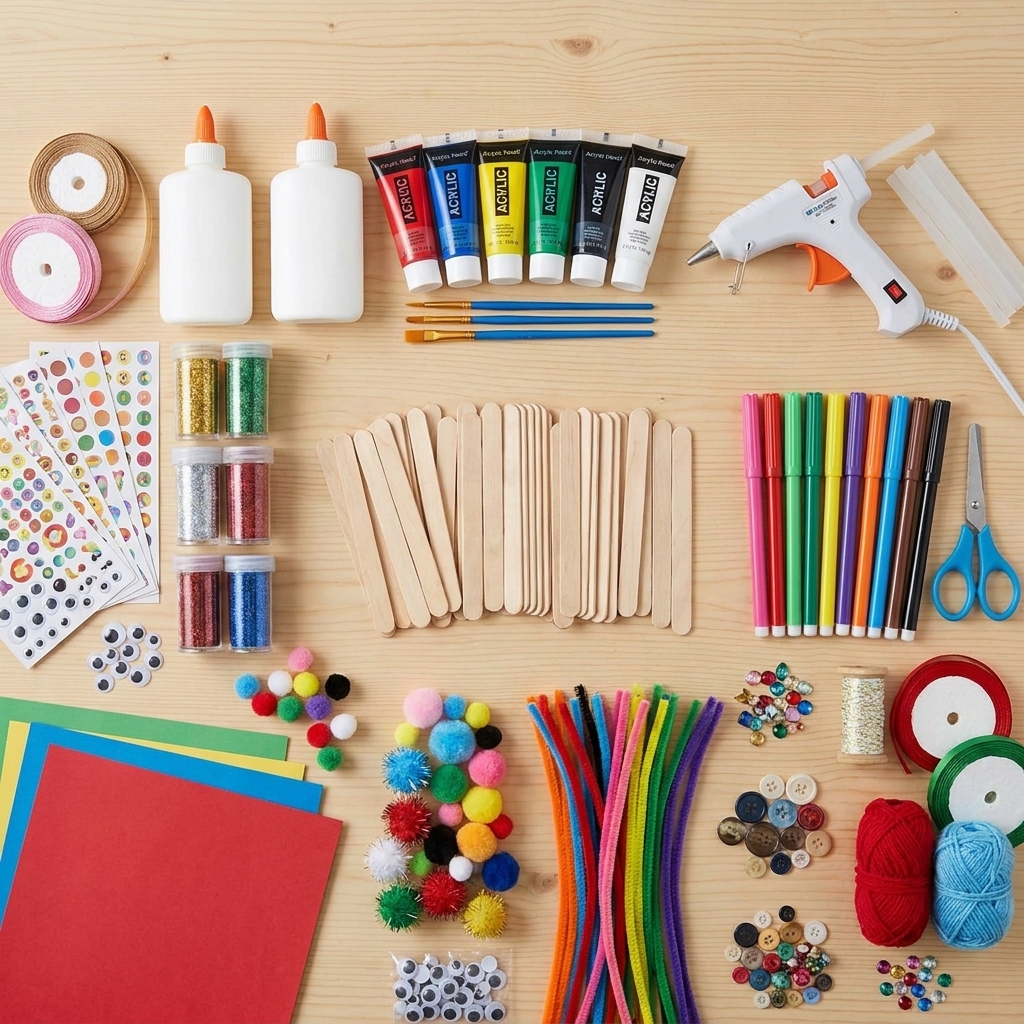
Most popsicle stick projects require only a few basic supplies.
Common materials include:
- Wooden popsicle sticks
- White craft glue
- Hot glue gun (adult use only)
- Acrylic paint
- Paintbrushes
- Colored markers
- Scissors
- Glitter
- Stickers
- Googly eyes
- Pom-poms
- Pipe cleaners
- Construction paper
- Ribbon
- Yarn
- Buttons
- Decorative beads
- Small gems
These supplies allow crafters to personalize every project.
Preparing the Popsicle Sticks
Before beginning a project, inspect the sticks for rough edges or splinters. Light sanding can smooth any imperfections.
If using recycled popsicle sticks, wash them thoroughly with warm soapy water and allow them to dry completely before crafting.
Organizing sticks by size and color also makes projects easier to complete.
Easy Popsicle Stick Projects
Beginners can start with simple designs.
Popular beginner projects include:
Picture Frames
Glue four sticks into a square or rectangle and decorate with paint, glitter, or stickers.
Bookmarks
Paint individual sticks with colorful patterns, inspirational quotes, or cartoon characters.
Name Signs
Arrange sticks into signs displaying children’s names for bedroom doors.
Pencil Holders
Glue sticks around a recycled cardboard tube or empty can to create decorative desk organizers.
These projects build confidence before attempting more advanced creations.
Intermediate Craft Ideas
After mastering simple projects, crafters can explore more challenging designs.
Examples include:
- Birdhouses
- Toy airplanes
- Windmills
- Flower baskets
- Small fences
- Mini bridges
- Decorative boxes
- Treasure chests
- Lanterns
- Toy boats
These projects require careful measuring and stronger construction techniques.
Advanced Popsicle Stick Art
Experienced crafters often create impressive three-dimensional models.
Examples include:
- Dollhouses
- Log cabins
- Castles
- Ferris wheels
- Suspension bridges
- Treehouses
- Miniature furniture
- Windmills with moving blades
- Model churches
- Decorative lamps
These larger projects may take several days or even weeks to complete.
Painting Techniques
Painting adds personality to every creation.
Popular methods include:
Solid Colors
Bright colors create cheerful children’s crafts.
Ombre Effects
Gradually blending colors creates modern decorative designs.
Wood Stain
Natural wood stains preserve the rustic appearance.
Patterns
Polka dots, stripes, flowers, and geometric designs make projects unique.
Character Painting
Children enjoy transforming sticks into animals, superheroes, or fairy tale characters.
Applying a clear protective coating helps preserve painted surfaces.
Educational Benefits
Popsicle stick art offers many educational advantages.
Children improve:
- Fine motor skills
- Hand-eye coordination
- Creativity
- Spatial awareness
- Problem-solving
- Concentration
- Patience
- Planning abilities
Teachers often integrate popsicle stick projects into science, engineering, mathematics, and art lessons.
Learning Through Building
Constructing with popsicle sticks introduces children to basic engineering concepts.
They learn about:
- Balance
- Stability
- Weight distribution
- Geometry
- Symmetry
- Structural strength
Bridge-building competitions are especially popular in classrooms because they combine creativity with scientific thinking.
Seasonal Popsicle Stick Crafts
Craft projects can celebrate every season.
Spring
- Flowers
- Butterflies
- Bees
- Bird nests
Summer
- Ice cream decorations
- Sunshine ornaments
- Beach huts
- Palm trees
Autumn
- Pumpkins
- Leaves
- Scarecrows
- Woodland animals
Winter
- Snowflakes
- Snowmen
- Reindeer
- Christmas trees
- Stars
- Holiday ornaments
Seasonal projects make excellent classroom decorations.
Holiday Decorations
Many holidays inspire popsicle stick crafts.
Examples include:
- Valentine’s Day hearts
- Easter baskets
- Halloween haunted houses
- Thanksgiving turkeys
- Christmas ornaments
- New Year’s decorations
These projects become meaningful handmade keepsakes.
Classroom Activities
Teachers appreciate popsicle stick art because it supports multiple learning objectives.
Classroom uses include:
- Alphabet letters
- Number games
- Storytelling puppets
- Science models
- Geography maps
- Math manipulatives
- Reading pointers
Students enjoy learning while creating something with their hands.
Family Bonding
Crafting together strengthens family relationships.
Parents and children share ideas, solve problems, and celebrate completed projects together.
Weekend crafting sessions encourage conversation while reducing screen time.
Many finished creations also become treasured family memories.
Environmental Benefits
Popsicle stick art encourages recycling and sustainable living.
Instead of throwing away wooden sticks, families can reuse them creatively.
Additional recycled materials often included in projects are:
- Cardboard
- Bottle caps
- Egg cartons
- Fabric scraps
- Paper rolls
- Plastic containers
Teaching children to reuse materials helps develop environmentally responsible habits.
Organizing Craft Supplies
Keeping materials organized makes crafting easier.
Useful storage solutions include:
- Plastic containers
- Small drawers
- Mason jars
- Zip-top bags
- Rolling craft carts
- Labelled bins
An organized workspace also reduces cleanup time.
Safety Tips
Although popsicle stick crafts are generally safe, a few precautions are important.
Always:
- Supervise young children.
- Use child-safe scissors.
- Keep hot glue guns away from small children.
- Avoid sharp tools unless supervised.
- Clean up spilled glue immediately.
- Store supplies safely after use.
Safety ensures that crafting remains enjoyable for everyone.
Budget-Friendly Creativity
One of the greatest strengths of popsicle stick art is affordability.
Many beautiful projects cost only a few dollars to make.
Buying supplies in bulk further reduces expenses, making popsicle stick crafts an excellent choice for classrooms and community organizations.
Even simple decorations can look professional with careful painting and attention to detail.
Tips for Better Results
To improve every project:
- Measure carefully before gluing.
- Allow glue to dry completely.
- Paint before assembly when appropriate.
- Use a flat surface for construction.
- Sketch ideas first.
- Experiment with different layouts.
- Add decorative details gradually.
- Practice patience.
Small improvements lead to stronger, more attractive creations.
Inspiring Creativity
There are no limits to what can be made from popsicle sticks.
Children can invent original animals, fantasy castles, robots, race cars, or futuristic cities.
Adults often create elegant home decorations, jewelry organizers, plant holders, and seasonal centerpieces.
The joy comes not only from the finished project but also from the creative process itself.
Conclusion
Popsicle stick art is much more than a simple craft activity. It is an engaging way to encourage imagination, develop practical skills, strengthen family relationships, and introduce children to artistic and engineering concepts. Using inexpensive materials, people of all ages can create beautiful projects that combine creativity with hands-on learning.
Whether making a colorful picture frame, a miniature bridge, a decorative birdhouse, or an elaborate dollhouse, every popsicle stick project provides valuable opportunities to learn, experiment, and express creativity. With a little patience and imagination, ordinary wooden sticks can be transformed into extraordinary works of art that inspire pride, confidence, and countless hours of enjoyable crafting
