
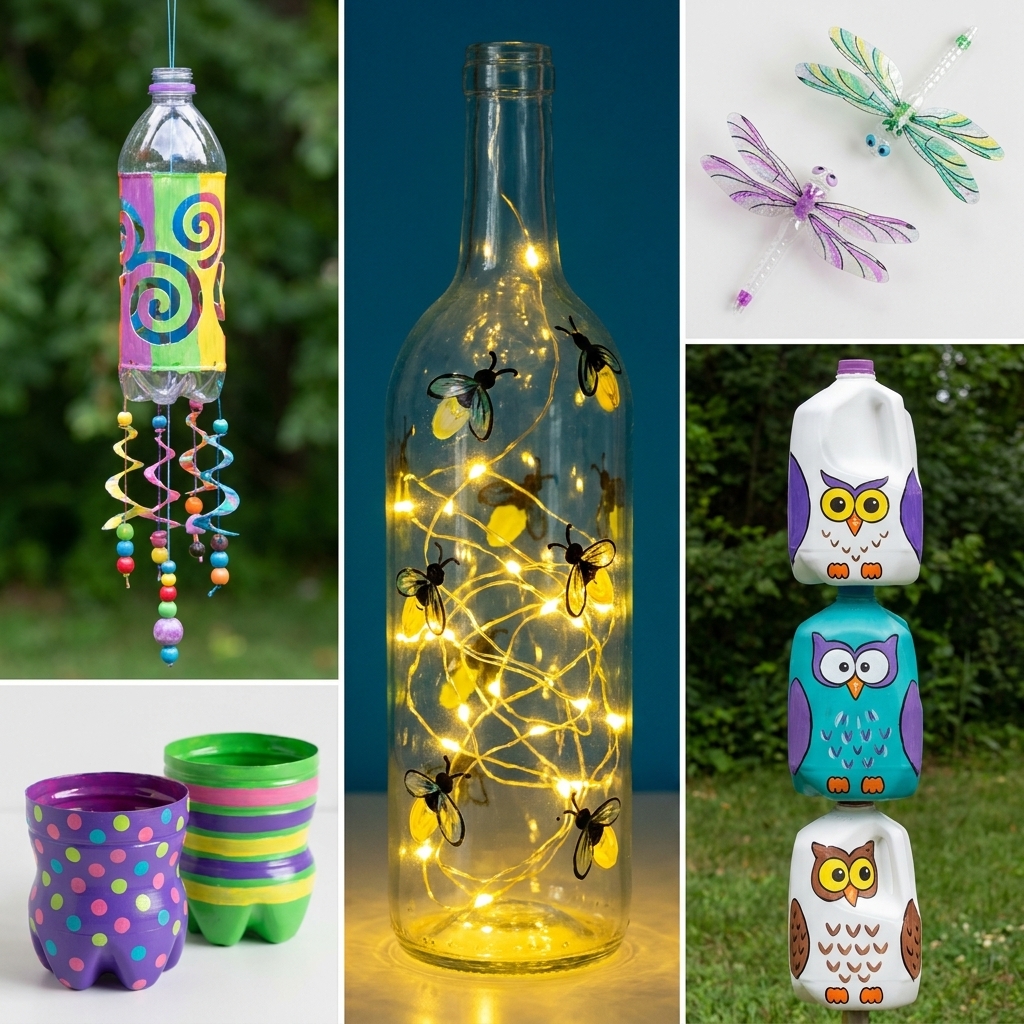
Plastic bottles are among the most commonly used products in the world. Every day, millions of people purchase bottled water, soft drinks, juices, and household products packaged in plastic containers. While these bottles offer convenience and durability, they also contribute significantly to environmental pollution when they are not disposed of properly. Recycling plastic bottles is one of the simplest yet most effective ways to reduce waste, conserve natural resources, and protect our planet for future generations.
In addition to helping the environment, recycling plastic bottles encourages creativity and sustainability. Many people transform used bottles into useful household items, garden decorations, storage containers, and educational crafts for children. Whether through industrial recycling or creative reuse, every plastic bottle that avoids ending up in a landfill or the ocean makes a positive difference.
Quick Overview
| Feature | Details |
| Topic | Recycling Plastic Bottles |
| Purpose | Reduce waste and protect the environment |
| Suitable For | Families, schools, communities, and environmental programs |
| Main Benefits | Reduces pollution, conserves resources, saves energy, and encourages creativity |
| Common Materials | PET and HDPE plastic bottles |
| Recycling Methods | Collection, sorting, cleaning, shredding, melting, and remanufacturing |
| DIY Reuse Ideas | Planters, bird feeders, organizers, toys, and home décor |
| Difficulty Level | Easy for household reuse; Moderate for industrial recycling |
Introduction
Plastic bottles have become an essential part of modern life because they are lightweight, inexpensive, durable, and easy to transport. From bottled water and soft drinks to cleaning products and personal care items, plastic containers are everywhere. However, this convenience comes with a serious environmental cost. Millions of plastic bottles are thrown away every day, and many are never recycled. Instead, they end up in landfills, rivers, forests, and oceans, where they can remain for hundreds of years before breaking down.
Recycling plastic bottles is one of the most practical solutions to this growing problem. It reduces the amount of waste entering the environment, conserves valuable natural resources, lowers energy consumption, and decreases greenhouse gas emissions. Recycling also creates jobs, supports the circular economy, and encourages people to think more responsibly about the products they use.
Beyond industrial recycling, plastic bottles can also be reused creatively in homes, schools, and communities. Craft projects, gardening tools, and storage solutions demonstrate that what is often considered waste can become something useful and beautiful.
Understanding Plastic Bottles
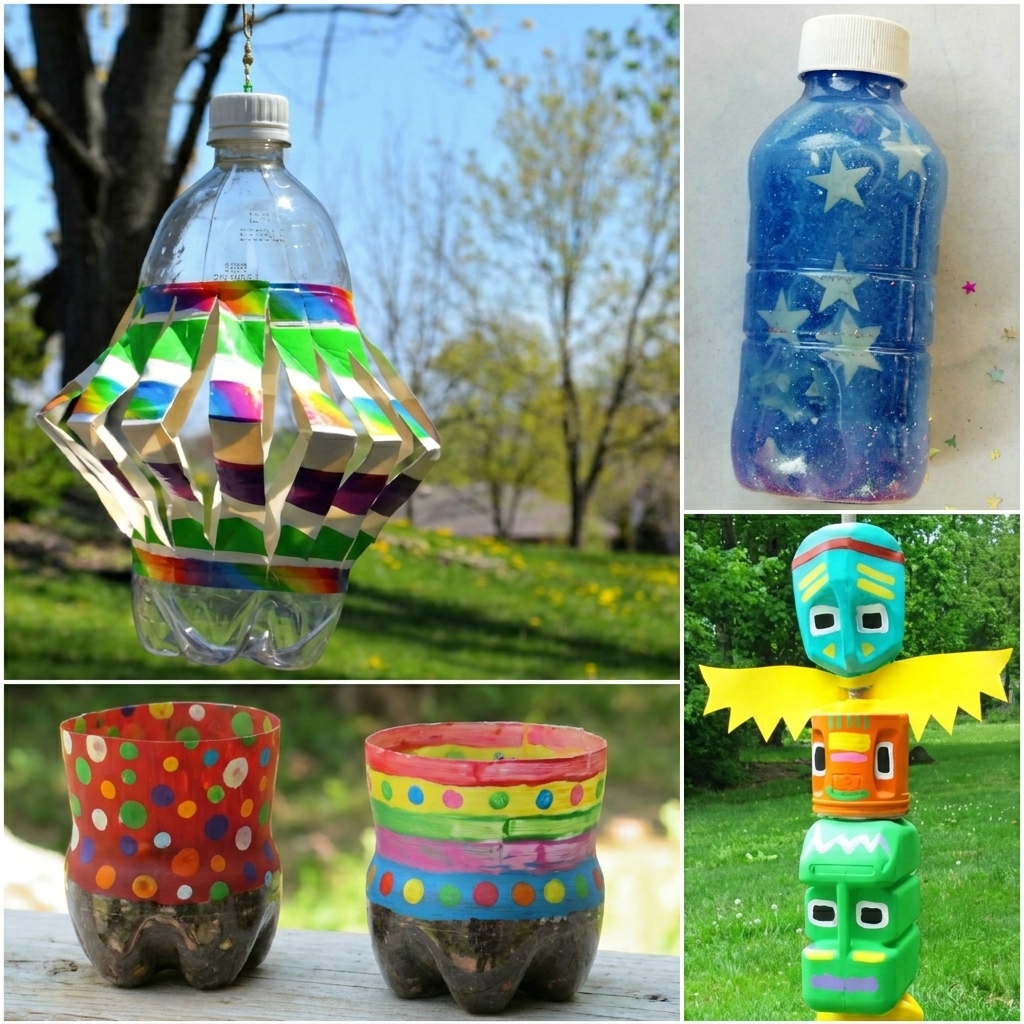
Not all plastic bottles are made from the same material. Different types of plastic have different properties and recycling processes.
The most common types include:
PET (Polyethylene Terephthalate)
PET is used for most water bottles, soda bottles, and juice containers. It is lightweight, transparent, durable, and one of the most widely recycled plastics.
HDPE (High-Density Polyethylene)
HDPE is commonly found in milk jugs, detergent bottles, shampoo containers, and cleaning product bottles. It is strong, resistant to chemicals, and highly recyclable.
Understanding the type of plastic helps recycling facilities process materials more efficiently.
Why Recycling Plastic Bottles Is Important
Recycling plastic bottles benefits both people and the environment in many ways.
Reduces Landfill Waste
Plastic bottles occupy valuable landfill space because they decompose very slowly. Recycling keeps these materials in use instead of allowing them to accumulate as waste.
Protects Wildlife
Animals often mistake plastic waste for food or become trapped in discarded bottles and packaging. Recycling helps reduce the amount of plastic entering natural habitats.
Conserves Natural Resources
Manufacturing new plastic requires petroleum and natural gas. Recycling existing plastic reduces the demand for these limited resources.
Saves Energy
Producing products from recycled plastic generally uses less energy than manufacturing them from raw materials.
Reduces Pollution
Recycling decreases air pollution, water pollution, and greenhouse gas emissions associated with plastic production and waste disposal.
The Plastic Bottle Recycling Process
Industrial recycling involves several important steps.
Collection
Plastic bottles are collected through curbside recycling programs, recycling centers, schools, businesses, and community events.
Sorting
Workers and automated machines separate bottles according to their plastic type, color, and quality.
Cleaning
Labels, caps, dirt, food residue, and adhesives are removed to ensure high-quality recycled material.
Shredding
Clean bottles are chopped into small plastic flakes.
Washing Again
The flakes are thoroughly cleaned to remove any remaining contaminants.
Melting and Pelletizing
The clean plastic is melted and formed into tiny pellets, which serve as raw material for manufacturing new products.
Manufacturing New Products
Recycled plastic pellets can be transformed into new bottles, clothing fibers, carpets, packaging materials, outdoor furniture, containers, and many other useful products.
Everyday Ways to Recycle Plastic Bottles
Individuals can contribute by adopting simple habits.
These include:
- Using recycling bins.
- Rinsing bottles before recycling.
- Removing excess liquid.
- Following local recycling guidelines.
- Compressing bottles to save space when appropriate.
- Participating in community recycling events.
Small daily actions collectively make a significant impact.
Creative Ways to Reuse Plastic Bottles
Before recycling, many bottles can enjoy a second life through creative reuse.
Plant Pots
Cut plastic bottles in half to create containers for flowers, herbs, or vegetables.
Bird Feeders
Simple openings can be cut into bottles to provide food for garden birds.
Pencil Holders
Decorated bottles become colorful organizers for desks and classrooms.
Toy Storage
Large bottles can hold small toys, building blocks, or craft supplies.
Watering Cans
A few holes in the cap create an effective watering tool for gardens.
Piggy Banks
Children enjoy decorating bottles to save coins while learning about money management.
Hanging Gardens
Multiple bottles can be suspended vertically to grow herbs or decorative plants.
Decorative Lanterns
Painted bottles combined with LED lights create attractive outdoor decorations.
These projects encourage creativity while reducing waste.
Educational Benefits for Children
Teaching children about recycling develops lifelong environmental responsibility.
Plastic bottle projects help children learn about:
- Environmental protection
- Conservation
- Creativity
- Engineering
- Problem-solving
- Responsibility
- Sustainable living
Schools often combine recycling lessons with hands-on craft activities to make learning enjoyable.
Recycling in Schools
Many schools organize recycling initiatives that involve students directly.
Examples include:
- Classroom recycling bins
- Recycling competitions
- Art projects using recycled materials
- Environmental awareness campaigns
- Garden projects with reused bottles
- Science experiments about waste management
These activities encourage teamwork while promoting environmental awareness.
The Environmental Impact of Plastic Pollution
Plastic pollution affects ecosystems worldwide.
Plastic waste can:
- Pollute oceans
- Harm marine animals
- Block waterways
- Damage forests
- Contaminate soil
- Break down into microplastics
Microplastics are tiny plastic particles that enter rivers, oceans, and even the food chain, affecting both wildlife and human health.
Reducing plastic waste through recycling helps minimize these long-term environmental challenges.
The Circular Economy
Recycling supports the concept of a circular economy.
Instead of producing, using, and discarding products, materials remain in continuous use through recycling and remanufacturing.
This approach reduces waste, conserves resources, and creates more sustainable production systems.
Plastic bottles that once contained water may eventually become clothing, park benches, reusable containers, or new beverage bottles.
Challenges in Plastic Bottle Recycling
Although recycling has many benefits, several obstacles remain.
Challenges include:
- Improper sorting
- Contamination from food or liquids
- Limited recycling facilities
- Public misunderstanding of recycling rules
- Transportation costs
- Mixed plastic materials
Improving education and recycling infrastructure can help overcome these challenges.
How Families Can Reduce Plastic Waste
In addition to recycling, families can reduce plastic consumption.
Helpful habits include:
- Using reusable water bottles.
- Carrying reusable shopping bags.
- Buying products with minimal packaging.
- Choosing refillable containers.
- Purchasing beverages in larger containers instead of many small bottles.
- Supporting companies with sustainable packaging.
Reducing plastic use is even more effective than recycling alone.
Community Recycling Programs
Communities play an important role in successful recycling systems.
Local governments can support recycling through:
- Convenient collection services
- Public education campaigns
- Community clean-up events
- Deposit-return systems
- Recycling incentives
- Partnerships with schools and businesses
Strong community involvement increases recycling rates significantly.
Careers in Recycling
The recycling industry creates thousands of jobs worldwide.
Career opportunities include:
- Environmental engineering
- Waste management
- Recycling plant operations
- Sustainability consulting
- Environmental education
- Product design
- Research and development
As environmental awareness grows, these careers become increasingly important.
Tips for Successful Recycling
To recycle effectively:
- Empty bottles completely.
- Rinse away food or drink residue.
- Follow local recycling rules.
- Separate recyclable materials correctly.
- Avoid placing non-recyclable items in recycling bins.
- Encourage family members to participate.
Consistency makes recycling a daily habit.
Inspiring Future Generations
Children who learn about recycling often become environmentally responsible adults.
Simple household habits can inspire lasting change.
Parents and teachers can encourage environmental stewardship by involving children in:
- Recycling routines
- DIY craft projects
- Community clean-ups
- Gardening with recycled containers
- Nature conservation activities
Positive experiences help children understand that their actions matter.
Conclusion
Recycling plastic bottles is one of the simplest yet most powerful actions individuals can take to protect the environment. Every bottle that is recycled instead of discarded helps reduce pollution, conserve natural resources, save energy, and protect wildlife. Industrial recycling transforms used bottles into valuable new products, while creative reuse inspires innovation and reduces waste at home.
Although plastic pollution remains a global challenge, collective efforts by individuals, families, schools, businesses, and governments can make a meaningful difference. By recycling responsibly, reducing unnecessary plastic consumption, and encouraging others to adopt sustainable habits, we contribute to a cleaner, healthier, and more sustainable world.
Every recycled bottle represents an opportunity—not just to reduce waste, but to build a future where resources are valued, creativity is encouraged, and environmental responsibility becomes a way of life. Small actions taken every day can lead to significant positive change, proving that everyone has a role to play in protecting our planet.
