
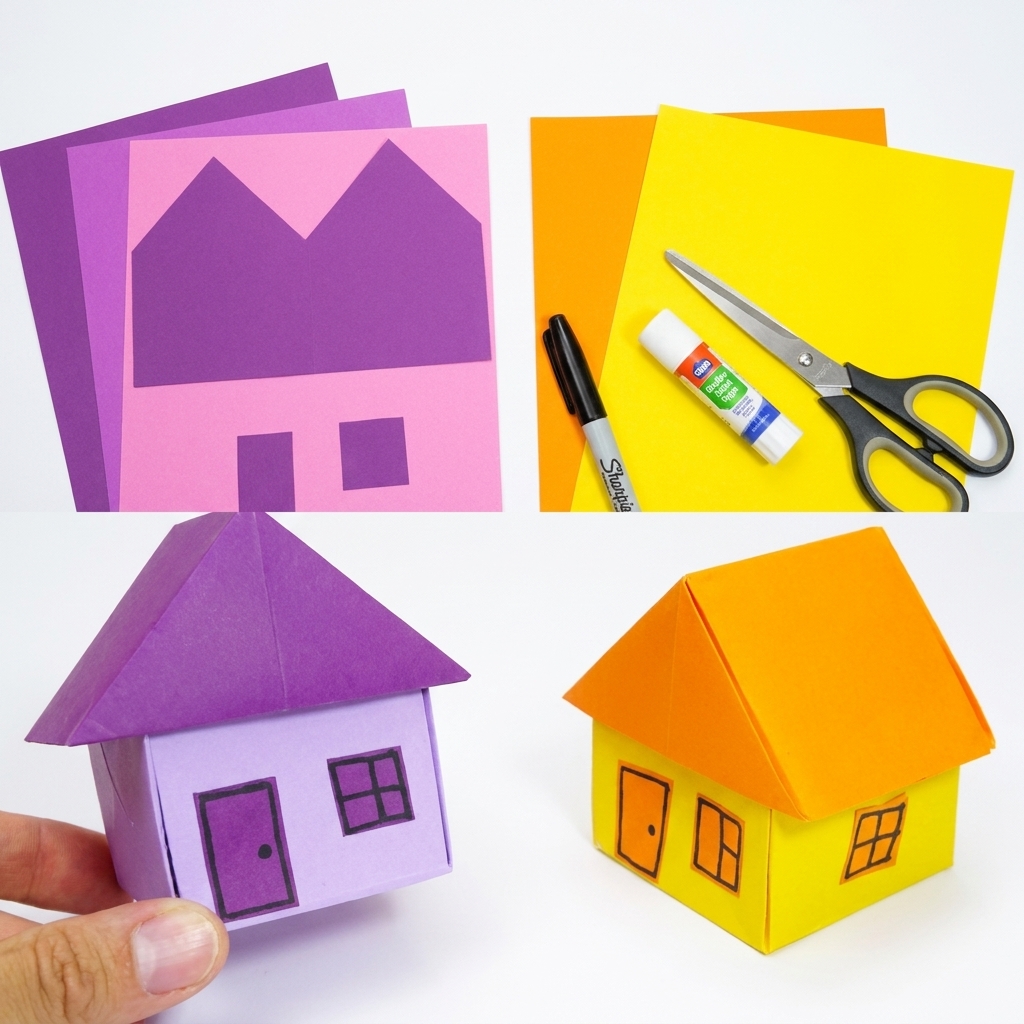
Designing a windproof house made of paper is one of the most creative and educational STEM activities for children. At first glance, paper may seem too fragile to build anything strong. It tears easily, bends quickly, and seems unable to withstand even a small breeze. Yet this is exactly what makes the project so exciting for kids.
Children are naturally curious about how structures stand, fall, and resist forces like wind. When they discover that they can design a house using paper that actually withstands airflow or fan-generated wind, their excitement grows instantly. It feels like a real engineering challenge disguised as a fun craft project.
This activity combines science, architecture, creativity, and problem-solving in one engaging experience. It teaches kids that strength is not just about materials—it is also about design, structure, and smart thinking.
In this essay, we will explore why children love this project, how it works, and the educational benefits it provides.
Quick Overview Table
| Feature | Details |
| Project Name | Designing a Windproof House Made of Paper |
| Activity Type | STEM + Engineering Craft |
| Difficulty Level | Easy to Moderate |
| Age Group | 6–13 Years |
| Time Required | 1–2 Hours |
| Main Materials | Paper, cardboard, tape, glue, scissors |
| Learning Focus | Physics, Engineering, Wind Resistance |
| Skills Developed | Problem-solving, design thinking |
| Cost | Very Low |
| Fun Level | High |
What Does Designing a Windproof House Made of Paper Mean?
Designing a windproof house made of paper means creating a model house that can resist airflow or simulated wind using fans or natural breeze. The goal is not just to build a house, but to design a structure that stays stable under pressure.
Children use basic materials like paper and cardboard to construct walls, roofs, and foundations. Then they test how well their design holds up when exposed to wind.
The challenge encourages them to think like engineers: how can something lightweight become stable?
Why Kids Love Designing a Windproof House Made of Paper
1. It Turns Paper into Something Strong
Children are often surprised when they realize that paper, something they use for drawing and writing, can become part of a strong structure.
When they build walls, fold roofs, or reinforce corners, they see transformation in real time.
This “magic effect” of turning something weak into something strong creates excitement and motivation.
Kids love experiments where the result feels unexpected.
2. It Feels Like a Real Engineering Challenge
This activity gives children the feeling that they are real engineers solving real problems.
They must think about:
- Structure stability
- Balance and weight distribution
- Wind direction
- Reinforcement techniques
Each attempt becomes a mini engineering experiment.
If the house falls, they try again with improvements. This cycle of testing and redesigning is exactly how real engineers work.
3. It Encourages Creativity and Design Freedom
There is no single correct design for a windproof paper house. This freedom allows children to experiment with different shapes and styles.
Some may build:
- Square houses
- Dome-shaped structures
- Tall towers
- Compact shelters
They can also decorate their houses with:
- Colors
- Windows
- Doors
- Roof patterns
Every child creates something unique, which makes the experience more personal and enjoyable.
4. It Teaches Real Physics in a Simple Way
One of the most powerful aspects of designing a windproof house made of paper is the introduction to basic physics concepts.
Children learn about:
- Air pressure
- Wind force
- Structural stability
- Resistance and balance
Instead of reading complex definitions, they see these concepts in action.
When a house collapses in the wind, they understand why it happened. When it survives, they understand what worked.
This hands-on learning is more effective than traditional methods.
5. It Builds Problem-Solving Skills
Not every design works on the first attempt. This is where real learning happens.
Children must:
- Identify weak points
- Reinforce structures
- Change shapes
- Improve materials
- Test again
This process teaches persistence and analytical thinking.
They learn that failure is part of success and improvement comes through experimentation.
Materials Needed
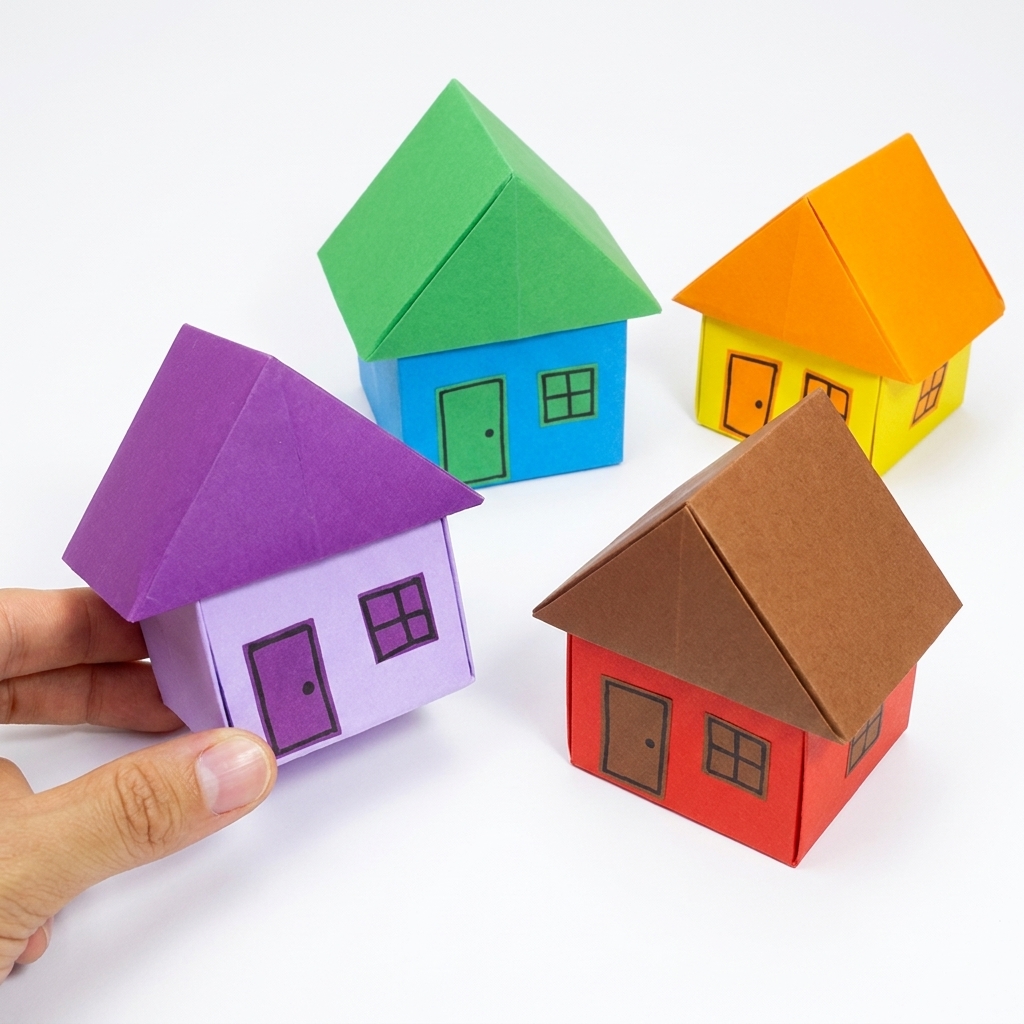
One of the best parts of this project is that it requires simple, everyday materials.
- Paper sheets
- Cardboard
- Glue or tape
- Scissors
- Ruler
- Straws (optional reinforcement)
- Small fan or natural wind source
These materials are inexpensive and easily available at home or school.
Step-by-Step Process
Step 1: Plan the House Design
Children start by sketching a simple house design.
They decide:
- Shape
- Size
- Number of floors
- Roof type
Planning helps them think like architects.
Step 2: Build the Structure
Using paper and cardboard, they construct walls and base structures.
Folding techniques are often used to increase strength.
Step 3: Reinforce Weak Areas
Corners and joints are strengthened using tape, extra paper layers, or straws.
This introduces engineering reinforcement concepts.
Step 4: Design the Roof
The roof is crucial for wind resistance.
Children experiment with:
- Flat roofs
- Slanted roofs
- Dome shapes
Step 5: Test with Wind
A fan or natural breeze is used to test stability.
Children observe how their structure reacts.
Step 6: Improve the Design
Based on results, they modify and rebuild parts of the house.
Educational Benefits
STEM Learning
This project integrates STEM in a natural way:
- Science: wind force and air movement
- Technology: building techniques
- Engineering: structure design
- Mathematics: measurement and proportions
Critical Thinking
Children analyze problems and make design decisions based on observations.
Creativity
The open-ended nature of the activity encourages imagination and innovation.
Teamwork
When done in groups, children collaborate and share ideas.
Why Teachers Use This Activity
Teachers use designing a windproof house made of paper because it is:
- Easy to organize
- Low cost
- Highly educational
- Engaging for students
It fits well into lessons about:
- Physics
- Architecture
- Environmental science
- Engineering basics
Teachers can turn it into competitions or group challenges.
How Parents Can Help
Parents can enhance the experience by:
- Providing materials
- Asking guiding questions
- Encouraging redesign
- Helping test structures
Questions like “Why did it fall?” or “How can we improve it?” deepen learning.
Common Challenges and Solutions
House Collapses Easily
Add stronger reinforcement at corners and base.
Roof Falls Off
Use better attachment methods like tape or folded edges.
Wind Test Too Strong
Reduce fan speed or distance.
Structure Too Light
Add weight at the base for stability.
Creative Variations
Children can expand the project by creating:
- Skyscrapers
- Futuristic homes
- Eco-friendly paper villages
- Fantasy castles
Each variation adds excitement and creativity.
Long-Term Learning Impact
Designing a windproof house made of paper helps children develop:
- Engineering thinking
- Scientific curiosity
- Creativity
- Persistence
- Environmental awareness
These skills are valuable for future academic and career paths.
Children begin to understand that design and science are part of everyday life.
Conclusion
Designing a windproof house made of paper is more than a simple craft project—it is a powerful learning experience. It teaches children how structures work, how wind affects objects, and how design can improve strength and stability.
Kids love this activity because it is hands-on, creative, and full of experimentation. They enjoy building, testing, failing, and improving their designs. Each step feels like a real scientific discovery.
By turning simple paper into a wind-resistant house, children gain confidence, curiosity, and essential STEM skills. This is why designing a windproof house made of paper remains one of the most engaging and educational activities for young learners.
