
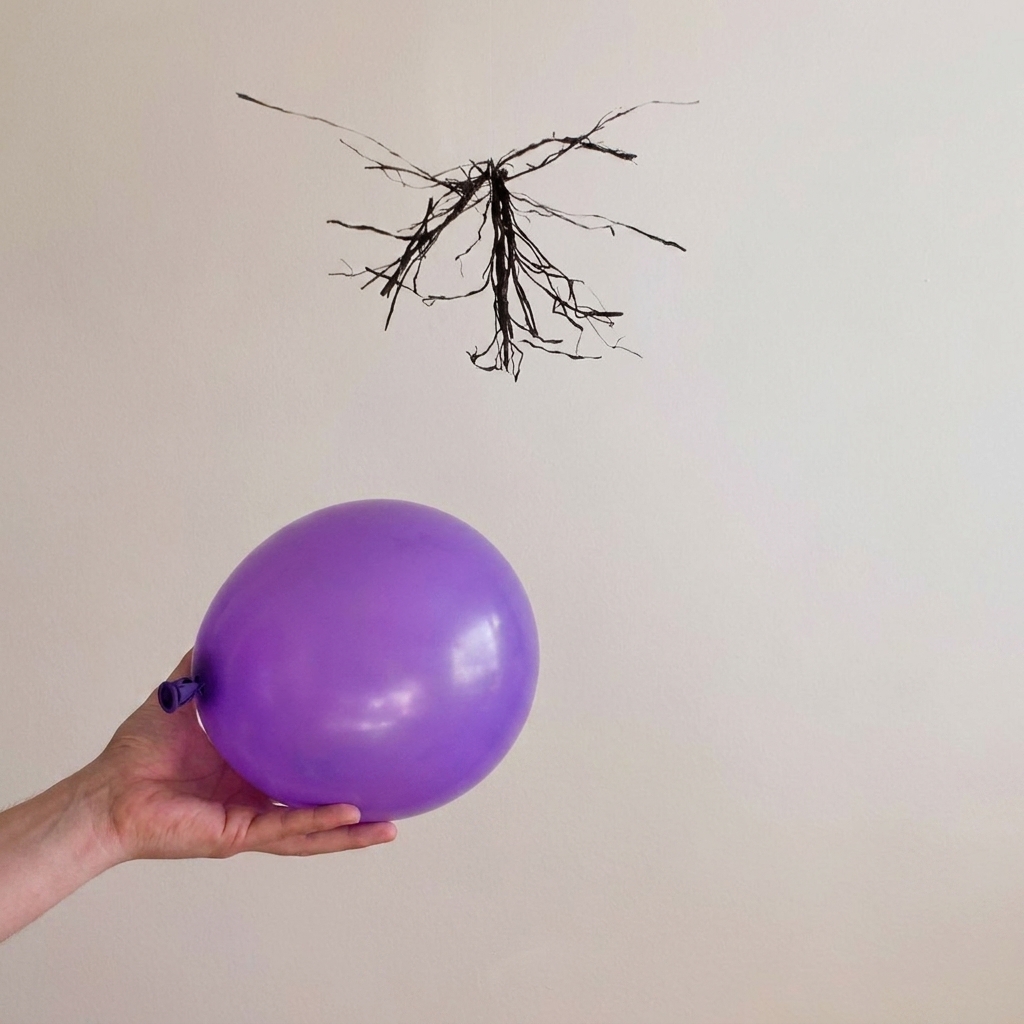
The Electrostatic Balloon Tissue Test is one of the simplest yet most fascinating science experiments for children. With just a balloon and a small piece of tissue paper, kids can witness invisible forces come to life. What seems like magic is actually electrostatic force—one of the fundamental concepts in physics.
This experiment is widely loved in classrooms and homes because it is safe, quick, and visually exciting. Children can immediately see how static electricity works when a rubbed balloon attracts tiny tissue pieces without touching them.
In this article, we explore The Electrostatic Balloon Tissue Test in depth, explain the science behind it, and highlight five reasons why kids find it so enjoyable. We also break down the key scientific principles and show how parents and teachers can use this experiment to build curiosity and STEM learning.
Quick Summary Table
| Feature | Details |
| Experiment Name | The Electrostatic Balloon Tissue Test |
| Difficulty Level | Very Easy |
| Recommended Age | 4+ years |
| Time Required | 5–10 minutes |
| Main Concept | Static electricity |
| Materials Needed | Balloon, tissue paper |
| Location | Home or classroom |
| Learning Value | High |
What Is The Electrostatic Balloon Tissue Test?
The Electrostatic Balloon Tissue Test is a simple experiment where a balloon is rubbed on hair, clothing, or wool and then brought near small pieces of tissue paper. The tissue pieces jump toward the balloon as if pulled by an invisible force.
This happens because the balloon becomes electrically charged through friction. When it is brought close to neutral objects like tissue paper, it creates an attractive force.
This experiment is one of the most effective ways to demonstrate static electricity to young learners because it is visible, interactive, and easy to repeat.
Materials Needed
One of the reasons The Electrostatic Balloon Tissue Test is so popular is its simplicity.
Basic Materials
- One balloon
- Small pieces of tissue paper
- Hair, wool, or cotton fabric (for rubbing)
- Flat surface or table
Optional Materials
- Paper confetti
- Plastic ruler
- Aluminum foil pieces
- Plastic spoon
These materials help expand the experiment and test different objects.
How the Experiment Works
To understand The Electrostatic Balloon Tissue Test, we need to understand static electricity.
Step 1: Charging the Balloon
When you rub a balloon against hair or fabric, electrons transfer from one material to another.
This process is called frictional charging.
The balloon becomes negatively charged.
Step 2: Attraction of Tissue Paper
Tissue paper is neutral, meaning it has no overall charge.
When the charged balloon comes close, it influences the electrons inside the tissue.
The tissue becomes slightly polarized, creating an attraction.
Step 3: Movement of Tissue
The attraction is strong enough to pull lightweight tissue pieces toward the balloon.
They may even stick to it briefly.
This visible movement is what makes the experiment so exciting for children.
Why 5 Kids Love The Electrostatic Balloon Tissue Test
Children are naturally curious, and this experiment satisfies that curiosity in several ways.
1. Instant Results
Kids see immediate reactions when the balloon moves tissue pieces.
There is no waiting time, which keeps engagement high.
2. It Feels Like Magic
The invisible force appears mysterious.
Children often think the balloon has “superpowers,” which increases excitement.
3. Hands-On Interaction
Children enjoy rubbing the balloon and controlling the outcome themselves.
Active participation improves learning retention.
4. Easy and Safe
No chemicals or complex equipment are needed.
Parents feel comfortable letting kids experiment freely.
5. Repeatable Fun
The experiment can be repeated many times with consistent results.
Kids enjoy trying different surfaces and materials.
Short Summary Table of Observations
| Action | Result |
| Rub balloon on hair | Balloon becomes charged |
| Bring near tissue | Tissue moves toward balloon |
| Increase rubbing time | Stronger attraction |
| Use different materials | Varying strength of effect |
The Science Behind Static Electricity
The Electrostatic Balloon Tissue Test is based on the movement of electrons.
Atoms and Charges
All objects are made of atoms containing:
- Protons (positive charge)
- Electrons (negative charge)
- Neutrons (neutral)
Normally, these charges are balanced.
Friction and Electron Transfer
When two materials rub together, electrons can move.
This creates an imbalance of charges.
Attraction and Repulsion
Opposite charges attract, while like charges repel.
This is the force behind the movement of tissue paper toward the balloon.
Why Tissue Paper Is Perfect for the Test
Tissue paper works especially well because:
- It is very light
- It responds quickly to small forces
- It has a loose fiber structure
- It is easy to cut into small pieces
These properties make the electrostatic effect more visible.
Variations of the Experiment
Once children master The Electrostatic Balloon Tissue Test, they can try variations.
Tissue vs Confetti Test
Compare how different materials respond to the balloon.
Wall Attraction Test
Rub the balloon and stick it to a wall.
Hair Lift Experiment
Move charged balloon near hair to see strands stand up.
Multiple Balloon Test
Use two balloons to test attraction and repulsion.
These variations deepen understanding of static electricity.
Educational Benefits
The Electrostatic Balloon Tissue Test supports several learning goals.
Scientific Thinking
Children learn to observe, predict, and test outcomes.
Physics Introduction
The experiment introduces basic electrostatic concepts.
Cause and Effect Understanding
Kids see how actions produce immediate results.
Curiosity Development
Invisible forces spark questions about how the world works.
Confidence Building
Successful experiments boost confidence in science.
Real-Life Applications of Static Electricity
Static electricity is not just a classroom concept. It appears in everyday life.
Clothes in Dryer
Clothes sticking together after drying is due to static charge.
Lightning
Lightning is a large-scale static discharge.
Dust Attraction
Charged surfaces attract dust particles.
Photocopiers
Machines use static electricity to transfer toner to paper.
Plastic Packaging
Static helps control material movement in manufacturing.
Understanding these applications makes the experiment more meaningful.
Safety Tips
The Electrostatic Balloon Tissue Test is very safe, but a few tips help improve the experience.
- Do not use sharp objects
- Avoid over-inflating balloons
- Keep small pieces away from very young children
- Do not perform near water
Supervision is recommended for younger kids.
Common Questions
Why Does the Balloon Lose Its Charge?
Over time, electrons return to balance, especially in humid conditions.
Why Does Humidity Affect the Experiment?
Water molecules in the air reduce static buildup.
Can Other Materials Replace Tissue Paper?
Yes, but lighter materials work best.
Why Doesn’t Metal Work the Same Way?
Metal conducts electricity and does not hold static charge well in this setup.
Tips for Better Results
To improve The Electrostatic Balloon Tissue Test:
- Rub the balloon longer
- Use dry environments
- Cut smaller tissue pieces
- Use wool or synthetic fabric for stronger charging
These adjustments make the effect more dramatic.
Why This Experiment Is Important for Learning
The Electrostatic Balloon Tissue Test is more than just a fun activity. It is an introduction to invisible natural forces that shape our world.
Children often struggle with abstract science concepts, but this experiment turns invisible electricity into something visible and interactive.
It helps bridge the gap between theory and real-world experience.
Conclusion
The Electrostatic Balloon Tissue Test is a powerful educational tool that combines simplicity, fun, and scientific learning. Through a basic balloon and tissue paper, children can observe the invisible force of static electricity in action.
Its popularity among kids comes from its instant results, hands-on nature, and magical appearance. At the same time, it introduces essential physics concepts such as charge, friction, and attraction.
By exploring The Electrostatic Balloon Tissue Test, children build curiosity and confidence in science while enjoying a playful and memorable experience. Whether at home or in school, this experiment proves that some of the most important scientific discoveries begin with the simplest materials.
